Swimming Performance and Behavior of High-Altitude Fish in High-Flow Velocity Environments
Kaixiao Chen, Guanxi Ding, Yun Li, Gangwei He, Yanteng Zhou, Xiaogang Wang

TL;DR
This study examines how high-altitude fish swim and make decisions in fast-moving water, revealing they are more capable than previously thought and providing insights for better fishway design.
Contribution
The study introduces a systematic method to quantify the extreme swimming abilities and nonlinear behavioral responses of high-altitude fish in high-flow environments.
Findings
S. oconnori can swim much faster than previously estimated and adapts its path based on movement mode and endurance.
The fish shows high sensitivity to changes in exercise intensity and prioritizes energy conservation and stability in fast currents.
The study provides scientific guidance for optimizing fishway design and hydraulic thresholds for high-altitude species.
Abstract
Fishways are crucial structures that help fish navigate obstacles like dams. Their design largely depends on our understanding of fish swimming performance and behavior. Traditional methods often underestimate fish capabilities, especially neglecting the performance and behavior of high-altitude species in fast-flowing waters. This study focuses on a high-altitude fish species called Schizothorax oconnori Lloyd, 1908 (S. oconnori) from the Tibetan Plateau. Using flume experiments and behavioral models, the study accurately quantifies the fish’s swimming performance and complex decision-making behaviors in fast currents. The results show that these fish can swim much faster than previously thought, and they cleverly choose their swimming paths based on their movement mode and endurance state to conserve energy and maintain stability. This research provides scientific guidance for setting…
Genes, proteins, chemicals, diseases, species, mutations and cell lines named across the full text — each resolved to its canonical identifier and authoritative record.
Click any figure to enlarge with its caption.
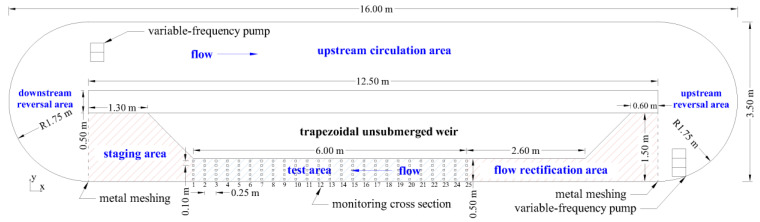 Figure 1
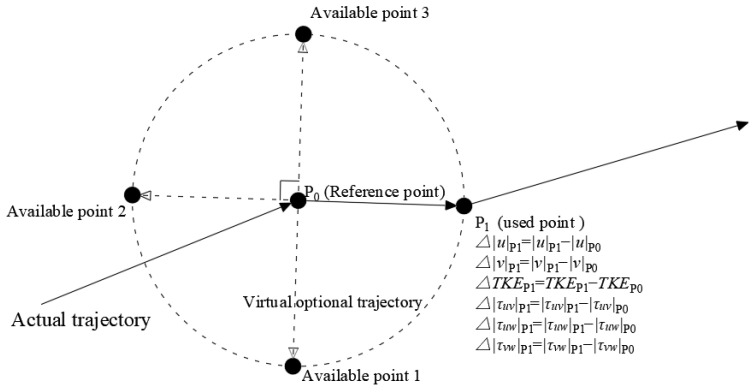 Figure 2
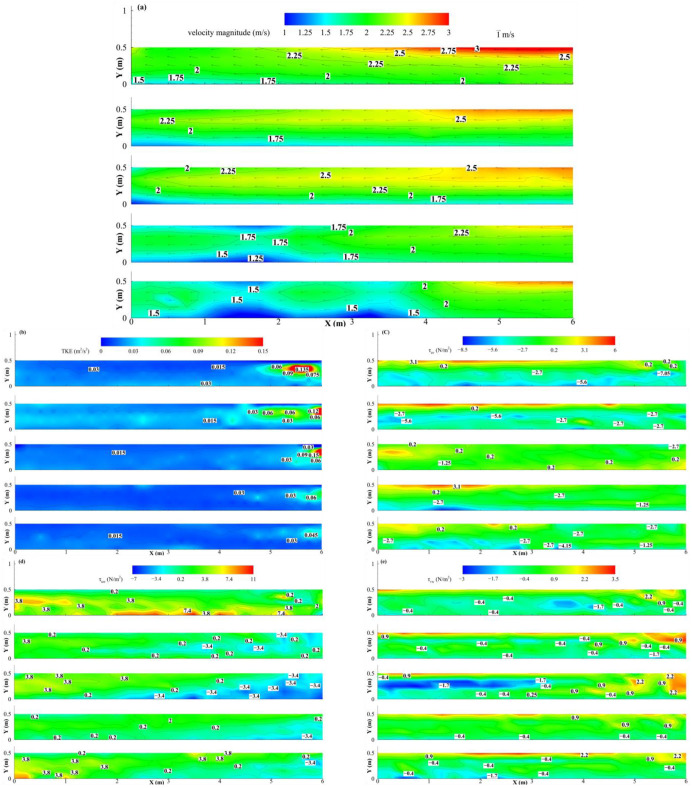 Figure 3
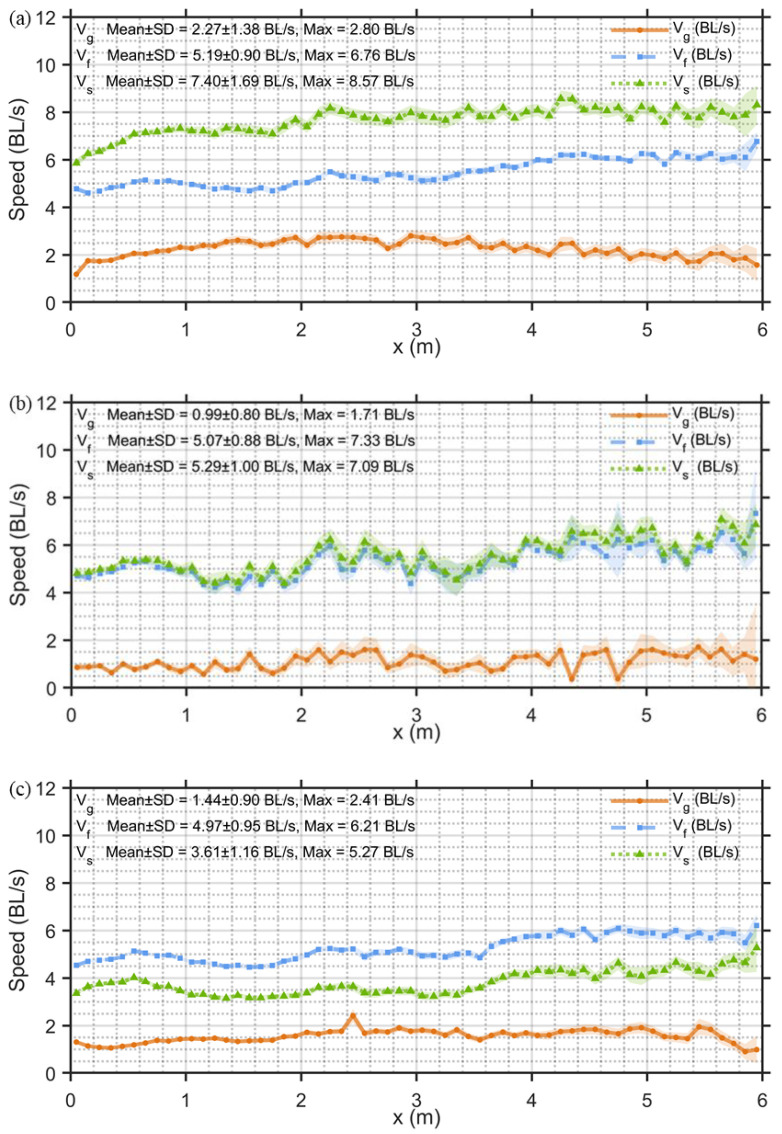 Figure 4
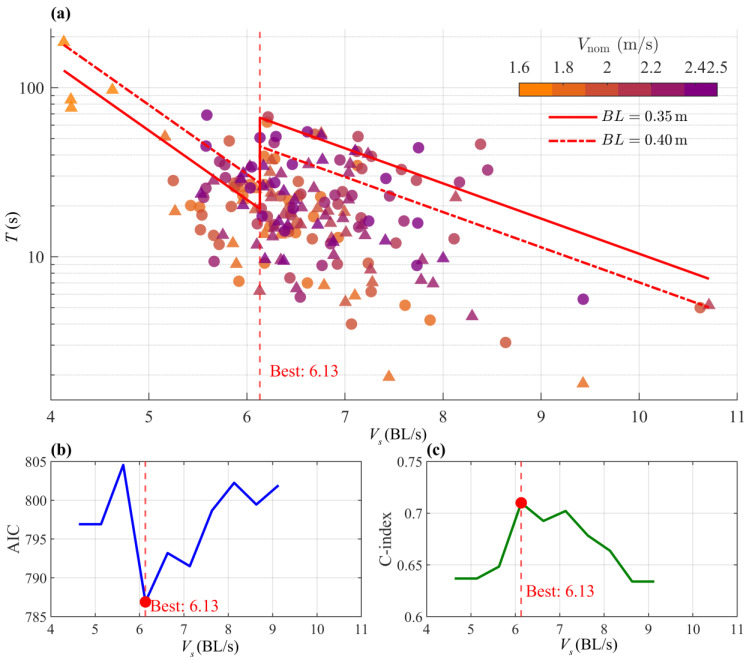 Figure 5
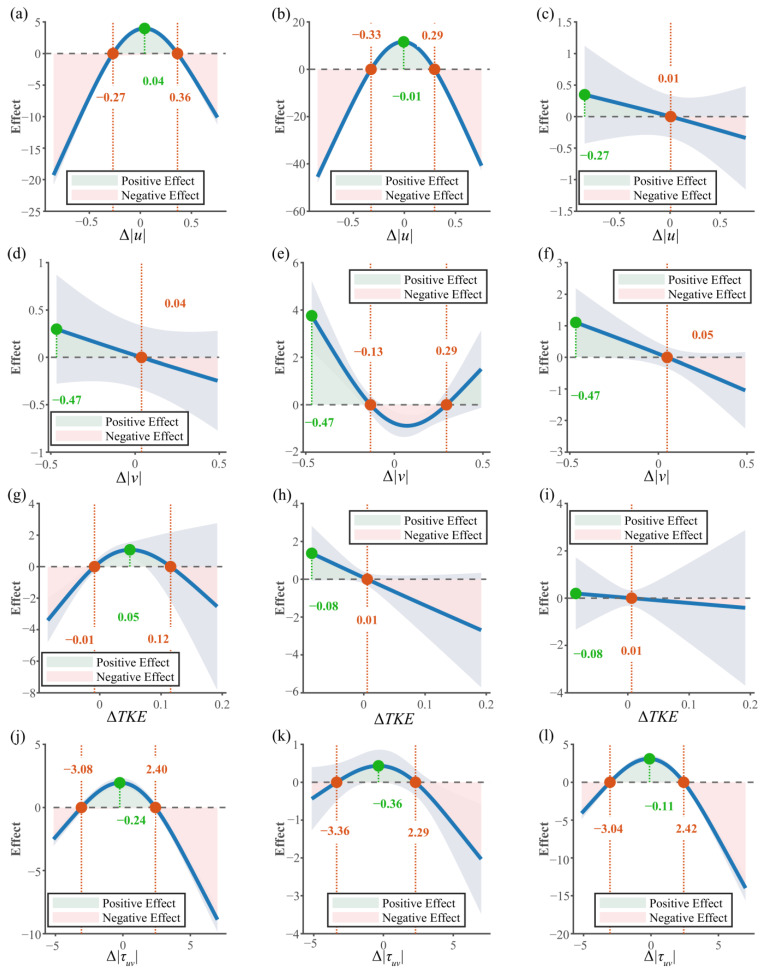 Figure 6
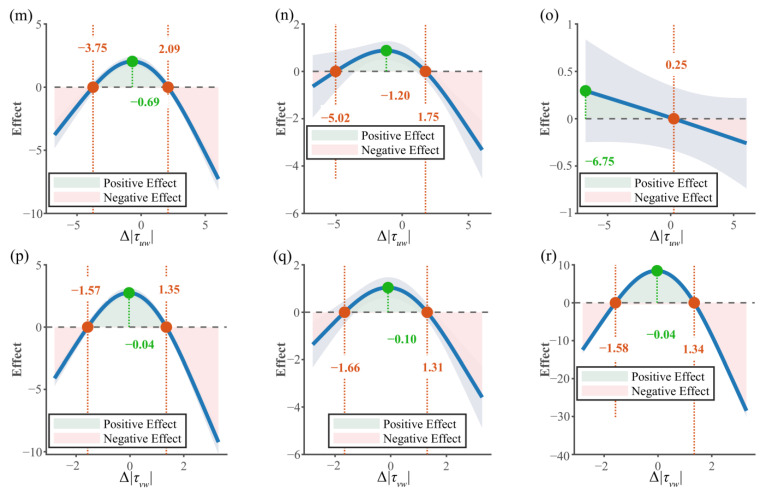 Figure 7
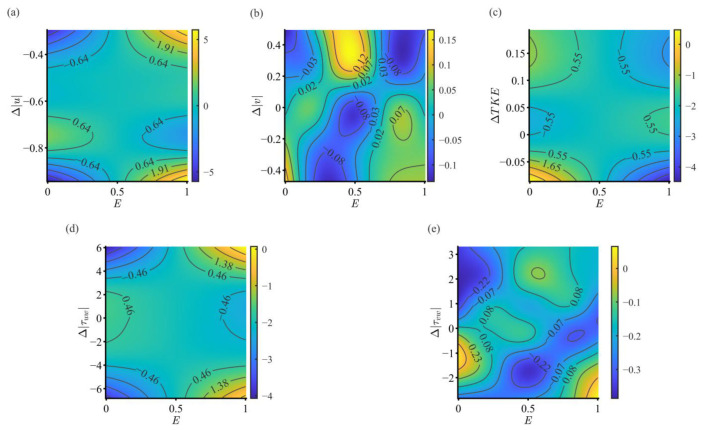 Figure 8
Peer Reviews
No public reviews on file for this paper yet. If you reviewed it on a platform where reviews are public (OpenReview, ICLR, NeurIPS, ICML), you can paste yours below so the community can read it here.
Videos
No videos yet. Explain this paper in a talk, walkthrough, or lecture? Add one.
Taxonomy
TopicsBiomimetic flight and propulsion mechanisms · Fish Ecology and Management Studies · Physiological and biochemical adaptations