Dynamic Cerebral Perfusion Electrical Impedance Tomography: A Neuroimaging Technique for Bedside Cerebral Perfusion Monitoring During Mannitol Dehydration
Weice Wang, Lihua Hou, Canhua Xu, Mingxu Zhu, Yitong Guo, Rong Zhao, Weixun Duan, Yu Wang, Zhenxiao Jin, Xuetao Shi

TL;DR
This study introduces a new non-invasive imaging technique to monitor brain perfusion in real-time during a medical treatment for cerebral damage.
Contribution
Dynamic cerebral perfusion electrical impedance tomography (DCP-EIT) is proposed for real-time bedside cerebral perfusion monitoring during dehydration therapy.
Findings
DCP-EIT successfully visualized cerebral perfusion changes consistent with CT-identified ischemic areas.
RY values in patients with neurological dysfunction remained elevated significantly longer than baseline after dehydration.
DCP-EIT shows potential for optimizing individualized cerebral protection strategies in neurocritical care.
Abstract
Mannitol dehydration is routinely used to prevent and treat cerebral damage after total aortic arch replacement (TAAR), but existing neuroimaging technologies cannot achieve bedside real-time quantitative assessment of its impact on cerebral perfusion in different patients. This study applied dynamic cerebral perfusion electrical impedance tomography (DCP-EIT), a non-invasive neuroimaging technique, for bedside cerebral perfusion monitoring in TAAR patients during dehydration. Seventeen patients with normal neurological function and nineteen with neurological dysfunction (ND) were enrolled. The variation patterns and differences in perfusion impedance, images, and the relative ratios (RY) of mean perfusion velocity (MV), height of systolic wave (Hs), inflow volume velocity (IV), and angle between the ascending branch and baseline (Aab) were analyzed. Results showed DCP-EIT could…
Genes, proteins, chemicals, diseases, species, mutations and cell lines named across the full text — each resolved to its canonical identifier and authoritative record.
Click any figure to enlarge with its caption.
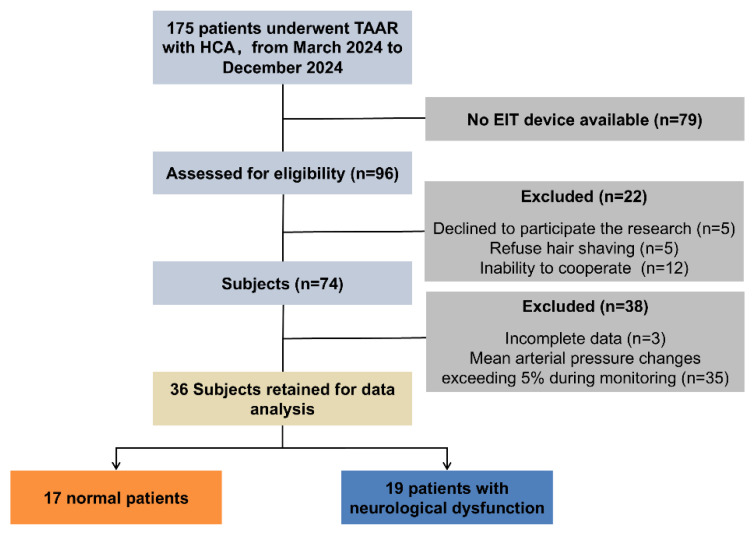 Figure 1
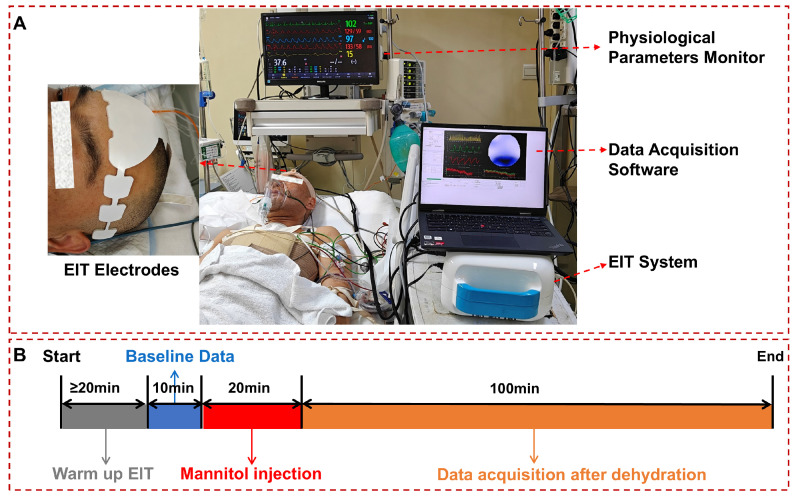 Figure 2
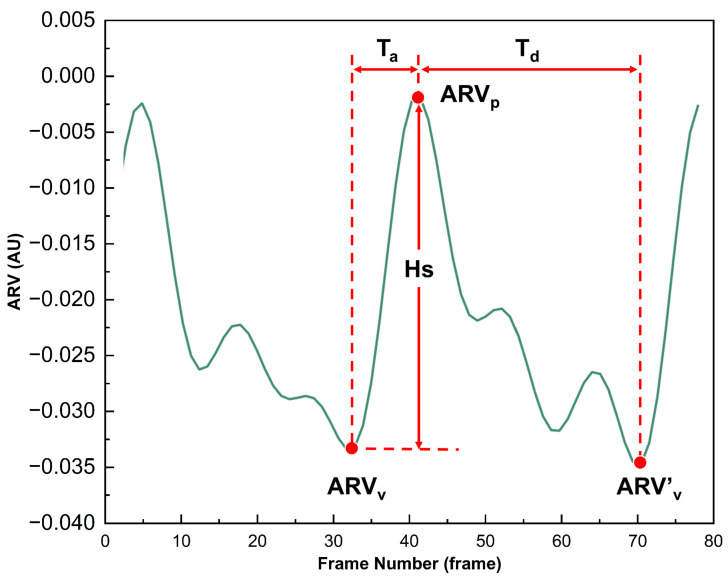 Figure 3
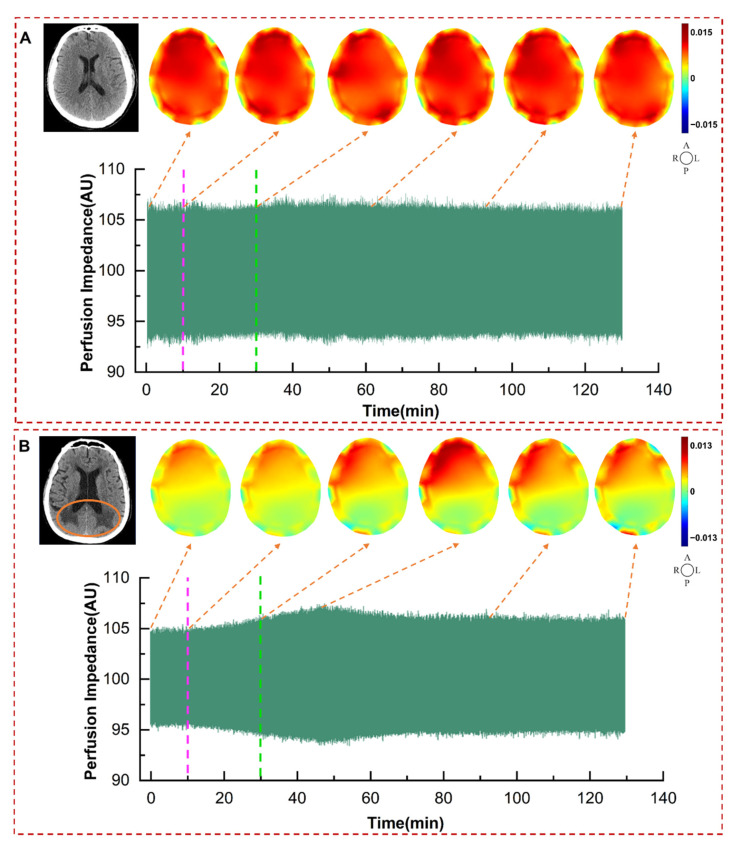 Figure 4
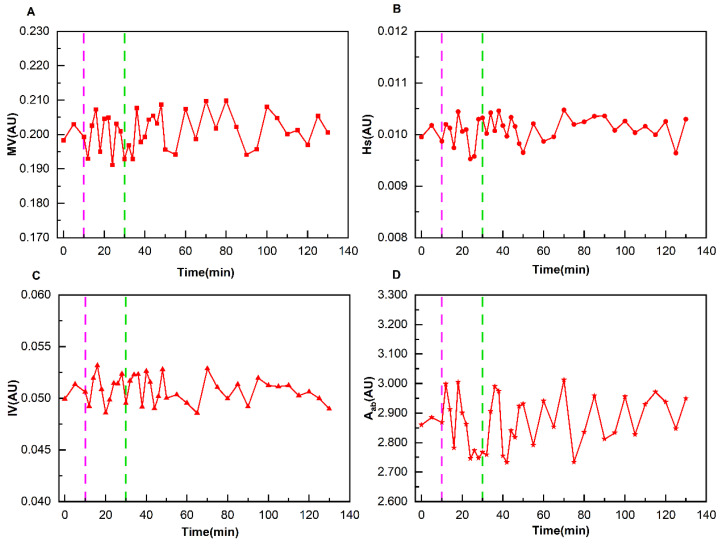 Figure 5
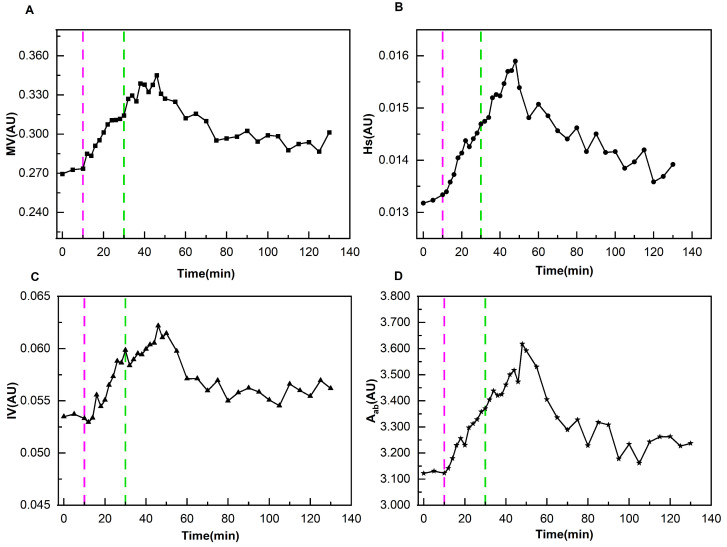 Figure 6
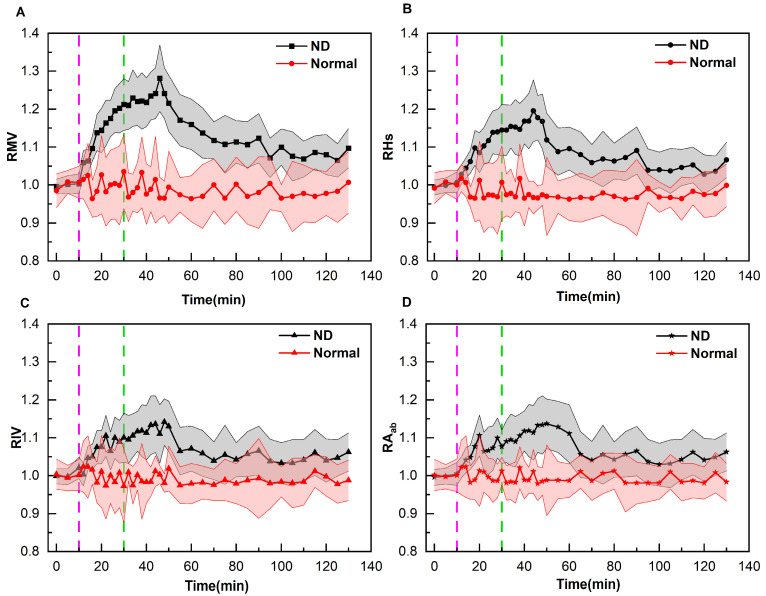 Figure 7
Peer Reviews
No public reviews on file for this paper yet. If you reviewed it on a platform where reviews are public (OpenReview, ICLR, NeurIPS, ICML), you can paste yours below so the community can read it here.
Videos
No videos yet. Explain this paper in a talk, walkthrough, or lecture? Add one.
Taxonomy
TopicsElectrical and Bioimpedance Tomography · Aortic Disease and Treatment Approaches · Intensive Care Unit Cognitive Disorders