Evaluating the Predictive Potential of Patient-Specific Biomechanical Models in Class III Protraction Therapy
Joeri Meyns, Wout Vertenten, Sohaib Shujaat, Sofie Van Cauter, Constantinus Politis, Jos Vander Sloten, Reinhilde Jacobs

TL;DR
This study evaluates how well biomechanical models can predict outcomes in Class III protraction therapy, finding that they are not reliable without incorporating biological growth factors.
Contribution
The study is the first to validate the predictive accuracy of finite element models in Class III protraction therapy using patient-specific anatomical data.
Findings
FEM-predicted maxillary changes were about one-tenth of actual clinical changes.
Patient-specific geometrical factors had a greater impact on deformation than treatment type.
Current FEM models lack reliability in predicting clinical outcomes for growing Class III patients.
Abstract
Predicting treatment outcomes in Class III protraction therapy remains challenging. Although finite element analysis (FEA) helps in the study of biomechanics and planning of orthodontic treatment, its use in Class III protraction has mainly been in evaluating appliance designs rather than patient-specific anatomy. The predictive accuracy of FEA has not been validated in Class III protration therapy. In this study, ten patients (5 female, 5 male, aged 7–11 years) with Class III malocclusion received either facemask or mentoplate treatment. CT scans from four patients were used to construct simplified finite element models, and predictions were compared with one-year treatment outcomes from six additional patients. While stress patterns differed between treatments, patient-specific geometrical factors had a more significant impact on deformation than treatment type. FEM-predicted…
Genes, proteins, chemicals, diseases, species, mutations and cell lines named across the full text — each resolved to its canonical identifier and authoritative record.
Click any figure to enlarge with its caption.
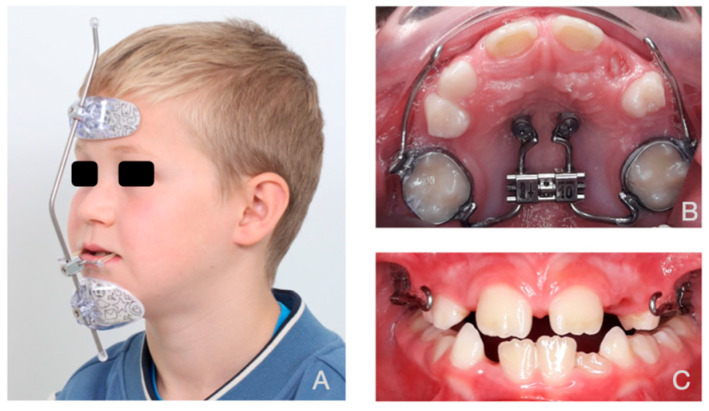 Figure 1
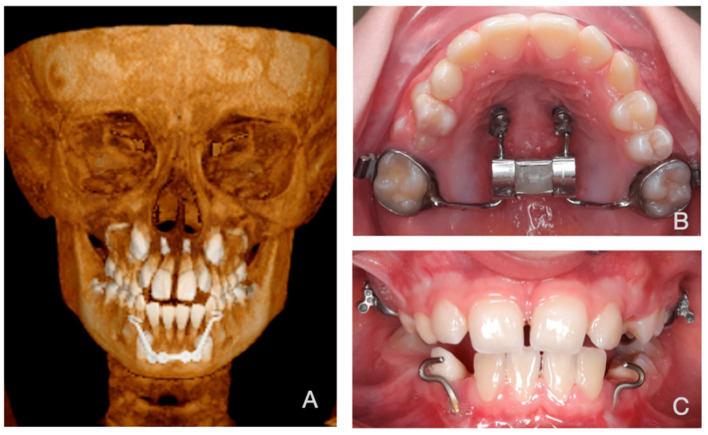 Figure 2
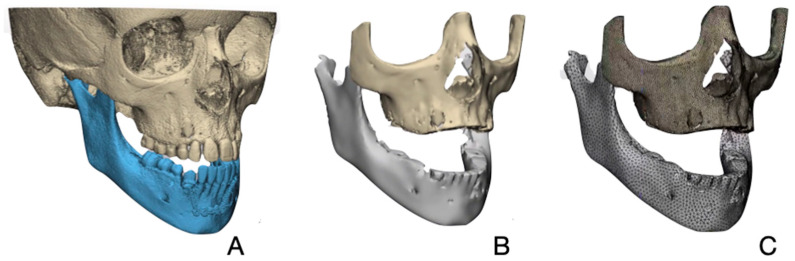 Figure 3
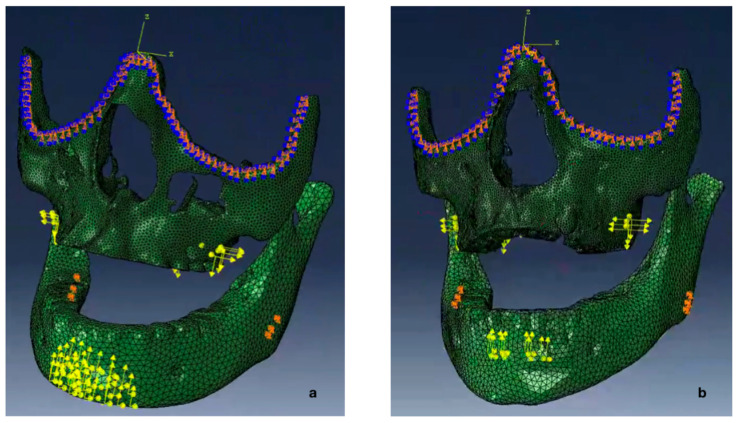 Figure 4
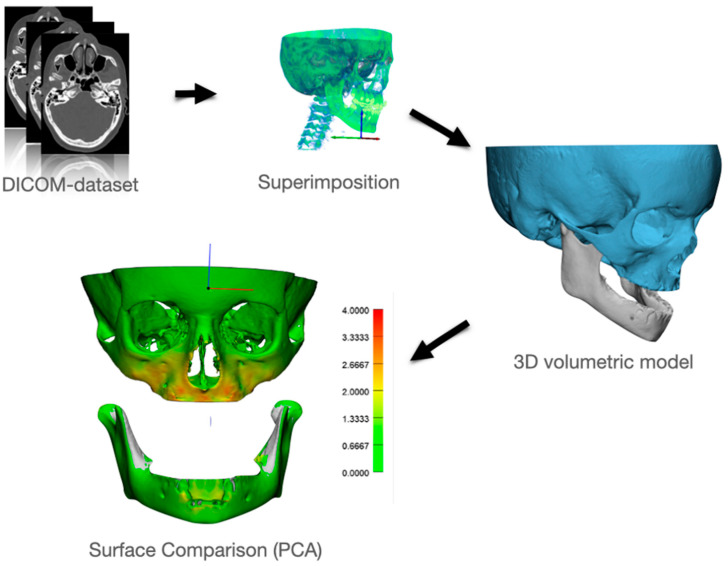 Figure 5
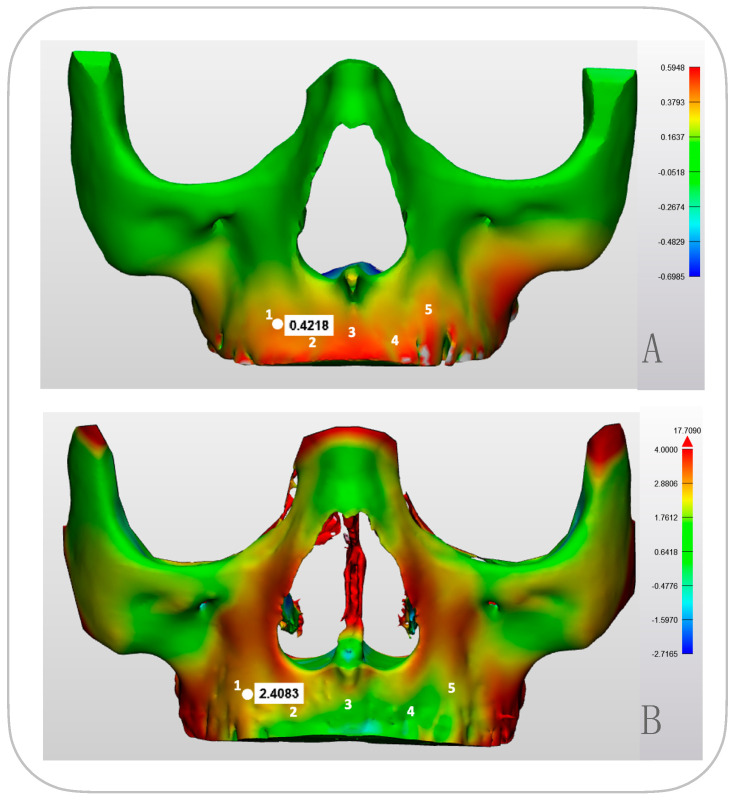 Figure 6
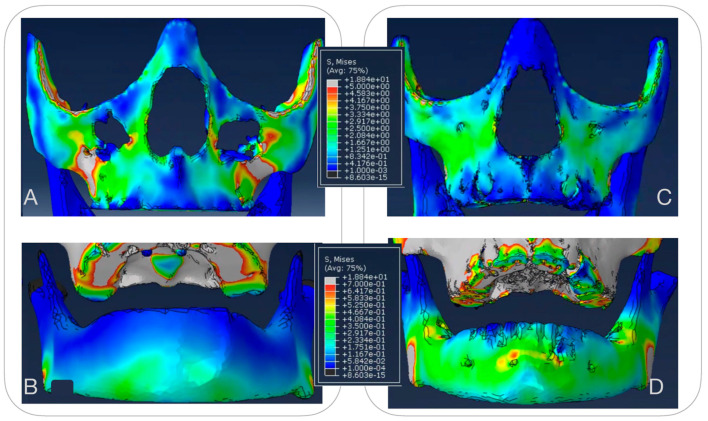 Figure 7
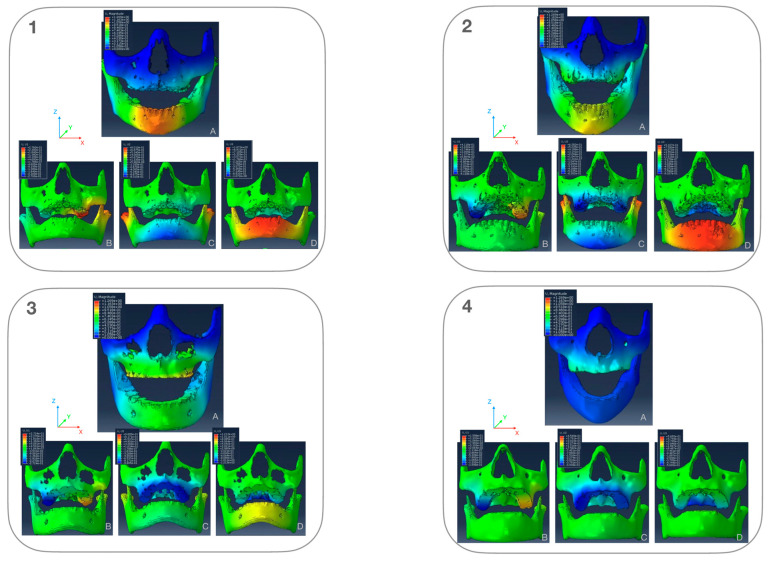 Figure 8
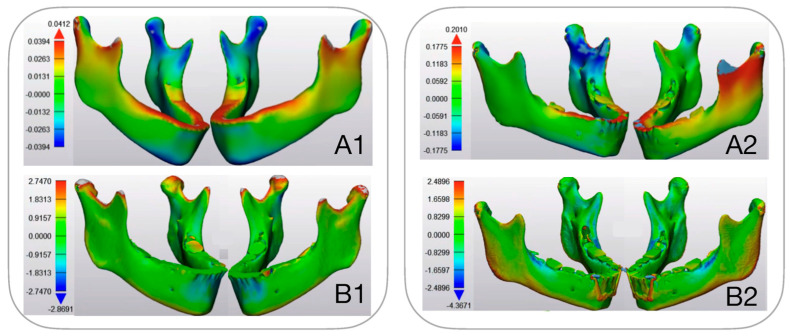 Figure 9
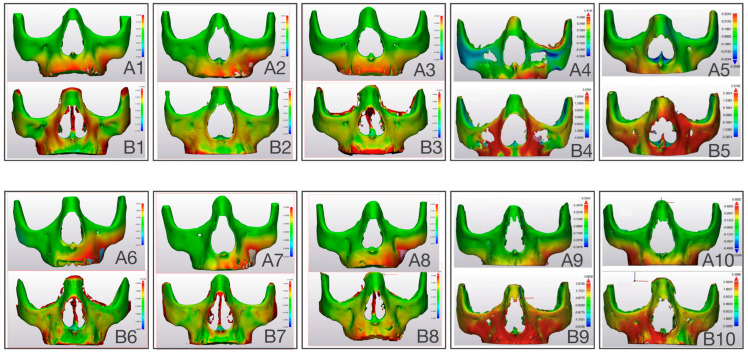 Figure 10
Peer Reviews
No public reviews on file for this paper yet. If you reviewed it on a platform where reviews are public (OpenReview, ICLR, NeurIPS, ICML), you can paste yours below so the community can read it here.
Videos
No videos yet. Explain this paper in a talk, walkthrough, or lecture? Add one.
Taxonomy
TopicsOrthodontics and Dentofacial Orthopedics · Temporomandibular Joint Disorders · Dental materials and restorations