Cyber-Sexual Crime and Social Inequality: Exploring Socioeconomic and Technological Determinants
Carlos J. Mármol, Aurelio Luna, Isabel Legaz

TL;DR
This paper explores how socioeconomic and technological factors influence the distribution of cyber-sexual crimes in Spain, showing that vulnerable regions and groups are disproportionately affected.
Contribution
The study provides new insights into the regional patterns and structural determinants of cyber-sexual crimes in Spain using a combination of crime data and socioeconomic indicators.
Findings
Cyber-sexual crimes in Spain increased nationally, with grooming and harassment showing the most growth.
Regions like the Balearic Islands, Canary Islands, and Andalusia had the highest incidence rates of cyber-sexual crimes.
Educational disadvantages and low income were linked to sexual abuse, while digital connectivity was associated with technology-facilitated offenses.
Abstract
Cyber-sexual crimes have become a growing concern in the digital age, as rapid technological progress continues to create new forms of violence and victimization. These offenses affect society unevenly, striking more intensely among minors, women, and other vulnerable groups. Their prevalence is shaped by structural inequalities, educational, economic, and technological, that condition both exposure to digital risks and the capacity for protection. Although international research has connected these disparities with digital victimization, evidence from Spain remains limited. The aim was to analyze the regional distribution of cyber-sexual crimes in Spain between 2011 and 2022 and to explore how education, income, and digital access relate to their incidence. To this end, official data from the Spanish Statistical Crime Portal (PEC) were combined with structural indicators provided by…
Genes, proteins, chemicals, diseases, species, mutations and cell lines named across the full text — each resolved to its canonical identifier and authoritative record.
Click any figure to enlarge with its caption.
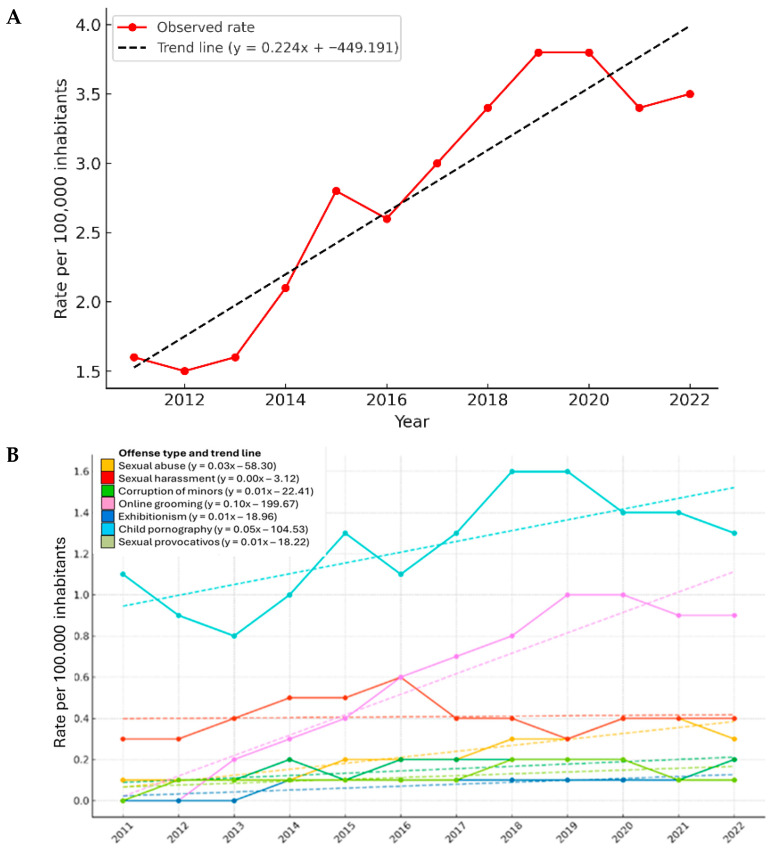 Figure 1
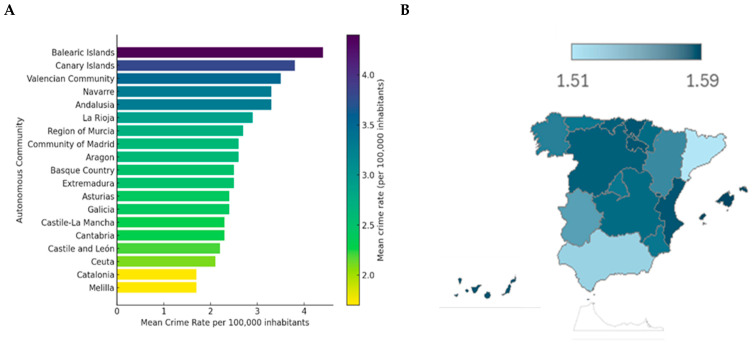 Figure 2
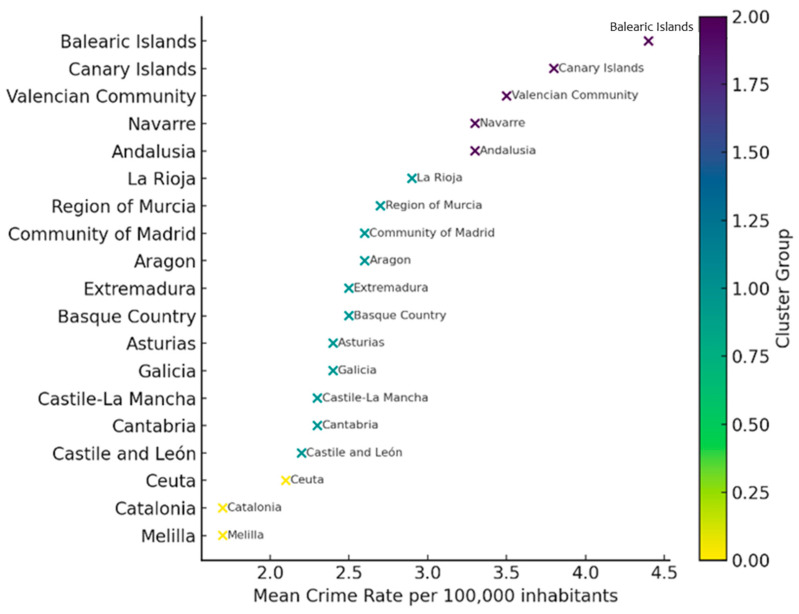 Figure 3
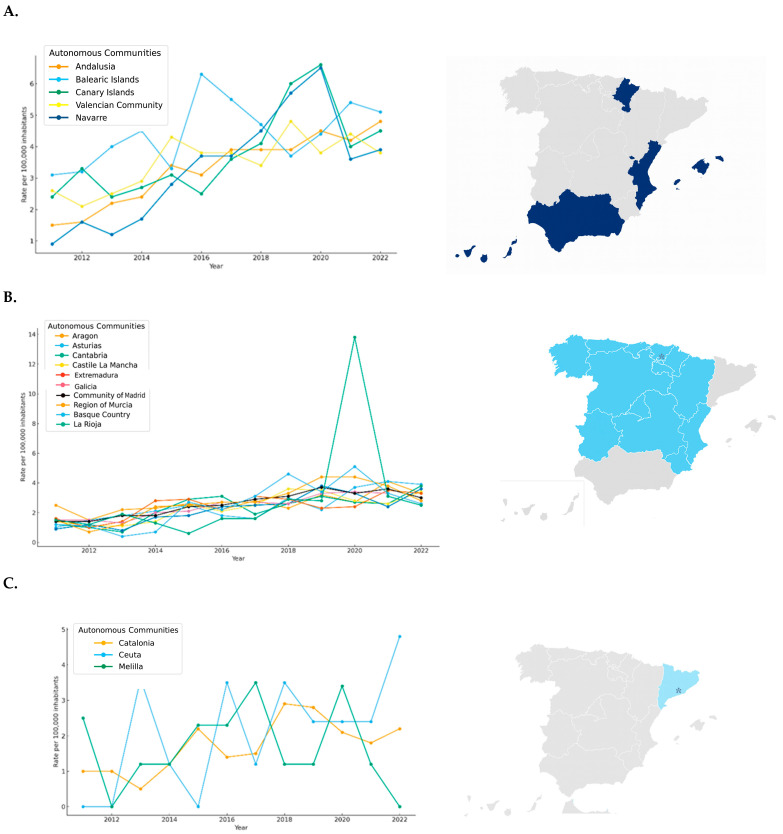 Figure 4
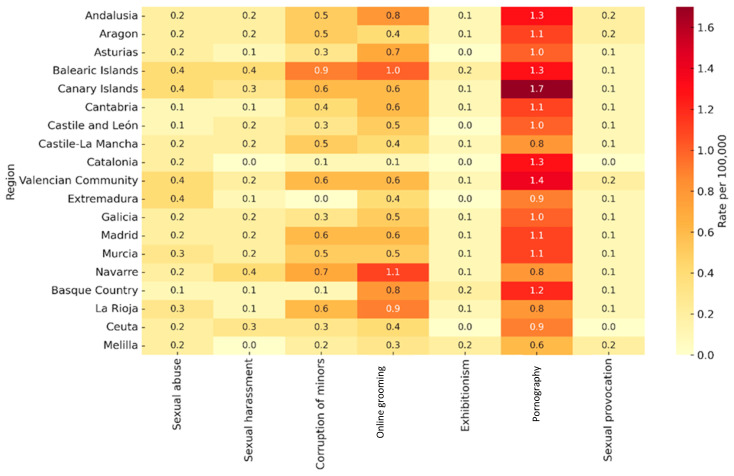 Figure 5
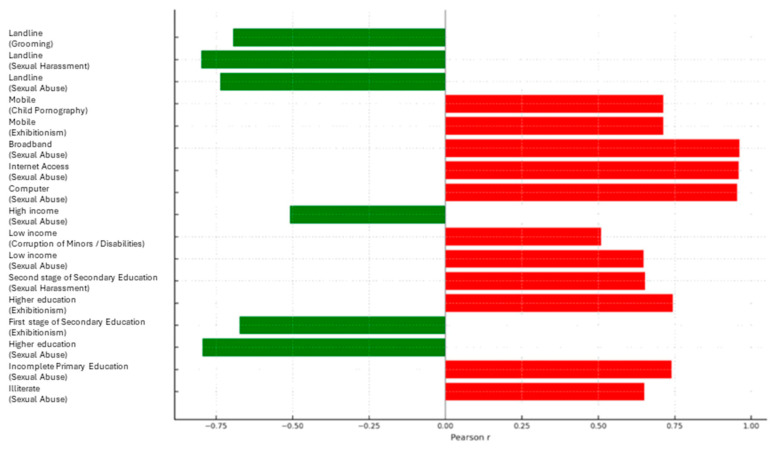 Figure 6
Peer Reviews
No public reviews on file for this paper yet. If you reviewed it on a platform where reviews are public (OpenReview, ICLR, NeurIPS, ICML), you can paste yours below so the community can read it here.
Videos
No videos yet. Explain this paper in a talk, walkthrough, or lecture? Add one.
Taxonomy
TopicsGender, Feminism, and Media · Cybercrime and Law Enforcement Studies · Stalking, Cyberstalking, and Harassment