Advancing Yeast Identification Using High‐Throughput DNA Barcode Data From a Curated Culture Collection
Duong Vu, Michel de Vries, Bert Gerrits van den Ende, Jos Houbraken, R. Henrik Nilsson, Balázs Brankovics, Margarita Hernández‐Restrepo, Johannes Z. Groenewald, Pedro W. Crous, Ferry Hagen, Wieland Meyer, Gerard J. M. Verkley, Marizeth Groenewald

TL;DR
This paper improves yeast identification by expanding a curated DNA barcode database, enhancing accuracy in environmental and clinical studies.
Contribution
The study expands a high-quality yeast DNA barcode dataset and proposes marker-specific similarity cutoffs for improved metabarcoding accuracy.
Findings
An expanded dataset of 2856 ITS and 3815 LSU sequences was generated, representing 911 and 1137 yeast species.
Marker-specific similarity cutoffs for ITS, ITS1, ITS2, and LSU were proposed to improve taxonomic resolution.
Reanalysis of Human Microbiome Project data showed diet and environment influence gut mycobiota.
Abstract
Yeast identification is essential in fields ranging from microbiology and biotechnology to food science and medicine. While DNA barcoding has become the standard for identifying cultured strains, environmental DNA (eDNA) metabarcoding has revolutionised microbial community profiling, providing deeper insights into yeast communities across diverse ecosystems. A major challenge in DNA (meta)barcoding remains the limited availability of high‐quality reference sequences, which are critical for accurate species identification and comprehensive taxonomic profiling of both environmental and clinical samples. To address this gap, the Westerdijk Fungal Biodiversity Institute (WI) launched a DNA barcoding initiative in 2006 to generate high‐quality, often type‐derived ITS and LSU barcodes for all ~100,000 fungal strains preserved in the CBS culture collection, including approximately 15,000…
Genes, proteins, chemicals, diseases, species, mutations and cell lines named across the full text — each resolved to its canonical identifier and authoritative record.
Click any figure to enlarge with its caption.
 Figure 1
 Figure 2
 Figure 3
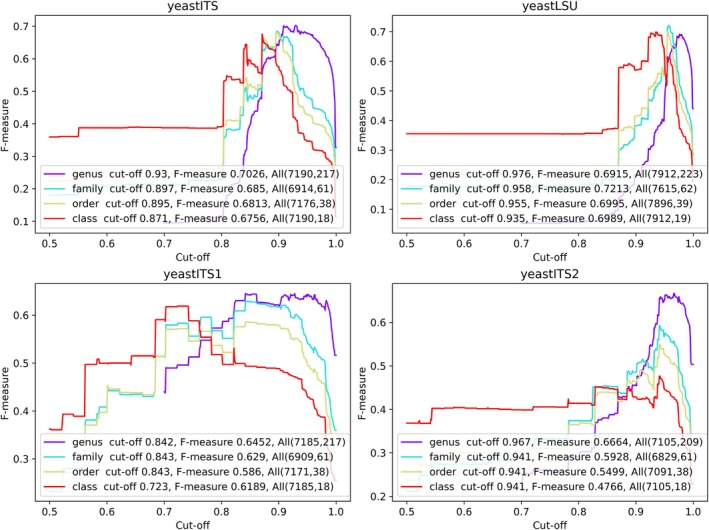 Figure 4
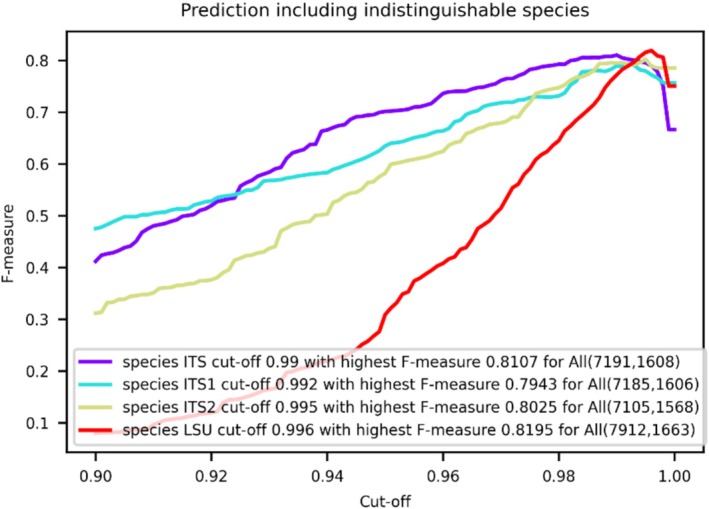 Figure 5
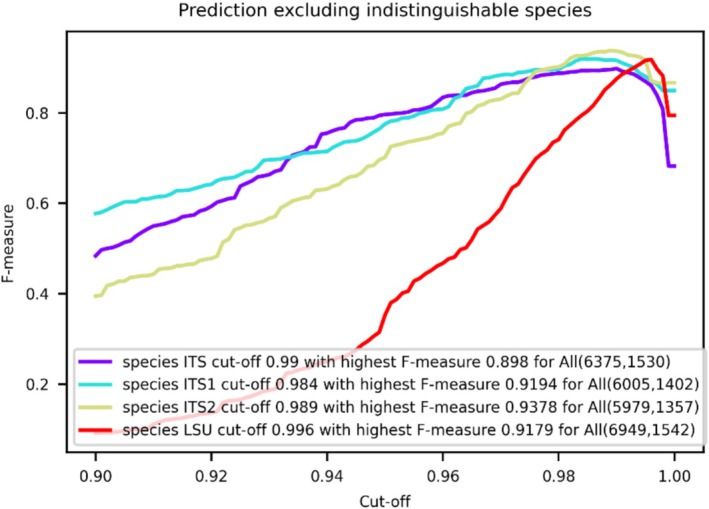 Figure 6
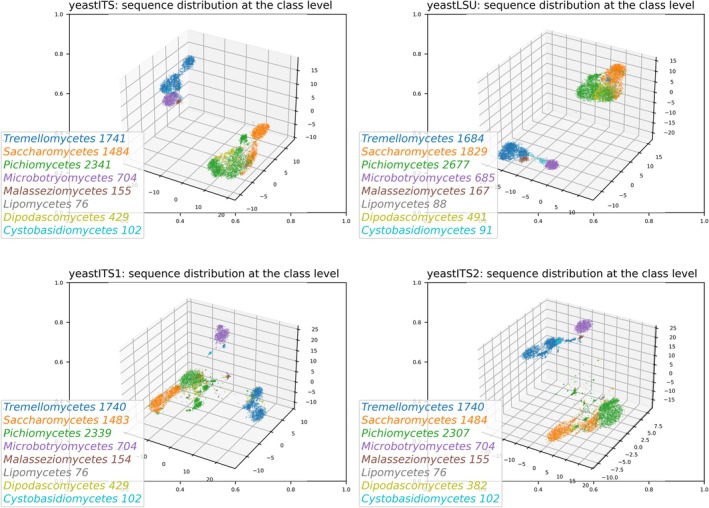 Figure 7
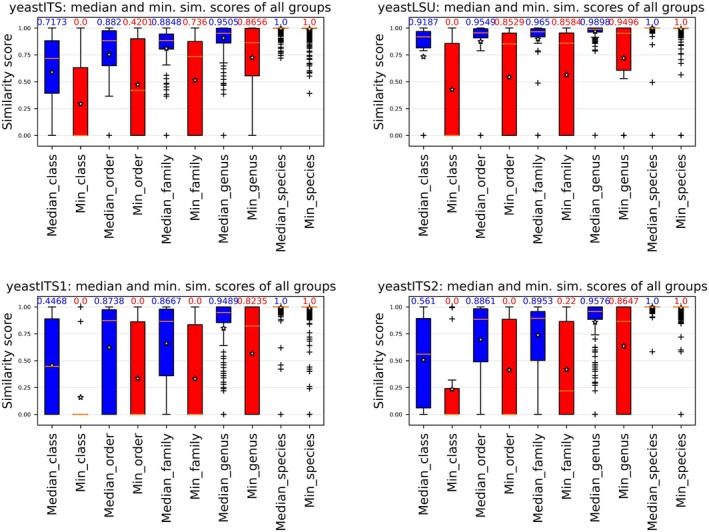 Figure 8
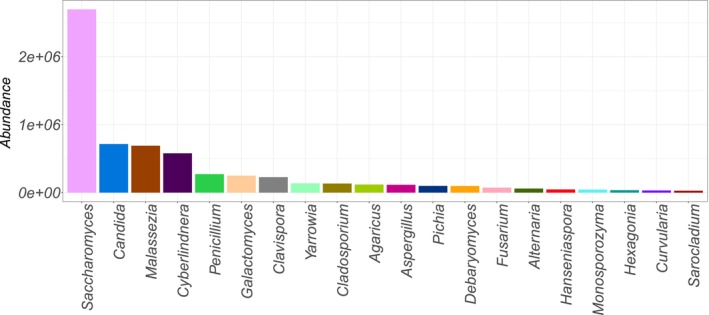 Figure 9
Peer Reviews
No public reviews on file for this paper yet. If you reviewed it on a platform where reviews are public (OpenReview, ICLR, NeurIPS, ICML), you can paste yours below so the community can read it here.
Videos
No videos yet. Explain this paper in a talk, walkthrough, or lecture? Add one.
Taxonomy
TopicsYeasts and Rust Fungi Studies · Environmental DNA in Biodiversity Studies · Lichen and fungal ecology