Exploring the Cytotoxic and Redox-Modulatory Effects of Nanoceria in MCF7 Breast Cancer Cells Using Integrated Molecular and Proteomic Analyses
Rukhsana Gul, Hicham Benabdelkamel, Mushtaq Ahmad Dar, Arwa Bazighifan, Afshan Masood, Salini Scaria Joy, Ousman Mahmood Ousman, Assim A. Alfadda

TL;DR
This study explores how nanoceria nanoparticles kill breast cancer cells by causing oxidative stress and mitochondrial damage.
Contribution
The study provides new insights into the molecular and proteomic mechanisms of nanoceria-induced cytotoxicity in MCF7 breast cancer cells.
Findings
Nanoceria reduced MCF7 cell viability in a dose-dependent manner, with 61% and 57% viability at 200 µg/mL and 400 µg/mL, respectively.
Nanoceria increased ROS levels and decreased mitochondrial membrane potential, indicating oxidative stress and mitochondrial dysfunction.
Proteomic analysis revealed over 150 altered proteins linked to redox balance, apoptosis, and cell cycle regulation.
Abstract
Background: Cerium oxide nanoparticles (nanoceria) have attracted growing attention as promising anticancer agents due to their unique redox properties. Their selective cytotoxicity in cancer cells is thought to be mediated primarily through disruption of redox homeostasis. However, the precise molecular mechanisms underlying their action in breast cancer remain unclear. To address this gap, the present study investigates the dose-dependent cytotoxic, oxidative, and mitochondrial effects of nanoceria in MCF7 breast cancer cells, with mechanistic insights gained through gene expression and proteomic analyses. Methods: MCF7 breast cancer cells were treated with nanoceria (200 µg/mL and 400 µg/mL). Cytotoxicity, ROS levels, and mitochondrial membrane potential were assessed via MTT, DCFDA staining, and MitoTracker, respectively. Gene expression and label-free LC-MS/MS proteomics were used…
Genes, proteins, chemicals, diseases, species, mutations and cell lines named across the full text — each resolved to its canonical identifier and authoritative record.
Click any figure to enlarge with its caption.
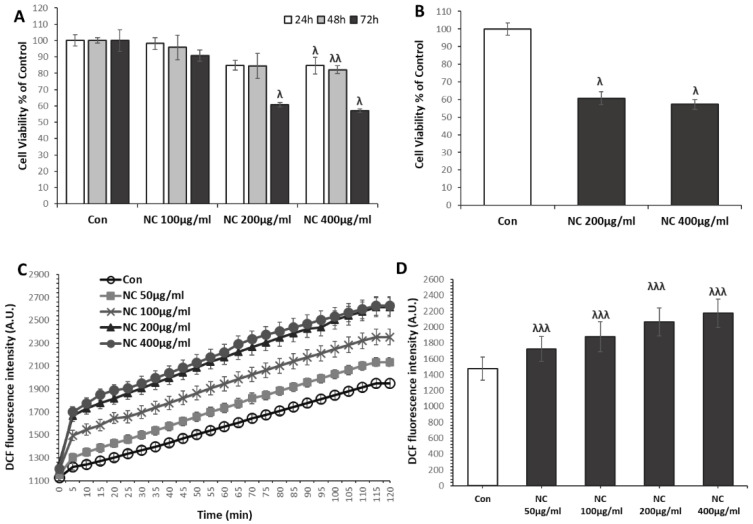 Figure 1
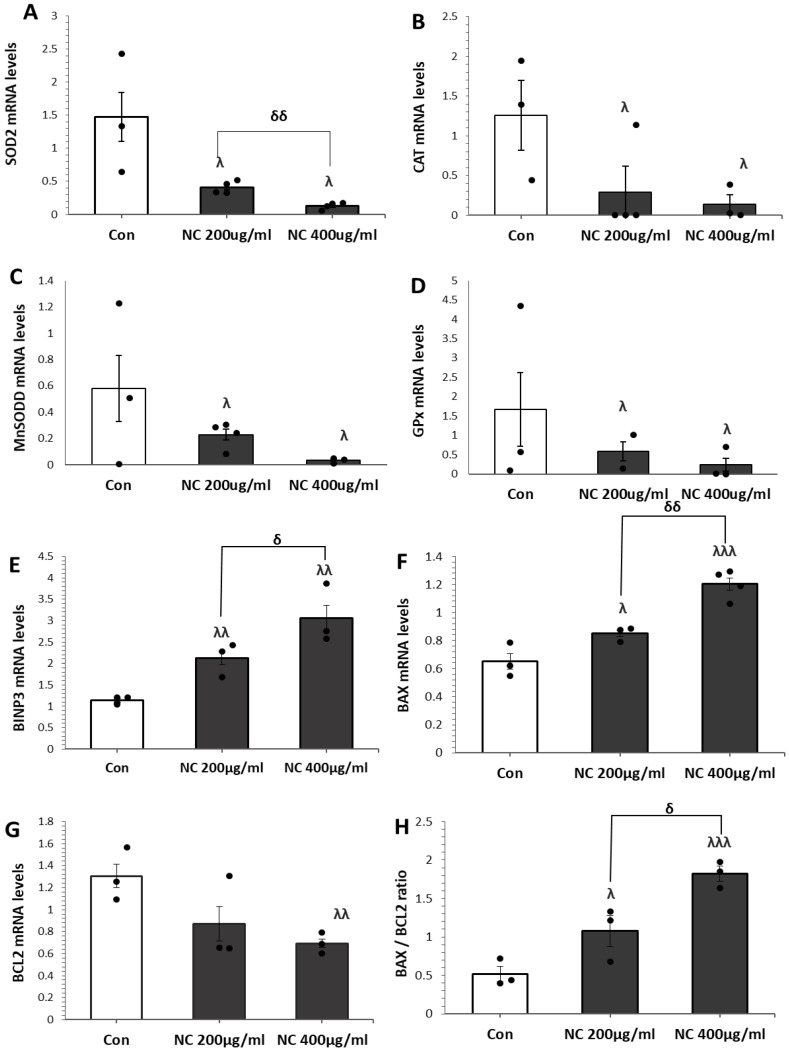 Figure 2
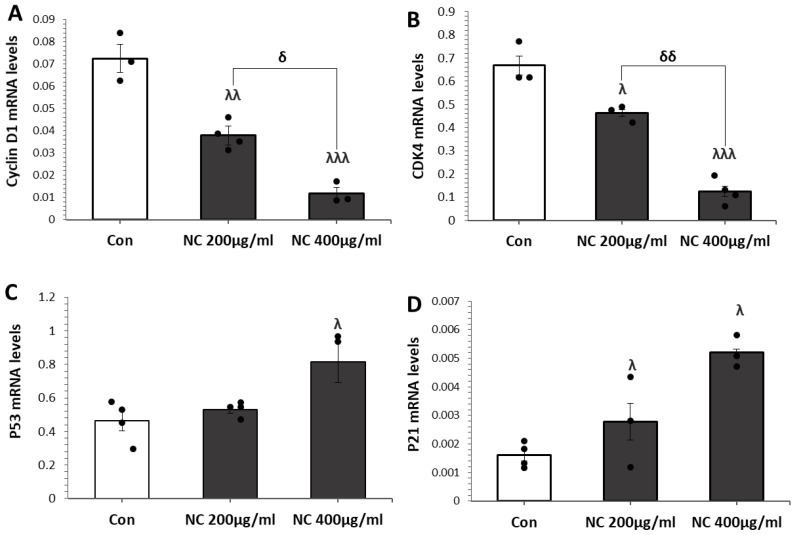 Figure 3
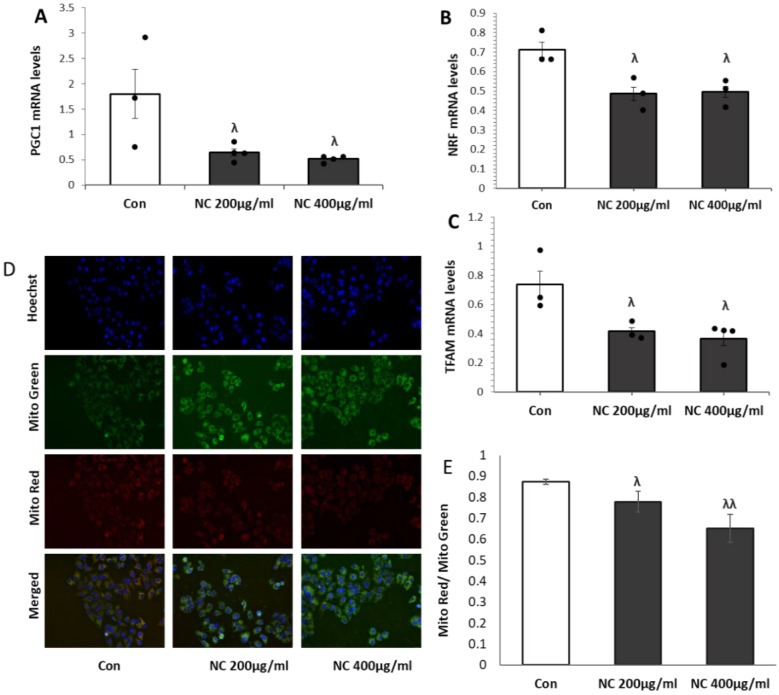 Figure 4
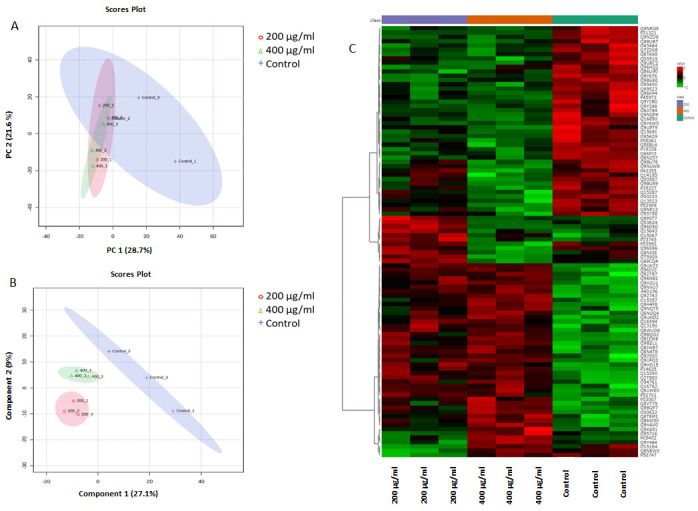 Figure 5
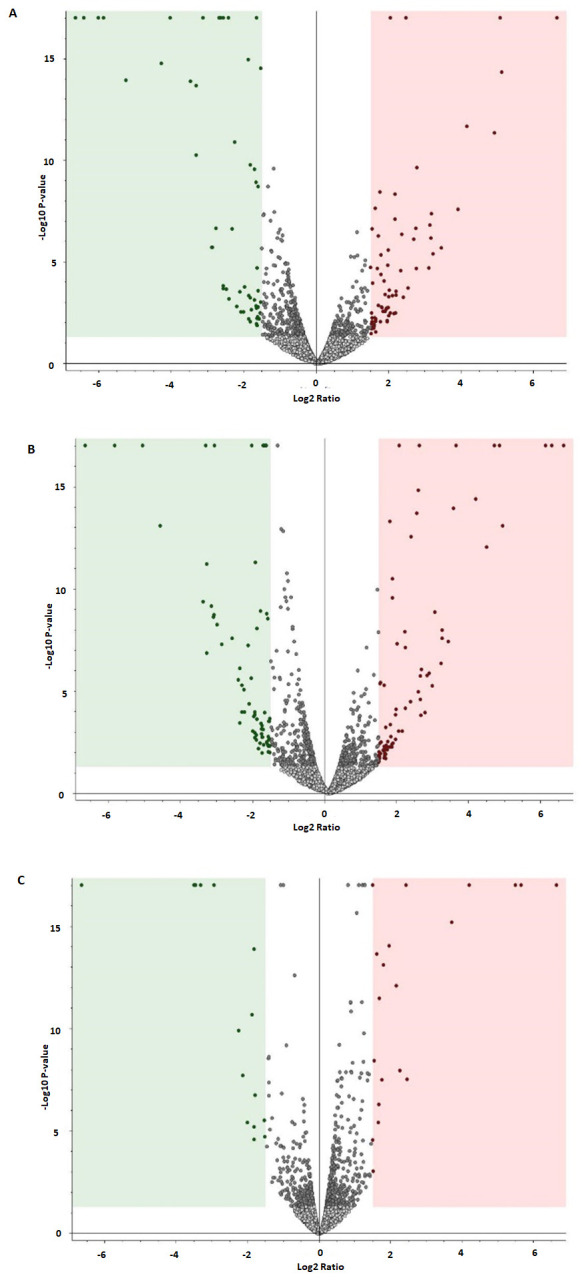 Figure 6
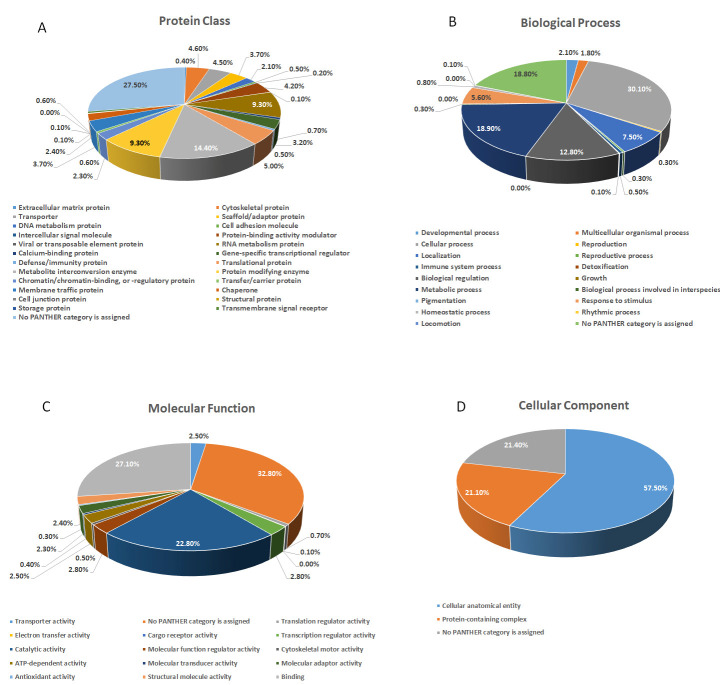 Figure 7
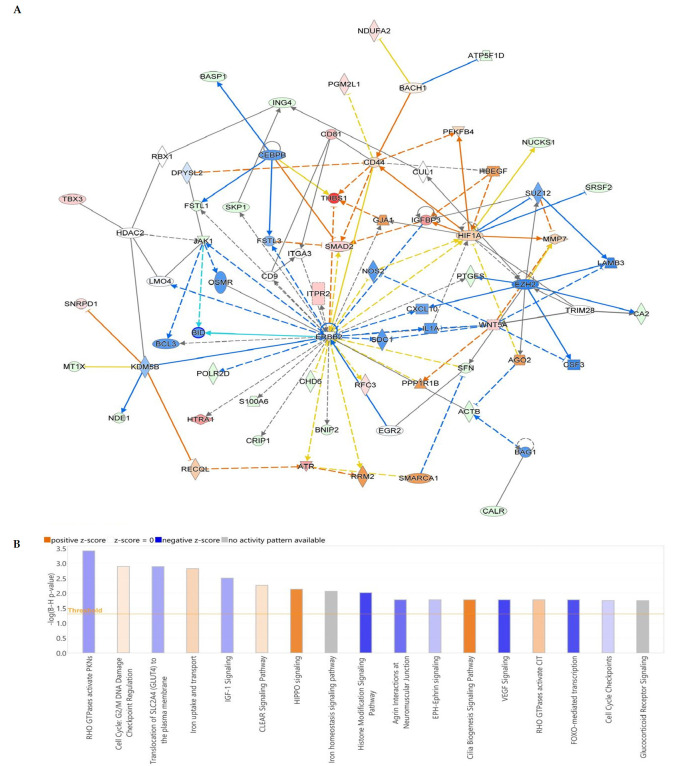 Figure 8
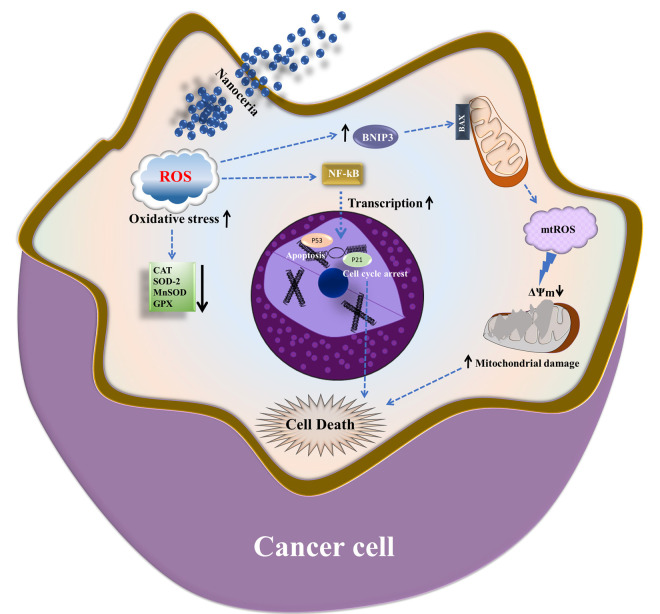 Figure 9
Peer Reviews
No public reviews on file for this paper yet. If you reviewed it on a platform where reviews are public (OpenReview, ICLR, NeurIPS, ICML), you can paste yours below so the community can read it here.
Videos
No videos yet. Explain this paper in a talk, walkthrough, or lecture? Add one.
Taxonomy
TopicsAdvanced Nanomaterials in Catalysis · Nanoplatforms for cancer theranostics · Nanoparticle-Based Drug Delivery