Multi-Omics Deciphers Divergent Mechanisms in Differentially Cardiac-Remodeled Yili Horses Under Conditions of Equivalent Power Output
Tongliang Wang, Xixi Yang, Wanlu Ren, Jun Meng, Xinkui Yao, Hongzhong Chu, Runchen Yao, Manjun Zhai, Yaqi Zeng

TL;DR
This study explores how Yili horses with different heart structures respond at the molecular level to the same exercise, revealing distinct metabolic and genetic pathways involved in energy and heart function.
Contribution
The study introduces a multi-omics approach to uncover divergent cardiac adaptation mechanisms in horses under equivalent exercise intensity.
Findings
The BH group showed stronger lipid mobilization and sphingolipid signaling pathway enrichment after exercise.
Key miRNAs like let-7 family and miR-186 regulate cardiac electrophysiology and energy metabolism in the BH group.
Glycine–serine–threonine metabolism and phosphatidylserines help the BH group maintain energy homeostasis during exercise.
Abstract
This study aimed to investigate the molecular response mechanisms of Yili horses with different degrees of cardiac remodeling under the same exercise intensity. Twenty 2-year-old Yili horses were divided into a high cardiac remodeling group (BH, with parameters such as EDV > 500 mL) and a low cardiac remodeling group (BL, with parameters such as EDV < 450 mL) based on echocardiographic parameters. Blood samples were collected before and after a 1000 m constant-speed exercise, followed by metabolomic, transcriptomic, and miRNA analyses. The results showed that the BH group exhibited stronger post-exercise lipid mobilization and significant enrichment of the sphingolipid signaling pathway; core miRNAs (e.g., let-7 family, miR-186) and their target genes (e.g., ALAS2) regulated cardiac electrophysiology and energy metabolism. Integrated multi-omics analysis revealed that the BH…
Genes, proteins, chemicals, diseases, species, mutations and cell lines named across the full text — each resolved to its canonical identifier and authoritative record.
Click any figure to enlarge with its caption.
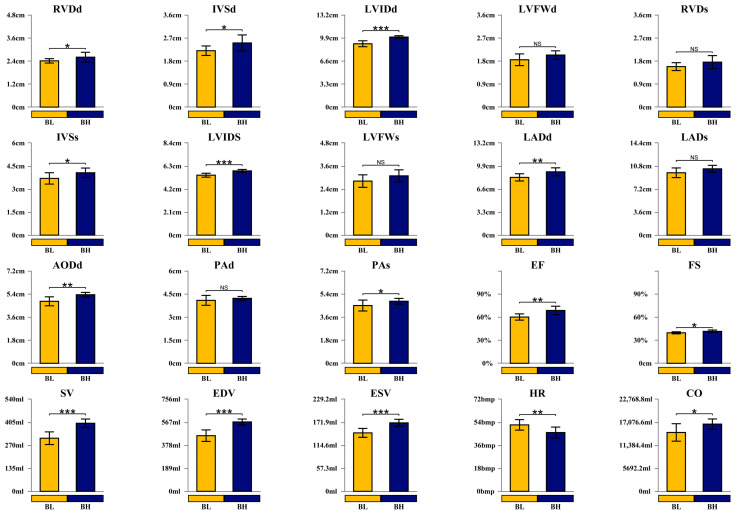 Figure 1
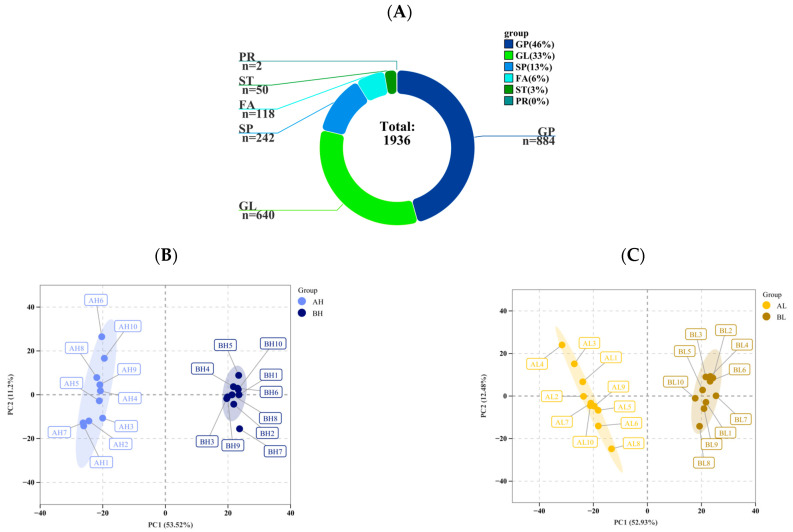 Figure 2
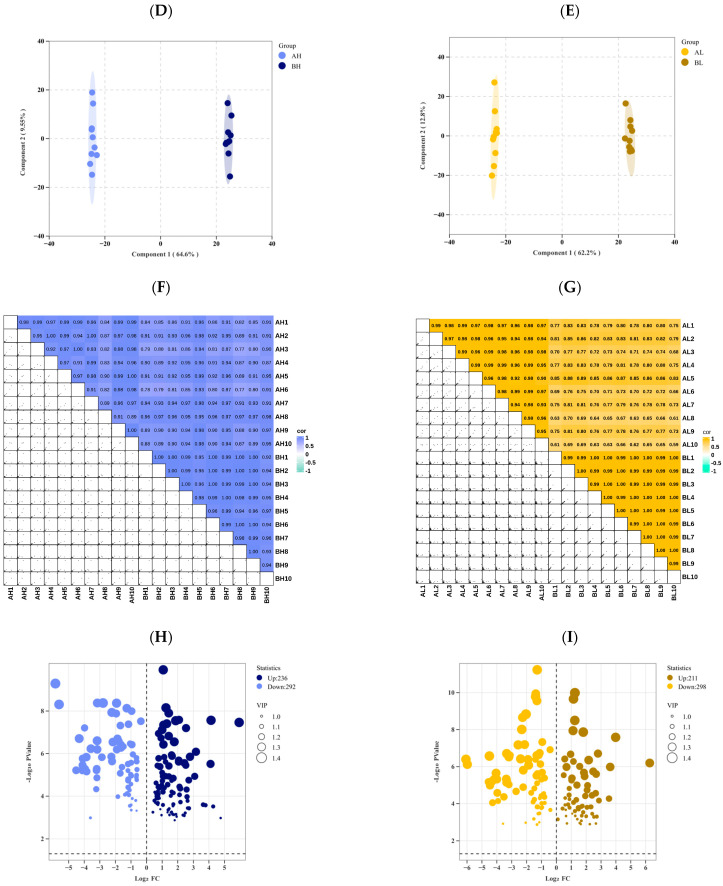 Figure 3
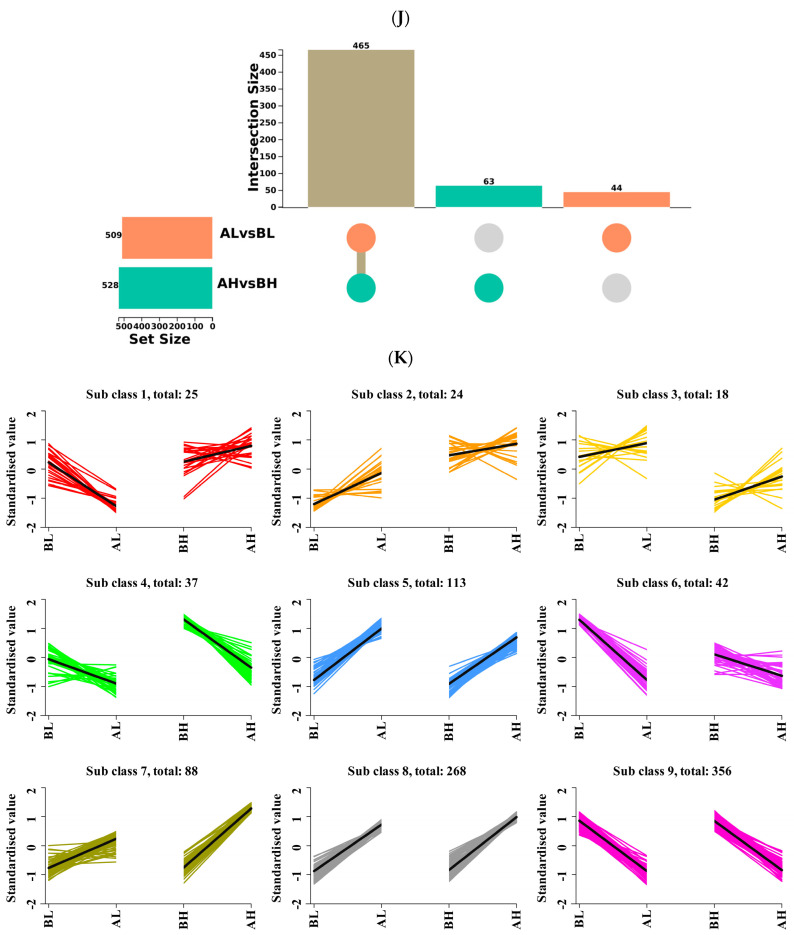 Figure 4
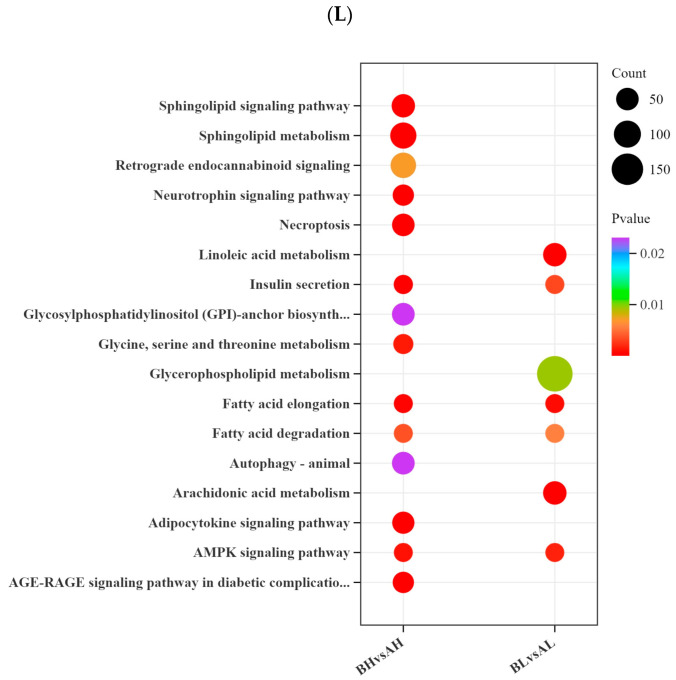 Figure 5
 Figure 6
 Figure 7
 Figure 8
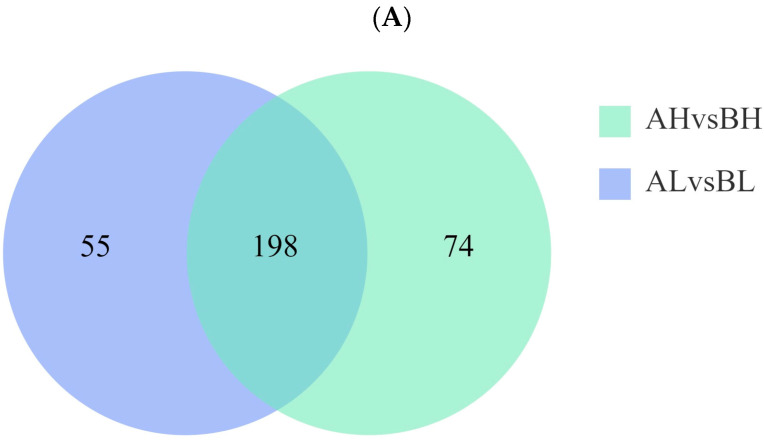 Figure 9
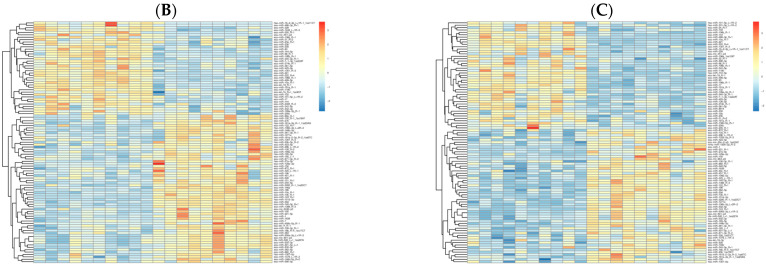 Figure 10
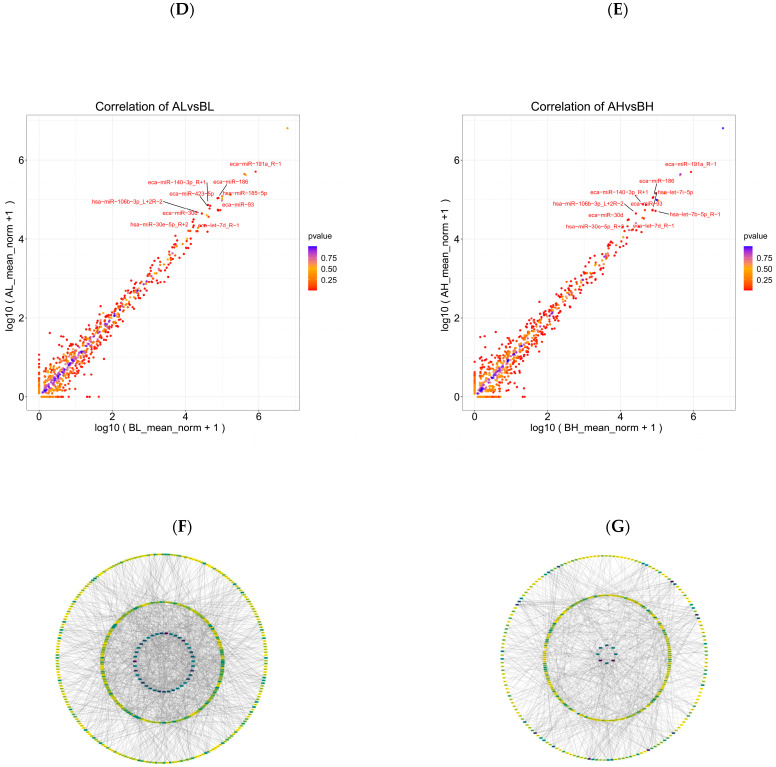 Figure 11
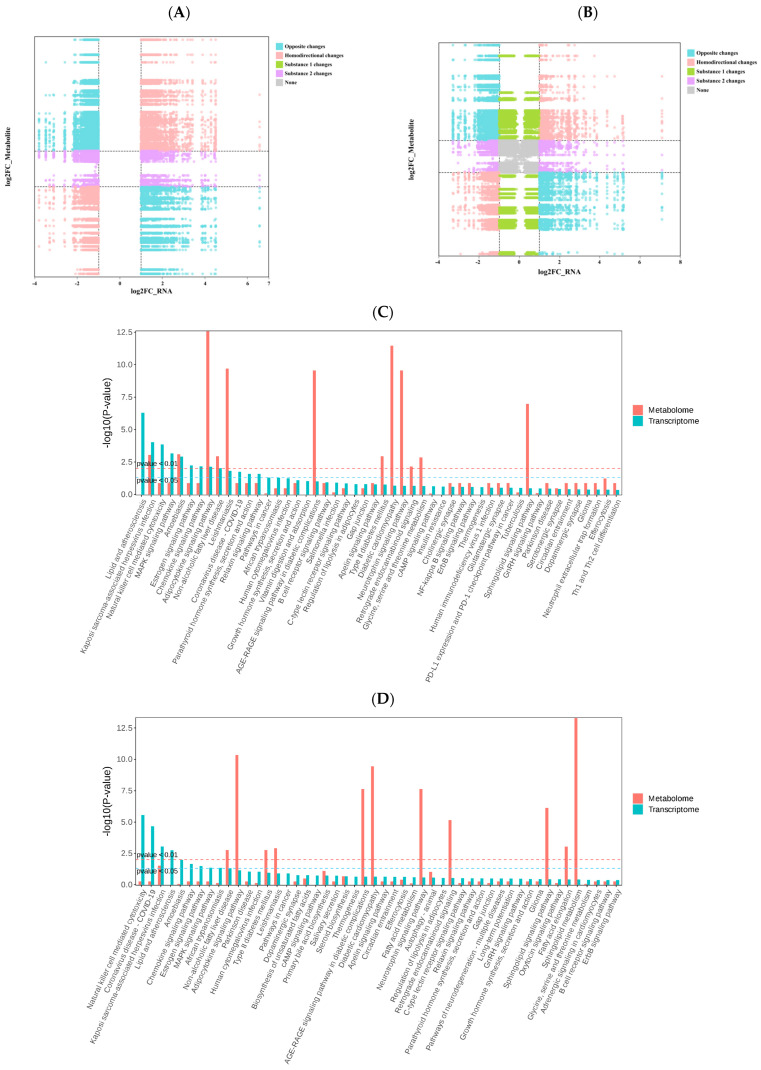 Figure 12
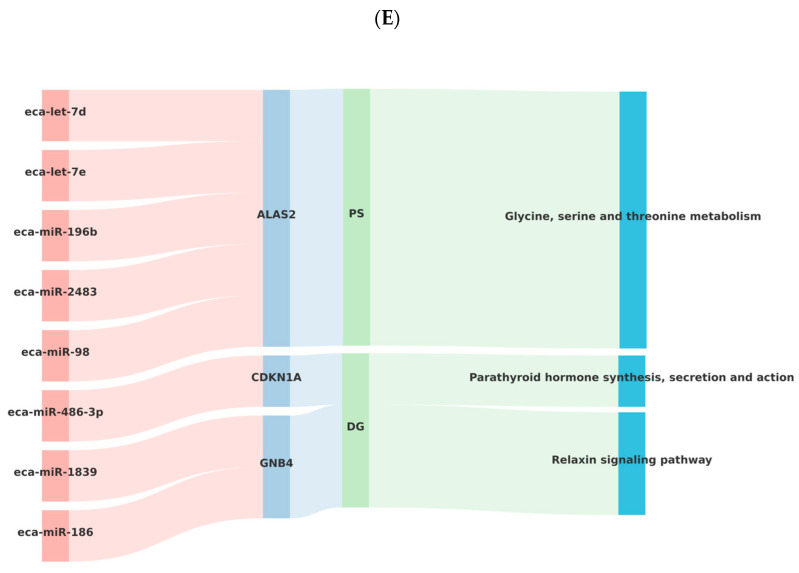 Figure 13
Peer Reviews
No public reviews on file for this paper yet. If you reviewed it on a platform where reviews are public (OpenReview, ICLR, NeurIPS, ICML), you can paste yours below so the community can read it here.
Videos
No videos yet. Explain this paper in a talk, walkthrough, or lecture? Add one.
Taxonomy
TopicsVeterinary Equine Medical Research · Cardiovascular Effects of Exercise · Congenital heart defects research