Mandibular Shape Variation, Allometry and Modularity in Adult Mesocephalic Dogs (Canis lupus familiaris): Insights into Morphological Integration and Animal Anatomy
Resef Contreras, Paulo Salinas

TL;DR
This study explores how the shape of dog mandibles varies, revealing modular patterns and limited size-related changes, which can aid veterinary anatomy and research.
Contribution
The study introduces a reproducible geometric morphometric analysis of mandibular modularity in mesocephalic dogs.
Findings
Mandibular shape variation is organized into modular regions like the ramus and coronoid process.
Shape variation is only slightly influenced by size (2.34% allometric effect).
Two statistically distinct mandibular configurations were identified in mesocephalic dogs.
Abstract
Understanding how the dog’s mandible varies in shape is important for veterinary anatomy, since this bone plays a key role in chewing, bite strength, and dental alignment. In this study, we analyzed the shape of 168 mandibles from adult mesocephalic dogs—those with balanced head proportions—using geometric morphometrics, a method that captures subtle shape differences through digital landmarks. The results showed two main mandibular configurations that overlapped widely but differed in the height of the coronoid process and the thickness of the mandibular ramus. Shape variation was only slightly related to size, meaning that larger mandibules did not necessarily differ in form. The mandible also showed a modular structure, composed of regions that vary partly independently, such as the ramus and angular process. These findings help explain how the dog’s mandible can be both functionally…
Genes, proteins, chemicals, diseases, species, mutations and cell lines named across the full text — each resolved to its canonical identifier and authoritative record.
Click any figure to enlarge with its caption.
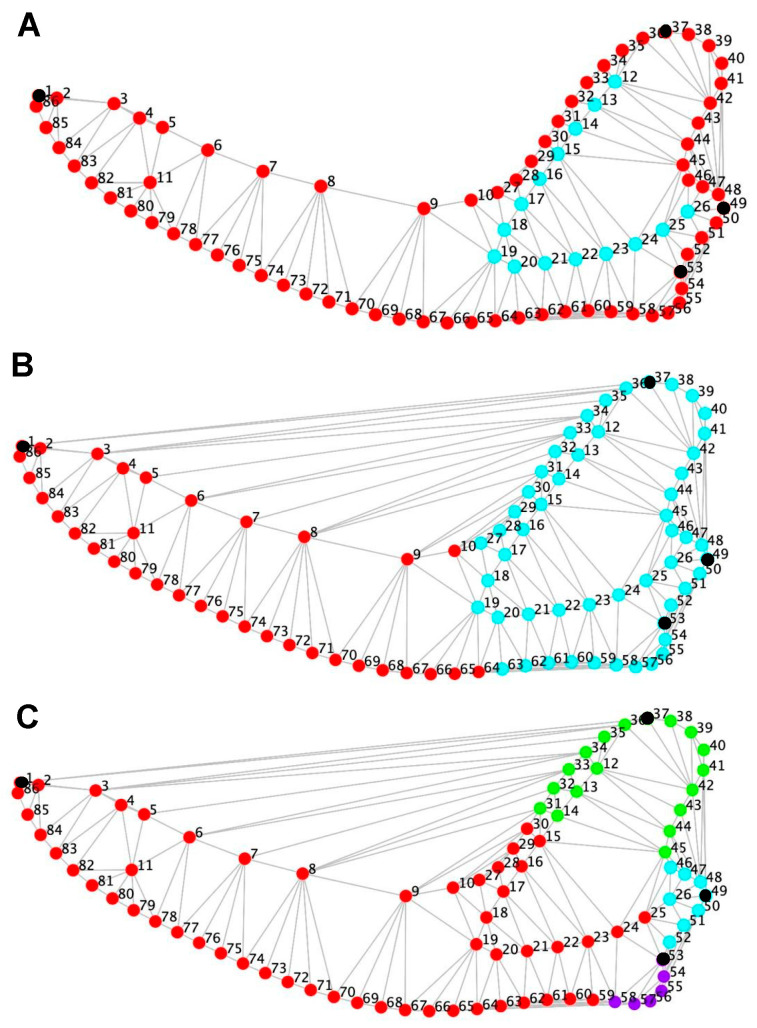 Figure 1
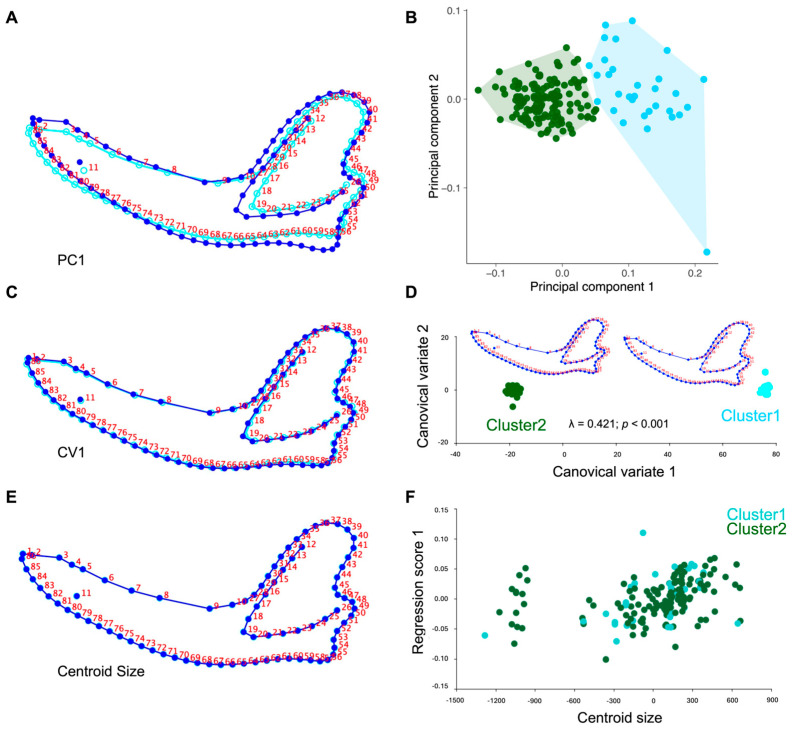 Figure 2
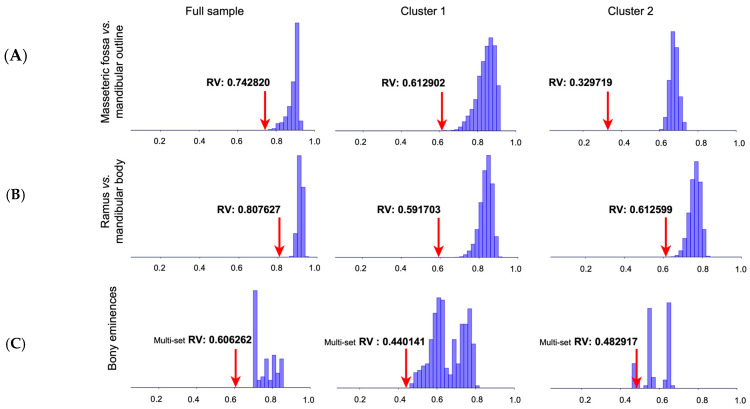 Figure 3
Peer Reviews
No public reviews on file for this paper yet. If you reviewed it on a platform where reviews are public (OpenReview, ICLR, NeurIPS, ICML), you can paste yours below so the community can read it here.
Videos
No videos yet. Explain this paper in a talk, walkthrough, or lecture? Add one.
Taxonomy
TopicsMorphological variations and asymmetry · Orthodontics and Dentofacial Orthopedics · Comparative Animal Anatomy Studies