Antimicrobial Consumption and Utilisation in Zambia: Results from the Analysis of National Data for the Human and Animal Health Sectors
Steward Mudenda, Joseph Yamweka Chizimu, Victor Daka, Maisa Kasanga, Webrod Mufwambi, Kelvin Mwangilwa, Jimmy Hangoma, Priscilla Gardner, Chikwanda Chileshe, Ntombi B. Mudenda, Taona Sinyawa, Amon Siame, Mwendalubi Hadunka, Fred Mulako Simwinji, Kaunda Kaunda, Mpela Chibi

TL;DR
This study analyzed antibiotic use in Zambia's human and animal health sectors from 2018 to 2023, finding high consumption of certain antibiotics and highlighting the need for better stewardship to combat antimicrobial resistance.
Contribution
The study provides the first national analysis of antimicrobial consumption in Zambia using standardized WHO methods, revealing trends and priority areas for intervention.
Findings
Oral antibiotics accounted for 88% of total consumption in human health, with penicillins, cephalosporins, and macrolides being the most used.
Tetracyclines dominated antimicrobial use in animal health at 63%, with AMU peaking in 2023.
47% of antibiotics consumed in human health belonged to the WHO Access group, while 40% were Watch group antibiotics.
Abstract
Background/Objectives: Antimicrobial Resistance (AMR) remains a growing public health threat, underscoring the need for robust surveillance of Antimicrobial Consumption (AMC) and Antimicrobial Use (AMU). This study analysed AMC and AMU trends in Zambia’s human and animal health sectors, identifying priority areas for antimicrobial stewardship (AMS) under a One Health framework. Methods: A retrospective study was conducted in February 2025, utilising data from 2018 to 2023. Sources of data included the Zambia Medicines Regulatory Authority (ZAMRA) and the WOAH Animal Antimicrobial Use (ANIMUSE) Global Database platform. AMC was analysed using the WHO Global Antimicrobial Resistance and Use Surveillance System (GLASS) methodology. Antimicrobials were classified using the WHO Anatomical Therapeutic Chemical (ATC) system, and consumption was measured in Defined Daily Doses (DDDs) per 1000…
Genes, proteins, chemicals, diseases, species, mutations and cell lines named across the full text — each resolved to its canonical identifier and authoritative record.
Click any figure to enlarge with its caption.
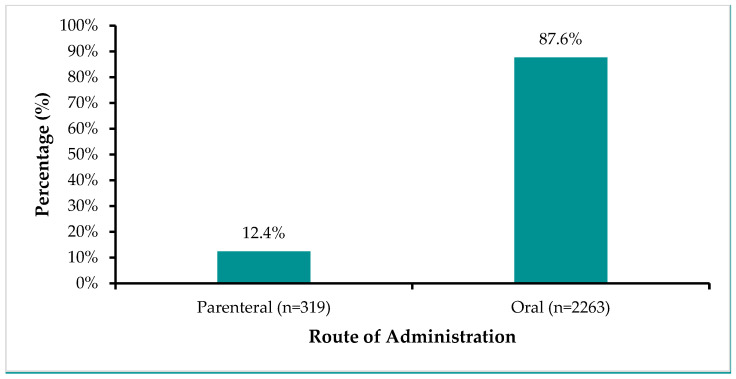 Figure 1
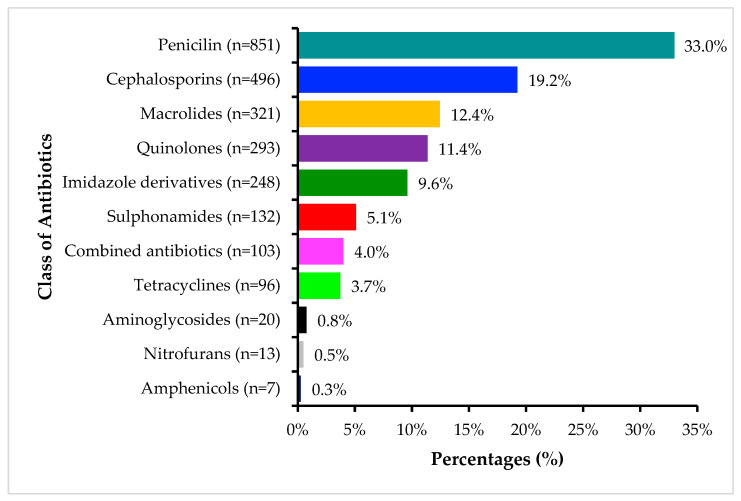 Figure 2
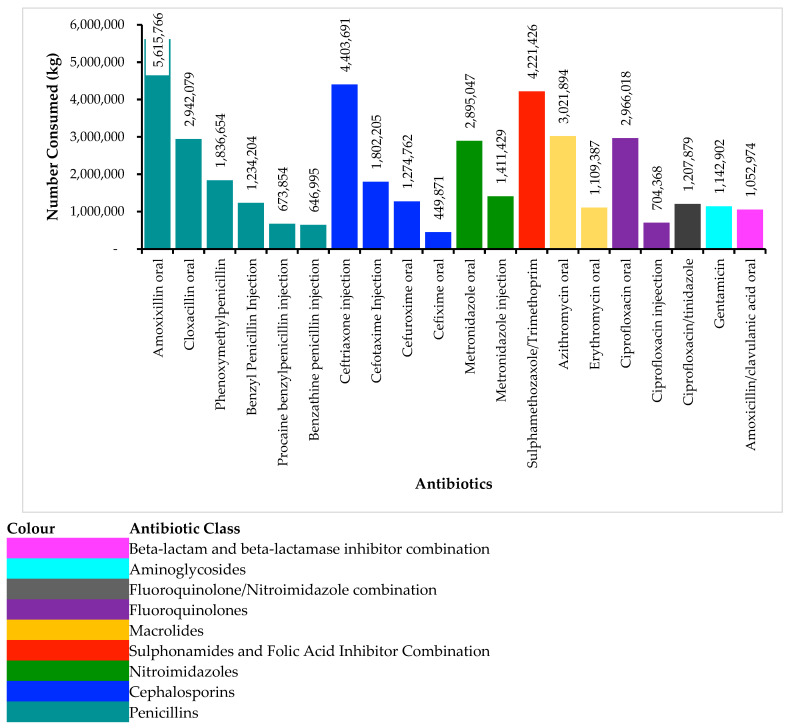 Figure 3
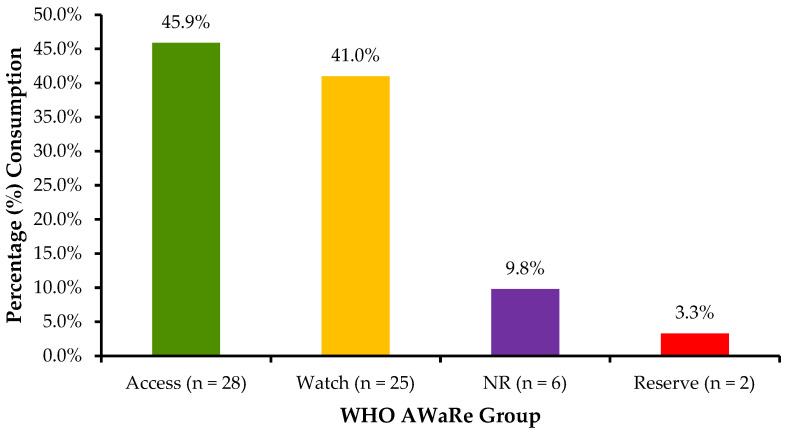 Figure 4
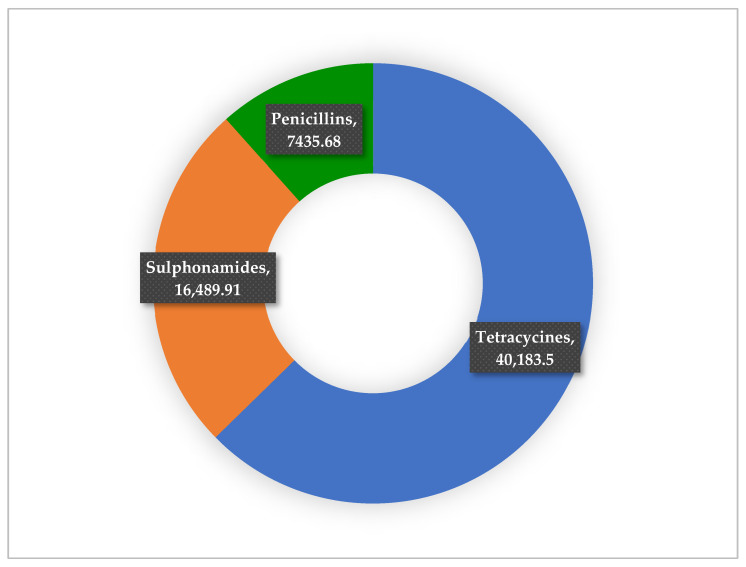 Figure 5
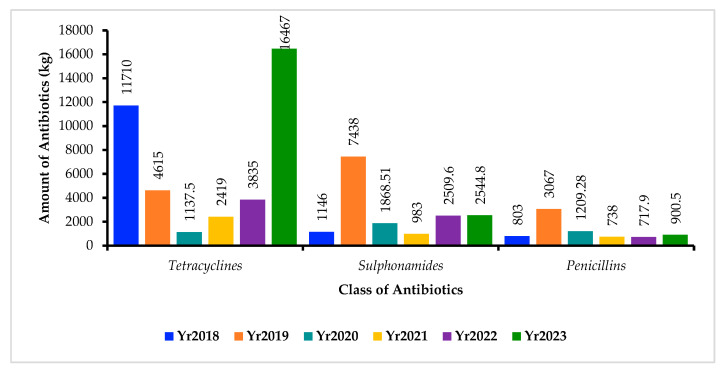 Figure 6
Peer Reviews
No public reviews on file for this paper yet. If you reviewed it on a platform where reviews are public (OpenReview, ICLR, NeurIPS, ICML), you can paste yours below so the community can read it here.
Videos
No videos yet. Explain this paper in a talk, walkthrough, or lecture? Add one.
Taxonomy
TopicsAntibiotic Use and Resistance · Pharmaceutical and Antibiotic Environmental Impacts · Zoonotic diseases and public health