Parthenolide Restores Testosterone Biosynthesis After Nanoplastic Exposure by Blocking ROS-Driven NF-κB Nuclear Translocation
Peng Zhao, Hao Yan, Runchang Wang, Jie Zhao, Xiangqin Zheng, Dinggang Li, Xitong Guo, Fengming Ji, Chunlan Long, Lianju Shen, Guanghui Wei, Shengde Wu

TL;DR
Nanoplastics harm male reproduction by disrupting testosterone production, but parthenolide may reverse this effect by blocking harmful molecular pathways.
Contribution
Parthenolide is identified as a novel small molecule to counter nanoplastic-induced reproductive toxicity through inhibiting NF-κB nuclear translocation.
Findings
PS-NPs disrupt testosterone biosynthesis in immature testes via ROS/NF-κB/p65–SF-1 pathway.
Parthenolide reverses PS-NP-induced testosterone synthesis impairment in vitro.
NF-κB activation and p65–SF-1 binding form a repressor complex targeting steroidogenic genes.
Abstract
Nanoplastics are pervasive contaminants that adversely affect male reproductive function, yet the molecular basis of polystyrene nanoplastic (PS-NP) toxicity in immature testes and effective preventive strategies remain unclear. Here, male mice (postnatal days 22–35, PND 22–35) and TM3 Leydig cells were exposed to graded PS-NPs, followed by transcriptomic profiling to identify differentially expressed genes (DEGs). Candidate therapeutics were prioritized using Connectivity Map (CMap) analysis and molecular docking, and protein interactions were examined by co-immunoprecipitation (Co-IP). PS-NPs accumulated in immature testes, eliciting excessive reactive oxygen species (ROS) and activation of NF-κB. These events coincided with the downregulation of steroidogenic enzymes (CYP11A1 and StAR) and disruption of testicular microarchitecture. In TM3 cells, PS-NPs suppressed testosterone…
Genes, proteins, chemicals, diseases, species, mutations and cell lines named across the full text — each resolved to its canonical identifier and authoritative record.
Click any figure to enlarge with its caption.
 Figure 1
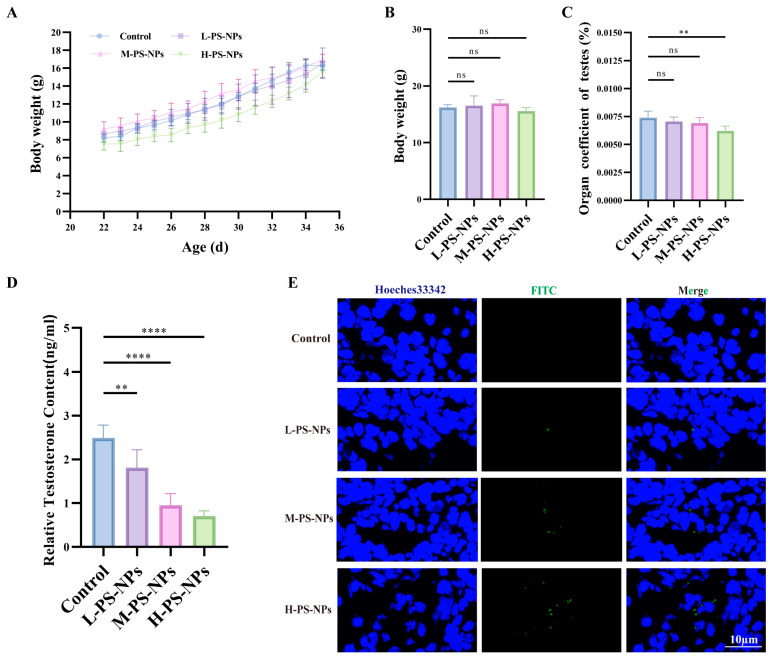 Figure 2
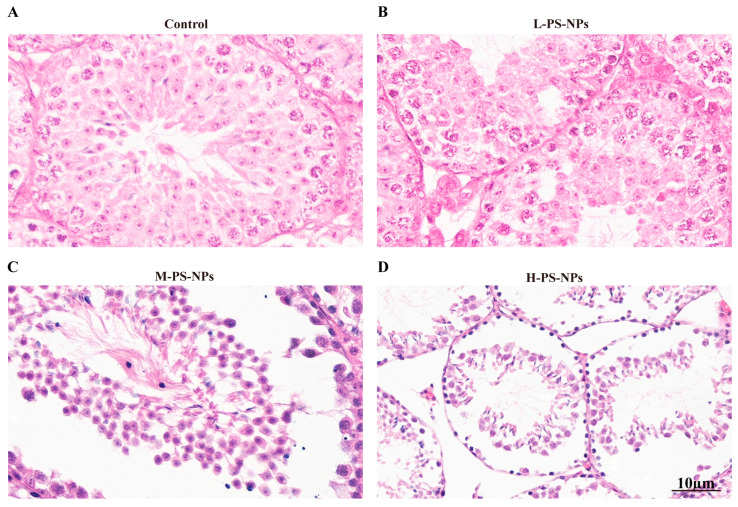 Figure 3
 Figure 4
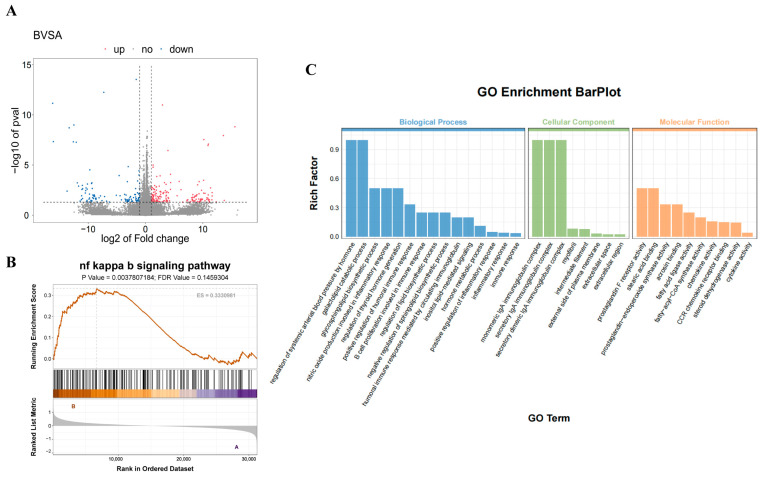 Figure 5
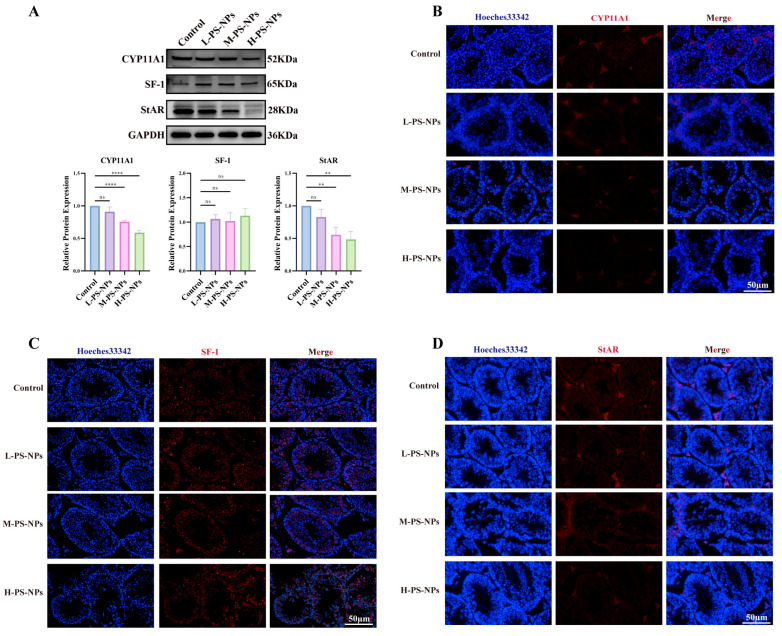 Figure 6
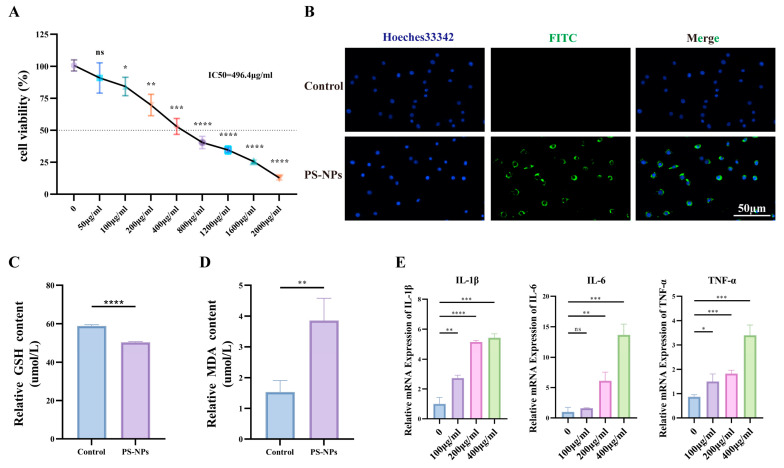 Figure 7
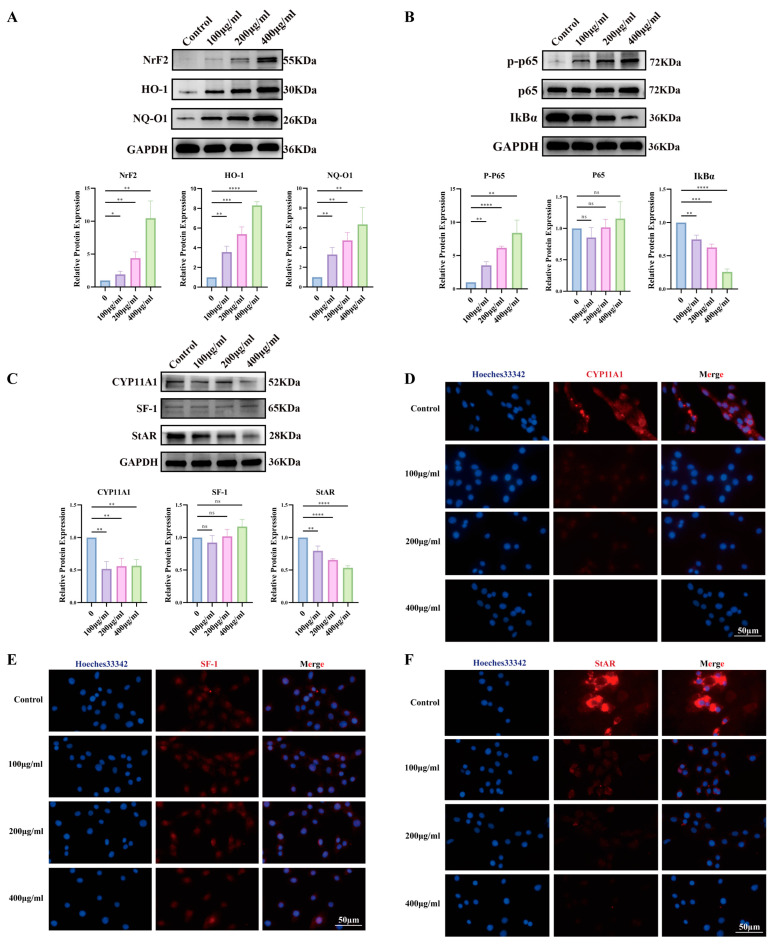 Figure 8
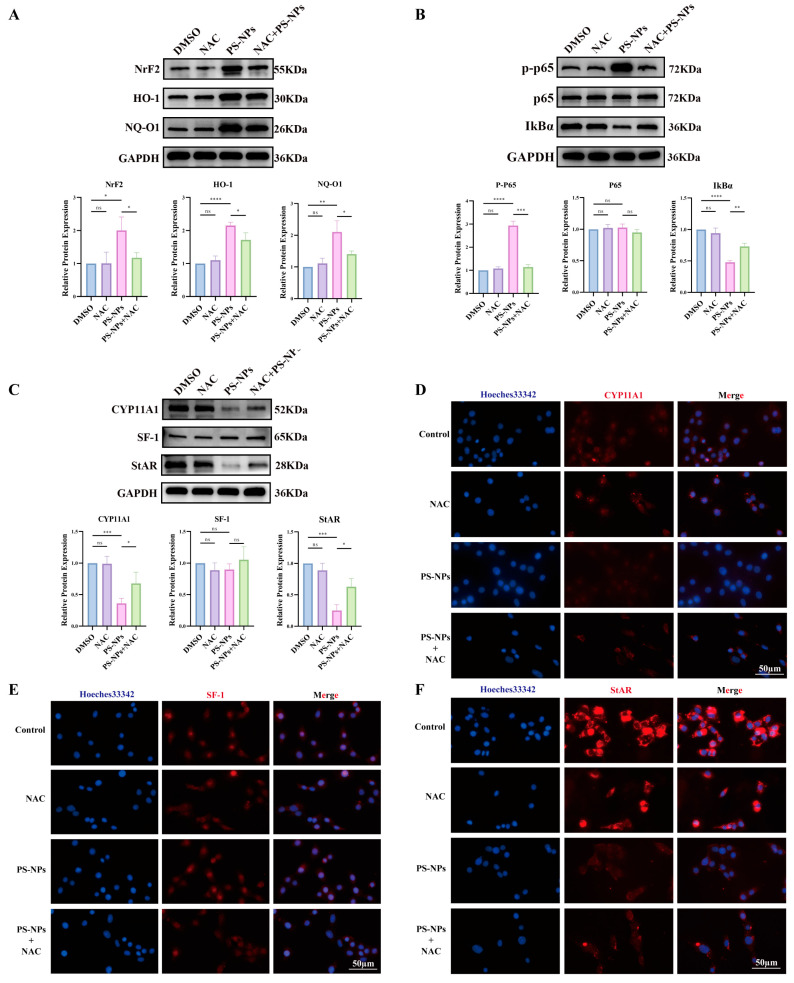 Figure 9
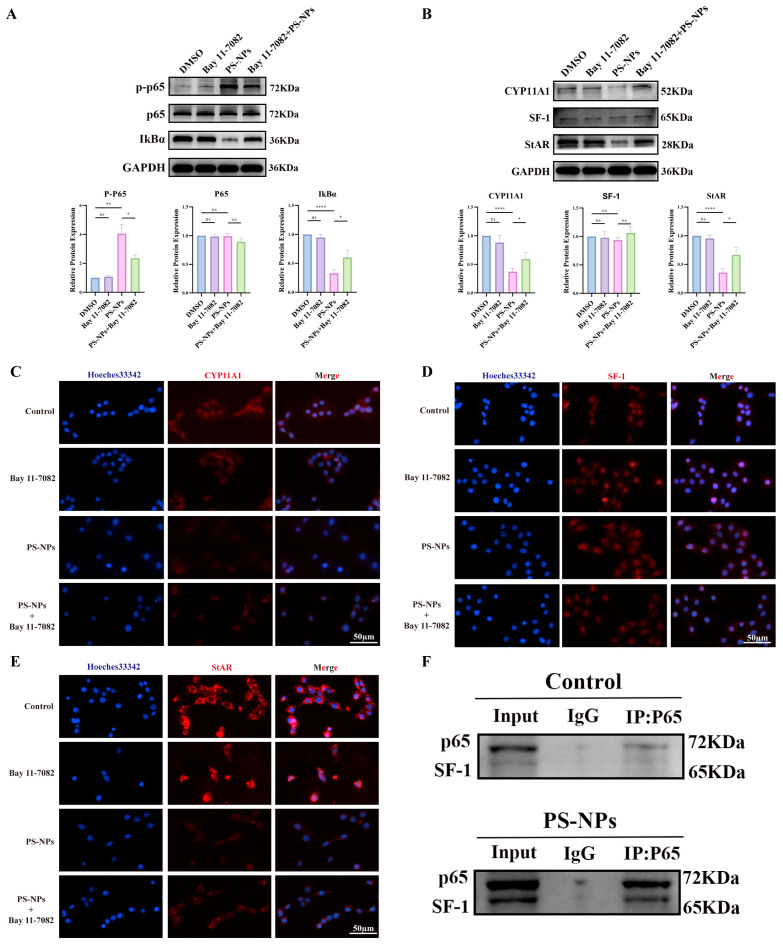 Figure 10
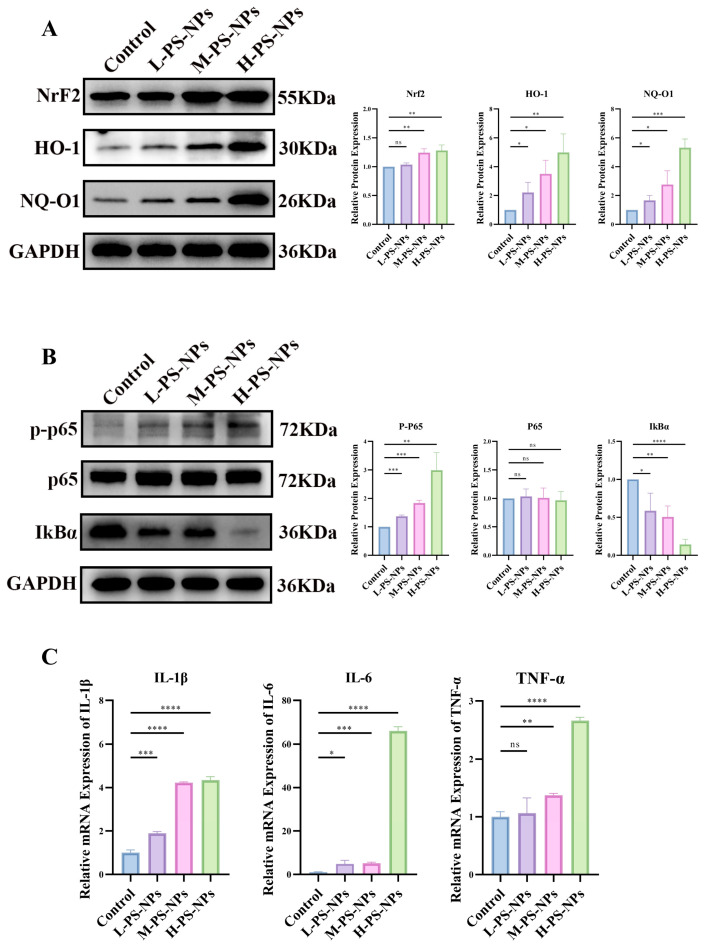 Figure 11
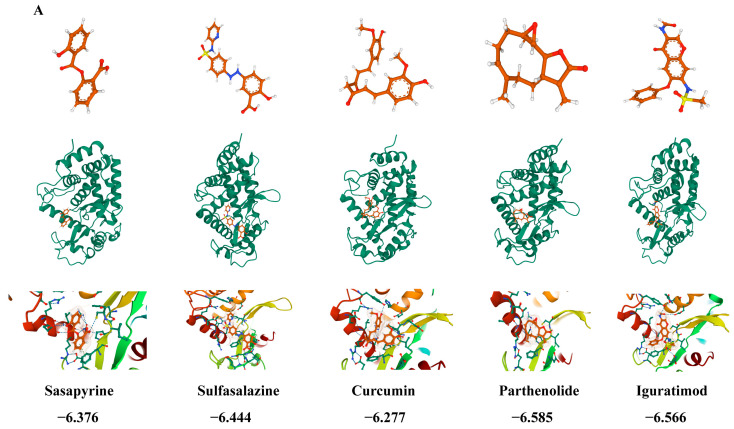 Figure 12
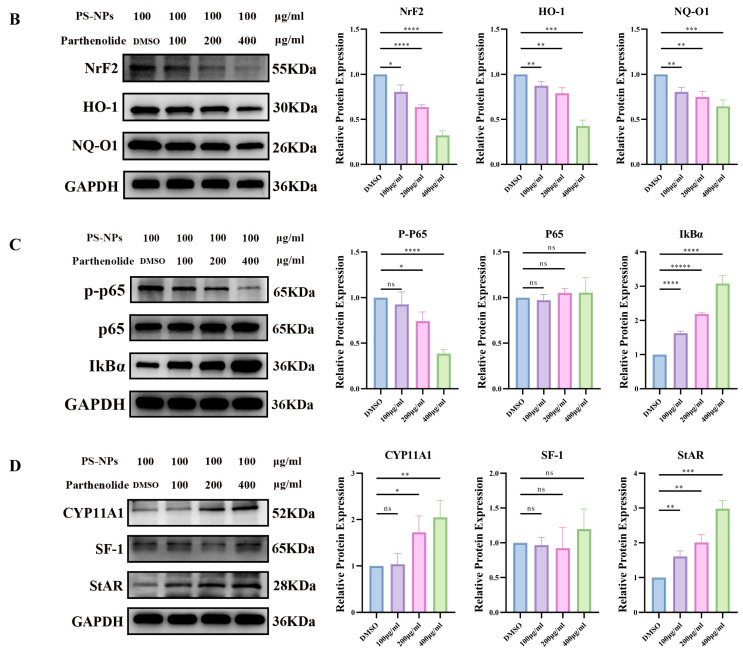 Figure 13
Peer Reviews
No public reviews on file for this paper yet. If you reviewed it on a platform where reviews are public (OpenReview, ICLR, NeurIPS, ICML), you can paste yours below so the community can read it here.
Videos
No videos yet. Explain this paper in a talk, walkthrough, or lecture? Add one.
Taxonomy
TopicsMicroplastics and Plastic Pollution · Effects and risks of endocrine disrupting chemicals · biodegradable polymer synthesis and properties