Olivomycin A Targets Epithelial–Mesenchymal Transition, Apoptosis, and Mitochondrial Quality Control in Renal Cancer Cells
Ching-Yu Hsieh, Yih-Farng Liou, Yu-Tung Shih, Alexander S. Tikhomirov, Andrey E. Shchekotikhin, Pin Ju Chueh

TL;DR
Olivomycin A shows anticancer effects in kidney cancer by targeting cell migration, cell death, and mitochondrial health.
Contribution
Olivomycin A is shown to target EMT, apoptosis, and mitochondrial quality control in renal cancer cells with different p53 statuses.
Findings
Olivomycin A inhibits cell migration and reverses epithelial–mesenchymal transition in renal cancer cells.
Apoptosis is induced through p53-dependent and p53-independent mechanisms in different cancer cell lines.
Mitochondrial quality control is enhanced in p53-mutant cells treated with olivomycin A.
Abstract
Here, we show that the aureolic acid-class antibiotic, olivomycin A, exerts potent anticancer activity in renal cell carcinoma (RCC) by disrupting both cell survival and metastatic programs. In A-498 (wild-type p53) and 786-O (loss-of-function in p53 and PTEN) cells, olivomycin A markedly inhibited migratory capacity and reversed epithelial–mesenchymal transition (EMT), as shown by downregulation of nuclear Snail and the mesenchymal marker N-cadherin and restoration of the epithelial markers, E-cadherin and ZO-1. In parallel, olivomycin A induced apoptosis through distinct p53-dependent mechanisms: In A-498 cells, apoptosis was primarily mediated through the intrinsic pathway, characterized by the upregulation of Puma, Bak, and activation of caspase-9. In 786-O cells, caspase-8 activation and Bid truncation were observed alongside mitochondrial involvement, suggesting possible…
Genes, proteins, chemicals, diseases, species, mutations and cell lines named across the full text — each resolved to its canonical identifier and authoritative record.
Click any figure to enlarge with its caption.
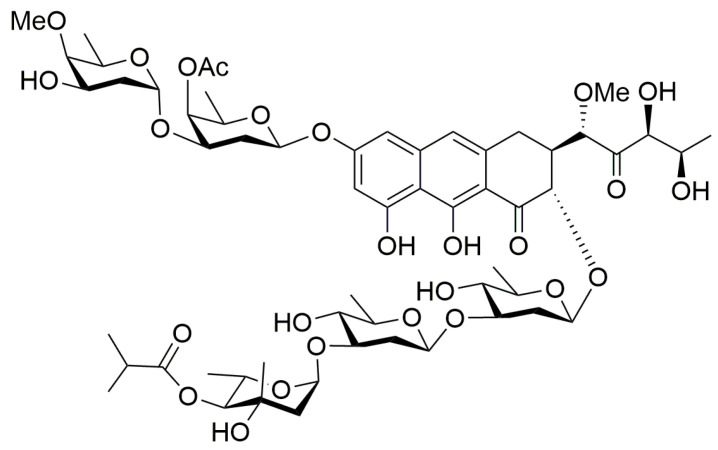 Figure 1
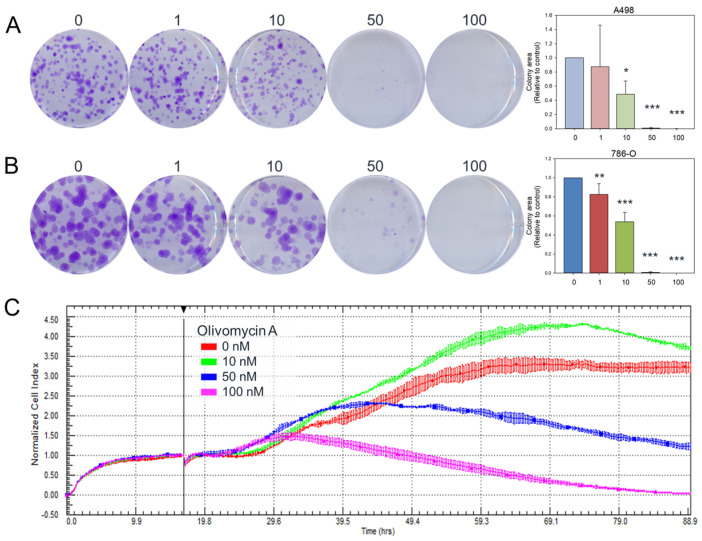 Figure 2
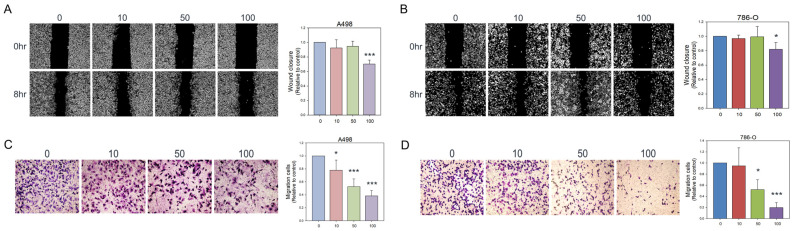 Figure 3
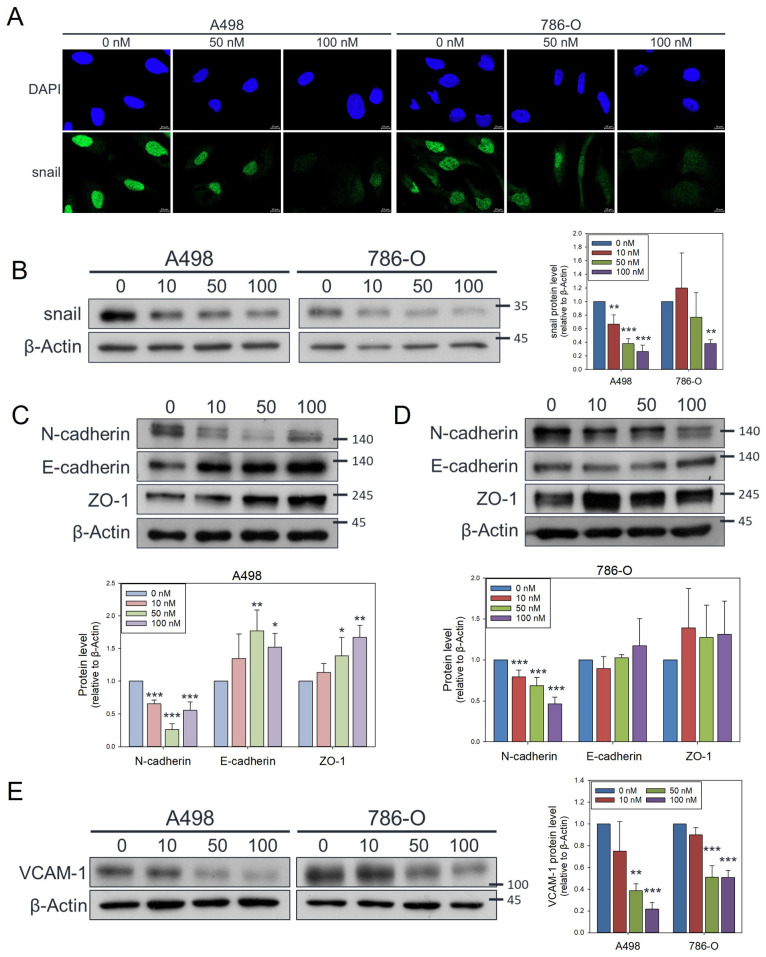 Figure 4
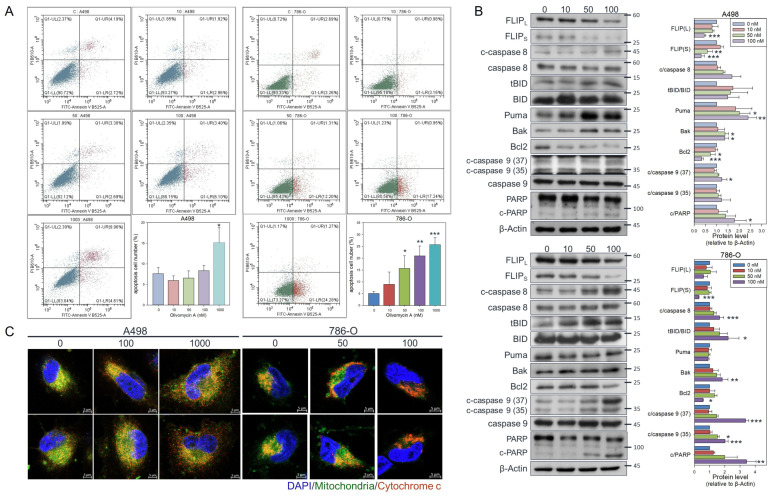 Figure 5
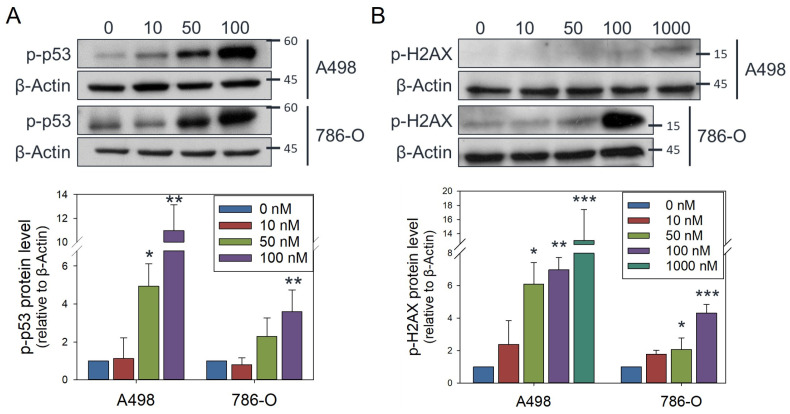 Figure 6
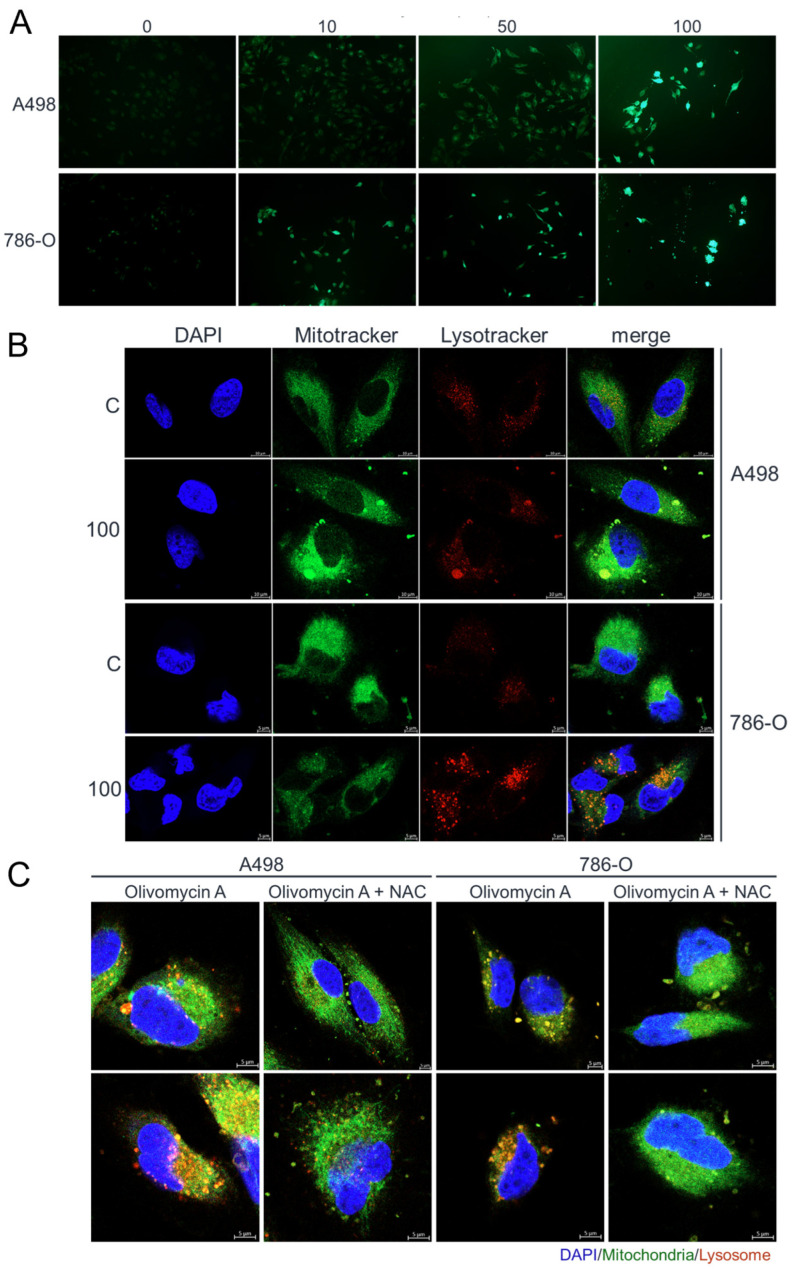 Figure 7
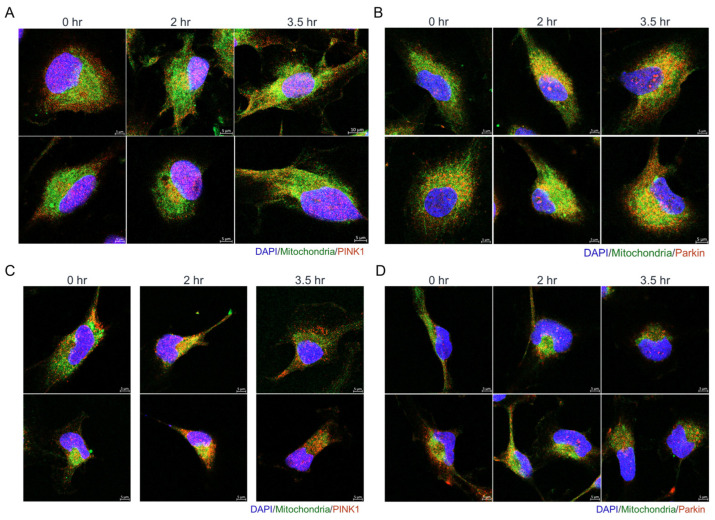 Figure 8
Peer Reviews
No public reviews on file for this paper yet. If you reviewed it on a platform where reviews are public (OpenReview, ICLR, NeurIPS, ICML), you can paste yours below so the community can read it here.
Videos
No videos yet. Explain this paper in a talk, walkthrough, or lecture? Add one.
Taxonomy
TopicsCancer Cells and Metastasis · PI3K/AKT/mTOR signaling in cancer · Cancer Mechanisms and Therapy