Hyperosmolarity-Induced Oxidative Stress Leads to Senescence in Human Corneal Epithelial Cells (HCEPC) via DNA Damage, Metabolic Disturbance and Mitophagy Decline
Yongjie Zhang, Tingjun Fan

TL;DR
Hyperosmotic stress causes aging in corneal cells through DNA damage and mitochondrial issues, and boosting autophagy could help treat dry eye disease.
Contribution
This study identifies autophagy as a key protective mechanism against hyperosmolarity-induced cell senescence in corneal epithelial cells.
Findings
Hyperosmotic stress leads to corneal cell senescence via mitochondrial dysfunction and oxidative stress.
Enhancing autophagy with LYN-1604 reduces oxidative stress and delays senescence in corneal cells.
Autophagy inhibition worsens hyperosmolarity-induced DNA damage and metabolic decline.
Abstract
Background: Dry eye disease (DED), characterized by tear film hyperosmolarity, can lead to corneal epithelial damage. The mechanisms linking hyperosmotic stress to human corneal epithelial cell (HCEPC) damage are not fully understood. Methods: A DED model was established by exposing HCEPCs to sustained hyperosmotic stress (400 mOsm/L) over multiple passages in vitro. Senescence was assessed using senescence-associated-β-galactosidase (SA-β-gal) staining, 5-ethynyl-2′-deoxyuridine (EdU) assays, p16INK4A and senescence-associated secretory phenotypes (SASP) analysis. Mechanisms were investigated by measuring reactive oxygen species (ROS), mitochondrial function, energy metabolism, DNA damage, and inflammatory signaling. The role of autophagy was probed pharmacologically. Results: Hyperosmotic stress induced HCEPC senescence, driven by mitochondrial dysfunction, oxidative stress, DNA…
Genes, proteins, chemicals, diseases, species, mutations and cell lines named across the full text — each resolved to its canonical identifier and authoritative record.
Click any figure to enlarge with its caption.
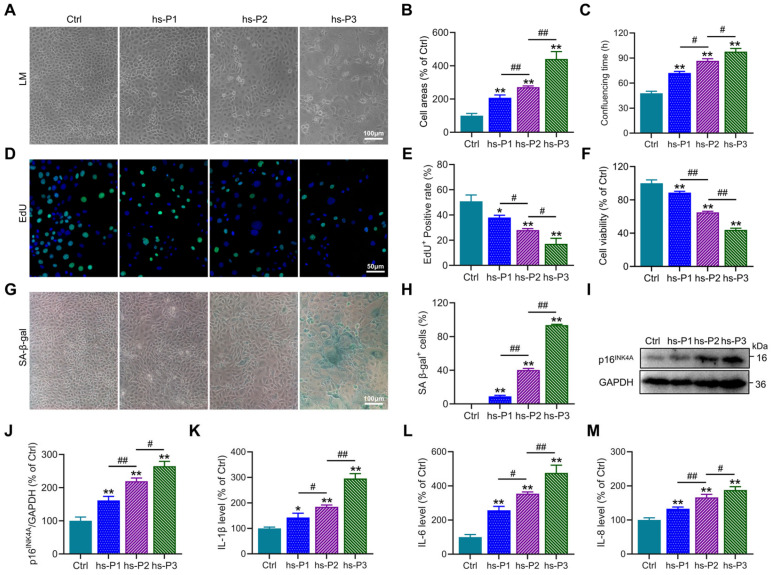 Figure 1
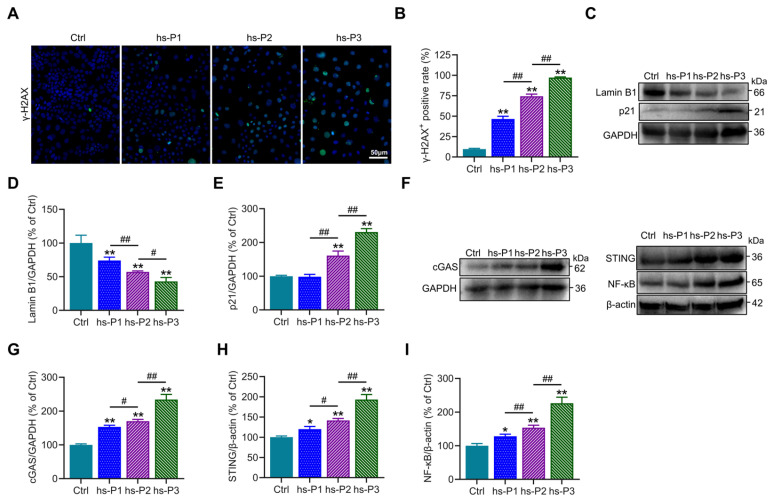 Figure 2
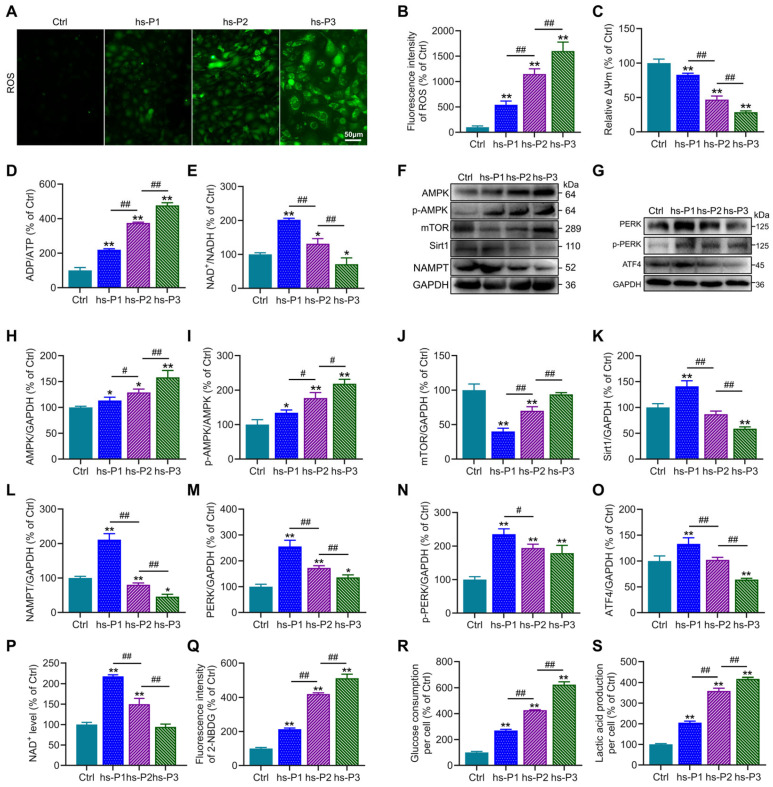 Figure 3
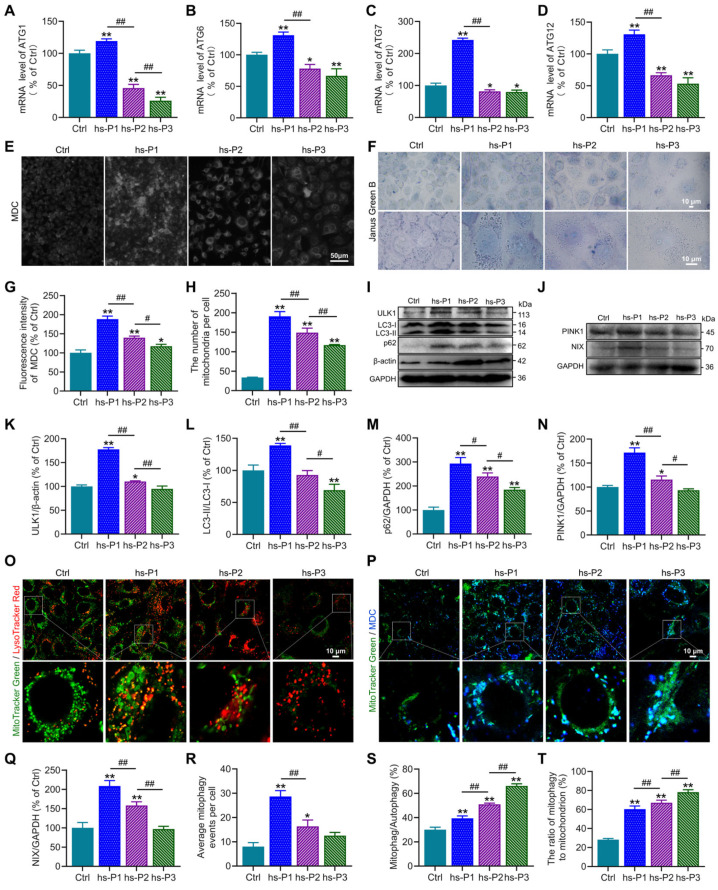 Figure 4
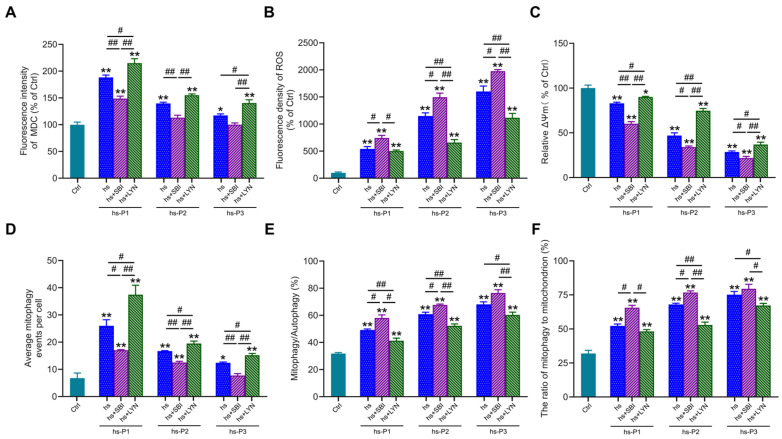 Figure 5
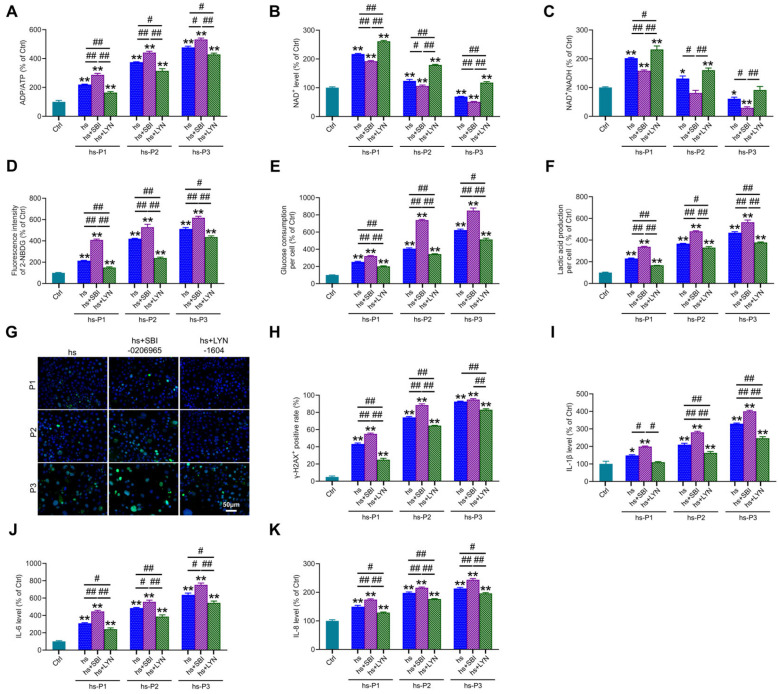 Figure 6
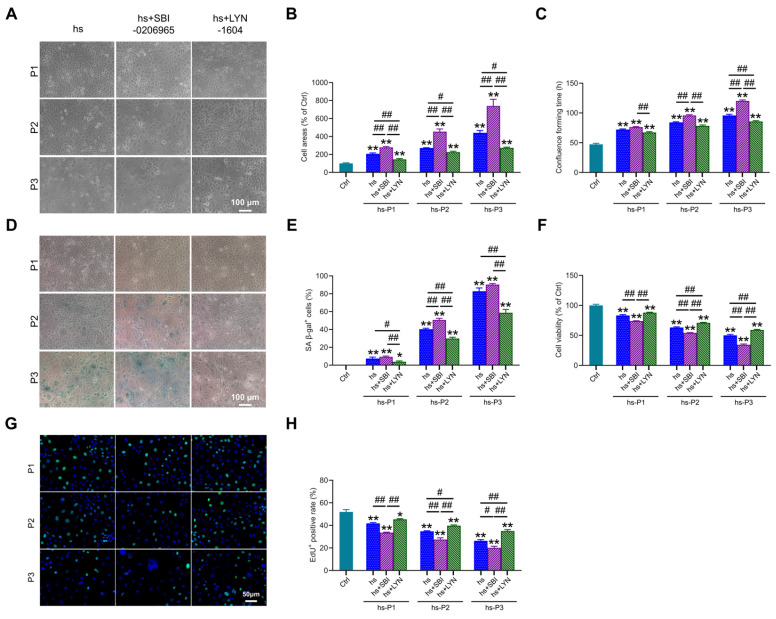 Figure 7
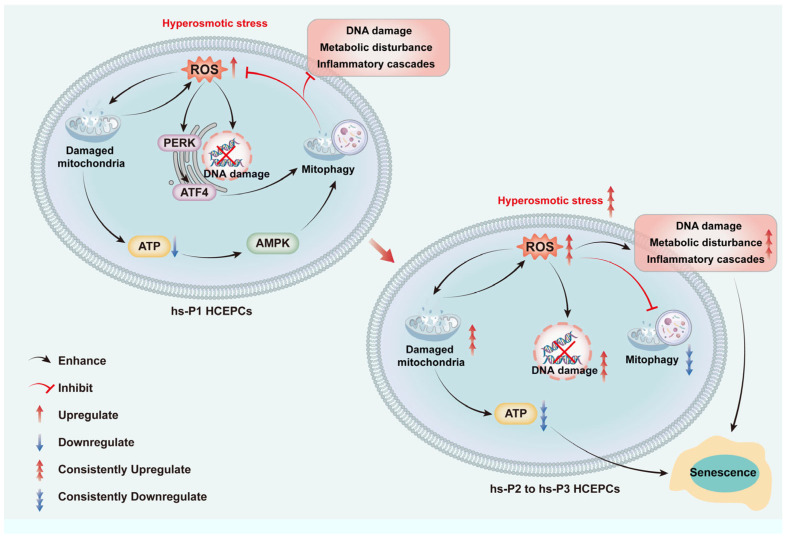 Figure 8
Peer Reviews
No public reviews on file for this paper yet. If you reviewed it on a platform where reviews are public (OpenReview, ICLR, NeurIPS, ICML), you can paste yours below so the community can read it here.
Videos
No videos yet. Explain this paper in a talk, walkthrough, or lecture? Add one.
Taxonomy
TopicsCorneal Surgery and Treatments · Ocular Surface and Contact Lens · Advanced Glycation End Products research