Investigation into Bioactive Selenium Species and the Mechanism of Action Behind Selenium-Enriched Rapeseed Flowering Stalks Alleviating Cadmium-Induced Toxicity in Mouse Sertoli Cells
Huatao Che, Yiqing Lu, Tong Li, Xiaoli Fang, Xinfa Wang, Hanzhong Wang, Xiaoling Dun, Zhenna Chen

TL;DR
This study explores how selenium-enriched rapeseed flowering stalks protect mouse Sertoli cells from cadmium toxicity.
Contribution
The study identifies specific bioactive selenium compounds and their mechanisms in mitigating cadmium-induced cytotoxicity.
Findings
Water extract from selenium-enriched rapeseed flowering stalks showed the highest protective effect against cadmium toxicity.
Methylselenocysteine and selenocystine were identified as key bioactive selenium species.
The protective mechanisms involve reducing oxidative damage and inhibiting MAPK signaling pathways.
Abstract
Cadmium (Cd) is a recognized environmental contaminant, present in soil, water, and food, which has been reported to cause male reproductive damage in vivo and vitro. Selenium-enriched rapeseed flowering stalks exhibit protective effects against Cd-induced reproductive damage, yet the bioactive components and underlying mechanisms remain unclear. We optimized the process of obtaining the crude extract (CE) via single-factor experiments. Subsequent bioassay-guided fractionation identified the water extract (WE) as significantly more effective in alleviating Cd-induced cytotoxicity compared to the petroleum ether extract, ethyl acetate extract, and n-butanol extract. High-performance liquid chromatography–inductively coupled plasma mass spectrometry (HPLC-ICP-MS) analysis revealed that WE contained the highest contents of methylselenocysteine (MeSeCys) and selenocystine (SeCys2) among…
Genes, proteins, chemicals, diseases, species, mutations and cell lines named across the full text — each resolved to its canonical identifier and authoritative record.
Click any figure to enlarge with its caption.
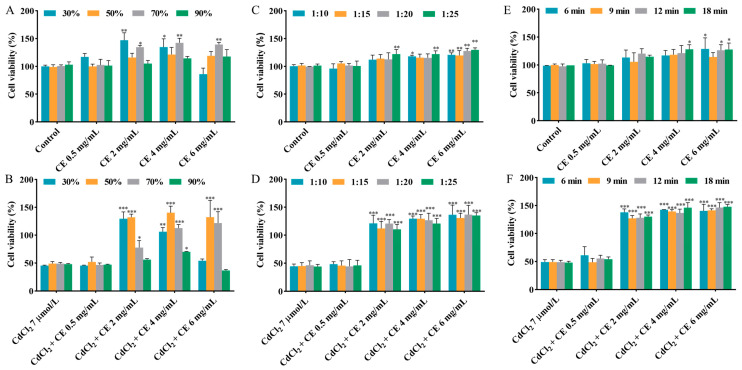 Figure 1
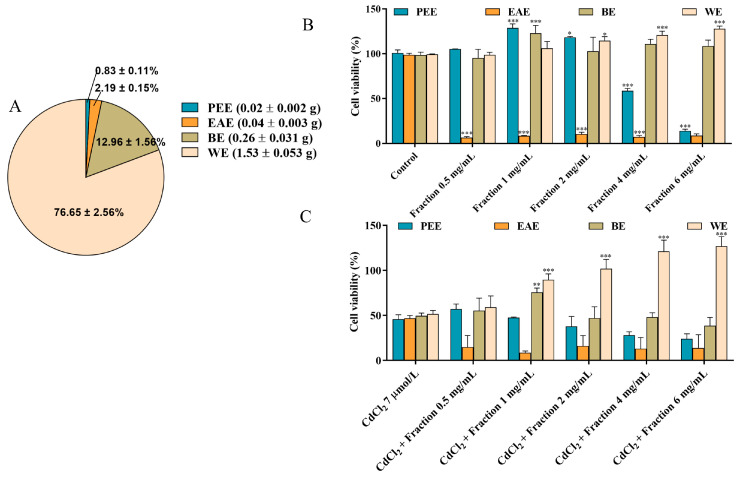 Figure 2
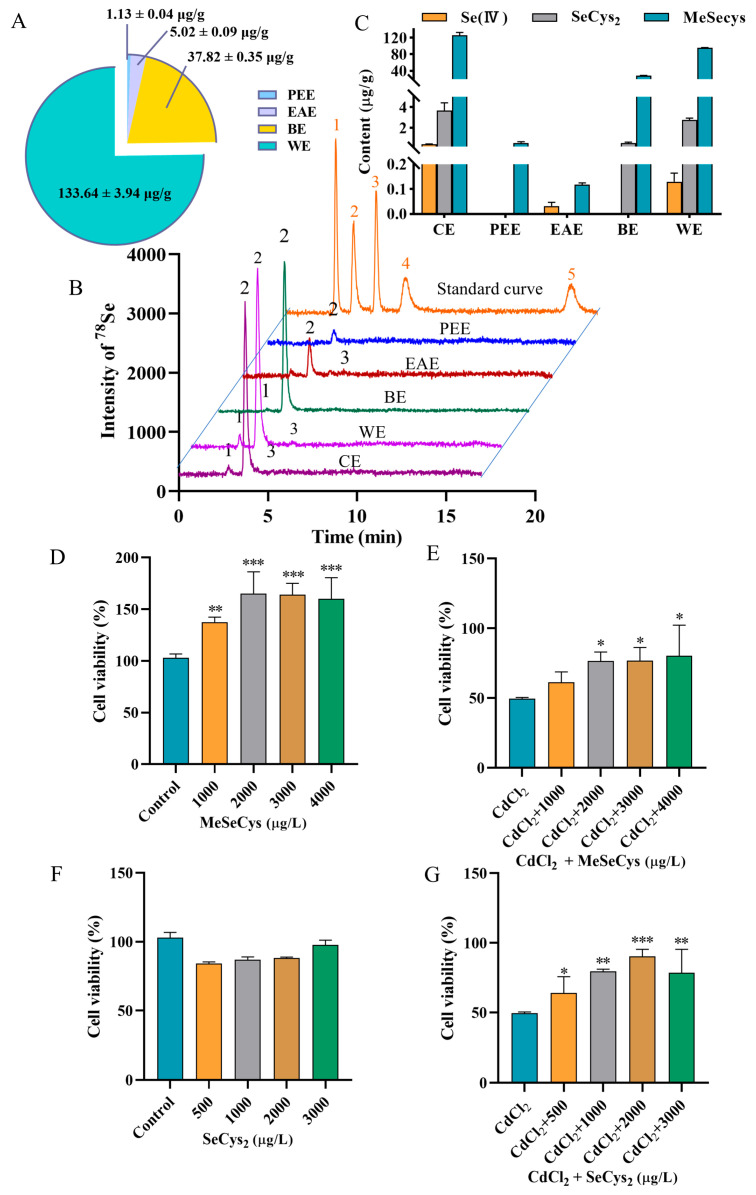 Figure 3
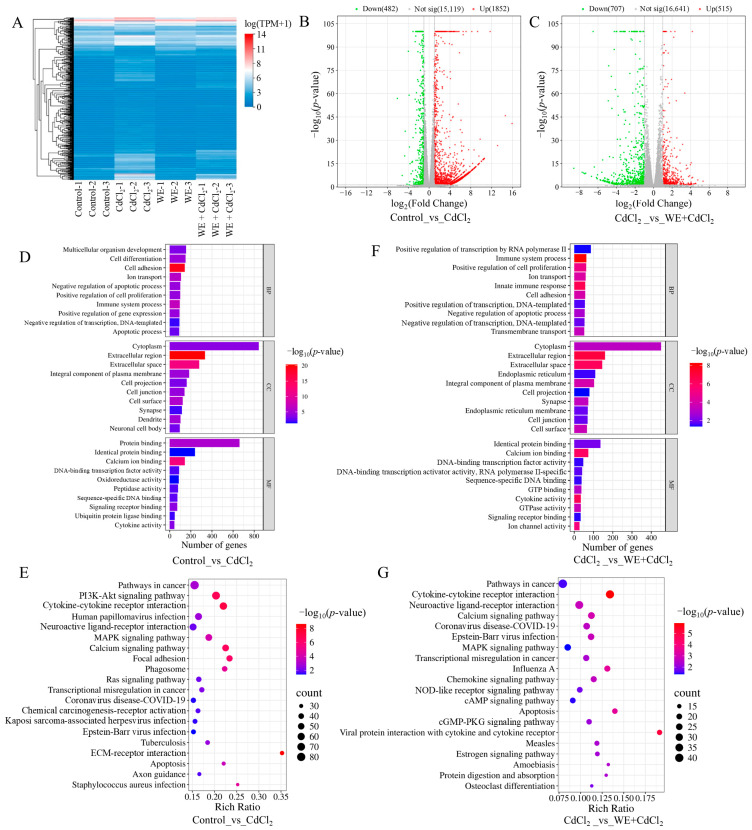 Figure 4
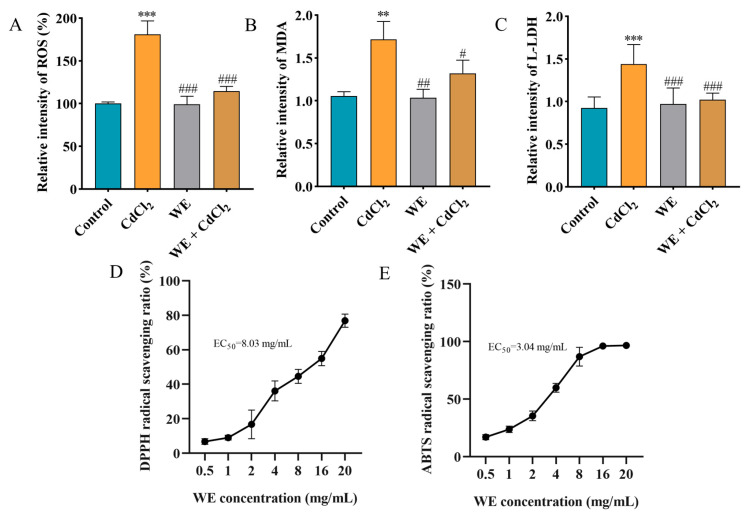 Figure 5
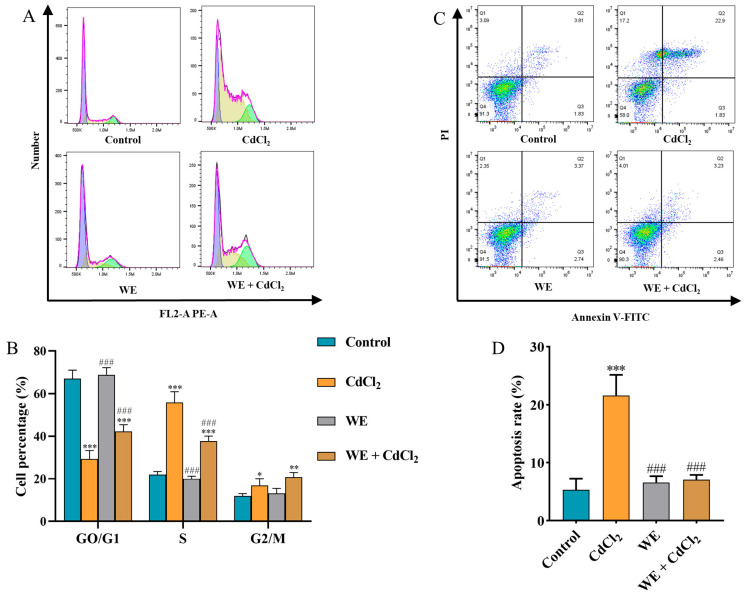 Figure 6
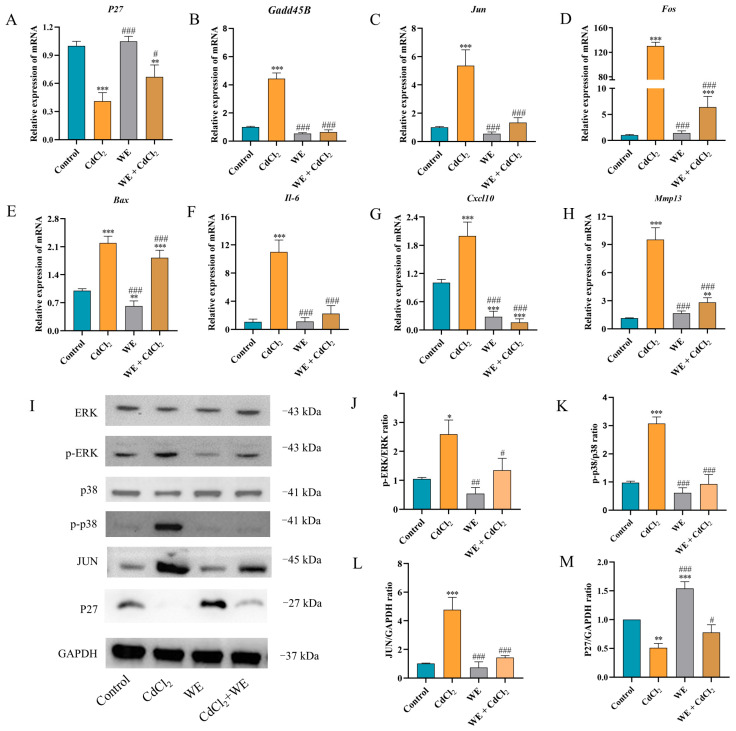 Figure 7
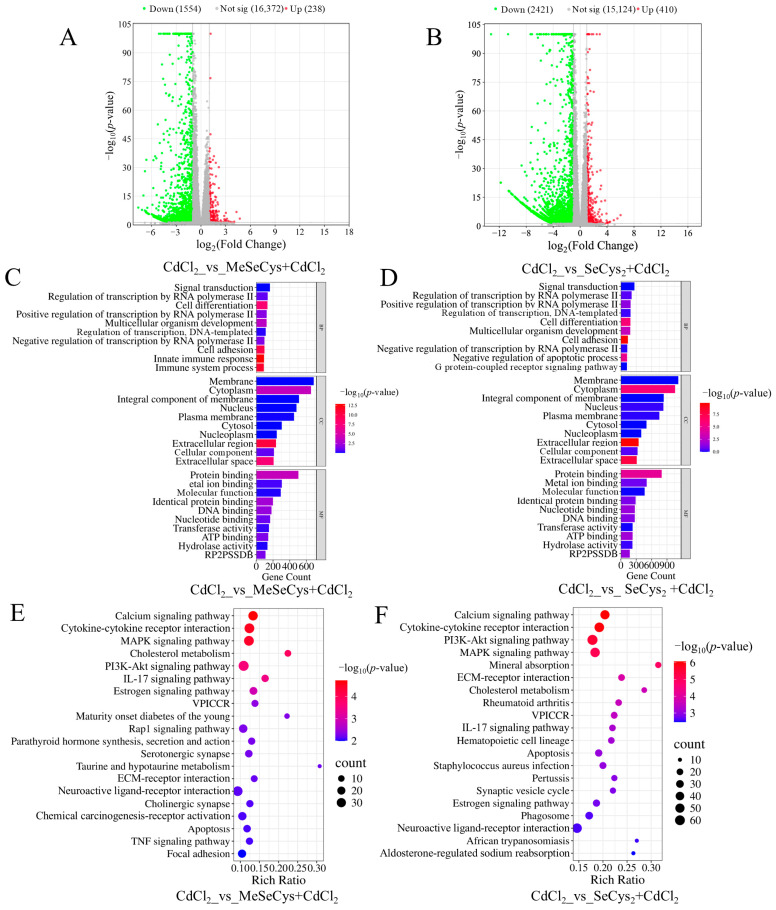 Figure 8
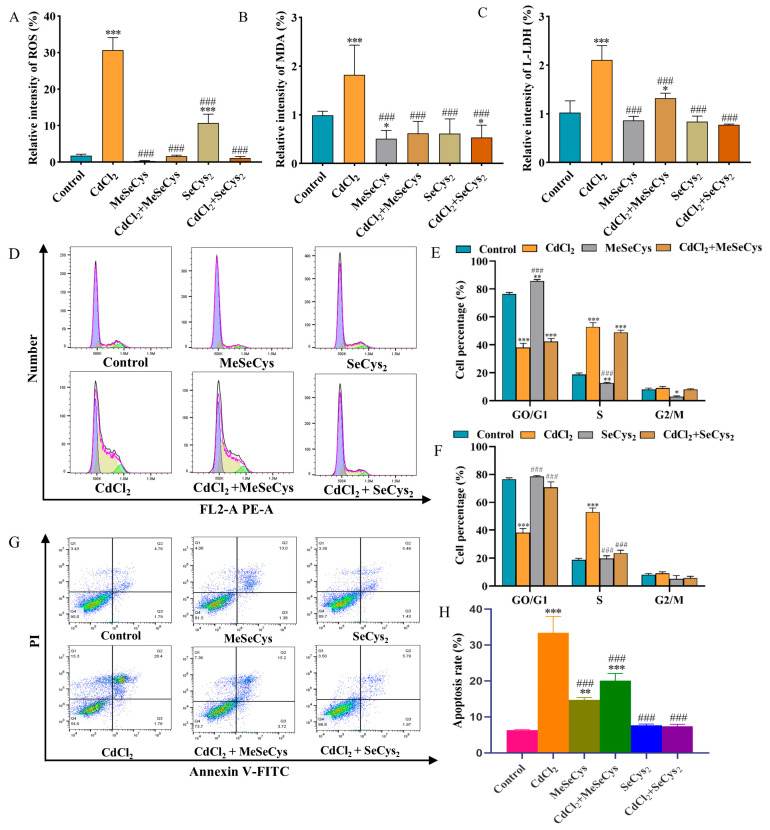 Figure 9
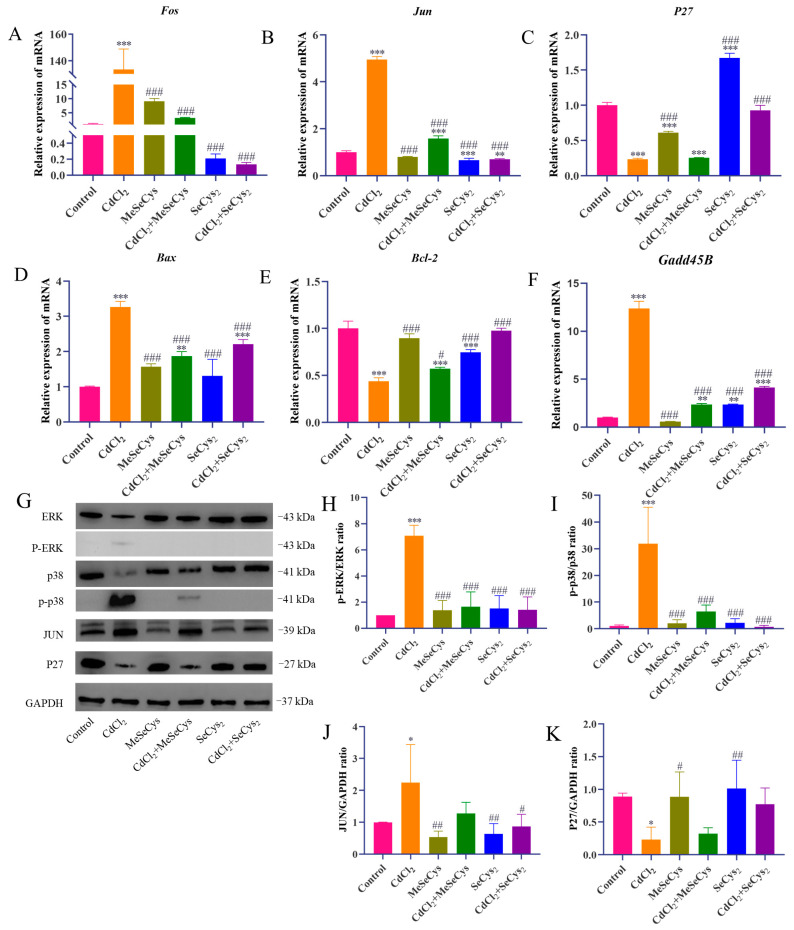 Figure 10
Peer Reviews
No public reviews on file for this paper yet. If you reviewed it on a platform where reviews are public (OpenReview, ICLR, NeurIPS, ICML), you can paste yours below so the community can read it here.
Videos
No videos yet. Explain this paper in a talk, walkthrough, or lecture? Add one.
Taxonomy
TopicsHeavy Metal Exposure and Toxicity · Selenium in Biological Systems · Plant Stress Responses and Tolerance