Microencapsulation Enhances the Biological Potential, Bioaccessibility, and Intracellular Oxidative Status of Guava Phenolic Extracts
Renan Danielski, Sarika Kumari, Pavan Kumar Kakumani, Fereidoon Shahidi

TL;DR
Guava phenolic extracts were microencapsulated to improve their survival through digestion and enhance their health benefits, particularly for metabolic diseases.
Contribution
Microencapsulation with maltodextrin was shown to enhance bioaccessibility and bioactivity of guava phenolics in simulated digestion and cell models.
Findings
Microencapsulation improved bioaccessibility and most bioactivities of guava phenolics, except for pancreatic lipase inhibition and LDL protection.
Guava waste extract showed antioxidant effects in Caco-2 cells but prooxidant effects in HeLa cells after microencapsulation.
Microencapsulation selectively enhanced nutraceutical properties of guava phenolics in different cell lines.
Abstract
Guava fruit is widely consumed in tropical countries and beyond. The phenolic fraction of guava pulp and processing waste (a single fraction containing seeds, skins, and pulp residues) have been reported to carry in vitro biological activities, acting on biomarkers of metabolic diseases such as type 2 diabetes and obesity (enzymatic inhibition of α-glucosidase and pancreatic lipase), atherosclerosis (mitigation of LDL-cholesterol oxidation), and mutagenesis (suppression of DNA strand scission). However, such bioactivities may be compromised by the exposure of guava phenolics to the harsh conditions found along the human gastrointestinal (GI) tract. To overcome this limitation, guava phenolic extracts were microencapsulated with maltodextrin through freeze-drying. The effect of crude and microencapsulated extracts on biomarkers of metabolic diseases was compared before and after in vitro…
Genes, proteins, chemicals, diseases, species, mutations and cell lines named across the full text — each resolved to its canonical identifier and authoritative record.
Click any figure to enlarge with its caption.
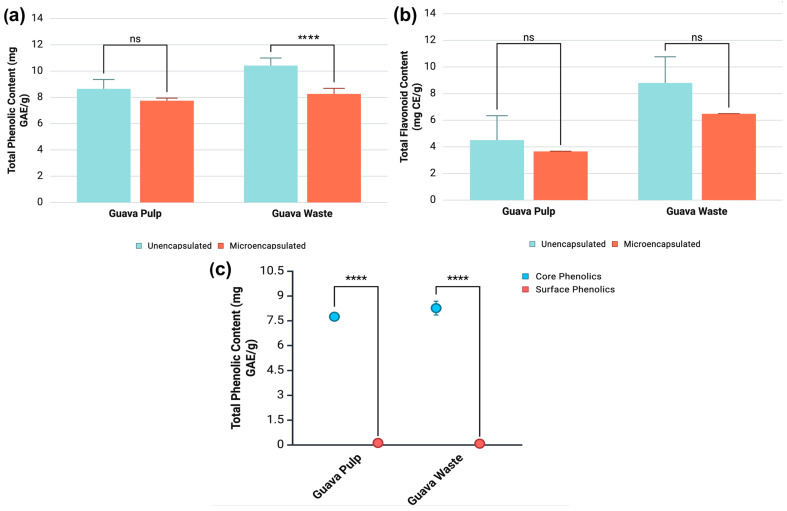 Figure 1
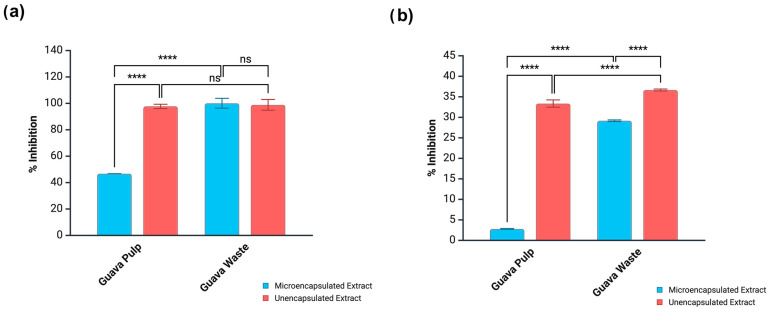 Figure 2
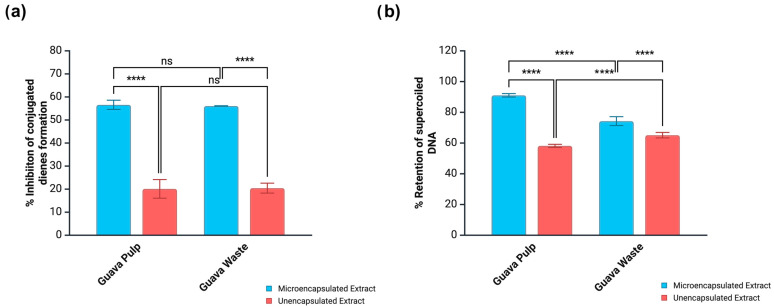 Figure 3
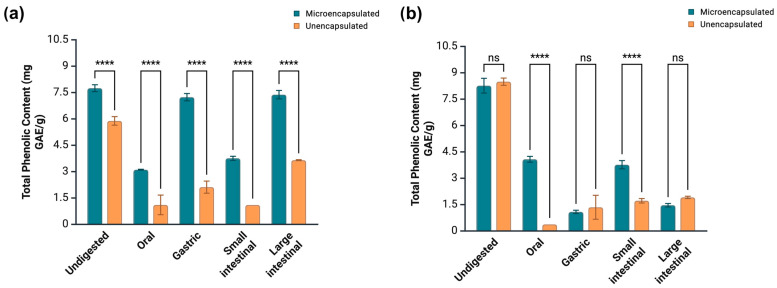 Figure 4
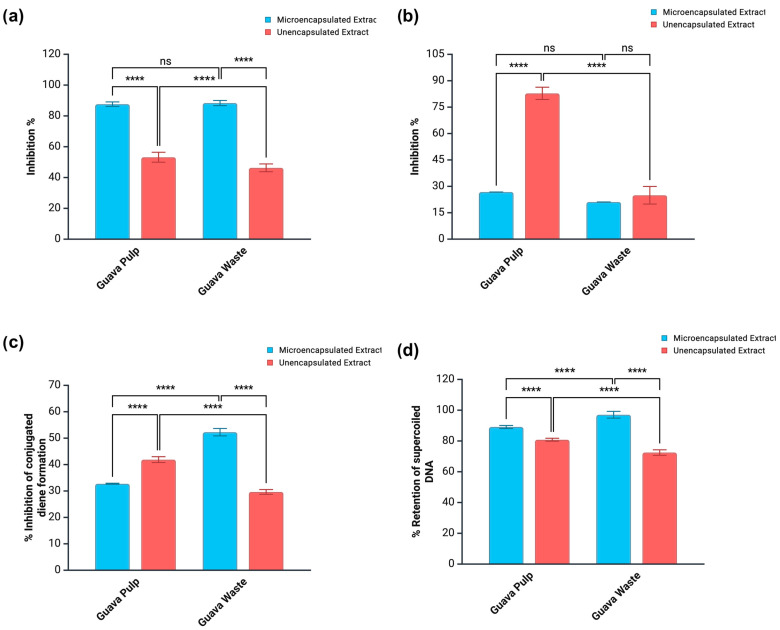 Figure 5
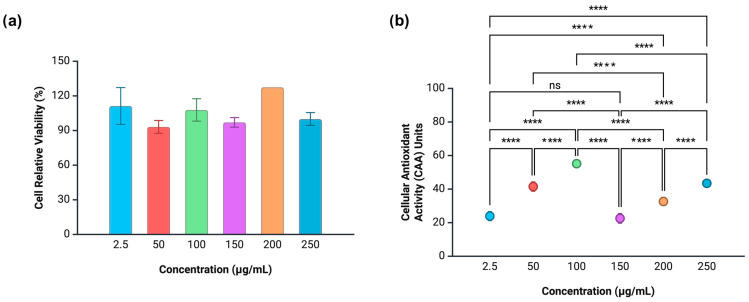 Figure 6
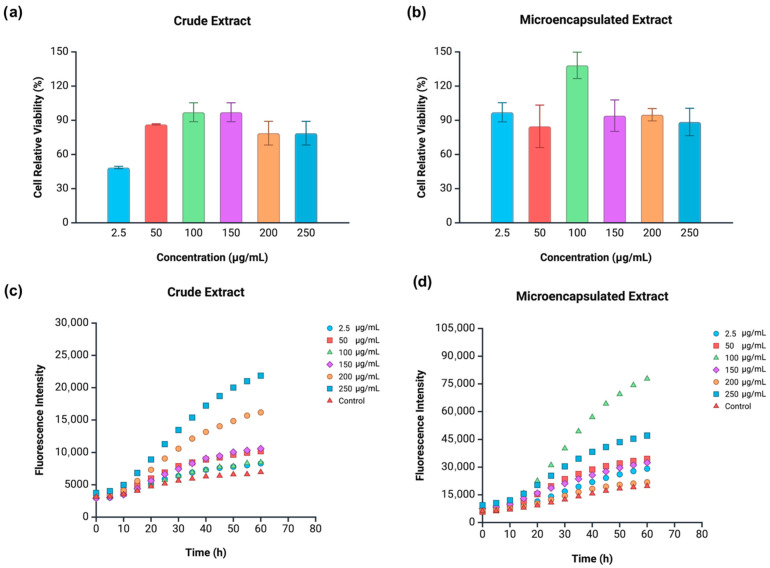 Figure 7
Peer Reviews
No public reviews on file for this paper yet. If you reviewed it on a platform where reviews are public (OpenReview, ICLR, NeurIPS, ICML), you can paste yours below so the community can read it here.
Videos
No videos yet. Explain this paper in a talk, walkthrough, or lecture? Add one.
Taxonomy
TopicsPsidium guajava Extracts and Applications · Microencapsulation and Drying Processes · Phytochemicals and Antioxidant Activities