Dietary Supplementation with Chenodeoxycholic Acid or Ursodeoxycholic Acid Modulates Growth, Thyroid Status, and Hepatopancreatic–Intestinal Health in Juvenile Little Yellow Croaker Larimichthys polyactis
Rui Wu, Limin Yan, Yao Li, Ting Ye, Yu Zhang, Wei Zhan, Chenglong Wu, Bao Lou, Xiao Liang

TL;DR
Adding chenodeoxycholic or ursodeoxycholic acid to the diet of juvenile little yellow croaker improves growth and reduces liver-intestinal damage caused by poor nutrition.
Contribution
The study identifies optimal bile acid supplementation levels to improve health and growth in L. polyactis.
Findings
Both CDCA and UDCA improved growth and altered thyroid hormone metabolism in L. polyactis.
300 mg/kg CDCA and 600 mg/kg UDCA reduced liver vacuolation and lipid accumulation.
Dietary BAs enhanced intestinal antioxidant capacity but also induced inflammation.
Abstract
Commercial feeds formulated for Larimichthys crocea are commonly used in intensive farming of Larimichthys polyactis; however, their nutritional composition is suboptimal for the latter. The study evaluated the effects of dietary chenodeoxycholic acid (CDCA) and ursodeoxycholic acid (UDCA) supplementation on mitigating nutritional mismatch-induced growth retardation and hepatopancreatic–intestinal metabolic disorders in L. polyactis. Fish were fed seven feeds: a commercial feed (control) and feeds supplemented with 300, 600, and 1200 mg/kg of CDCA or UDCA. Results showed that both bile acids (BAs) supplementation improved growth, altered thyroid hormone metabolism, with significant changes in hepatopancreatic–intestinal types of deiodination. Both BAs increased hepatopancreatic energy metabolism and cholic acid synthesis, while inducing hepatopancreatic oxidative damage. Notably, 300…
Genes, proteins, chemicals, diseases, species, mutations and cell lines named across the full text — each resolved to its canonical identifier and authoritative record.
Click any figure to enlarge with its caption.
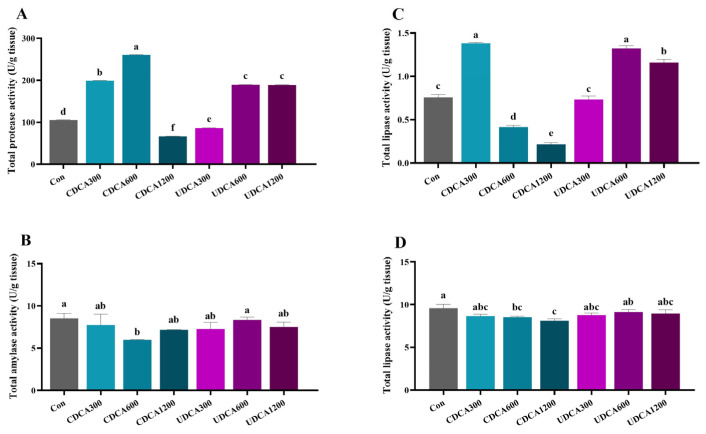 Figure 1
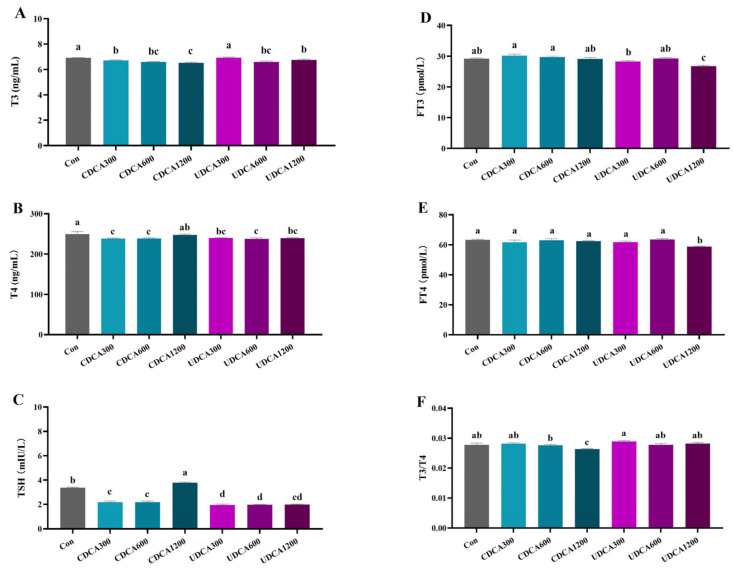 Figure 2
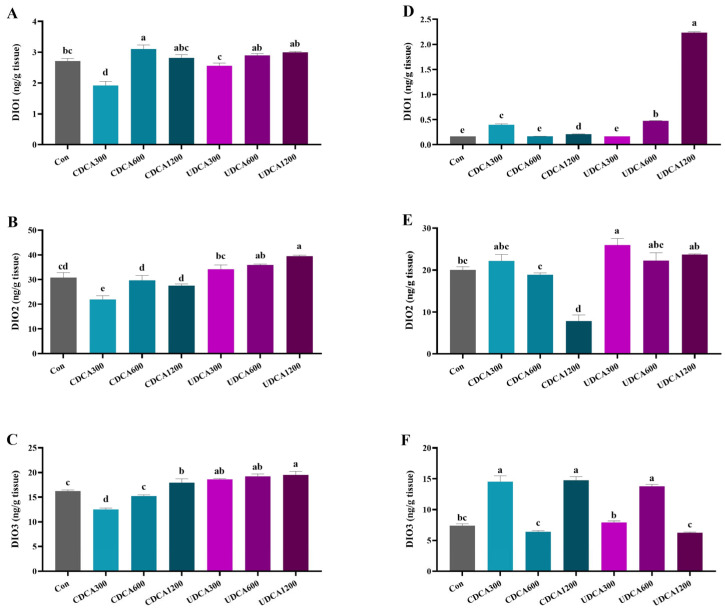 Figure 3
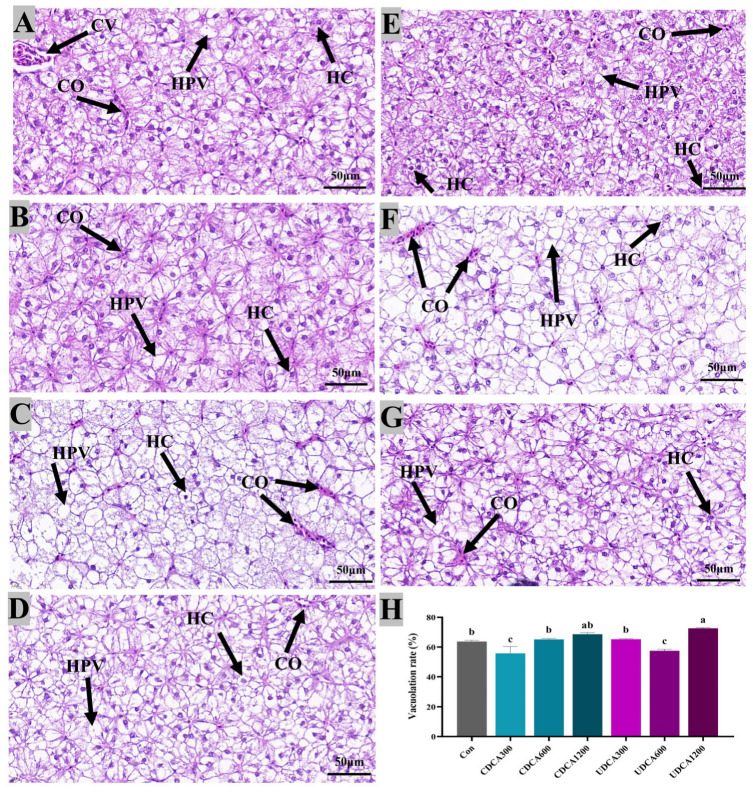 Figure 4
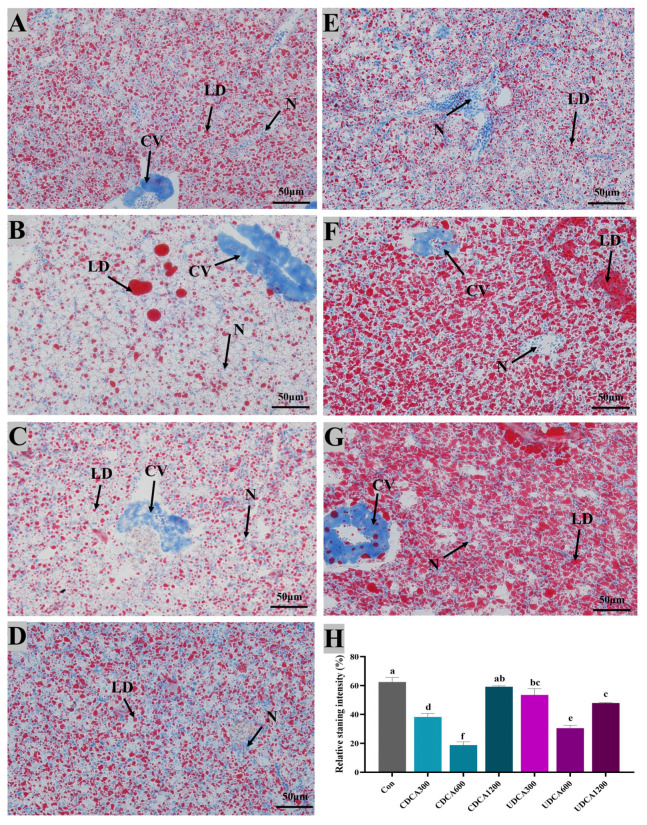 Figure 5
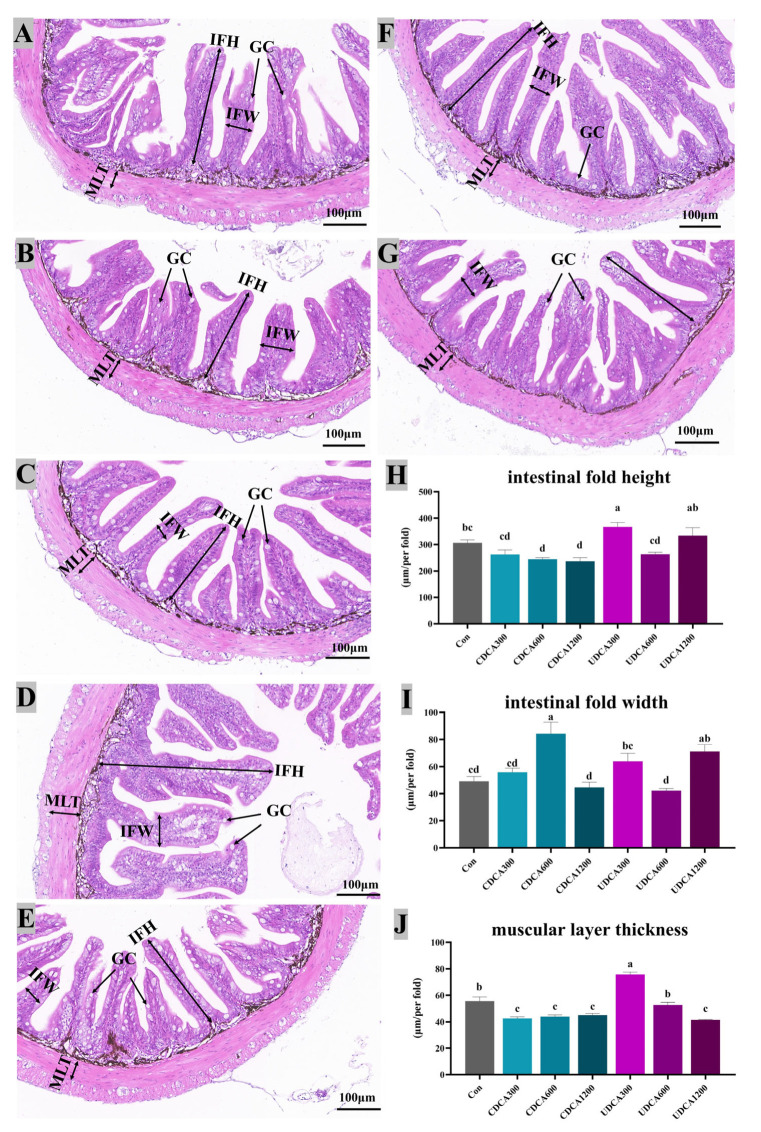 Figure 6
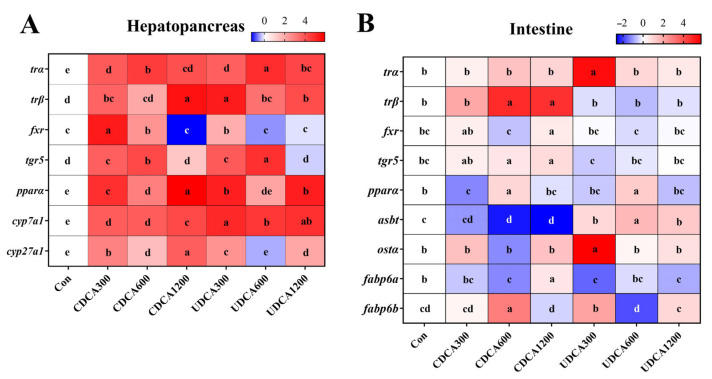 Figure 7
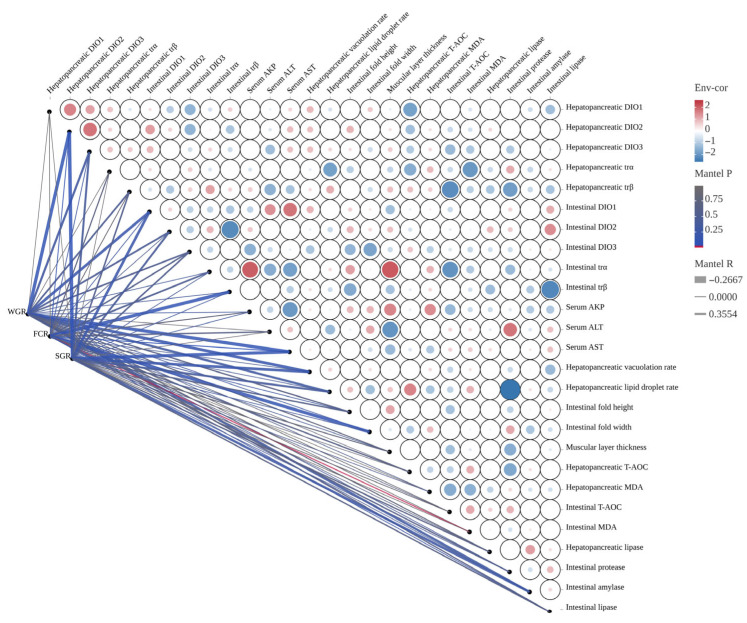 Figure 8
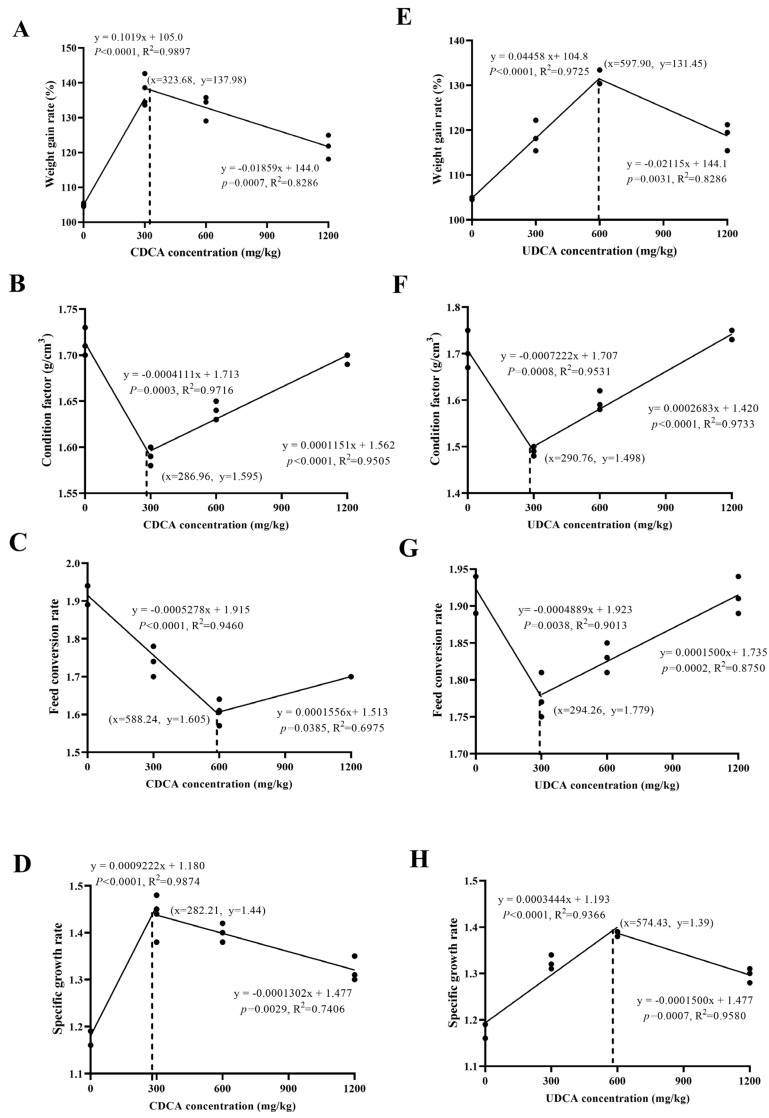 Figure 9
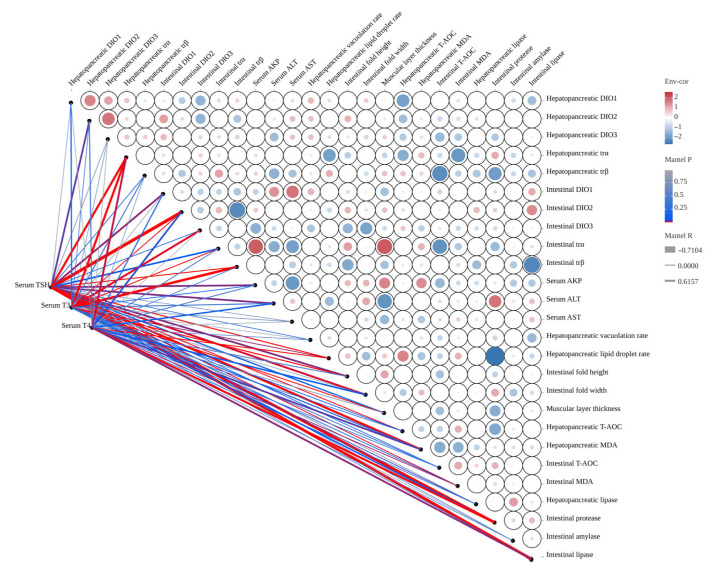 Figure 10
Peer Reviews
No public reviews on file for this paper yet. If you reviewed it on a platform where reviews are public (OpenReview, ICLR, NeurIPS, ICML), you can paste yours below so the community can read it here.
Videos
No videos yet. Explain this paper in a talk, walkthrough, or lecture? Add one.
Taxonomy
TopicsAquaculture Nutrition and Growth · Aquaculture disease management and microbiota · Animal Nutrition and Physiology