Anticipatory Behavior and Enrichment: Insights into Assessing and Managing Harbor Seal (Phoca vitulina richardii) Pup Welfare in a Wildlife Rehabilitation Setting
Karli R. Chudeau, Sophie Guarasci, Bethany Krebs, Cara Field, Jason V. Watters

TL;DR
This study explores how different types of enrichment affect the emotional well-being of rehabilitating harbor seal pups by observing their anticipatory behavior before feeding.
Contribution
The study introduces anticipatory behavior as a practical, non-invasive welfare assessment tool in wildlife rehabilitation settings.
Findings
Cognitive enrichment may improve emotional well-being by reducing anticipatory behavior duration.
Anticipatory behavior can serve as a useful indicator of reward sensitivity and welfare in rehabilitating seals.
Structural enrichment was associated with longer periods of anticipatory behavior compared to cognitive enrichment.
Abstract
Caring for animals in wildlife rehabilitation requires not only meeting their physical needs but supporting their emotional well-being. However, it is difficult to measure how animals feel in this setting without using intensive methods. One promising way to do this is by observing “anticipatory behavior,” which is how animals act when they are expecting something positive within their environment, like a scheduled feed. This behavior can reveal how strongly animals expect or need rewarding experiences, and offers insight into their welfare. In our study, we worked with fourteen harbor seal pups during rehabilitation. Each day we provided the pups with different types of environmental enrichment, such as objects to explore (structural enrichment) or tasks that challenged their problem-solving abilities (cognitive enrichment). We then observed the pups’ behavior before feedings to see…
Genes, proteins, chemicals, diseases, species, mutations and cell lines named across the full text — each resolved to its canonical identifier and authoritative record.
Click any figure to enlarge with its caption.
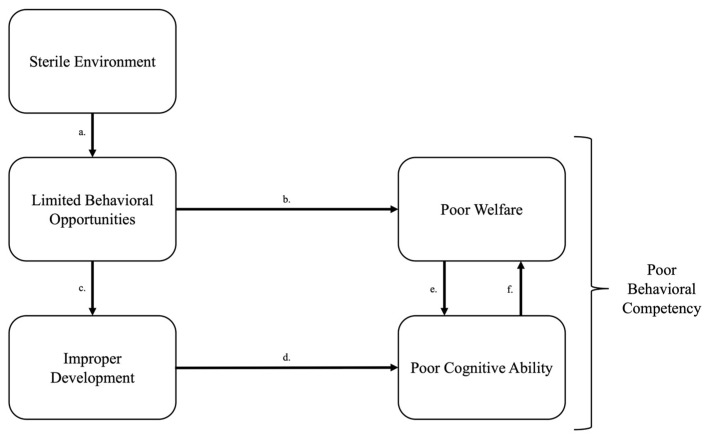 Figure 1
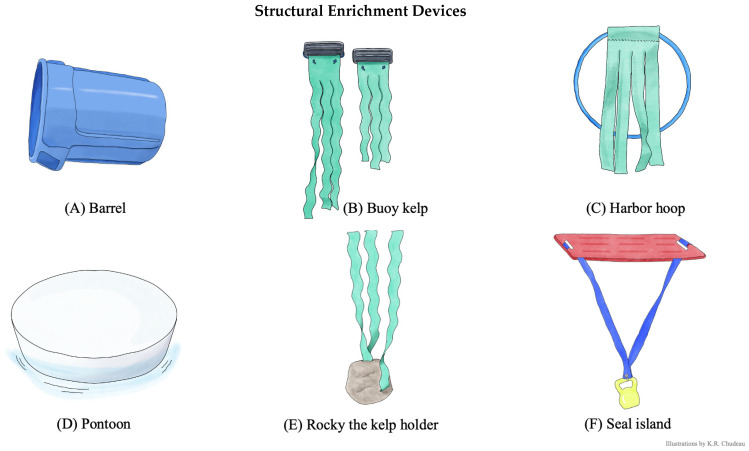 Figure 2
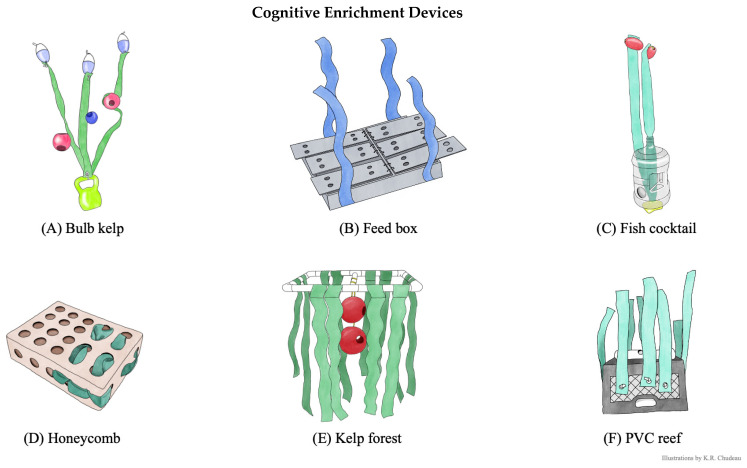 Figure 3
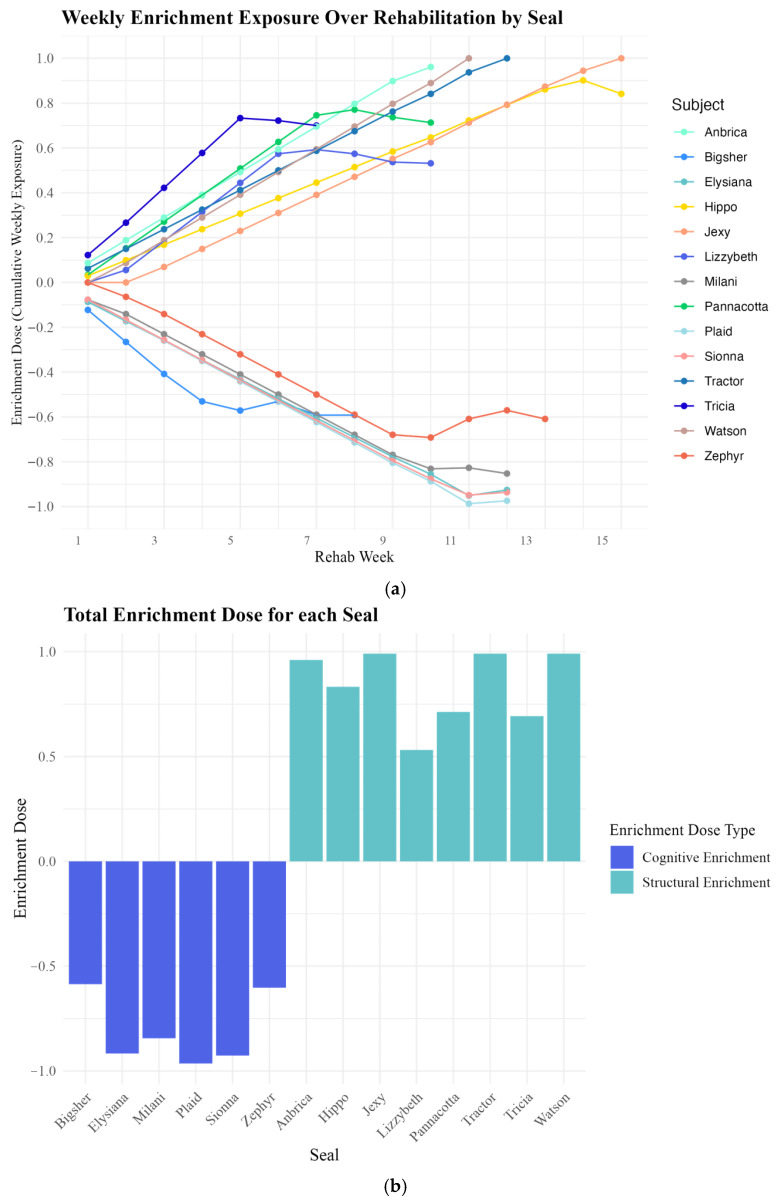 Figure 4
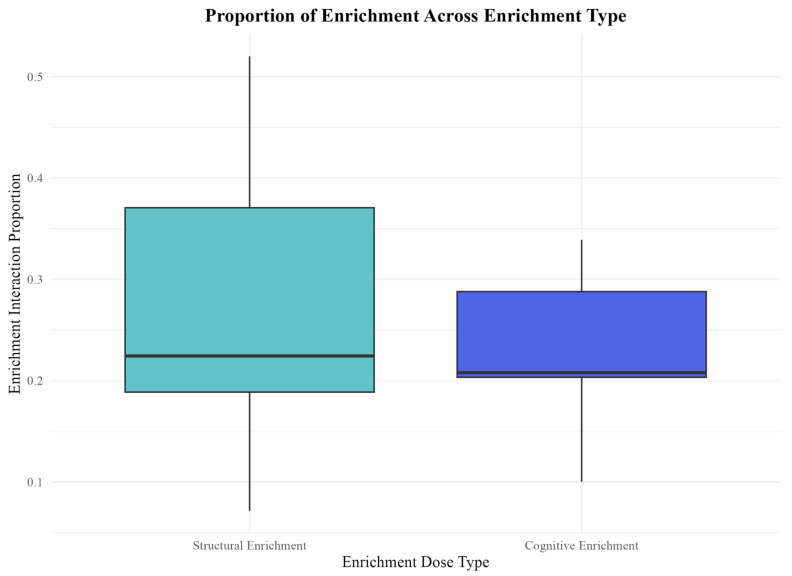 Figure 5
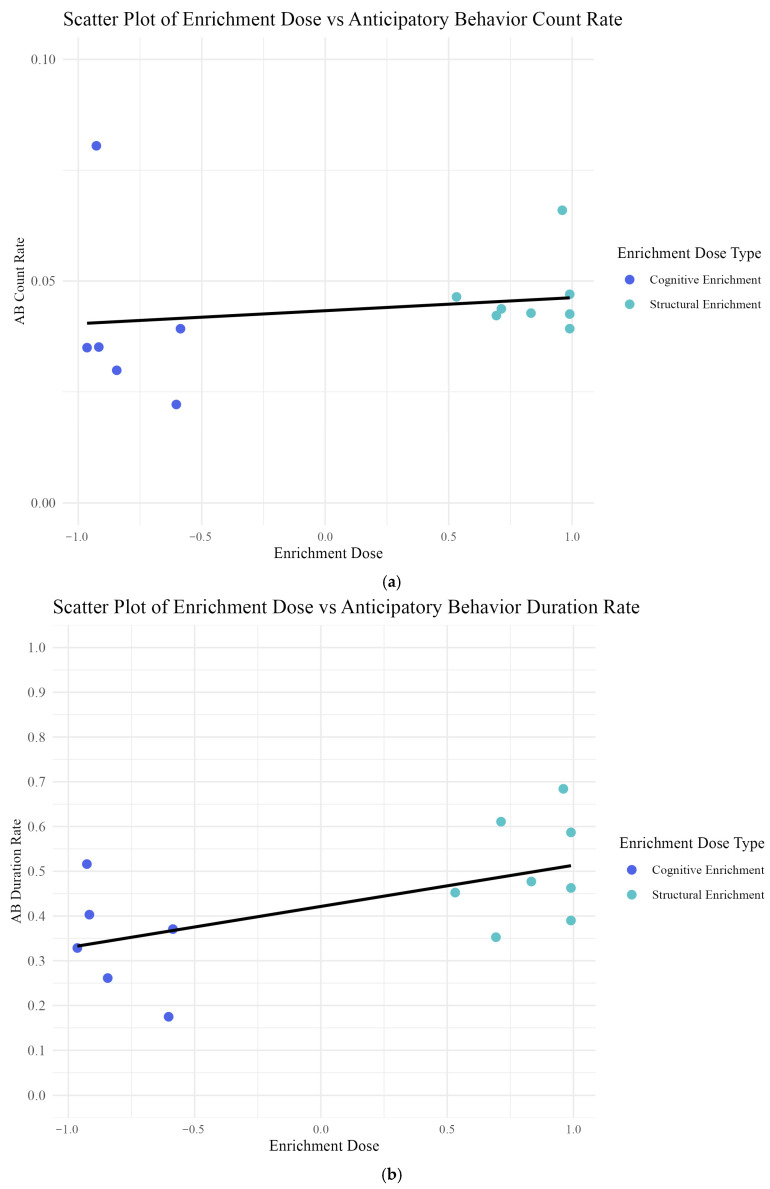 Figure 6
Peer Reviews
No public reviews on file for this paper yet. If you reviewed it on a platform where reviews are public (OpenReview, ICLR, NeurIPS, ICML), you can paste yours below so the community can read it here.
Videos
No videos yet. Explain this paper in a talk, walkthrough, or lecture? Add one.
Taxonomy
TopicsMarine animal studies overview · Animal Behavior and Welfare Studies · Human-Animal Interaction Studies