Optimizing Fishery Survey Design in Guangdong’s Restricted Coastal Waters
Kui Zhang, Li Su, Yancong Cai, Youwei Xu, Zuozhi Chen

TL;DR
The study finds optimal ways to design fishery surveys in Guangdong's coastal waters to maximize species detection and accuracy within budget limits.
Contribution
The study introduces a comparison of survey design methods to optimize biodiversity detection and abundance estimation in restricted coastal waters.
Findings
Systematic sampling detected the most species but was unstable in some cases.
Stratified random sampling by depth provided the most reliable fish abundance estimates.
Sampling in autumn or spring and autumn together minimized errors when surveys were limited.
Abstract
Coastal waters in Guangdong are rich in marine life but face pressure from overfishing, pollution, and climate change. Managers need surveys that are both accurate and affordable. We carried out four seasonal bottom-trawl surveys at 186 sites inside the restricted fishing area and tested how different ways of choosing survey sites and survey timing affect results. We recorded 563 species and found clear seasonal and spatial changes, with the highest catches in summer. The more sites and the more seasons we sampled, the more species we found. A regularly spaced grid of sites detected the most species but could be unstable in some situations. Choosing sites at random within depth bands (shallow to deeper water) gave the most reliable estimates of how much fish was present. Sampling all four seasons required only 88 sites to find about four fifths of all species; if fewer surveys are…
Genes, proteins, chemicals, diseases, species, mutations and cell lines named across the full text — each resolved to its canonical identifier and authoritative record.
Click any figure to enlarge with its caption.
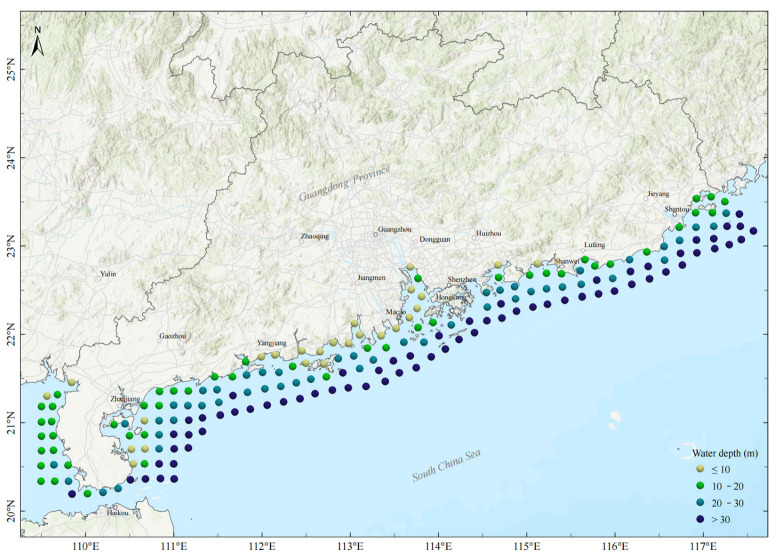 Figure 1
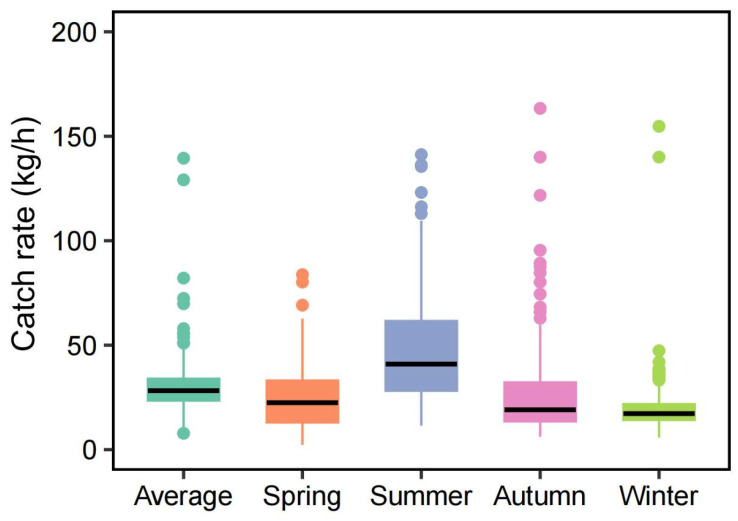 Figure 2
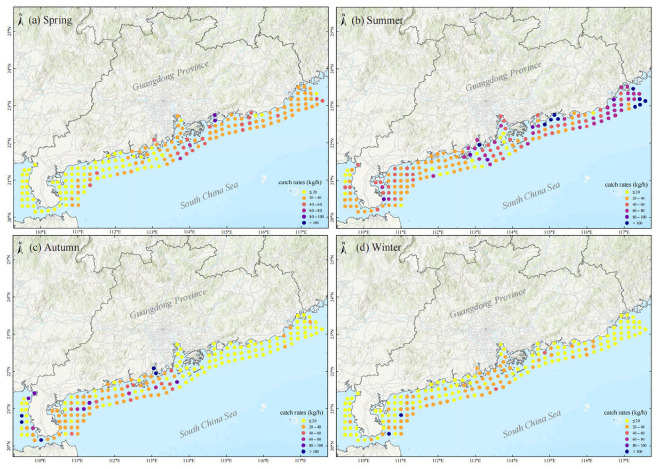 Figure 3
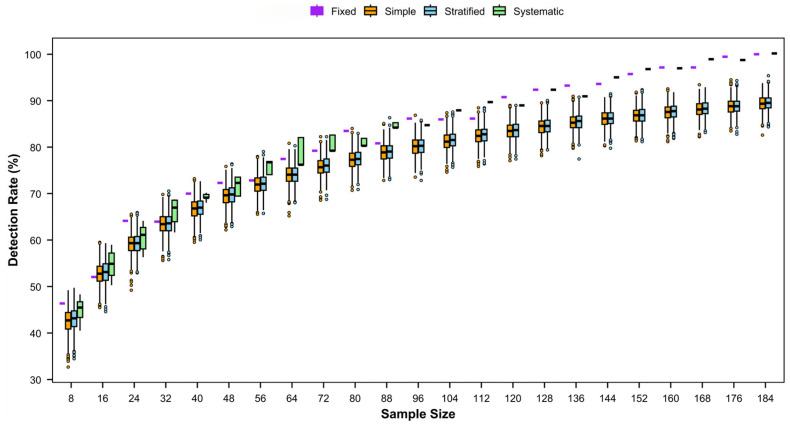 Figure 4
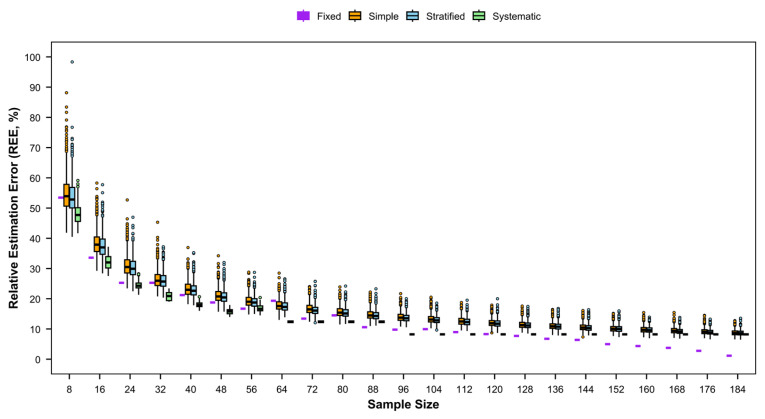 Figure 5
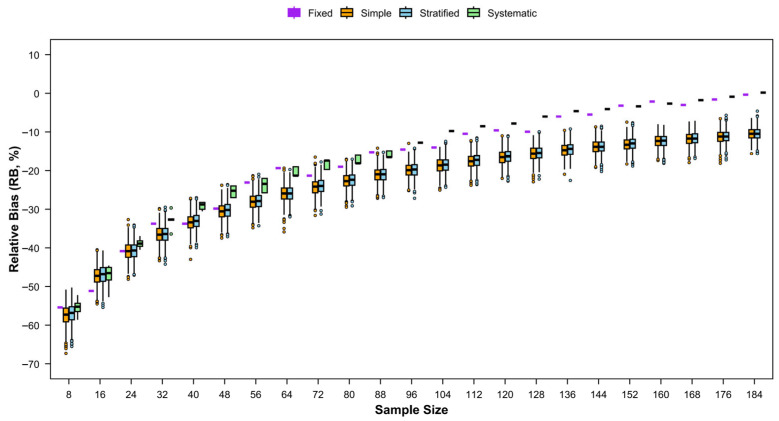 Figure 6
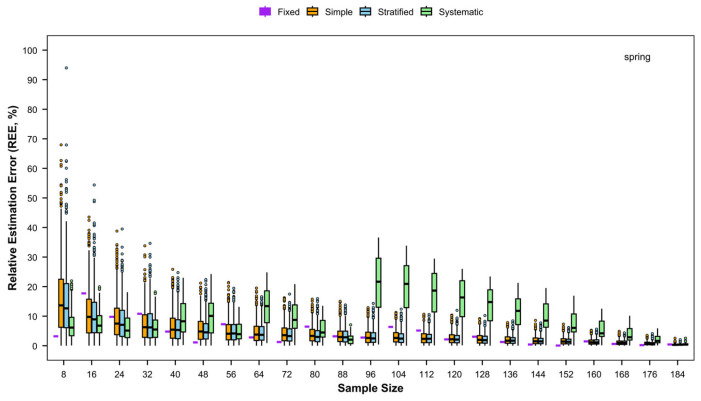 Figure 7
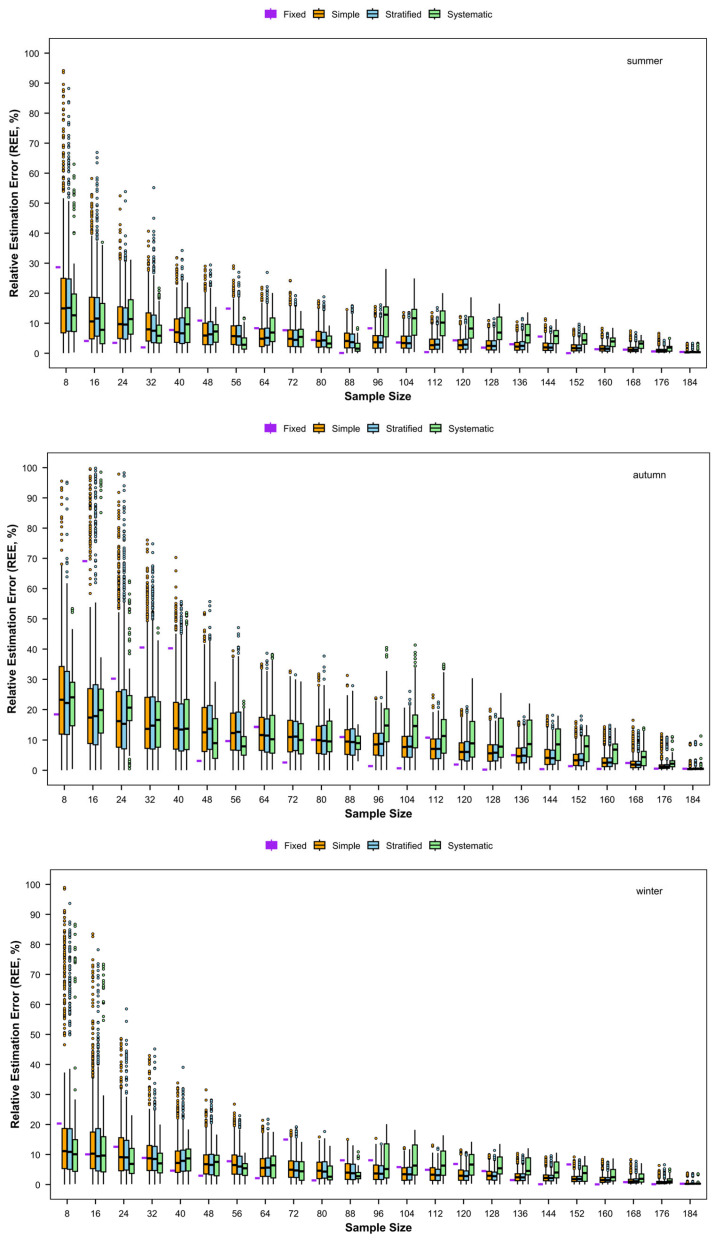 Figure 8
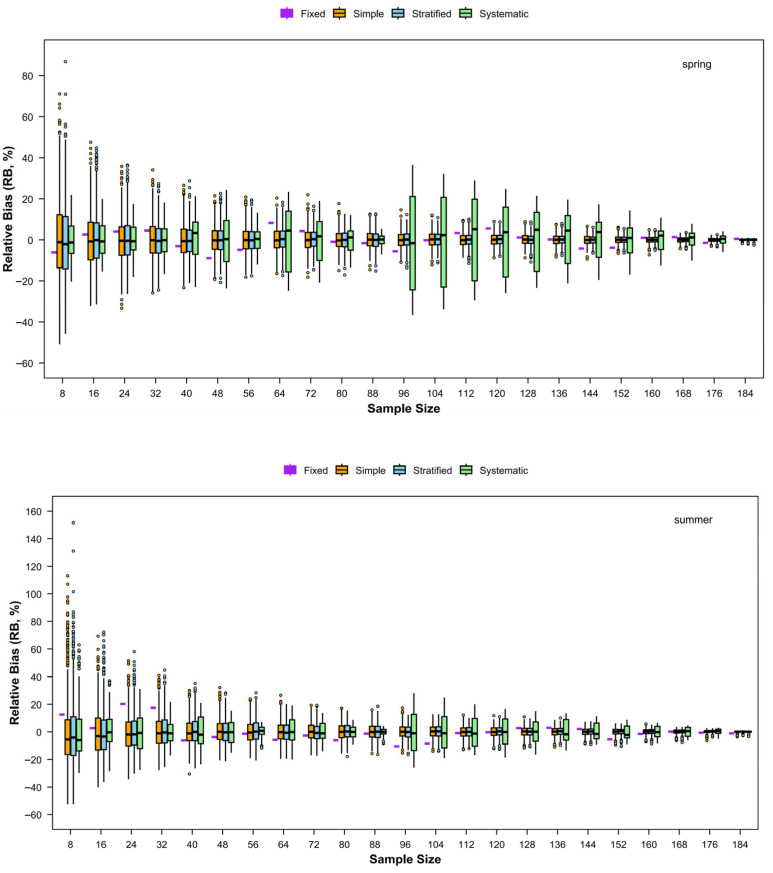 Figure 9
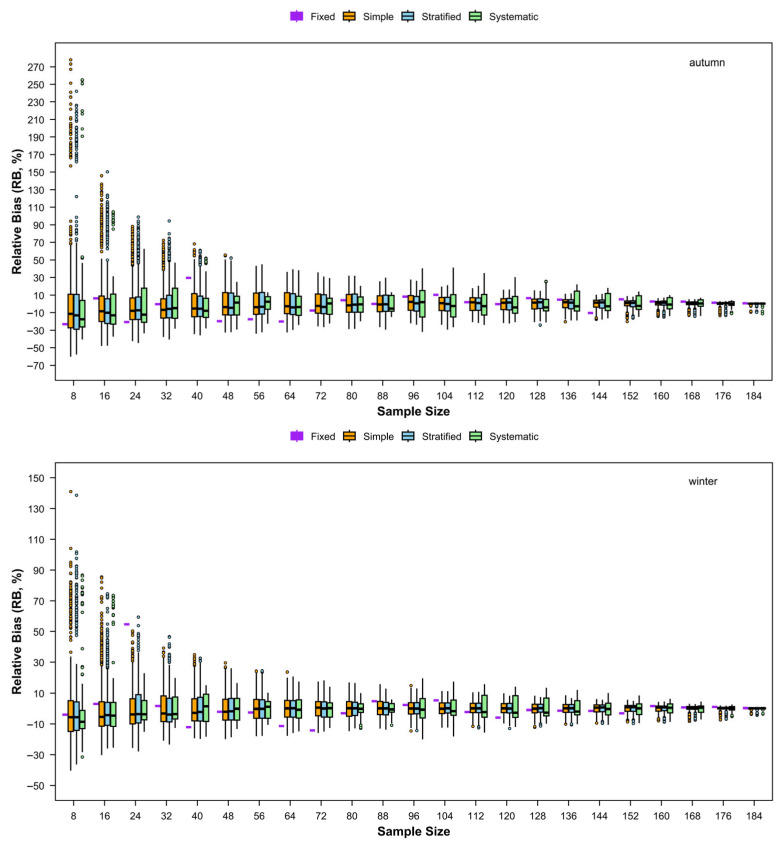 Figure 10
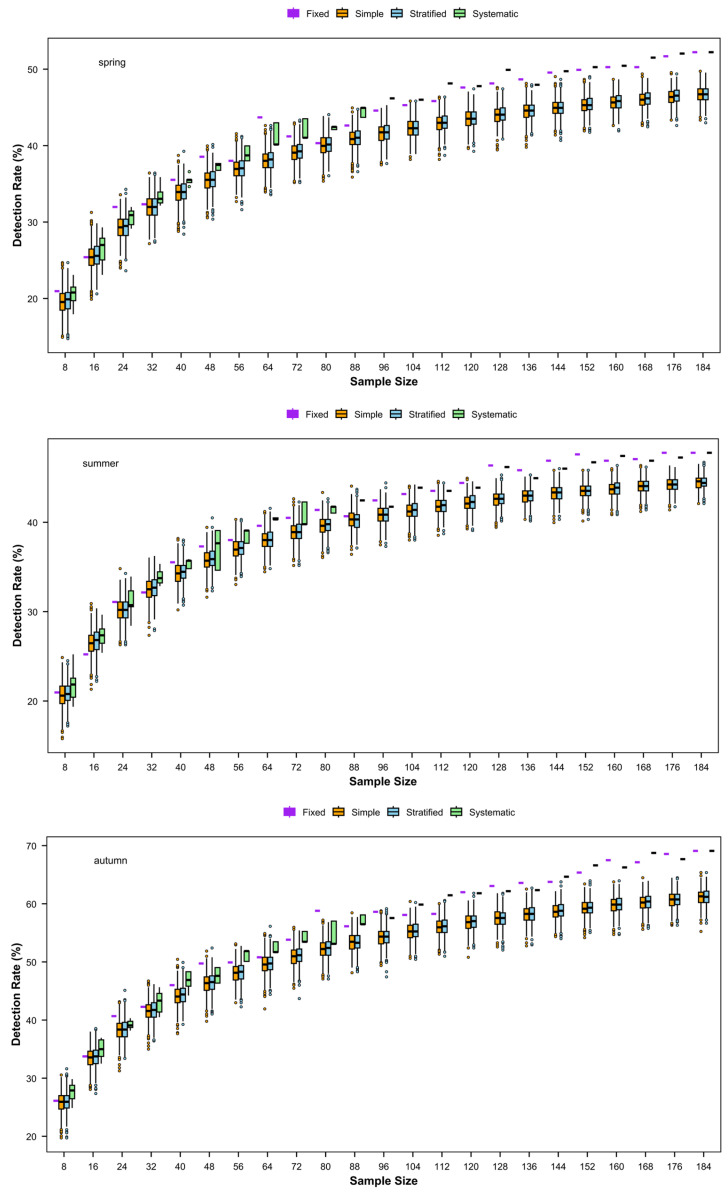 Figure 11
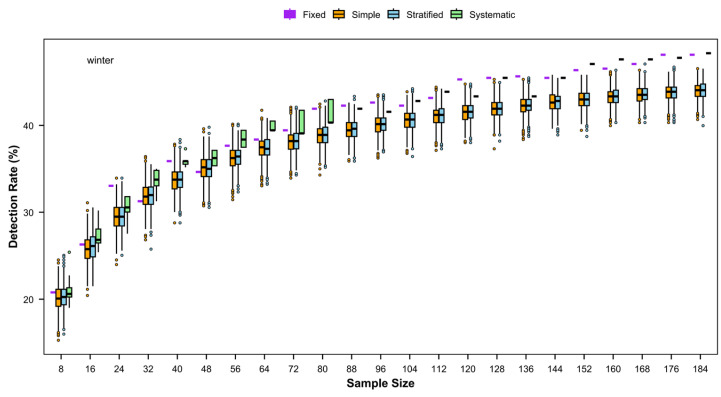 Figure 12
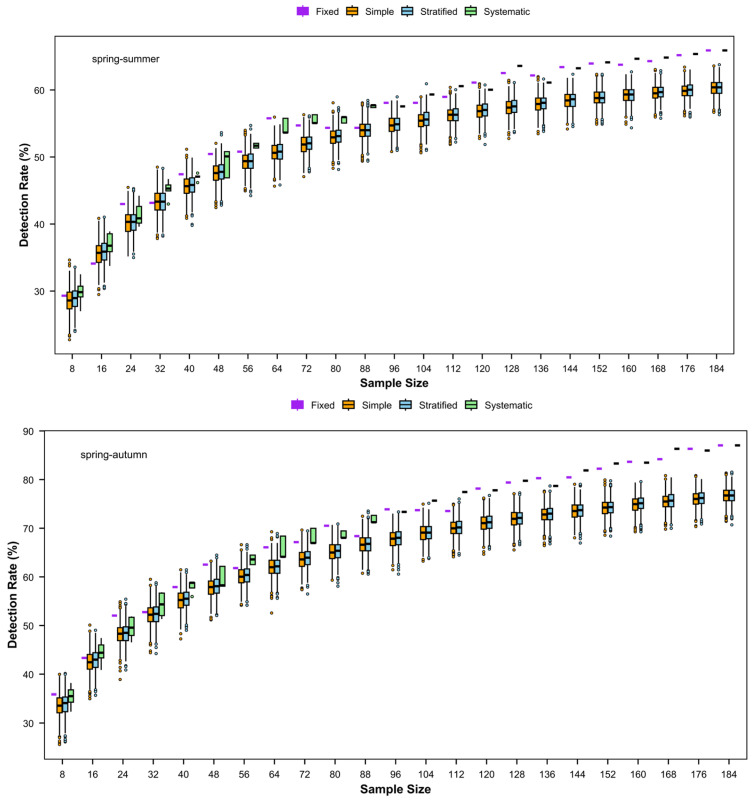 Figure 13
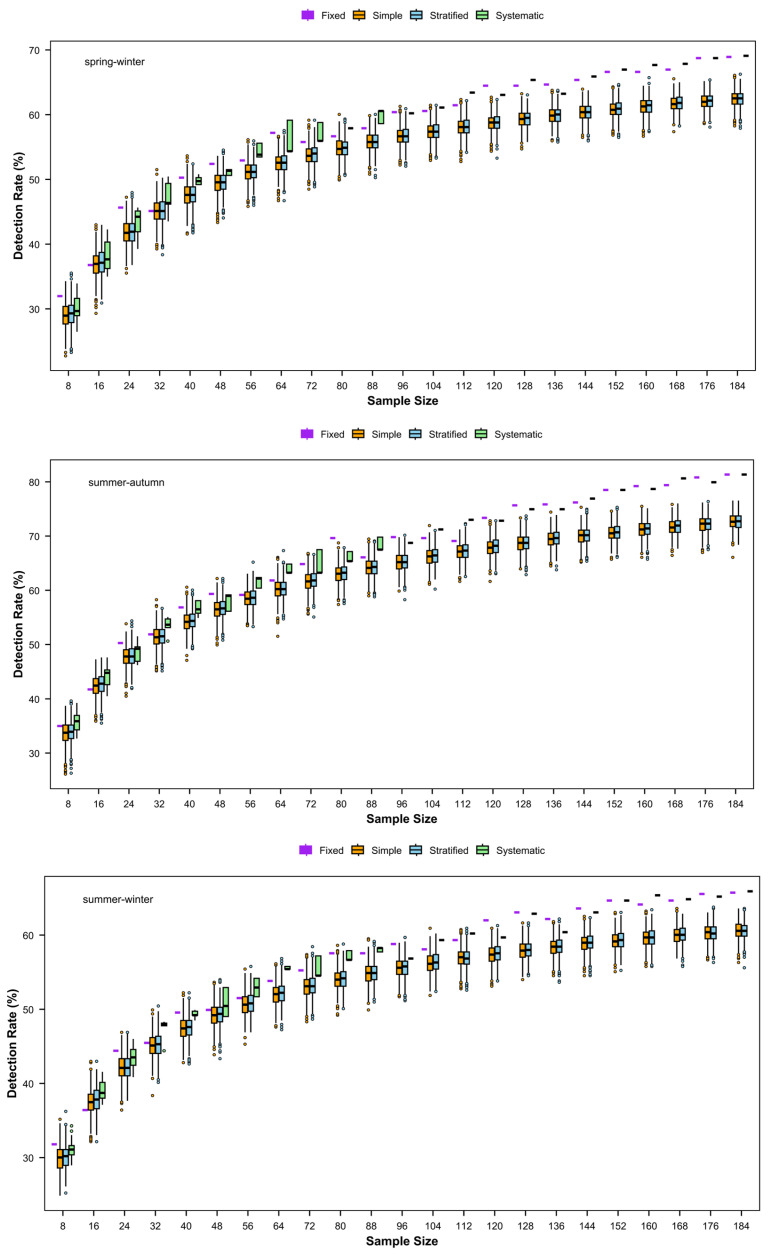 Figure 14
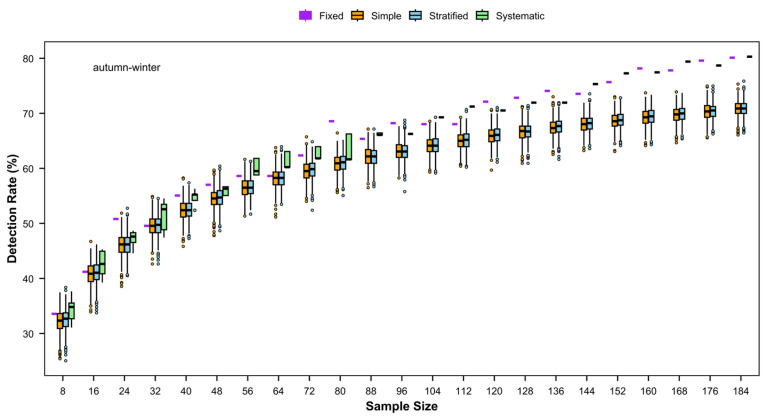 Figure 15
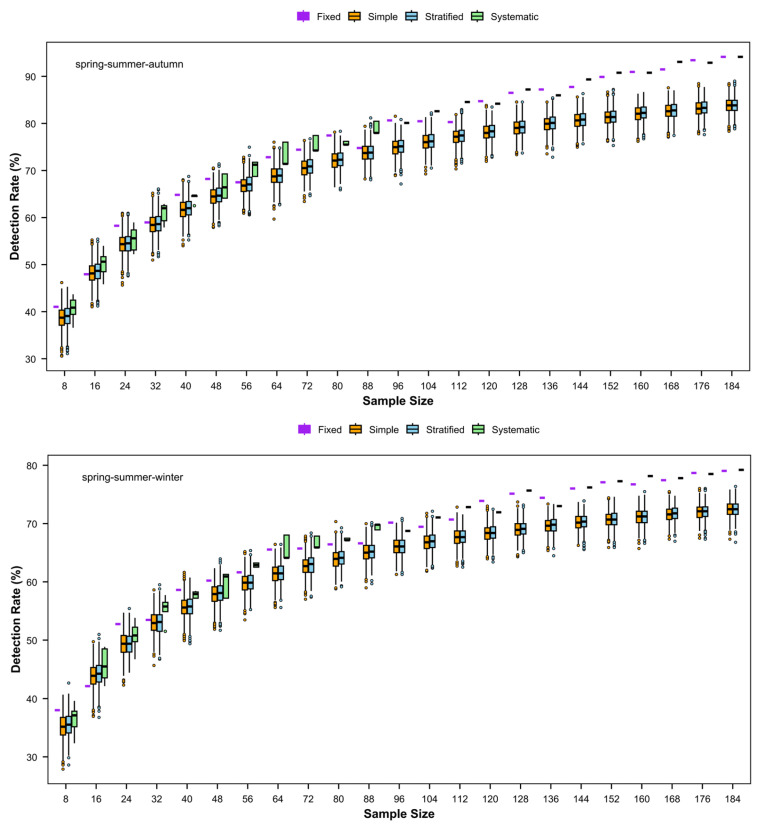 Figure 16
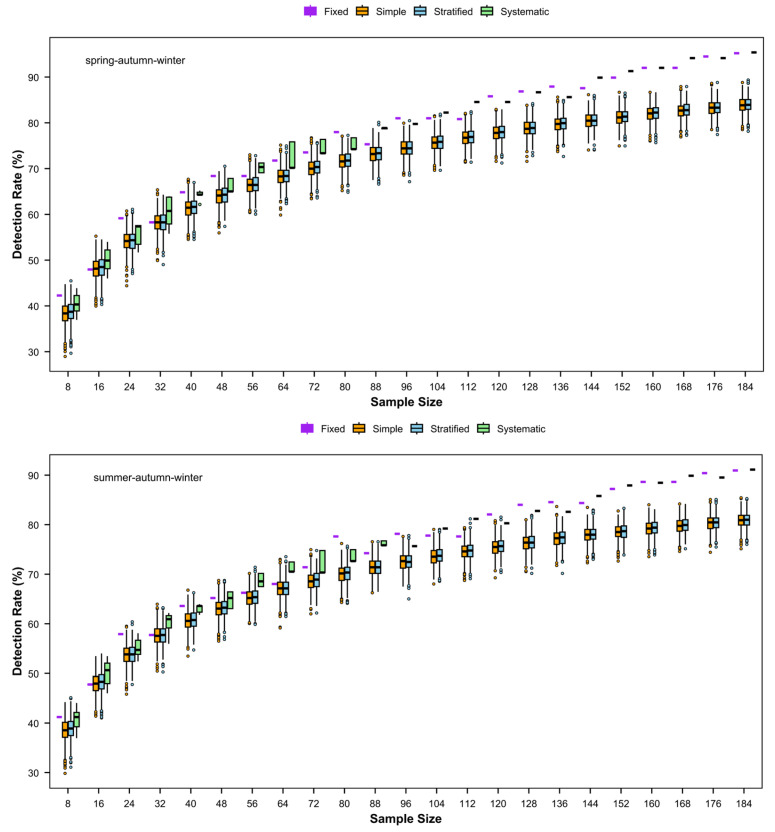 Figure 17
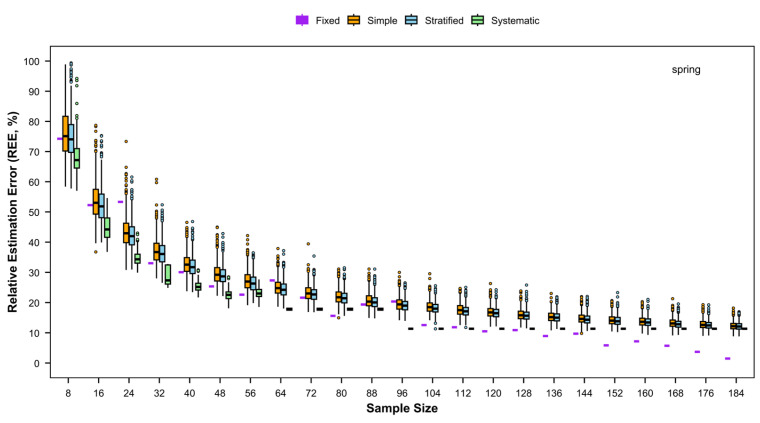 Figure 18
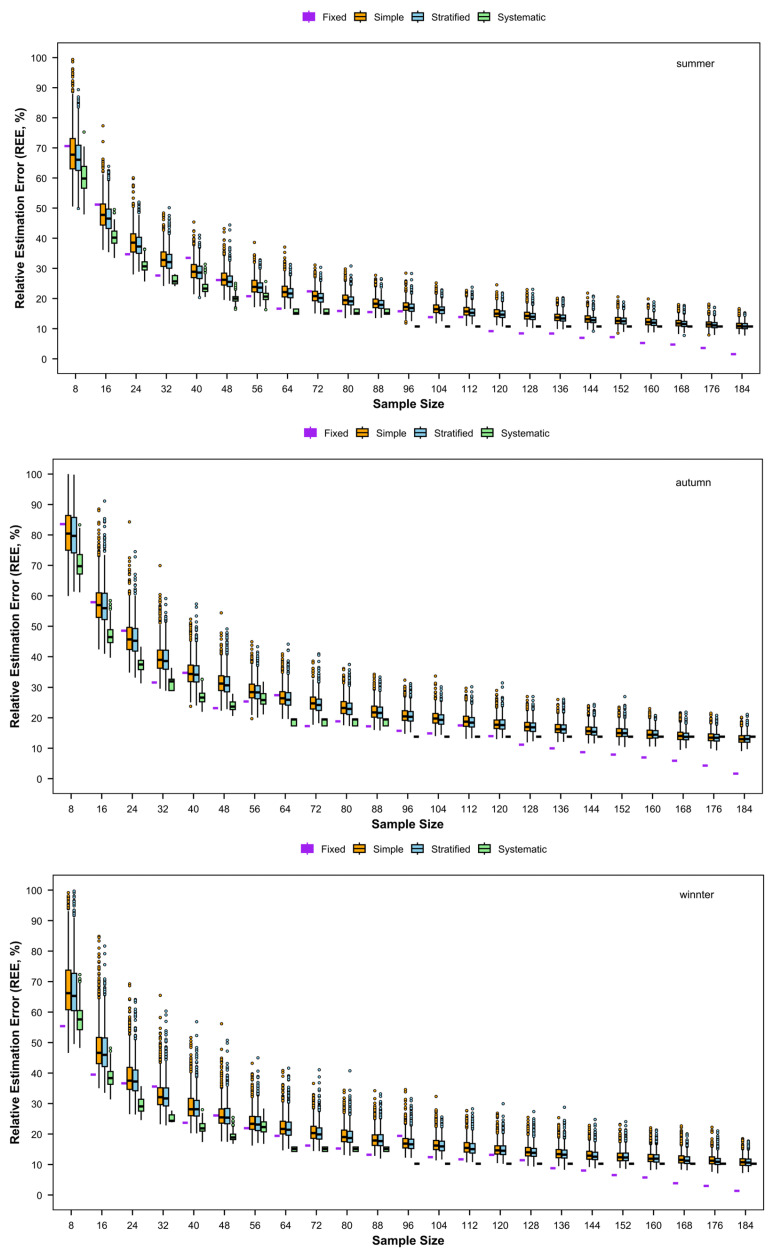 Figure 19
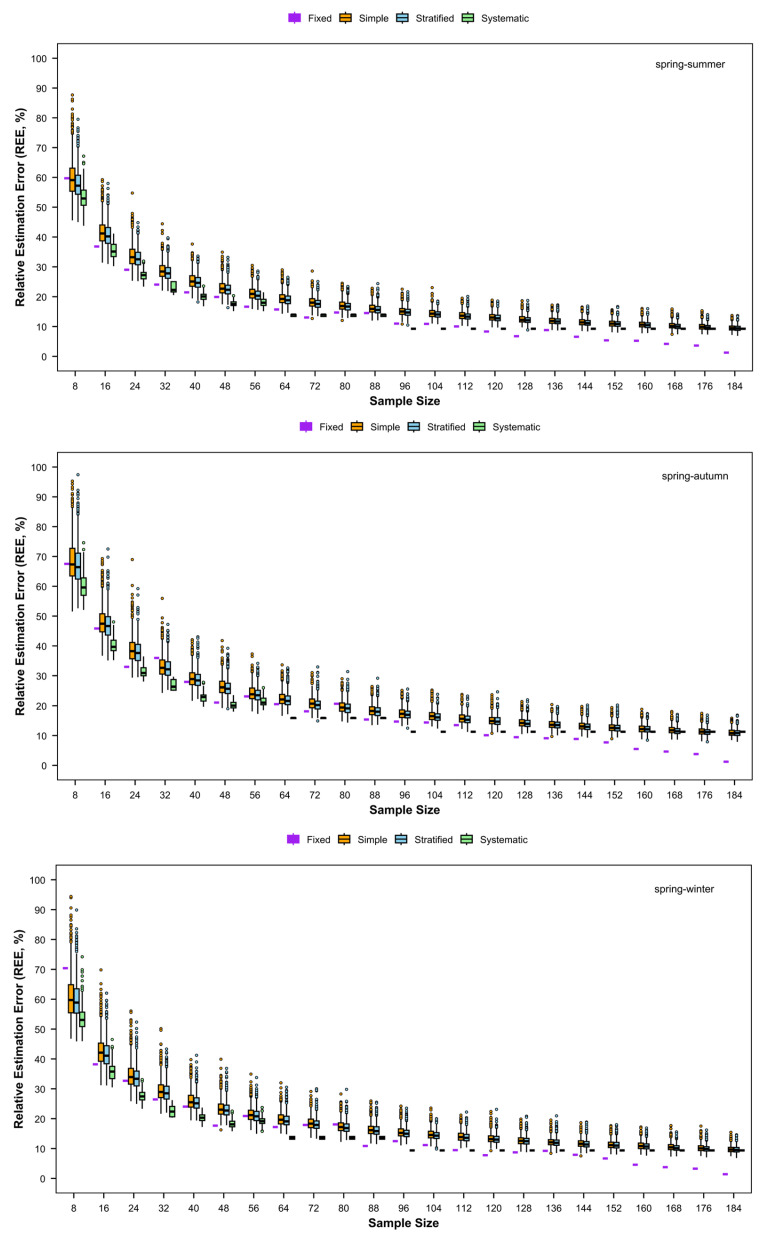 Figure 20
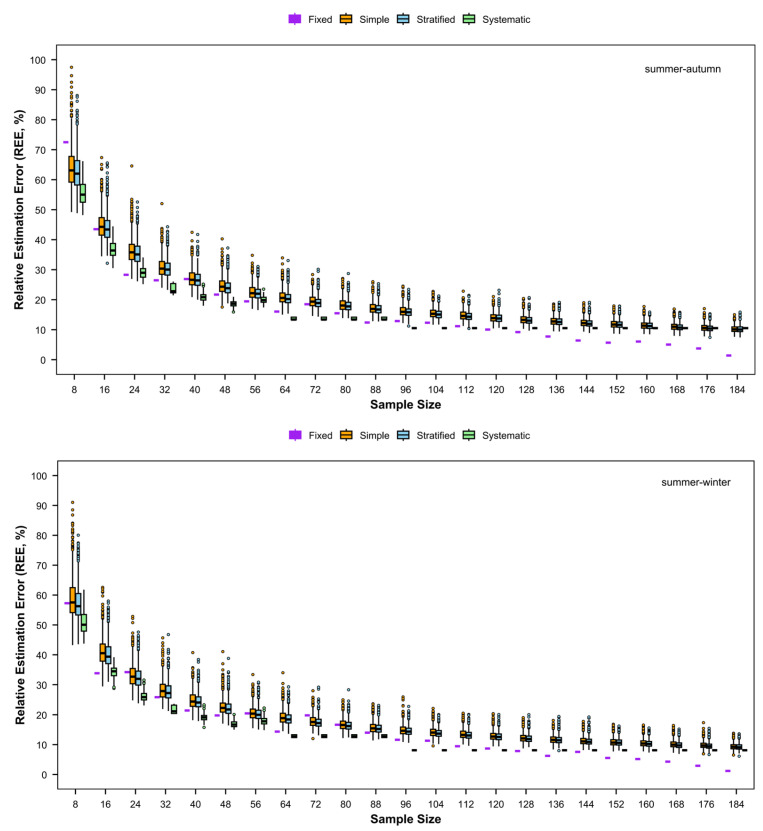 Figure 21
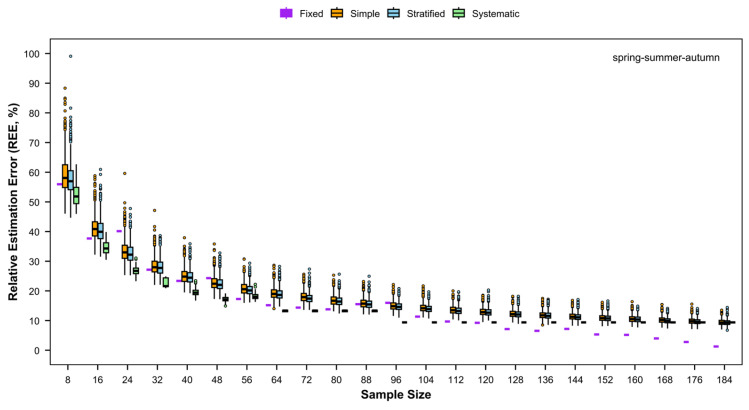 Figure 22
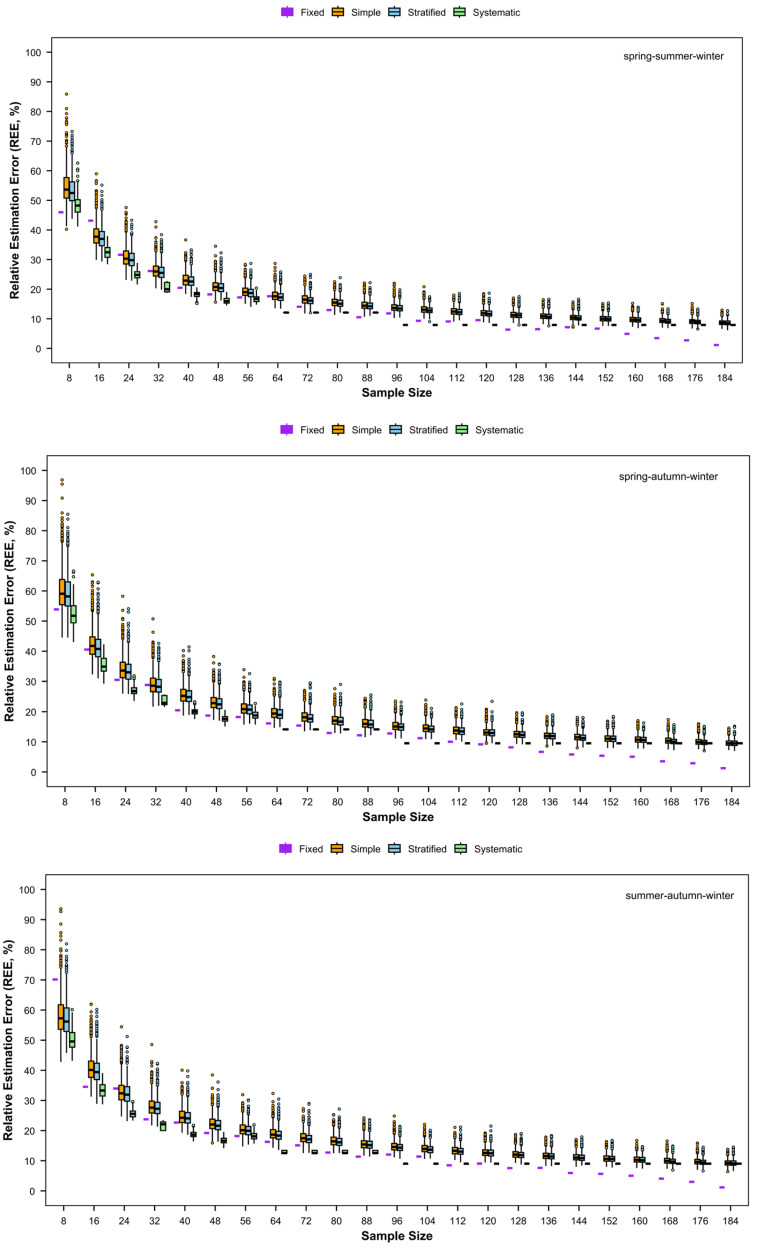 Figure 23
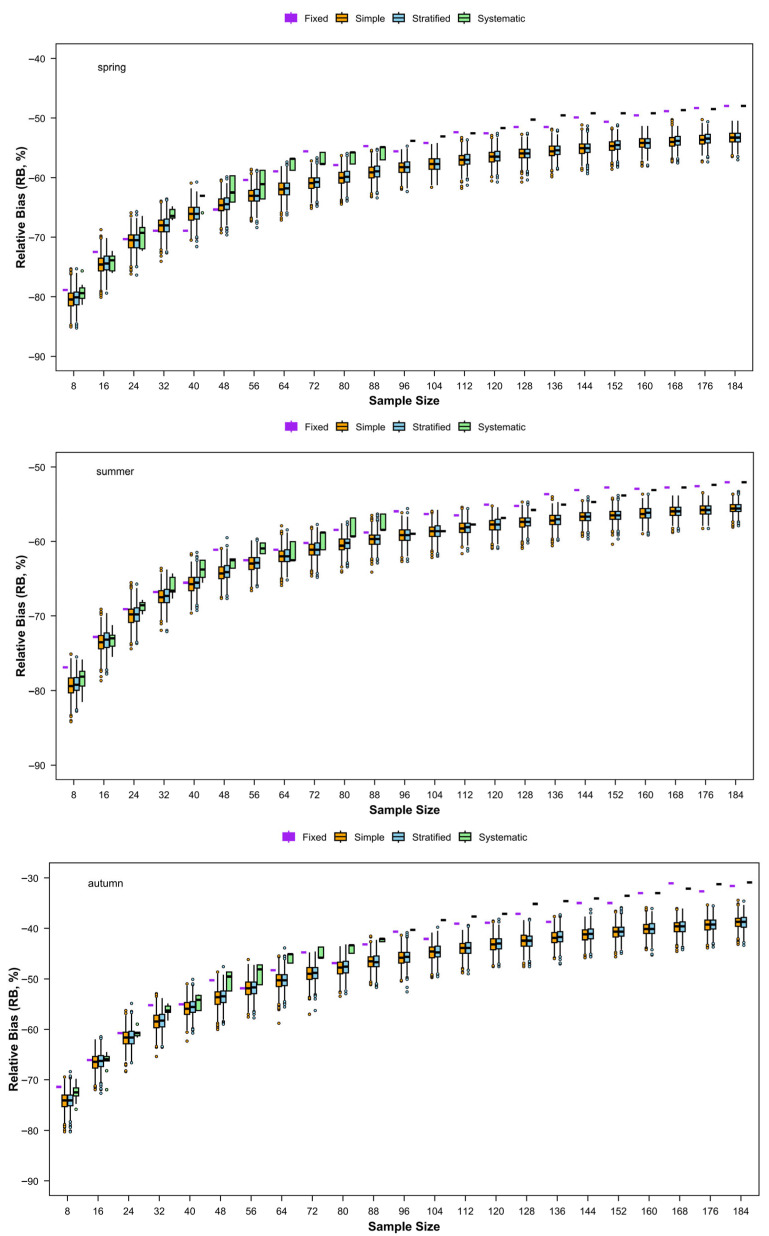 Figure 24
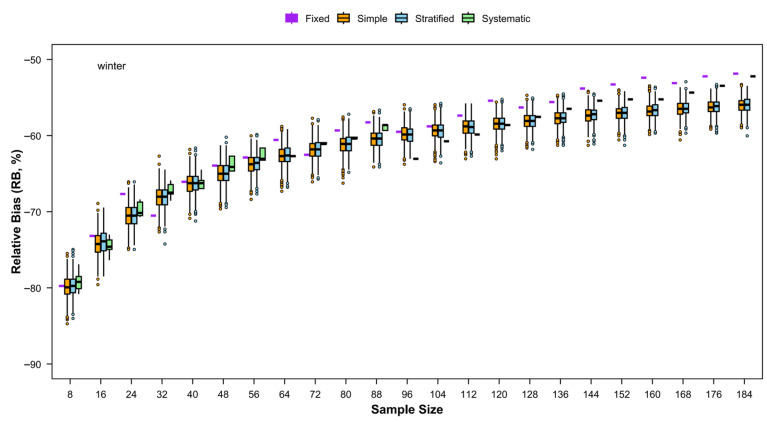 Figure 25
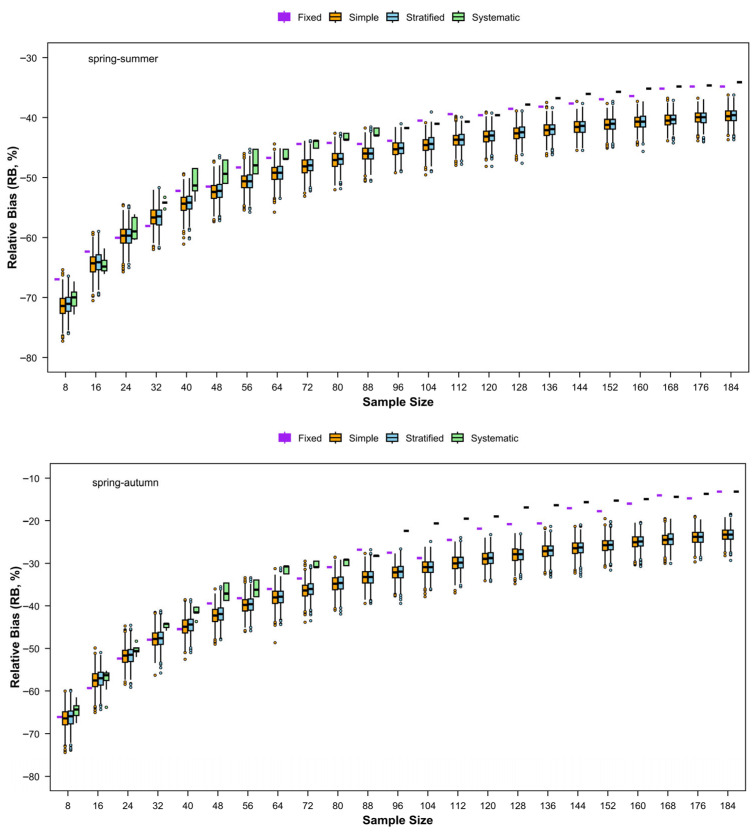 Figure 26
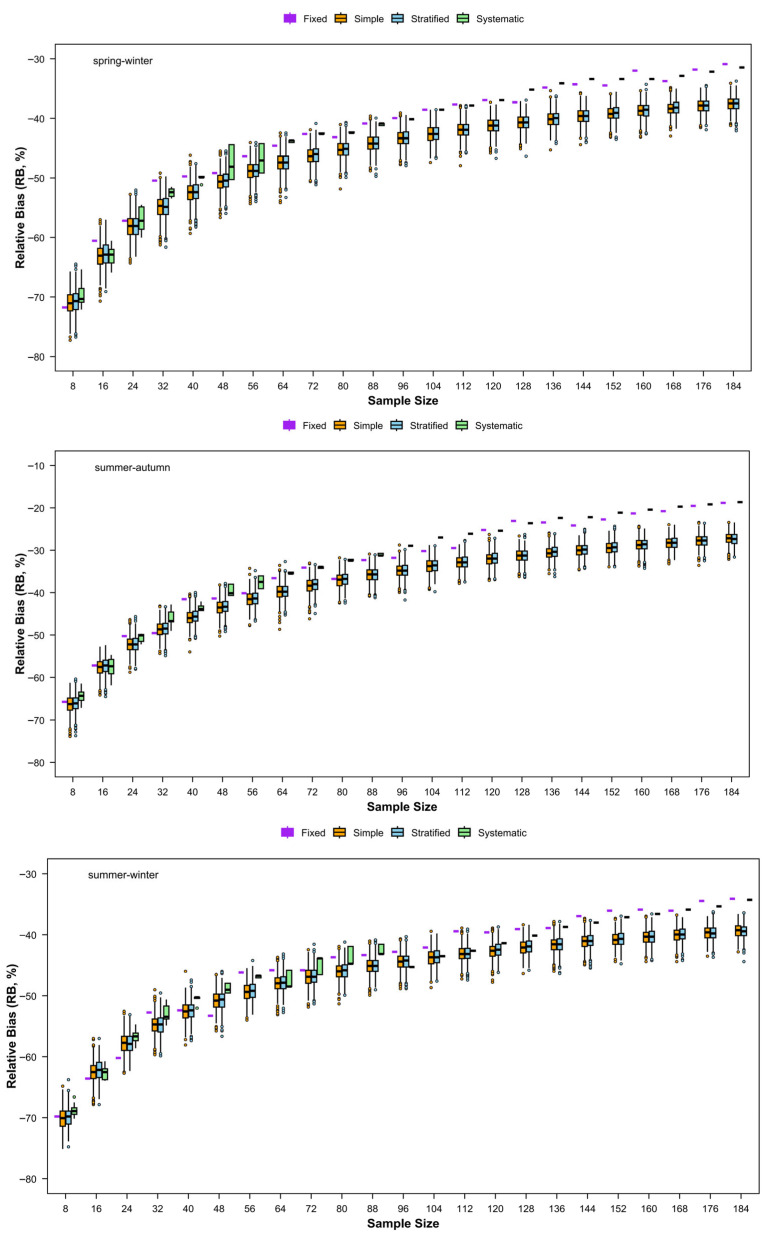 Figure 27
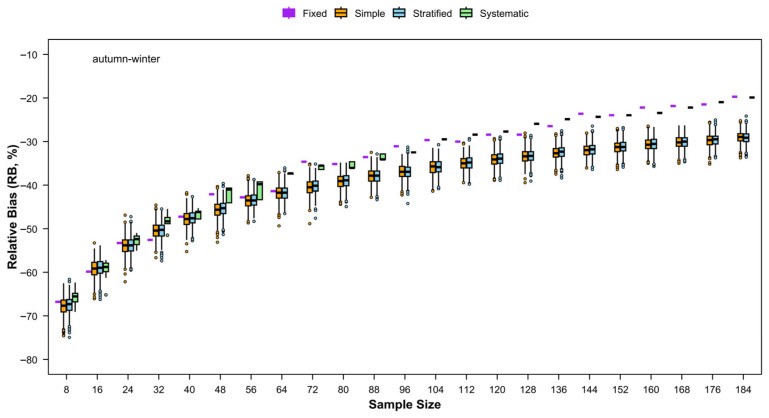 Figure 28
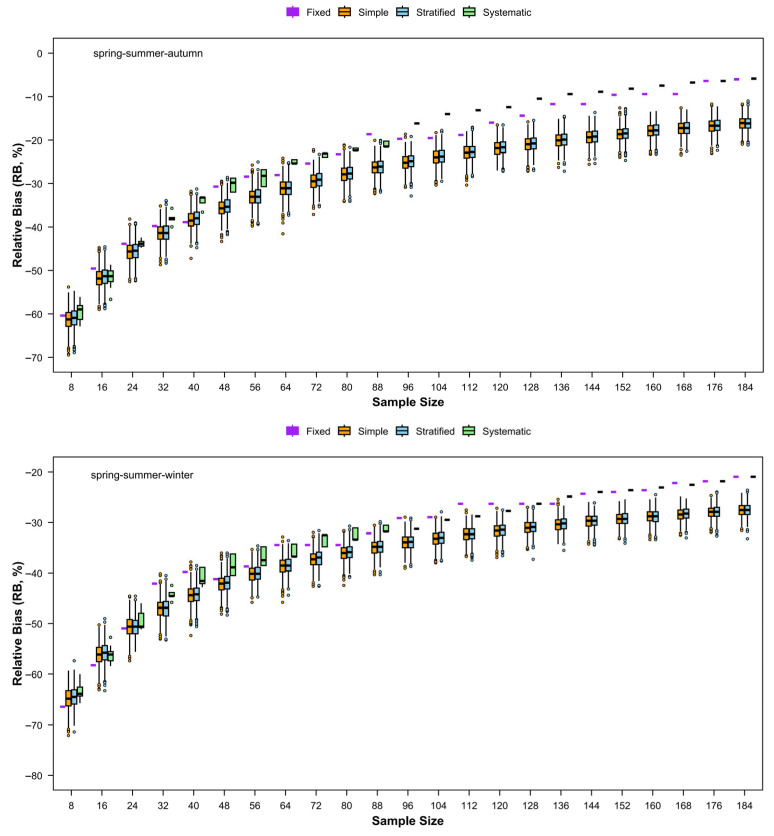 Figure 29
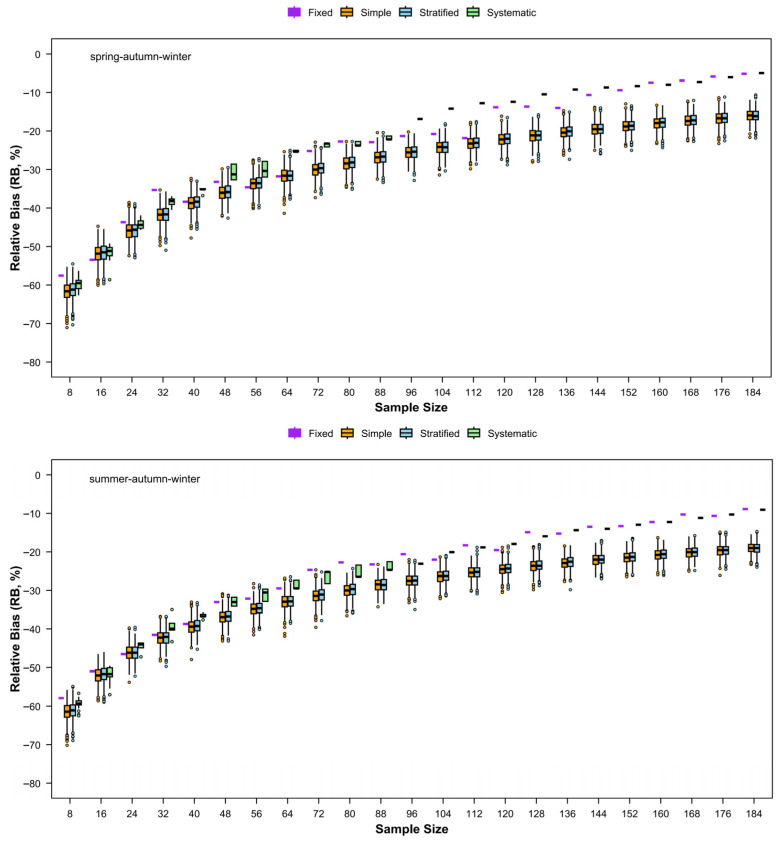 Figure 30
Peer Reviews
No public reviews on file for this paper yet. If you reviewed it on a platform where reviews are public (OpenReview, ICLR, NeurIPS, ICML), you can paste yours below so the community can read it here.
Videos
No videos yet. Explain this paper in a talk, walkthrough, or lecture? Add one.
Taxonomy
TopicsMarine and fisheries research · Cephalopods and Marine Biology · Coral and Marine Ecosystems Studies