ClinSegNet: Towards Reliable and Enhanced Histopathology Screening
Boyang Yu, Hannah Markham, Karwan Moutasim, Vipul Foria, Haiming Liu

TL;DR
ClinSegNet is a new framework for histopathology image analysis that improves detection of small lesions and reduces missed diagnoses.
Contribution
The novel ClinSegNet framework introduces a recall-oriented design with HistoLoss and an uncertainty-driven refinement mechanism for reliable lesion detection.
Findings
ClinSegNet achieved recall scores of 0.8803 and 0.8917 on the NuInsSeg and NuInsSeg-UHS datasets.
With HITL refinement, recall scores improved to 0.8983 and 0.9053 while maintaining competitive Dice and IoU metrics.
The framework effectively captures small or complex lesions and leverages limited clinical data through an automated annotation pipeline.
Abstract
In histopathological image segmentation, existing methods often show low sensitivity to small lesions and indistinct boundaries, leading to missed detections. Since, in clinical diagnosis, the consequences of missed detection are more serious than false alarms, this study proposes ClinSegNet, a recall-oriented and human-centred framework for reliable histopathology screening. ClinSegNet employs a composite optimisation strategy, termed HistoLoss, which balances stability and boundary refinement while prioritising recall. An uncertainty-driven refinement mechanism is further introduced to target high-uncertainty cases with limited fine-tuning cost. In addition, a clinical data processing pipeline was developed, where pixel-level annotations were automatically derived from IHC-to-H&E mapping and combined with public datasets, enabling effective training under limited clinical data…
Genes, proteins, chemicals, diseases, species, mutations and cell lines named across the full text — each resolved to its canonical identifier and authoritative record.
Click any figure to enlarge with its caption.
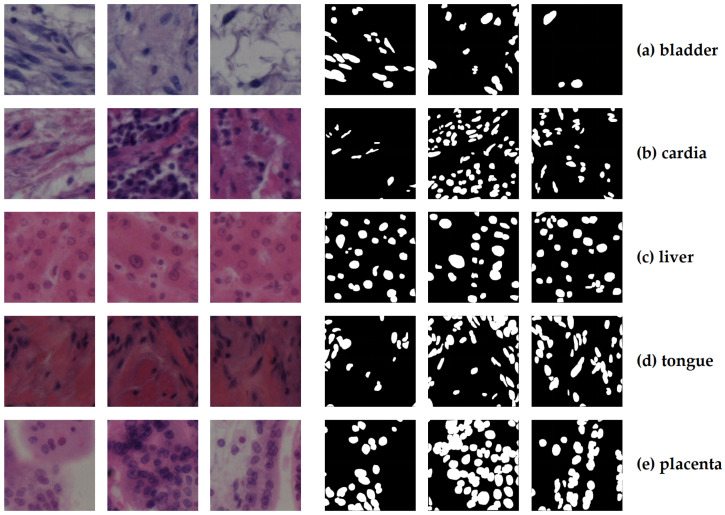 Figure 1
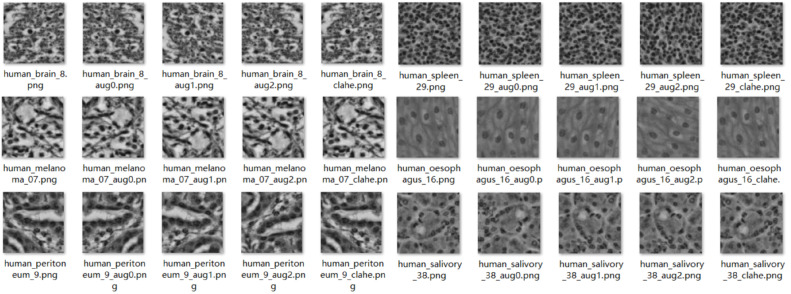 Figure 2
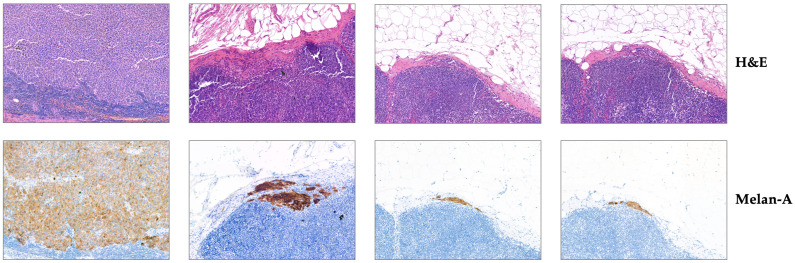 Figure 3
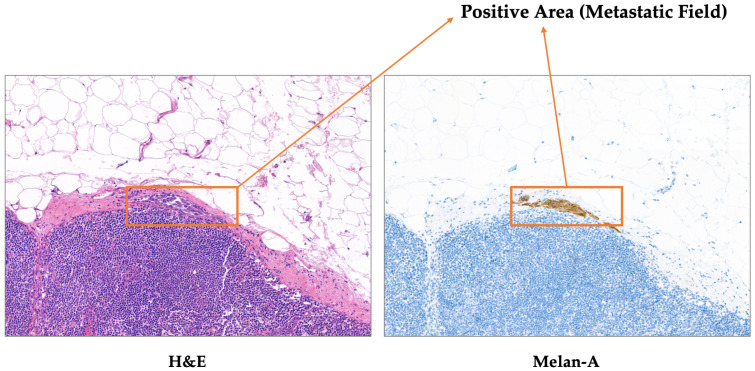 Figure 4
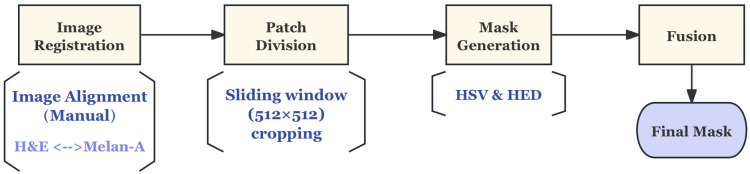 Figure 5
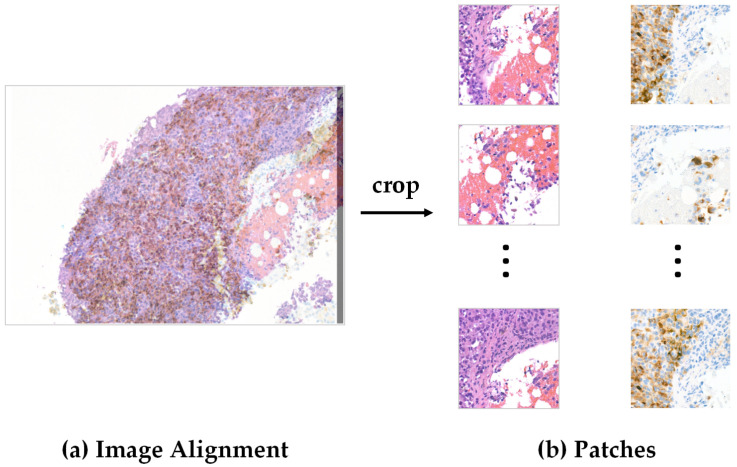 Figure 6
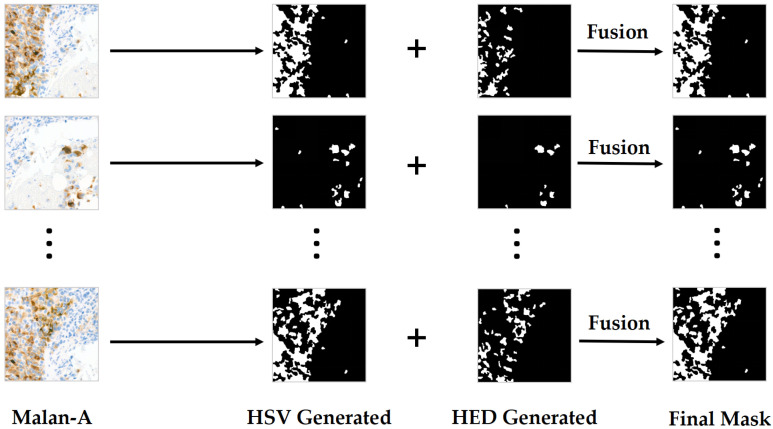 Figure 7
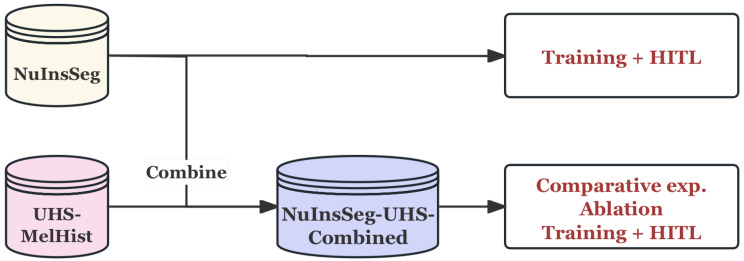 Figure 8
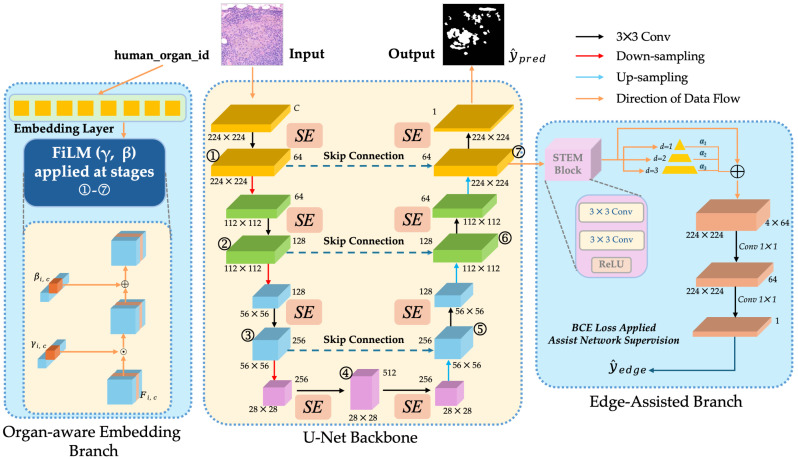 Figure 9
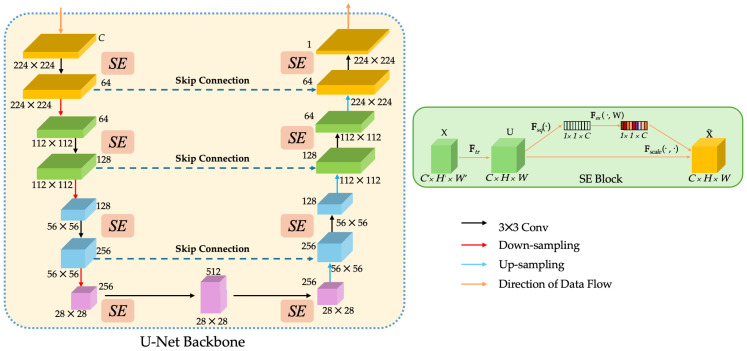 Figure 10
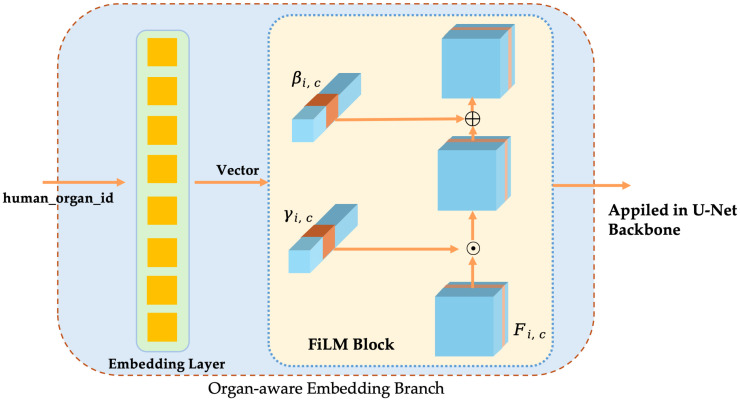 Figure 11
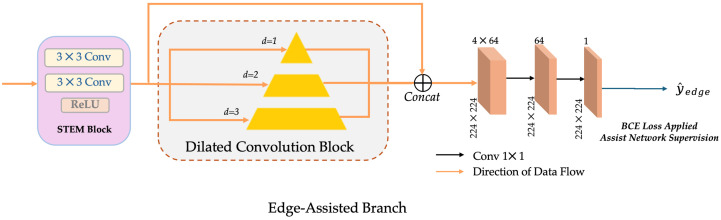 Figure 12
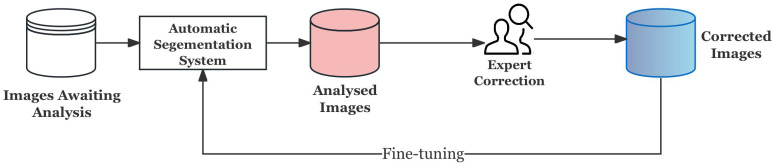 Figure 13
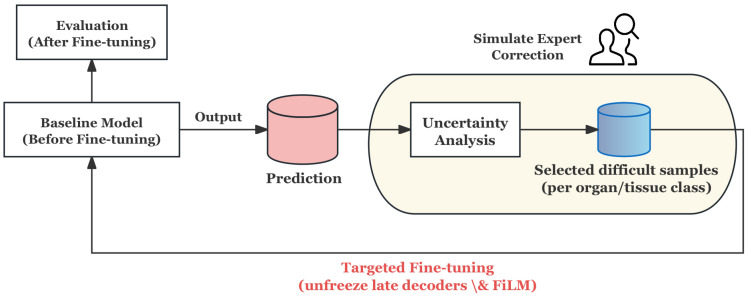 Figure 14
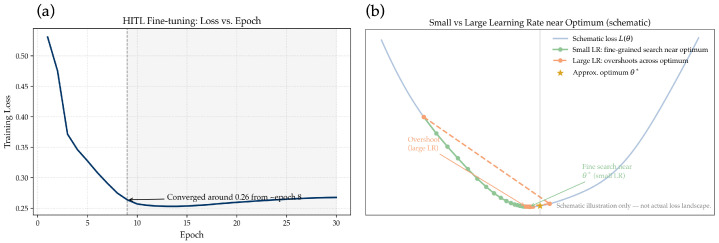 Figure 15
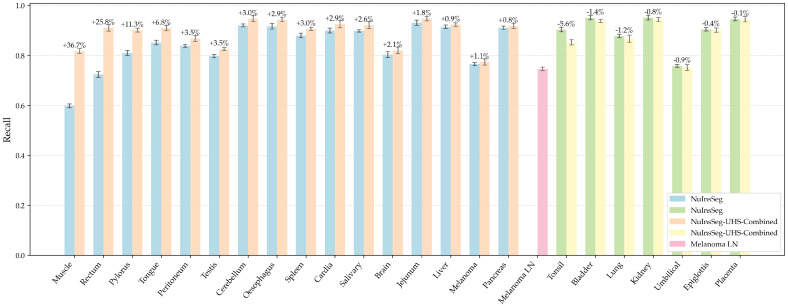 Figure 16
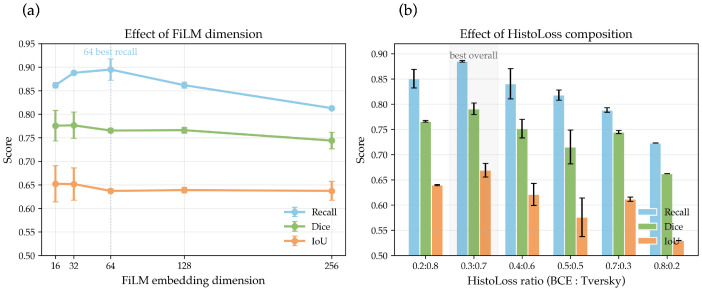 Figure 17
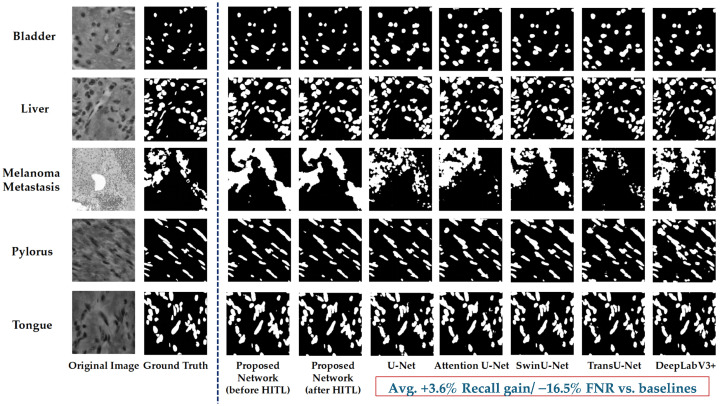 Figure 18
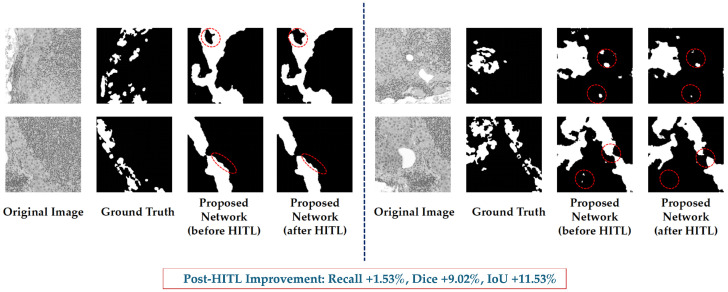 Figure 19
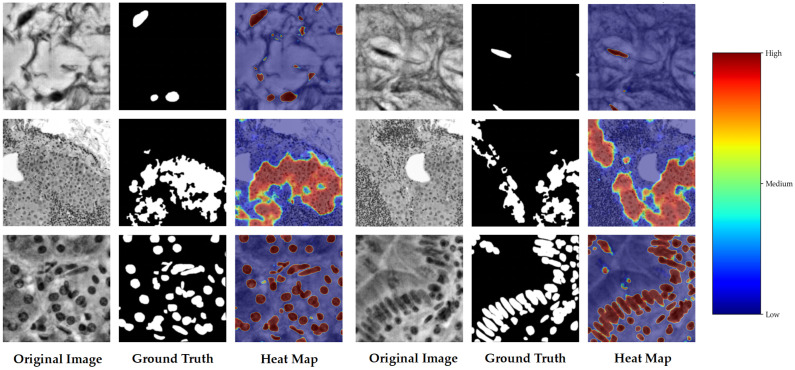 Figure 20
Peer Reviews
No public reviews on file for this paper yet. If you reviewed it on a platform where reviews are public (OpenReview, ICLR, NeurIPS, ICML), you can paste yours below so the community can read it here.
Videos
No videos yet. Explain this paper in a talk, walkthrough, or lecture? Add one.
Taxonomy
TopicsAI in cancer detection · Advanced Neural Network Applications · COVID-19 diagnosis using AI