A novel de novo missense variant in ASH1L associated with mild autism spectrum disorder and an uneven cognitive profile: a case report
Otabek Pulatov, William Nguyen, Diego Alvarez Vega, Romina Barros

TL;DR
A new genetic variant in ASH1L is linked to mild autism and uneven cognitive abilities in a child.
Contribution
This case report identifies a novel de novo missense variant in ASH1L associated with a milder neurodevelopmental phenotype.
Findings
A novel de novo missense variant in ASH1L was identified in a patient with mild autism and uneven cognitive abilities.
The variant was predicted to be damaging and is the strongest candidate to explain the patient's phenotype.
The findings expand the phenotypic spectrum of ASH1L-related disorders and suggest milder outcomes are possible with missense variants.
Abstract
ASH1L-related intellectual developmental disorder represents an emerging neurodevelopmental syndrome with significant phenotypic heterogeneity (Cordova et al. in Genes (Basel). 15(4):423, 2024). Comprehensive genomic analysis demonstrates superior diagnostic yield compared with targeted approaches in complex neurodevelopmental presentations (Srivastava et al. in Genet Med. 21(11):2413–2421, 2019). This report describes a 6-year-old Central Asian (Uzbek) male patient with a history of global developmental delay who was diagnosed with mild autism spectrum disorder, attention-deficit/hyperactivity disorder, and a developmental expressive language disorder. Neuropsychological assessment revealed an uneven cognitive profile with average verbal abilities but below-average nonverbal reasoning. After uninformative targeted genetic panels, trio whole-genome sequencing identified a novel de novo…
Genes, proteins, chemicals, diseases, species, mutations and cell lines named across the full text — each resolved to its canonical identifier and authoritative record.
Click any figure to enlarge with its caption.
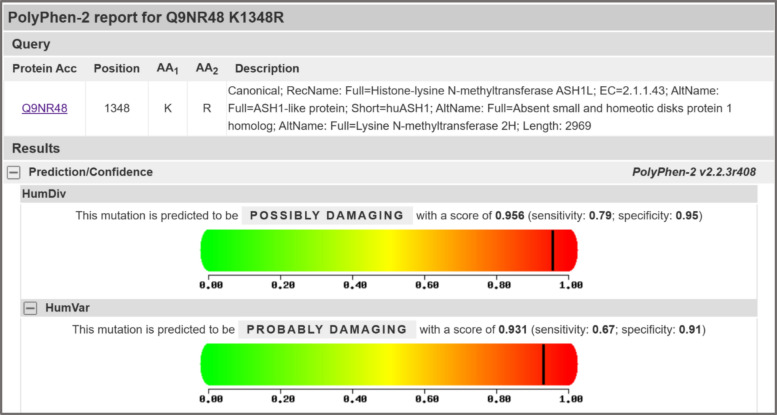 Figure 1
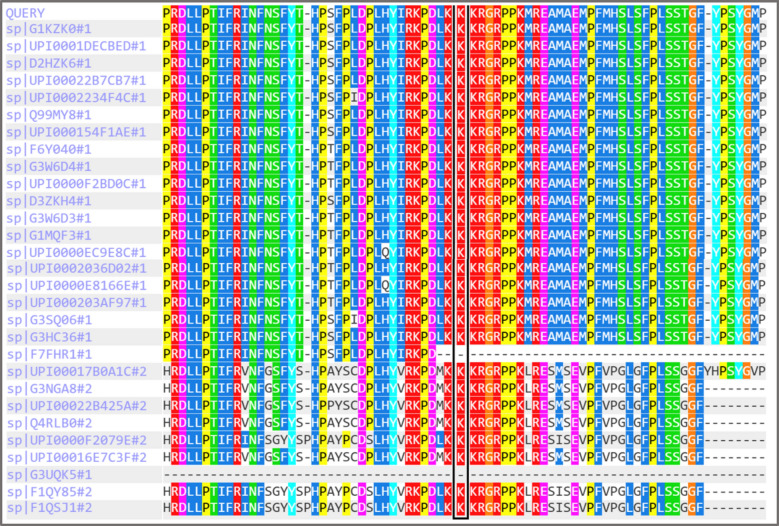 Figure 2
Peer Reviews
No public reviews on file for this paper yet. If you reviewed it on a platform where reviews are public (OpenReview, ICLR, NeurIPS, ICML), you can paste yours below so the community can read it here.
Videos
No videos yet. Explain this paper in a talk, walkthrough, or lecture? Add one.
Taxonomy
TopicsGenomics and Rare Diseases · Cerebrovascular and genetic disorders · Hereditary Neurological Disorders