Improving the efficiency of drug resistant tuberculosis treatment trials: a time-to-event alternative marker for bacteriological response and adaptive minimization for randomization
Elise De Vos, Annelies Van Rie, Steven Abrams

TL;DR
This paper proposes a new method to improve the efficiency of drug-resistant tuberculosis treatment trials by using a time-based model and adaptive randomization.
Contribution
The study introduces a time-to-event model for mycobacterial load decline and adaptive minimization to reduce sample size and covariate imbalance in RR-TB trials.
Findings
Using a non-linear mixed effects model reduced required sample size by 73% compared to traditional methods.
Adaptive minimization reduced baseline covariate imbalance in smaller sample sizes.
The proposed method could enhance the efficiency of RR-TB clinical trial design if validated.
Abstract
Establishing the efficacy of new treatments for rifampicin-resistant tuberculosis (RR-TB) is challenging due to the long-term clinical endpoints of two-year relapse-free survival. This study aimed to evaluate the effect of an alternative indicator of treatment response on sample size requirements and the use of a minimization strategy for randomization. Sample size estimates were compared when based on the commonly used endpoint of the proportion of patients achieving stable culture conversion (SCC) at 12 weeks versus a novel but corresponding indicator of treatment response based on a model of changes in mycobacterial load (MBL) over time. The non-linear mixed effects model, calibrated using data from a RR-TB cohort in the same setting, included a longitudinal MBL decline, a probabilistic component for mycobacteria presence in sputum, and a time-to-event model for culture positivity.…
Genes, proteins, chemicals, diseases, species, mutations and cell lines named across the full text — each resolved to its canonical identifier and authoritative record.
Click any figure to enlarge with its caption.
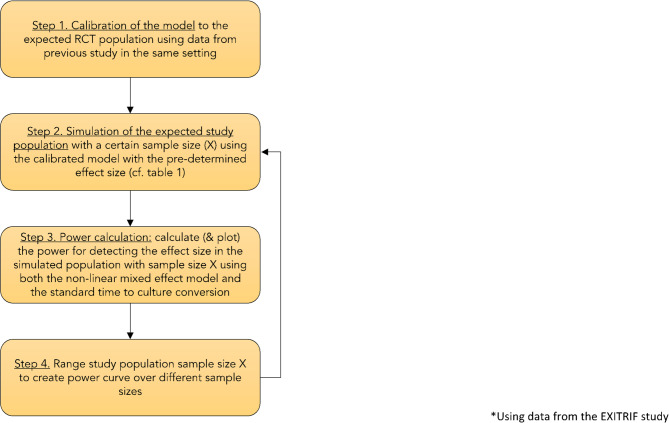 Figure 1
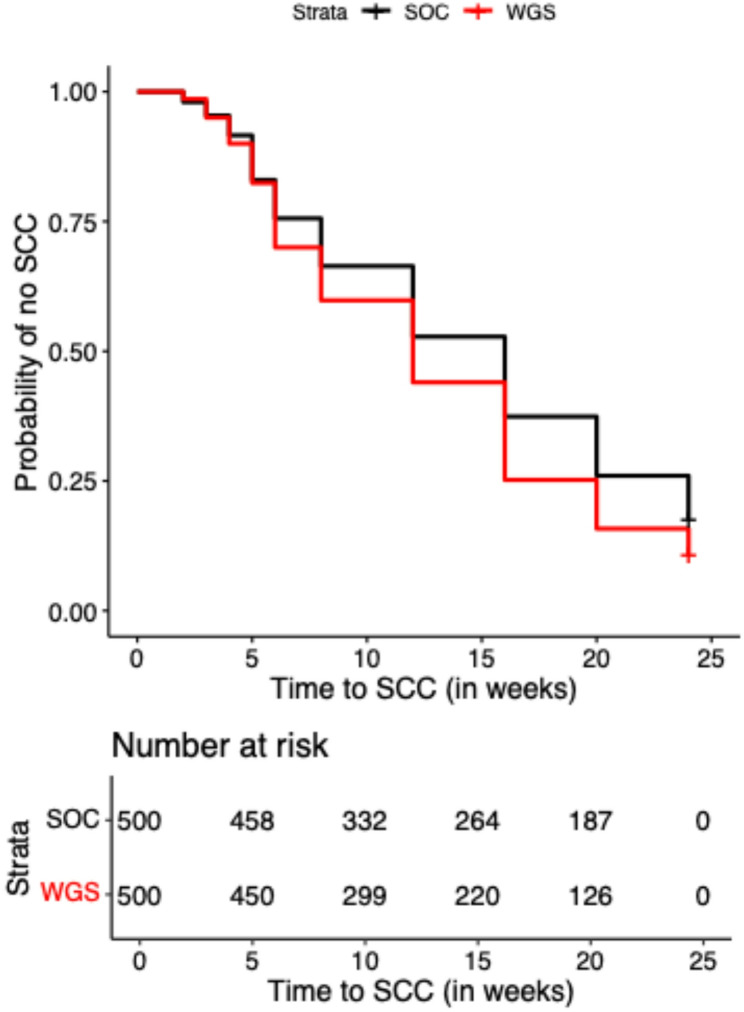 Figure 2
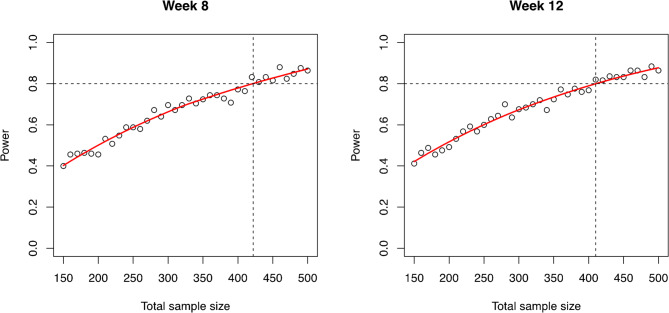 Figure 3
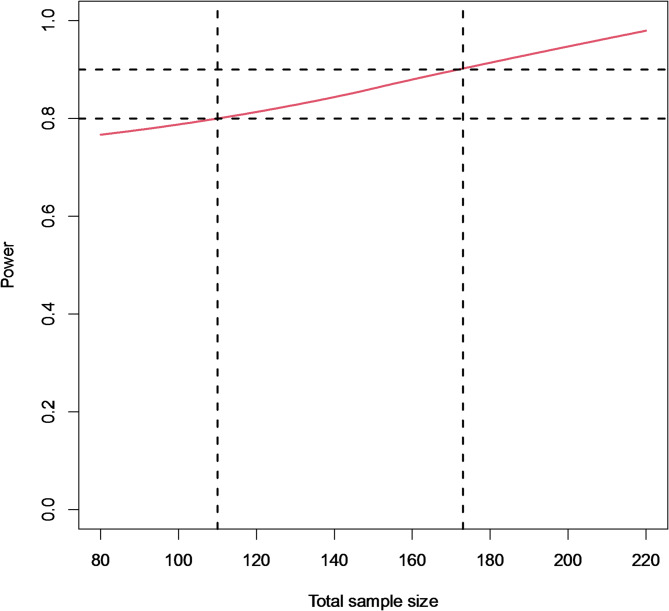 Figure 4
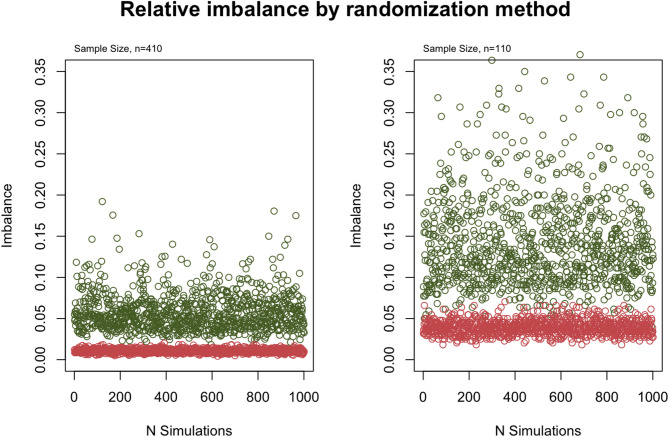 Figure 5
Peer Reviews
No public reviews on file for this paper yet. If you reviewed it on a platform where reviews are public (OpenReview, ICLR, NeurIPS, ICML), you can paste yours below so the community can read it here.
Videos
No videos yet. Explain this paper in a talk, walkthrough, or lecture? Add one.
Taxonomy
TopicsTuberculosis Research and Epidemiology · Statistical Methods in Clinical Trials · Mycobacterium research and diagnosis