Metabolite profiling of bioactive compounds in tempe flour and its potential as a hypocholesterolemic functional food
Made Astawan, Anisha Ayuning Tryas, Saraswati Saraswati, Tutik Wresdiyati, Diana Nur Afifah, Frima Elda, Rifqi Ahmad Riyanto, Sastia Prama Putri

TL;DR
This study compares tempe flour and soybean flour for their ability to lower cholesterol and identifies bioactive compounds in tempe flour that may help manage blood lipid levels.
Contribution
The study demonstrates that tempe flour has higher cholesterol-binding and anti-lipase activities than soybean flour, supported by metabolite profiling.
Findings
Tempe flour showed higher cholesterol-binding activity (27.66%) compared to soybean flour (14.98%).
Tempe flour exhibited stronger anti-lipase activity (23.24%) than soybean flour (15.03%).
Metabolomic analysis identified isoflavones, amino acids, and GABA in tempe flour, which may contribute to its hypolipidemic effects.
Abstract
High cholesterol is one of the risk factors for cardiovascular disease, which is currently a global health problem. This study aimed to compare the potential of tempe flour and soybean flour as functional foods for lowering blood lipid levels. This study evaluated both flour’s cholesterol-binding activity and anti-lipase activity in vitro. In addition, metabolomic profiling using GC-MS was conducted to identify bioactive compounds contributing to the hypolipidemic effect. The results showed that compared to soybean flour, tempe flour had a higher cholesterol-binding activity (27.66 vs. 14.98%, p < 0.05) and stronger anti-lipase activity (23.24 vs. 15.03%, p < 0.05). GC-MS analysis revealed that tempe flour was rich in isoflavones, amino acids, organic acids, meglutol, and GABA. These components are suspected to contribute to the hypolipidemic effect through mechanisms of inhibiting…
Genes, proteins, chemicals, diseases, species, mutations and cell lines named across the full text — each resolved to its canonical identifier and authoritative record.
Click any figure to enlarge with its caption.
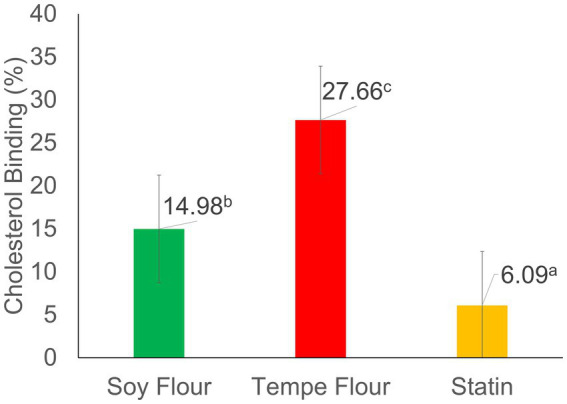 Figure 1
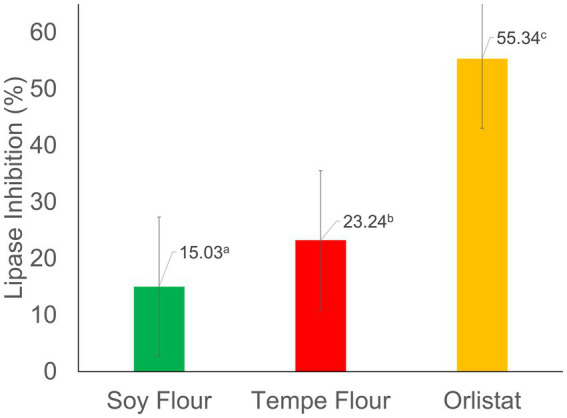 Figure 2
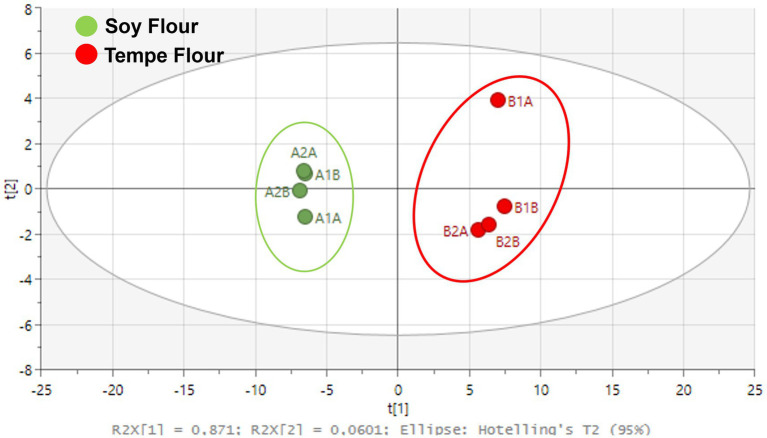 Figure 3
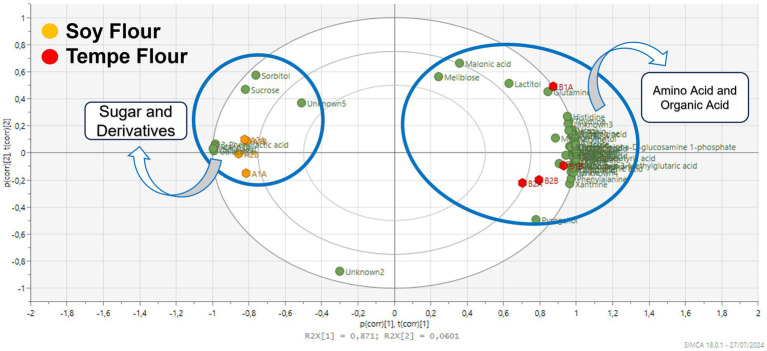 Figure 4
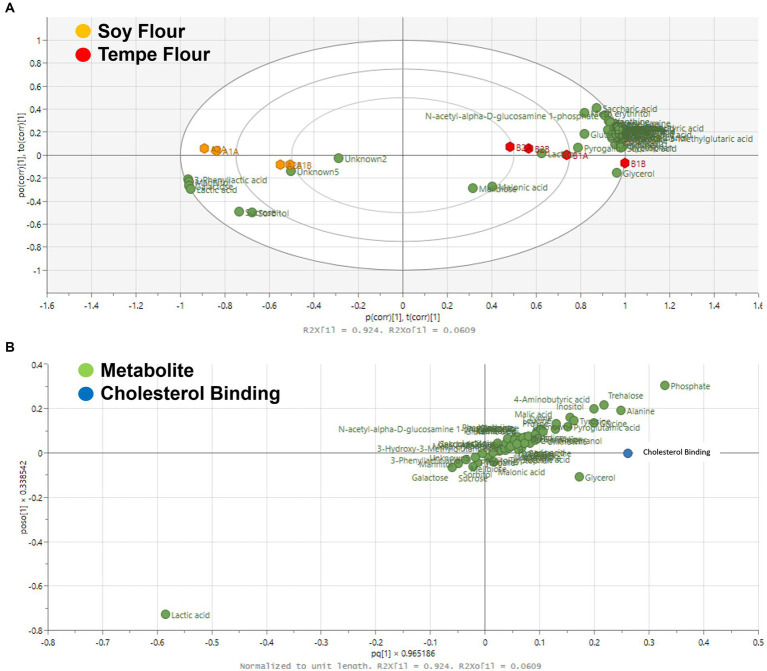 Figure 5
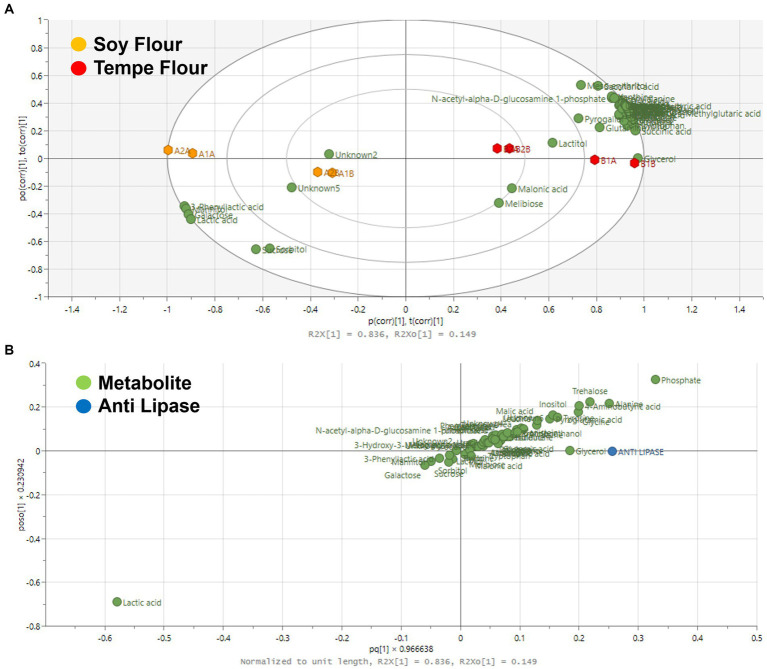 Figure 6
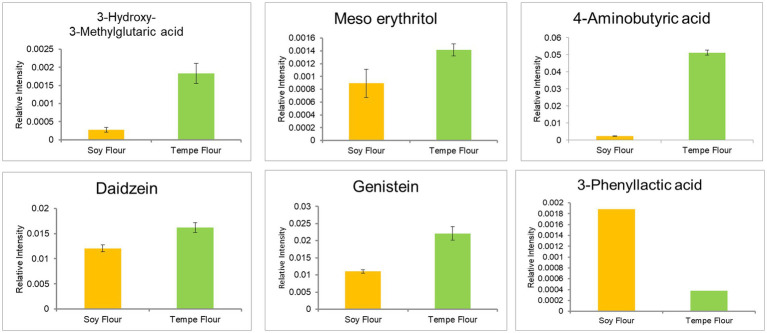 Figure 7
Peer Reviews
No public reviews on file for this paper yet. If you reviewed it on a platform where reviews are public (OpenReview, ICLR, NeurIPS, ICML), you can paste yours below so the community can read it here.
Videos
No videos yet. Explain this paper in a talk, walkthrough, or lecture? Add one.
Taxonomy
TopicsPhytoestrogen effects and research · Bioactive natural compounds · Phytochemicals and Antioxidant Activities