Analysis of sex difference in strychnine-intoxicated rat based on the combination of metabolic kinetics and metabolomics
Wen Zhang, Chaoren Wang, Haiyun Liu, Sitong Nan, Fenglin Zhang, Congying Liu, Jiangwei Yan, Juan Jia

TL;DR
The study finds that female rats metabolize strychnine more slowly than males, and this difference is influenced by sex hormones and metabolic pathways like ABC transporters and pyrimidine metabolism.
Contribution
The study reveals sex-specific differences in strychnine metabolism and identifies potential metabolic pathways responsible for these differences in rats.
Findings
Intact female rats had higher peak plasma concentrations of strychnine compared to males.
Gonadectomy reduced peak concentrations in both sexes, but females still had higher levels than males.
Sex-specific differences in ABC transporter expression, pyrimidine metabolism, and linoleic acid metabolism were observed.
Abstract
Drug metabolism va-specific dosing. Strychnine, the primary active compound in strychnine-based alkaloids, is used for treatment of hemiplegia or amblyopia. However, knowledge of sex-based difference in the pharmacokinetics of strychnine remains limited, increasing the risk of dosage error and potential toxicity in patient.ries between men and women derived from the difference in body fat distribution and hormone secretion, necessitating sex. Rats were divided into intact (possessing reproductive organ) and gonadectomized (GDX) groups, including 6 males and 6 females in each one. In the GDX rat group, testes were removed from male rat at 5 weeks of age, while ovaries were removed from female rat. The GDX rats were maintained for an additional 15 days. All intact and GDX rats were tested at 8 weeks of age. Both intact and GDX rats were subjected to acute strychnine exposure through an…
Genes, proteins, chemicals, diseases, species, mutations and cell lines named across the full text — each resolved to its canonical identifier and authoritative record.
Click any figure to enlarge with its caption.
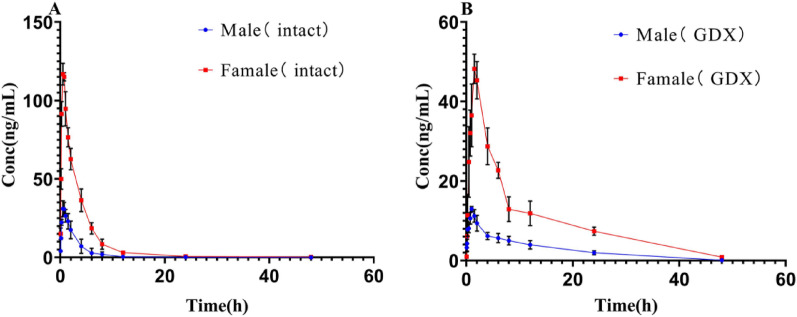 Figure 1
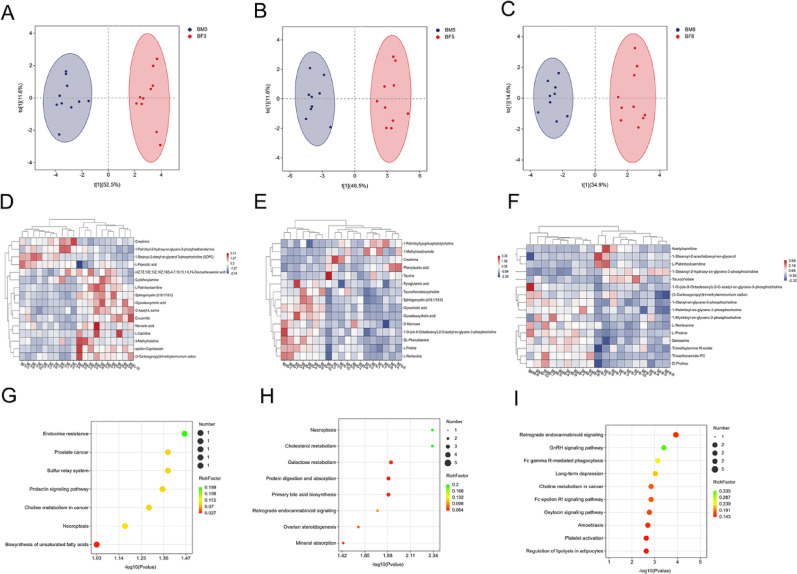 Figure 2
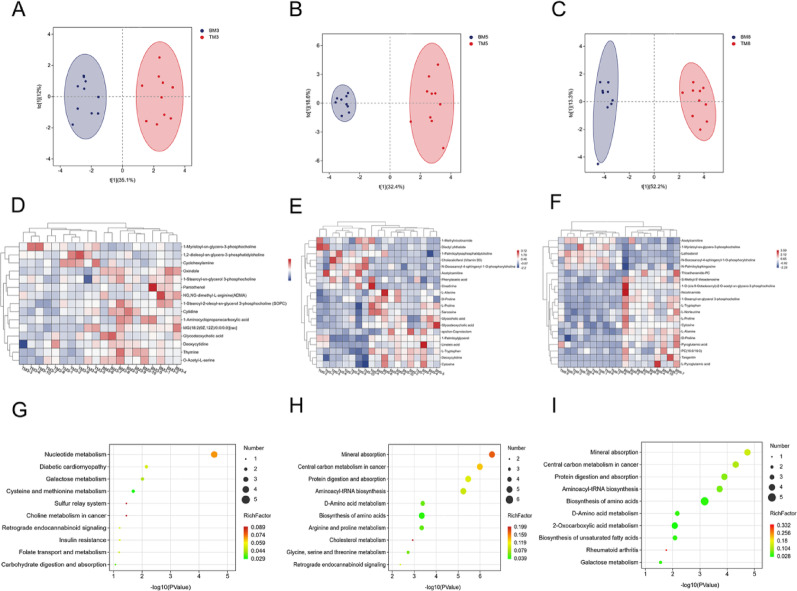 Figure 3
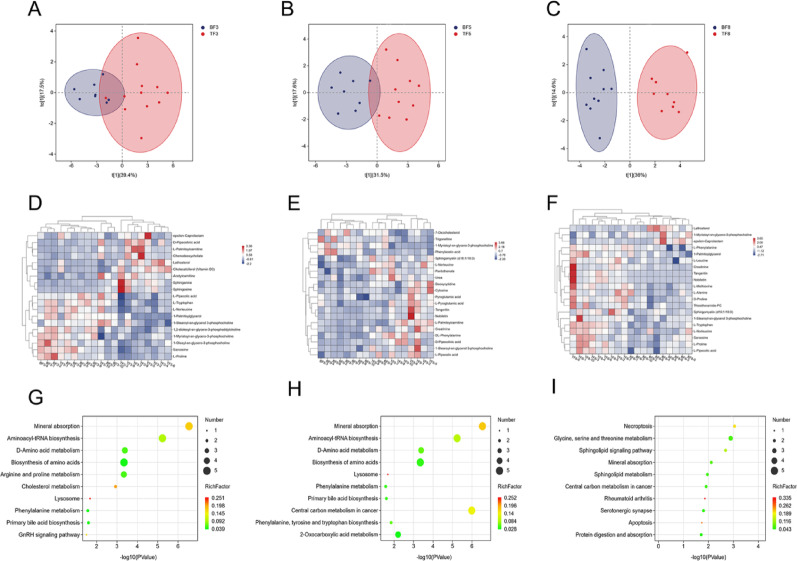 Figure 4
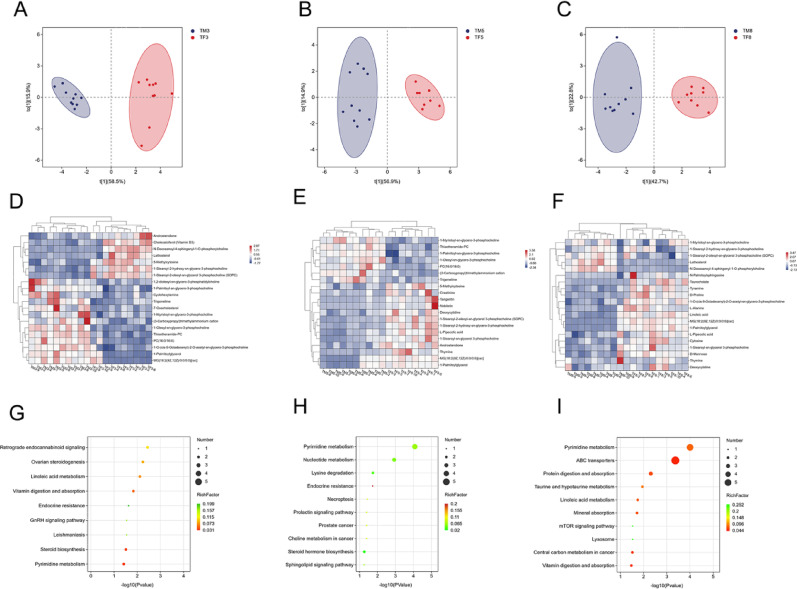 Figure 5
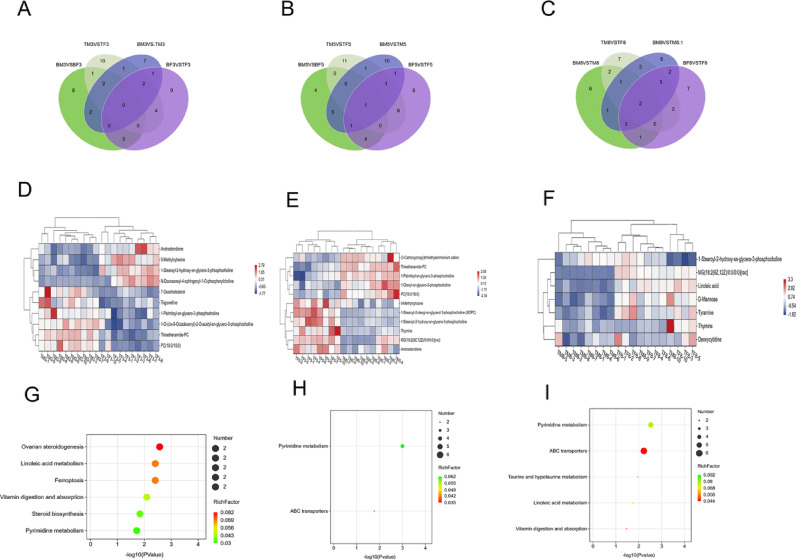 Figure 6
Peer Reviews
No public reviews on file for this paper yet. If you reviewed it on a platform where reviews are public (OpenReview, ICLR, NeurIPS, ICML), you can paste yours below so the community can read it here.
Videos
No videos yet. Explain this paper in a talk, walkthrough, or lecture? Add one.
Taxonomy
TopicsMetabolomics and Mass Spectrometry Studies · Plant-based Medicinal Research · Retinoids in leukemia and cellular processes