Neurocognitive function in males with 46,XX testicular difference of sex development
Etki Albayrak Rasborg Hartogsohn, Mirkka Hiort, Julia Rohayem, Jens Fedder, Sandra Laurentino, Jörg Gromoll, Silke Jörgens, Lukas Ochsner Reynaud Ridder, Anne Skakkebaek, Cecilie Buskbjerg, Agnethe Berglund, Claus Højbjerg Gravholt

TL;DR
Males with 46,XX testicular difference of sex development show lower working memory scores compared to typical males, though overall cognitive function remains within normal ranges.
Contribution
This study provides new empirical evidence on neurocognitive differences in 46,XX T-DSD males, specifically highlighting working memory deficits.
Findings
46,XX T-DSD males scored significantly lower on the Working Memory Index compared to controls.
56% of 46,XX T-DSD males scored in the low average or below range on FSIQ, compared to 13.6% in controls.
All mean cognitive scores remained within normal ranges despite observed differences.
Abstract
46,XX testicular difference of sex development (46,XX T-DSD) is a rare condition, in which individuals with a typical female chromosomal pattern (46,XX) present with a male phenotype. Although neurocognitive function has previously been reported as normal in males with 46,XX T-DSD, studies indicate potential neurocognitive challenges, including lower educational attainment. We aimed to assess neurocognitive function in males with 46,XX T-DSD compared to 46,XY male controls using the Wechsler Adult Intelligence Scale, Fourth Edition (WAIS-IV). 47 participants were included in the study, comprising 25 males with 46,XX T-DSD and 22 46,XY male controls matched on age and educational level. Of the 25 46,XX T-DSD males, 23 had an SRY translocation, while the remaining two were SRY-negative; one of these showed a SOX9 duplication, and no genetic cause was identified for the other despite…
Genes, proteins, chemicals, diseases, species, mutations and cell lines named across the full text — each resolved to its canonical identifier and authoritative record.
Click any figure to enlarge with its caption.
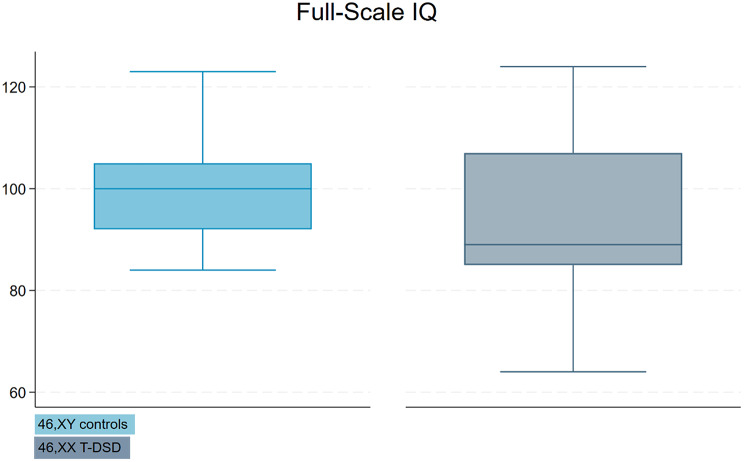 Figure 1
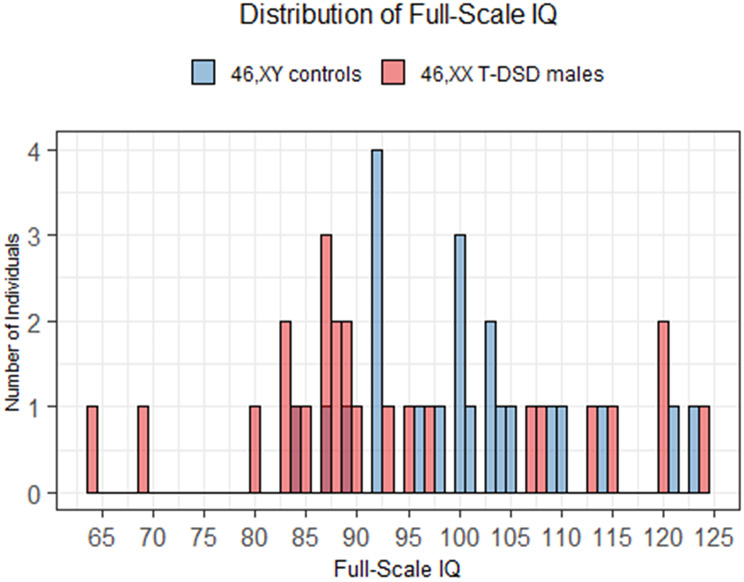 Figure 2
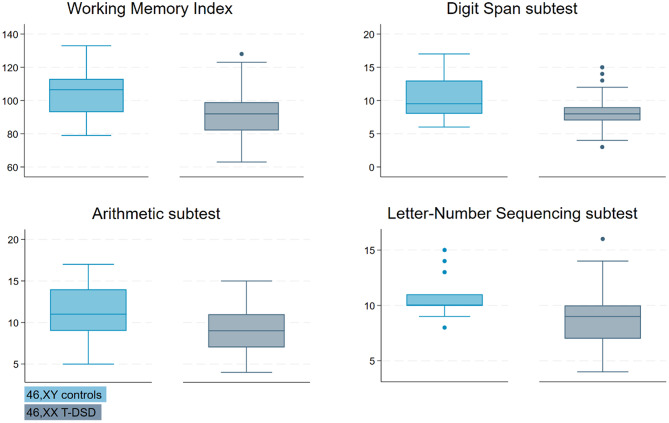 Figure 3
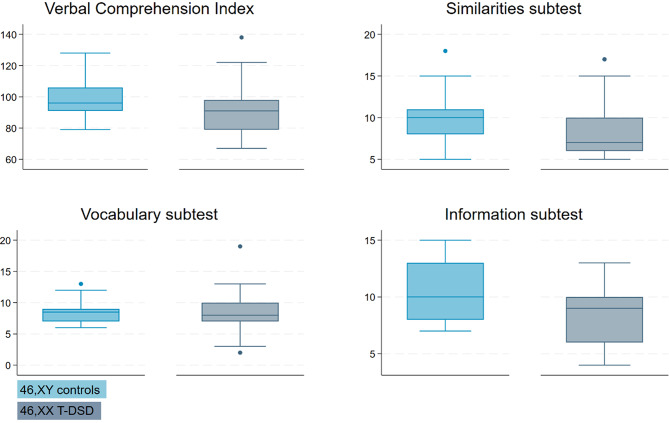 Figure 4
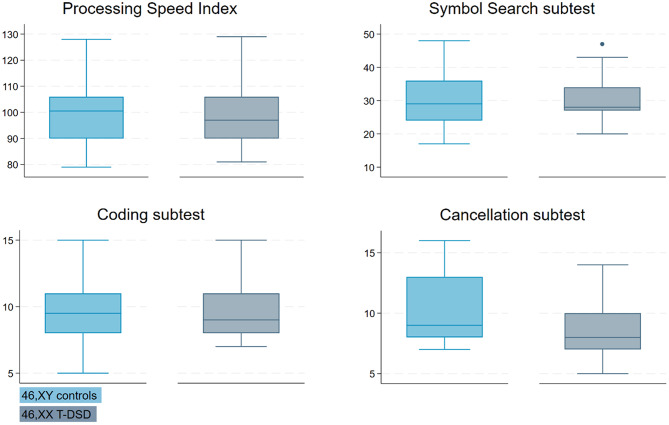 Figure 5
Peer Reviews
No public reviews on file for this paper yet. If you reviewed it on a platform where reviews are public (OpenReview, ICLR, NeurIPS, ICML), you can paste yours below so the community can read it here.
Videos
No videos yet. Explain this paper in a talk, walkthrough, or lecture? Add one.
Taxonomy
TopicsHypothalamic control of reproductive hormones · Sexual Differentiation and Disorders · Genetic and Clinical Aspects of Sex Determination and Chromosomal Abnormalities