Biochemical, histopathological, and immunohistochemical study on the ameliorative effect of crocin against lipopolysaccharide‑induced hippocampal toxicity in male albino rats
Eatemad A. Awadalla, Ola Mohamed, Ahmed Abdelsadik, Hoda S. Sherkawy, Abd El-Kader M. Abd El-Kader

TL;DR
This study shows that crocin, a compound from saffron, can reduce brain damage caused by neuroinflammation in rats.
Contribution
The novel contribution is demonstrating crocin's ameliorative effect on LPS-induced hippocampal toxicity in rats.
Findings
Crocin and captopril treatment improved biochemical and histological hippocampal alterations caused by LPS.
Combination therapy with crocin and captopril showed effective neuroprotection against LPS-induced toxicity.
Crocin alone or in combination reduced inflammation and oxidative stress markers in rat hippocampus.
Abstract
Lipopolysaccharide (LPS)-induced neuroinflammation is widely used as an animal model for studying the mechanisms of neuroinflammation. Crocin, an active component of saffron (Crocus sativus L), possesses several beneficial properties. The present study aimed to investigate the role of crocin in alleviating hippocampal toxicity induced by LPS in rats. Forty male albino rats were randomly divided into five groups. Group I served as a control. Group II intraperitoneally (i.p.) injected with LPS (1 mg/kg/day) for a week. Groups III, IV, and V were treated by oral gavage with captopril (50 mg/kg/day), crocin (50 mg/kg/day), and a combination of both captopril (50 mg/kg/day) and crocin (50 mg/kg/day), respectively for 30 consecutive days, starting on the 8th day after LPS i.p. injection. During the therapy schedule, rats were tested for memory and learning abilities. Hippocampal samples were…
Genes, proteins, chemicals, diseases, species, mutations and cell lines named across the full text — each resolved to its canonical identifier and authoritative record.
Click any figure to enlarge with its caption.
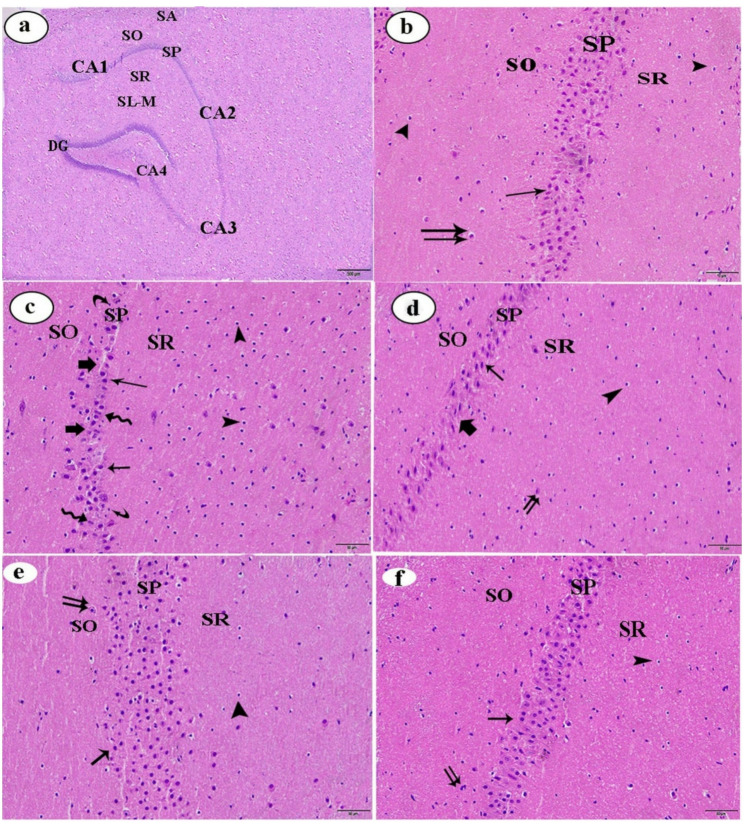 Figure 1
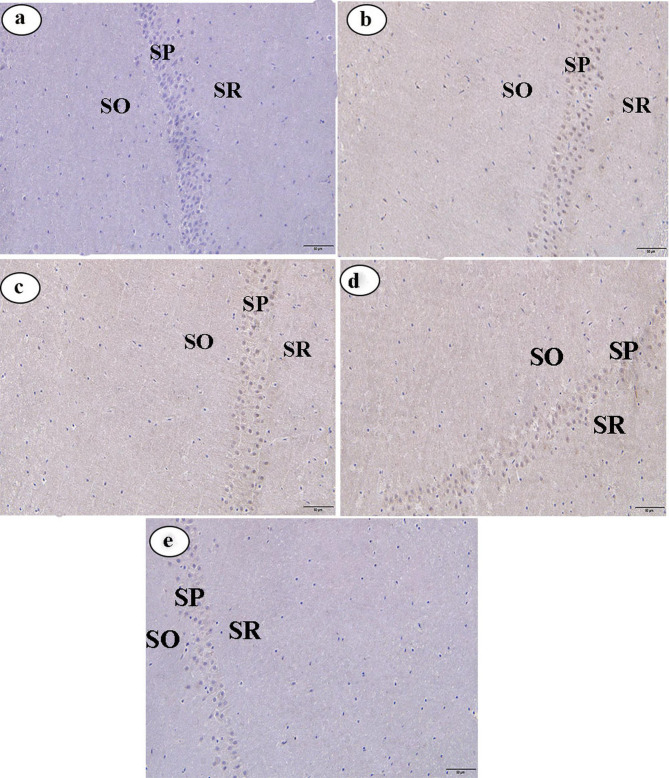 Figure 2
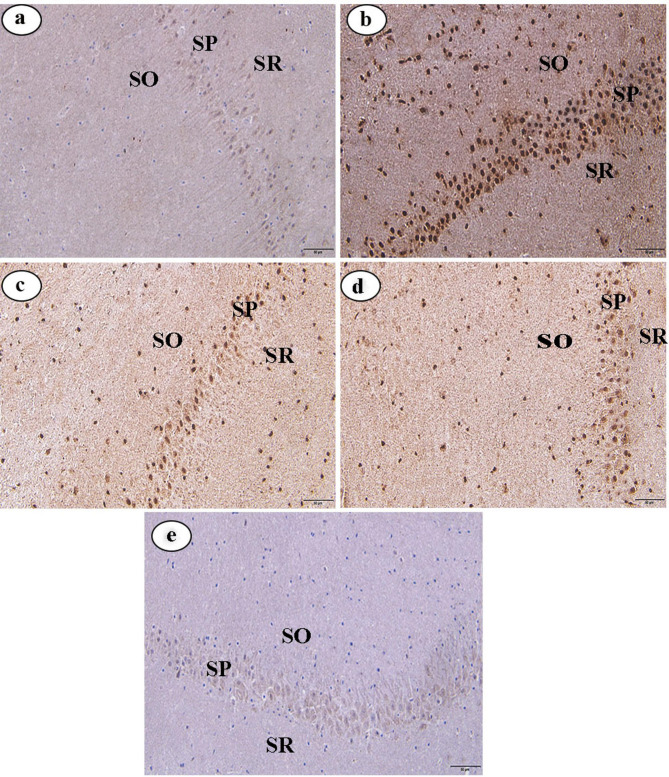 Figure 3
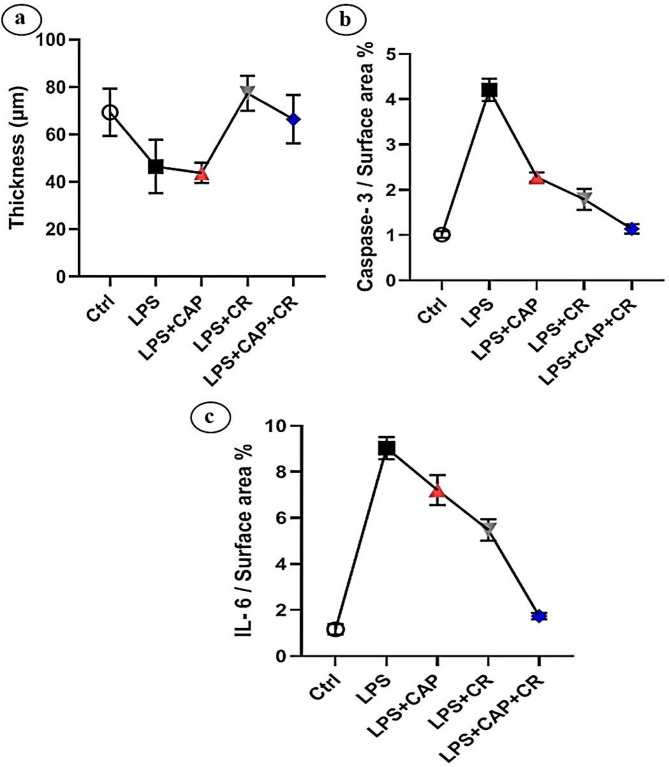 Figure 4
Peer Reviews
No public reviews on file for this paper yet. If you reviewed it on a platform where reviews are public (OpenReview, ICLR, NeurIPS, ICML), you can paste yours below so the community can read it here.
Videos
No videos yet. Explain this paper in a talk, walkthrough, or lecture? Add one.
Taxonomy
TopicsSaffron Plant Research Studies · Flavonoids in Medical Research · Antioxidants, Aging, Portulaca oleracea