Pulmonary lesion volume ratio and laboratory parameters as risk factors for plastic bronchitis in pediatric refractory Mycoplasma pneumoniae pneumonia
Jiahui Wu, Fangfang Cheng, Xiaoxing Kong, Qinghui Chen, Ting Shi, Yuanxi Bian, Jianmei Tian

TL;DR
The study identifies risk factors for plastic bronchitis in children with a severe form of Mycoplasma pneumoniae pneumonia.
Contribution
The study introduces a scoring system using clinical and laboratory parameters to predict plastic bronchitis risk in pediatric patients with refractory Mycoplasma pneumoniae pneumonia.
Findings
Elevated NLR, LDH, ALT, pulmonary lesion volume ratio, and reduced APTT are independent predictors of plastic bronchitis in pediatric RMPP.
A scoring system based on these predictors achieved high sensitivity and specificity in identifying PB cases.
The high-risk group had a significantly higher incidence of plastic bronchitis compared to lower-risk groups.
Abstract
Refractory Mycoplasma pneumoniae pneumonia (RMPP) frequently leads to complications, including plastic bronchitis (PB). This study aimed to identify clinical risk factors for PB development in pediatric RMPP. A total of 361 pediatric patients with RMPP underwent bronchoscopy intervention were divided into a PB group and a non-PB group. Clinical characteristics, laboratory parameters, and chest CT findings were evaluated. Univariate analysis was initially performed to identify potential risk factors of PB, followed by multivariate logistic regression analysis to determine independent predictors, with receiver operating characteristic (ROC) analysis assessing their predictive value. A scoring system for PB risk assessment was developed based on odds ratio (OR) values. PB patients showed significantly higher rates of extrapulmonary lesions (48.98% vs. 18.59%, p < 0.001), pleural effusion…
Genes, proteins, chemicals, diseases, species, mutations and cell lines named across the full text — each resolved to its canonical identifier and authoritative record.
Click any figure to enlarge with its caption.
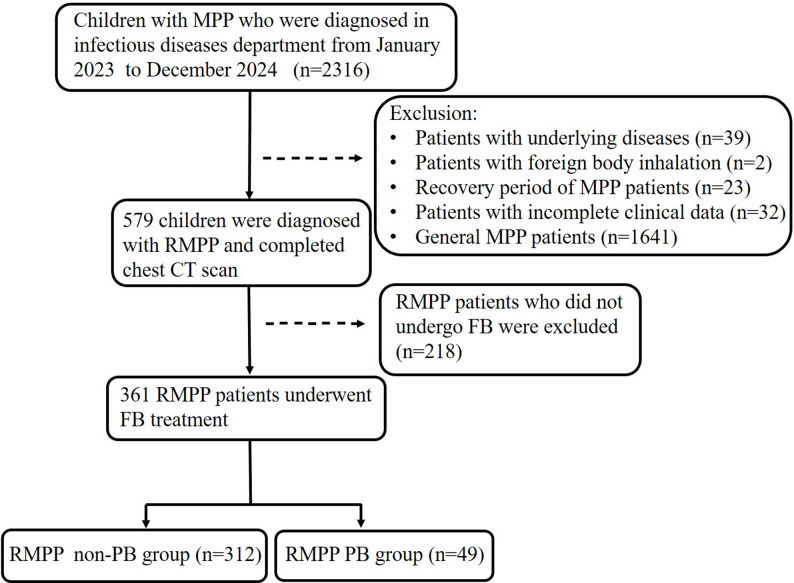 Figure 1
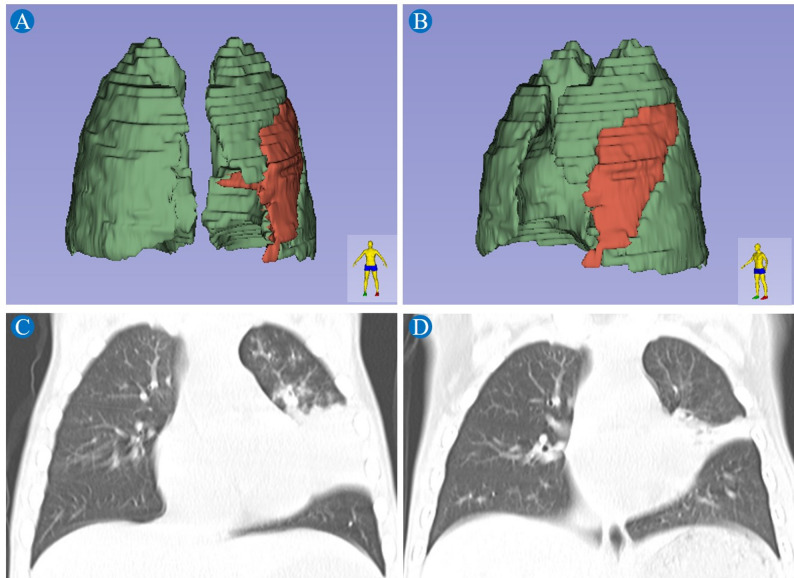 Figure 2
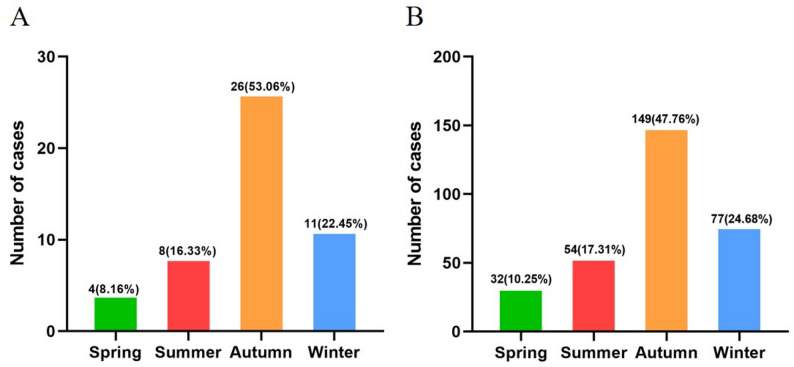 Figure 3
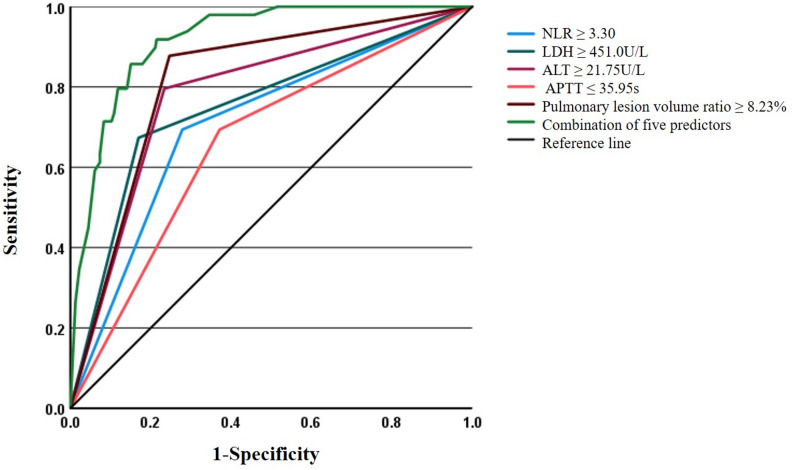 Figure 4
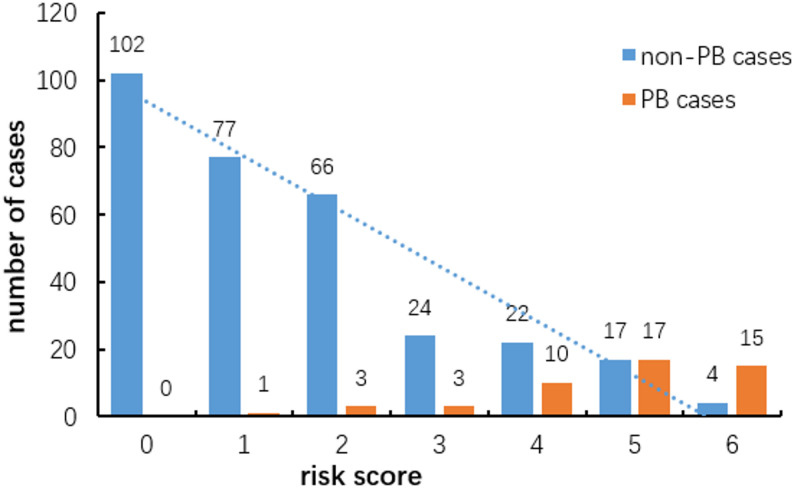 Figure 5
Peer Reviews
No public reviews on file for this paper yet. If you reviewed it on a platform where reviews are public (OpenReview, ICLR, NeurIPS, ICML), you can paste yours below so the community can read it here.
Videos
No videos yet. Explain this paper in a talk, walkthrough, or lecture? Add one.
Taxonomy
TopicsPneumonia and Respiratory Infections · Lymphatic Disorders and Treatments · Pleural and Pulmonary Diseases