Intermediate host recognition abilities of Fasciola hepatica miracidia
Natasha Sharma, Tanapan Sukee, Scott F. Cummins, Bonnie L. Webster, Winston F. Ponder, Anson V. Koehler, Neil D. Young

TL;DR
This study explores how Fasciola hepatica larvae respond to different snail species, finding that host-finding behavior doesn't always lead to successful attachment.
Contribution
The study reveals that miracidia of F. hepatica do not distinguish snail species during host-finding, but attachment success varies with snail type.
Findings
Miracidia showed similar movement responses to snail-conditioned water from different species.
Miracidia attached more successfully to native snails than invasive ones.
Host-finding behavior did not correlate with successful attachment to snail tissue.
Abstract
Fasciola hepatica, the causative agent of fascioliasis in sheep and cattle, requires a compatible snail intermediate host to complete its life cycle. The aquatic larval stage of this parasite is well-adapted for host-finding, with chemotactic abilities that enable it to sense potential host biomolecules. The extent of intermediate host recognition, particularly at the species level, and the downstream correlation with successful attachment has not been explored. This study investigated the ability of F. hepatica miracidia to distinguish between native and invasive host and non-host freshwater snail species during the host-finding and host-attachment phases. Quantitative and qualitative measurements of miracidial behaviour were compared pre- and post-exposure with snail-conditioned water (SCW) from both native and invasive host snails (lymnaeids Austropeplea cf. brazieri and…
Genes, proteins, chemicals, diseases, species, mutations and cell lines named across the full text — each resolved to its canonical identifier and authoritative record.
Click any figure to enlarge with its caption.
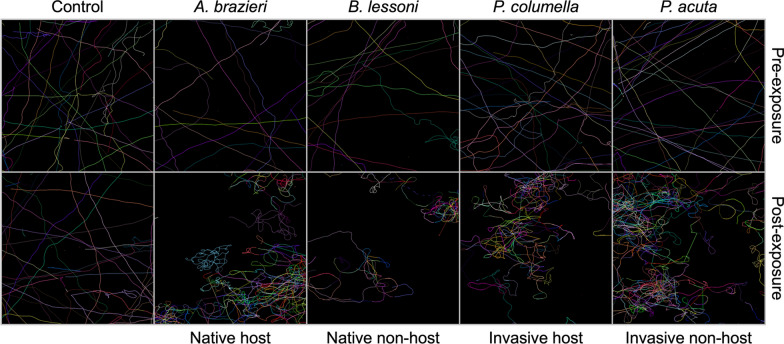 Figure 1
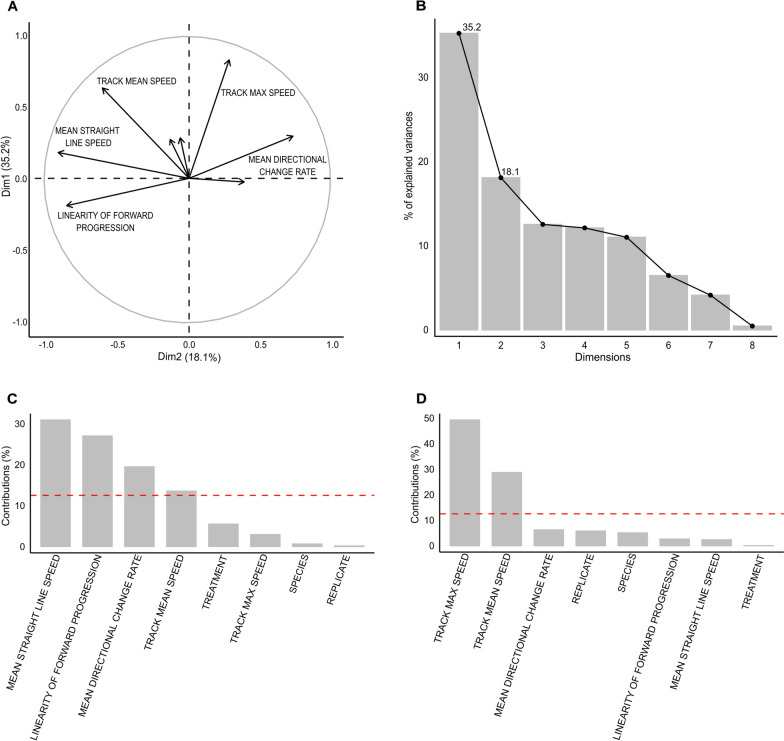 Figure 2
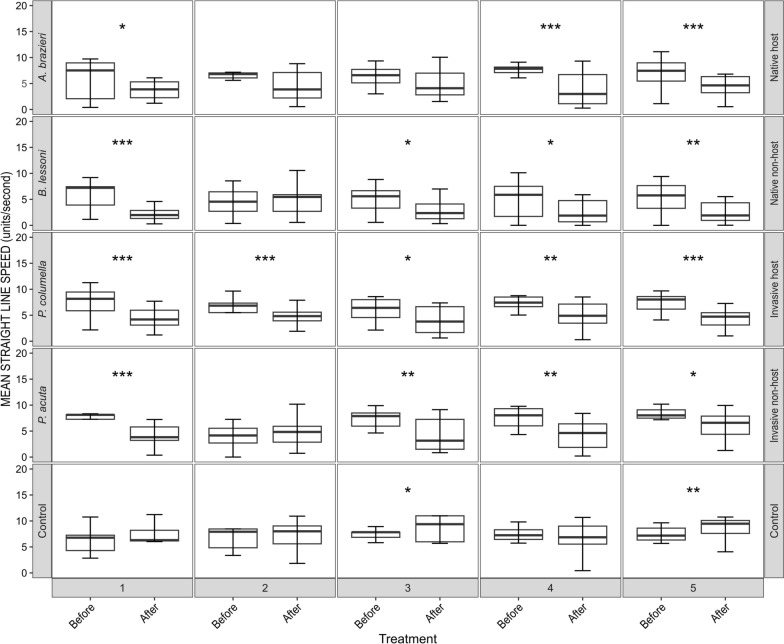 Figure 3
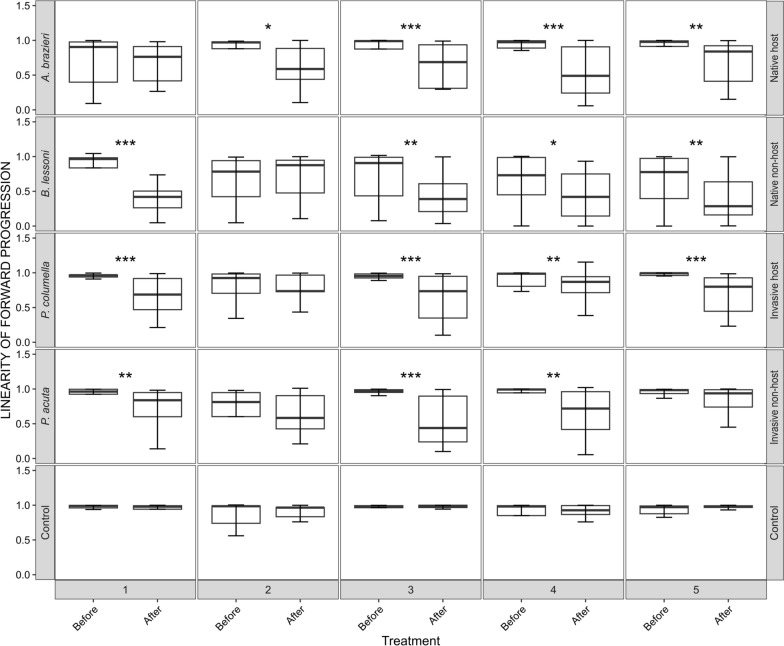 Figure 4
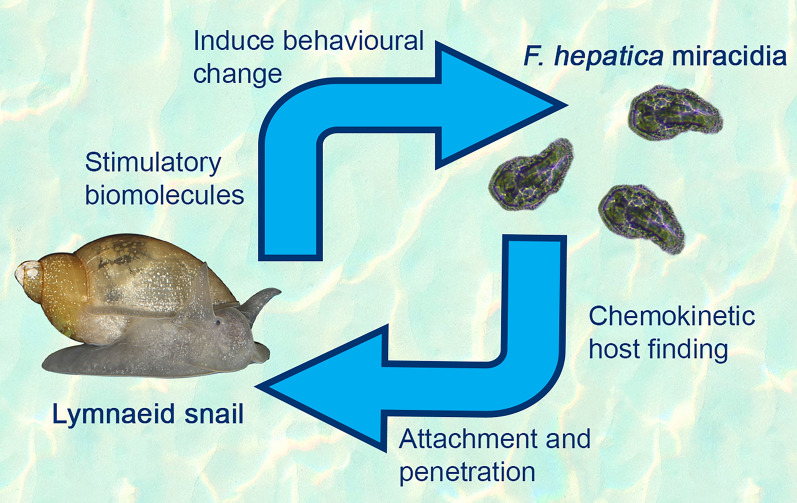 Figure 5
Peer Reviews
No public reviews on file for this paper yet. If you reviewed it on a platform where reviews are public (OpenReview, ICLR, NeurIPS, ICML), you can paste yours below so the community can read it here.
Videos
No videos yet. Explain this paper in a talk, walkthrough, or lecture? Add one.
Taxonomy
TopicsHelminth infection and control · Mollusks and Parasites Studies · Parasites and Host Interactions