British anti-Lewisite (BAL) reduces the severity of systemic and local responses of the eye after exposure to the chemical warfare agent surrogate for Lewisite, phenylarsine oxide (PAO)
Sarbani Hazra, Aditya Konar, Robb Welty, Uday B. Kompella

TL;DR
This study shows that BAL, when used as an eye drop, can effectively reduce eye damage and save lives after exposure to a chemical warfare agent similar to Lewisite.
Contribution
The study demonstrates BAL's efficacy as a topical treatment for ocular arsenical exposure, an unmet medical need.
Findings
BAL strongly binds to arsenic but not to essential minerals like calcium and zinc.
1% BAL eye drops significantly reduced PAO-induced ocular damage and saved all treated mice within 48 hours.
Histology showed better retinal preservation in BAL-treated mice compared to untreated ones.
Abstract
Arsenical ocular toxicity is acute, painful, and aggressive. Although British anti-Lewisite (BAL) is an approved therapy for systemic arsenical toxicity, remedial measure for ocular exposure of arsenicals is still an unmet need. This study evaluated the efficacy of BAL as topical drop for ameliorating the pathogenesis incited by phenylarsine oxide (PAO, surrogate for lewisite), a chemical warfare agent. The binding of BAL to arsenic and calcium and zinc, two essential cellular minerals was determined using Isothermal Titration Calorimetry (ITC). Ex vivo, mouse corneas were tested with various concentrations of BAL (0.1 %, 1 %, and 5 %). Injury was induced ex vivo using PAO, 25 µg/5 µL, and rescue was evaluated with 1 % BAL. In-vivo, injury to mouse cornea was induced with PAO 100 µg/5 µL and rescue was evaluated by 1 % BAL. All eyes were assessed for physical symptoms by examination…
Genes, proteins, chemicals, diseases, species, mutations and cell lines named across the full text — each resolved to its canonical identifier and authoritative record.
Click any figure to enlarge with its caption.
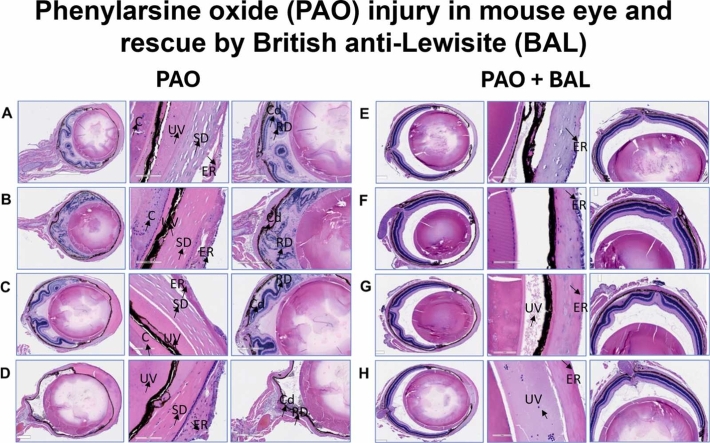 Figure 1
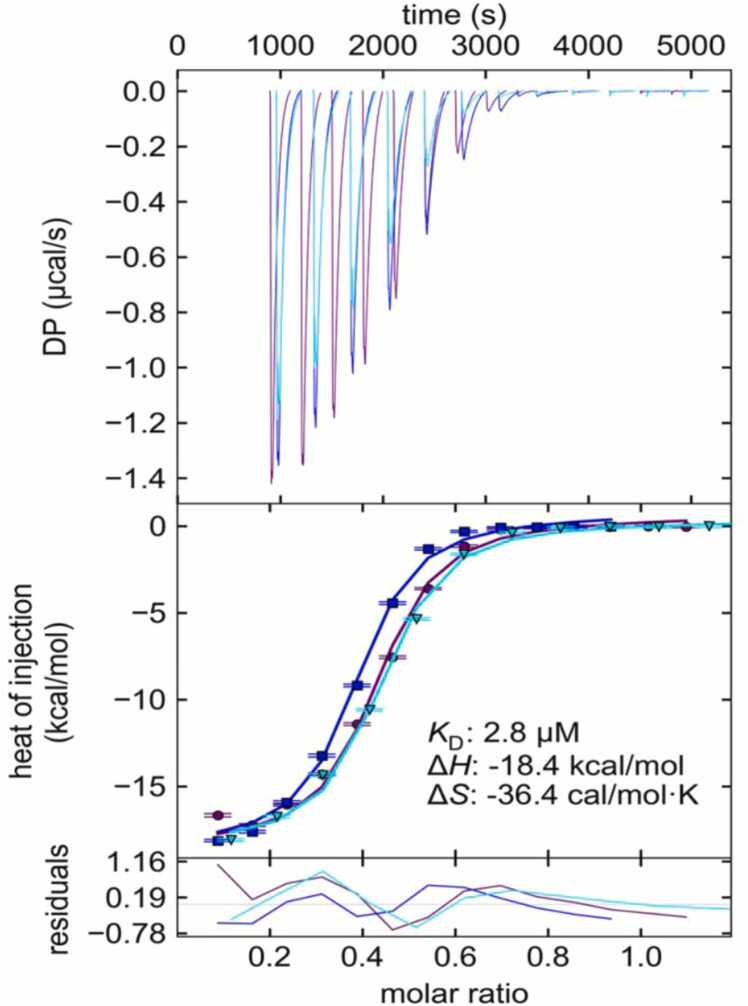 Figure 2
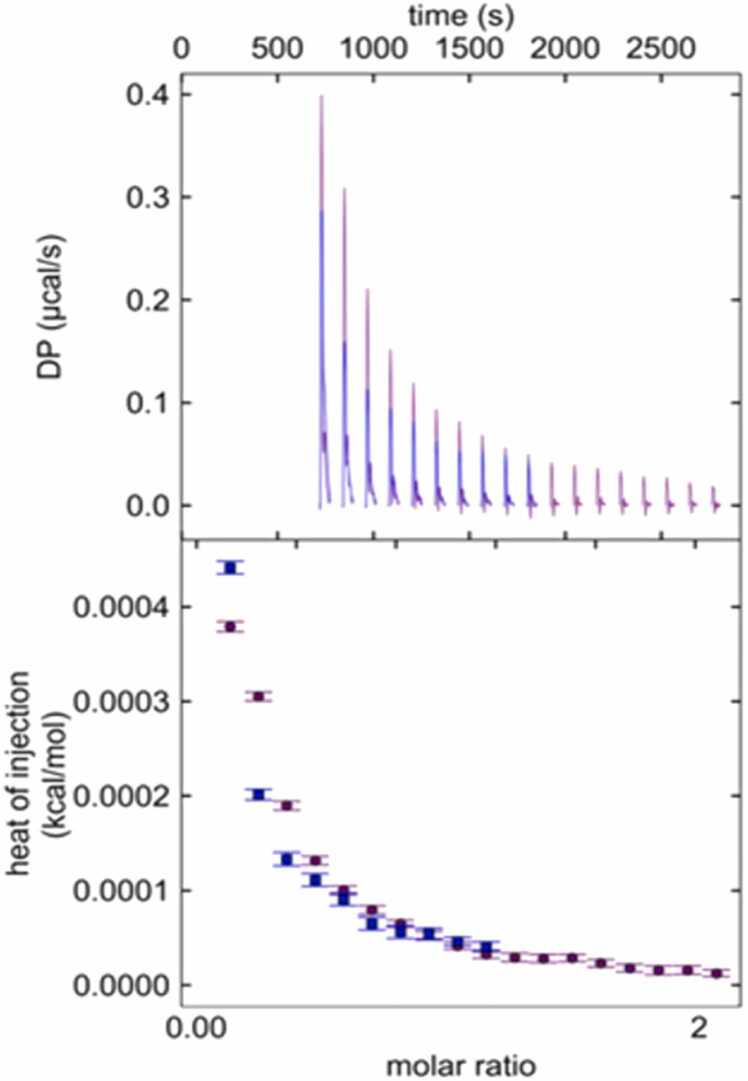 Figure 3
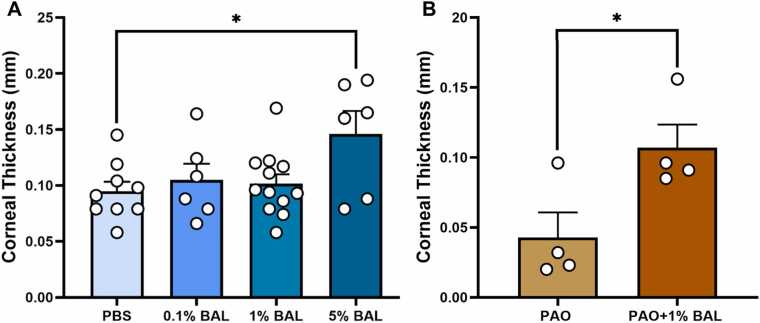 Figure 4
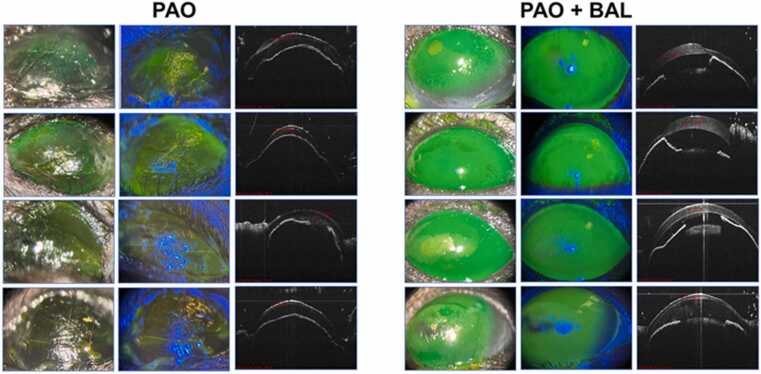 Figure 5
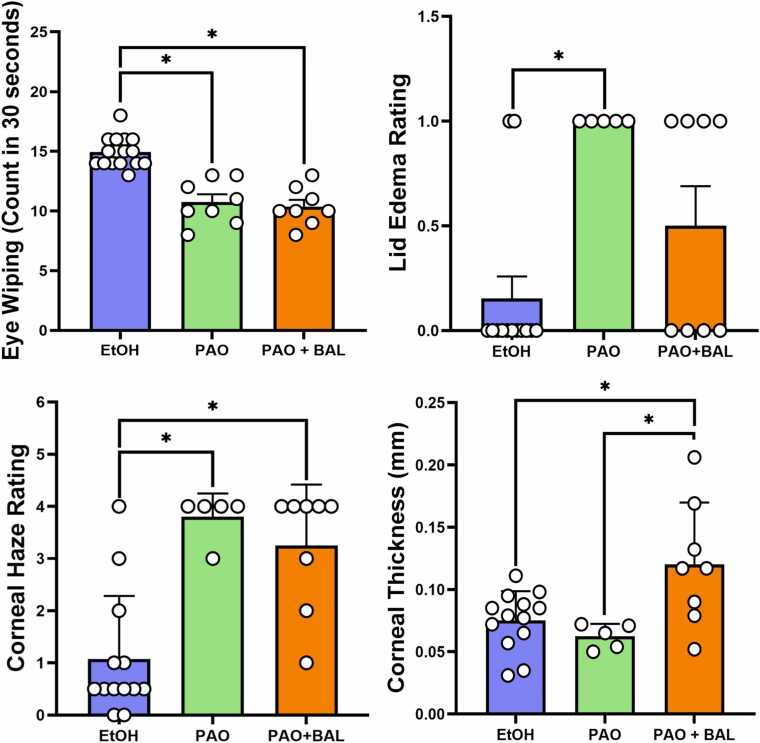 Figure 6
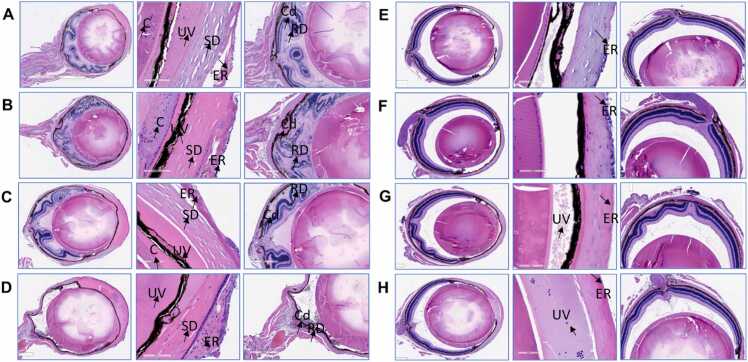 Figure 7
Peer Reviews
No public reviews on file for this paper yet. If you reviewed it on a platform where reviews are public (OpenReview, ICLR, NeurIPS, ICML), you can paste yours below so the community can read it here.
Videos
No videos yet. Explain this paper in a talk, walkthrough, or lecture? Add one.
Taxonomy
TopicsArsenic contamination and mitigation · Pesticide Exposure and Toxicity · Retinoids in leukemia and cellular processes