Platinum Complexes of Tetradentate NCCN-Coordinating Ligands: Structures and Photophysical Properties of PtII, Pt2 III and PtIV Compounds
Yana M. Dikova, Toby J. Blundell, J. A. Gareth Williams

TL;DR
This paper studies the synthesis and properties of platinum complexes with tetradentate ligands, revealing structural and photophysical characteristics of Pt(II), Pt(III), and Pt(IV) compounds.
Contribution
The paper reports the synthesis and structural characterization of novel platinum complexes with unique photophysical behaviors.
Findings
PtL1 exhibits intense green phosphorescence with a quantum yield of 67%.
PtL2–3 show deep-red emission with suppressed radiative rates and faster nonradiative decay.
Pt(IV) complexes emit only at 77 K with lifetimes of around 300 μs.
Abstract
Tetradentate proligands based on biphenyl appended at the 3 and 3′ positions with pyridin-2-yl rings (H2L1), quinoline-8-yl (H2L3) heterocycles, or one such pyridine and quinoline (H2L2), have been synthesized by palladium-catalyzed cross-coupling. These compounds were expected to undergo cyclometalation with K2PtCl4 to generate Pt(II) complexes, PtL1–3, featuring NCCN-coordinated ligands. For H2L2 and H2L3, the corresponding Pt(IV) compounds PtL2–3Cl2 were initially isolated, from which PtL2–3 could be obtained by reduction with zinc. In contrast, H2L1 gave an unusual Pt(III) dimer, Pt2L1 2Cl2, and subsequently PtL1 upon reduction. All of the complexes have been structurally characterized in the solid state by X-ray diffraction. The quinoline-containing complexes of L2 and L3 feature one or two 6-membered chelates, respectively, with an accompanying twisting of the quinoline ring(s)…
Genes, proteins, chemicals, diseases, species, mutations and cell lines named across the full text — each resolved to its canonical identifier and authoritative record.
Click any figure to enlarge with its caption.
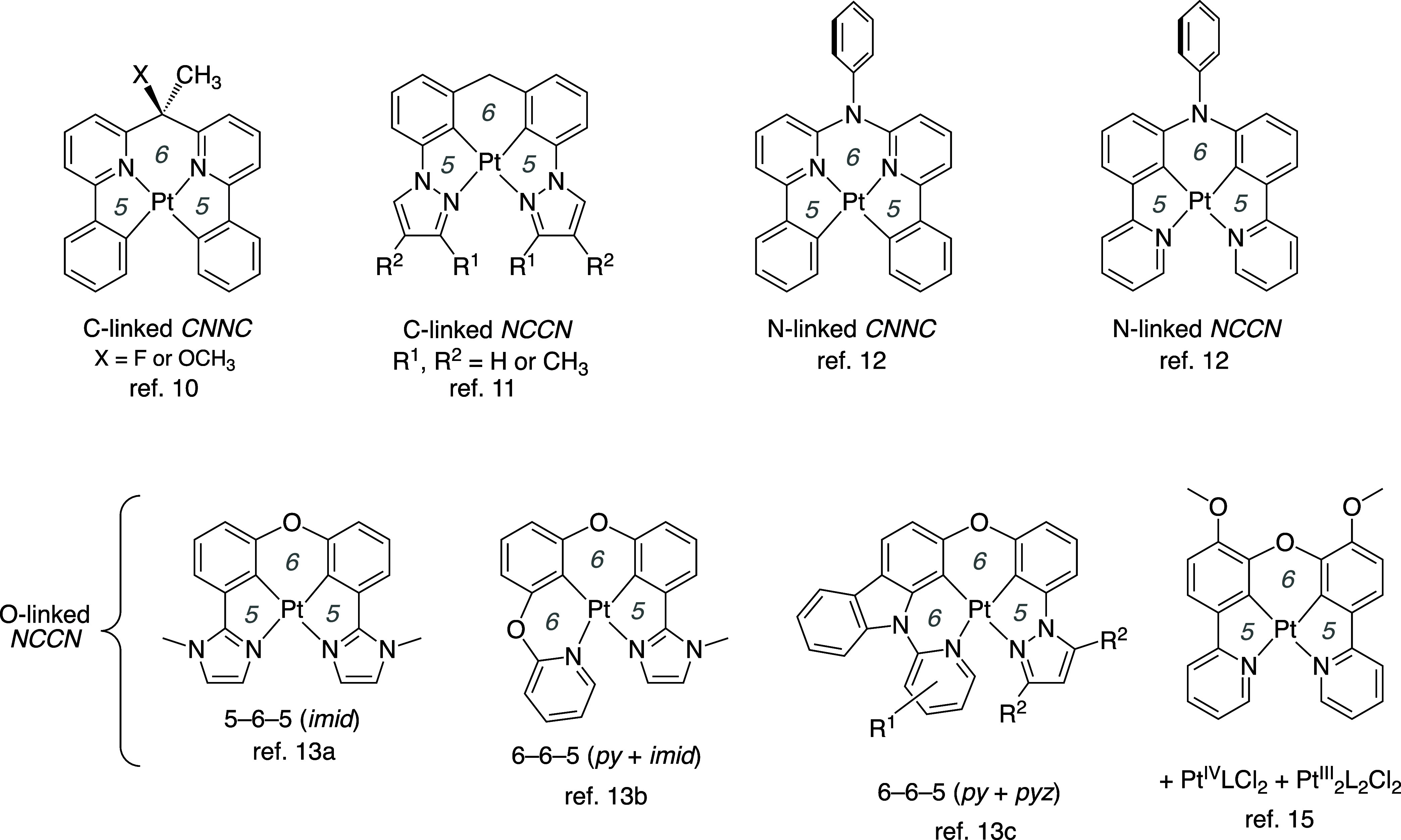 Figure 1
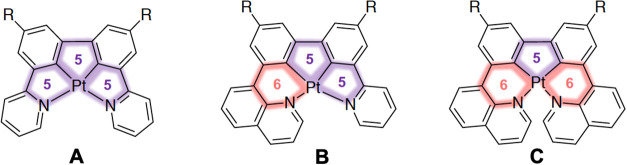 Figure 2
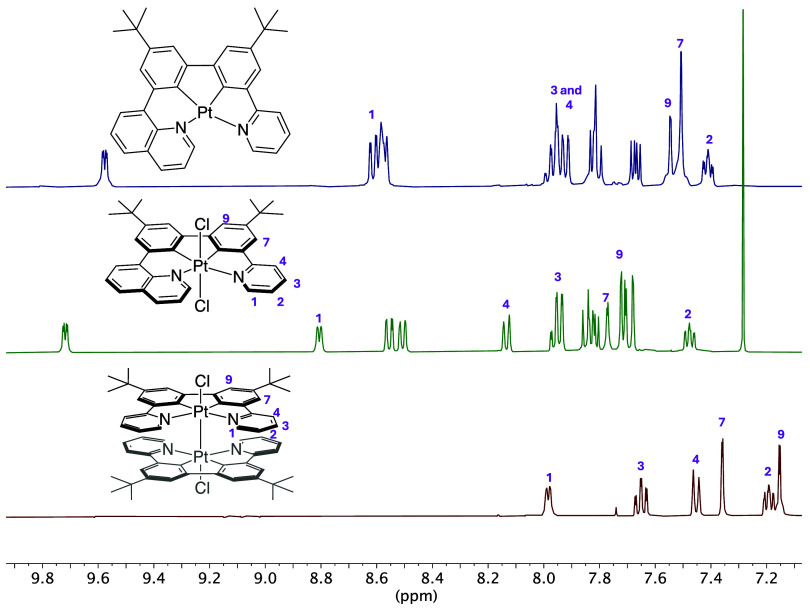 Figure 3
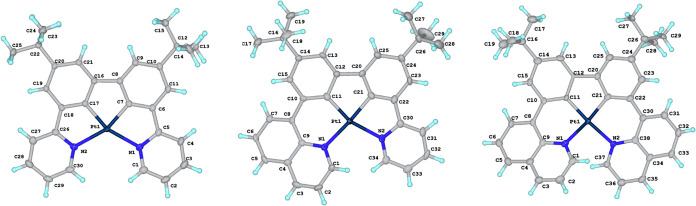 Figure 4
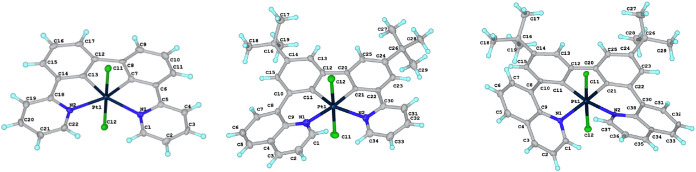 Figure 5
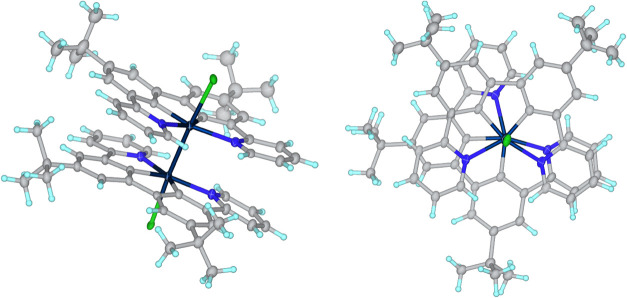 Figure 6
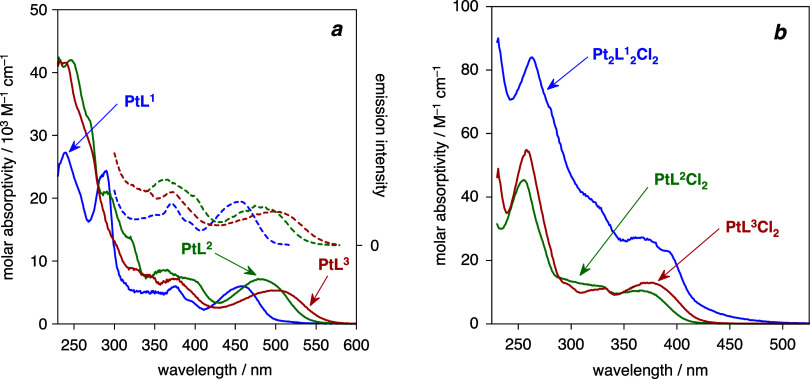 Figure 7
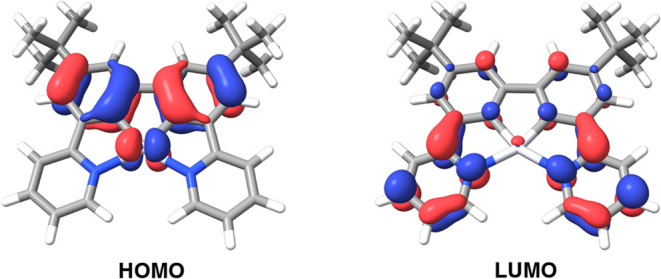 Figure 8
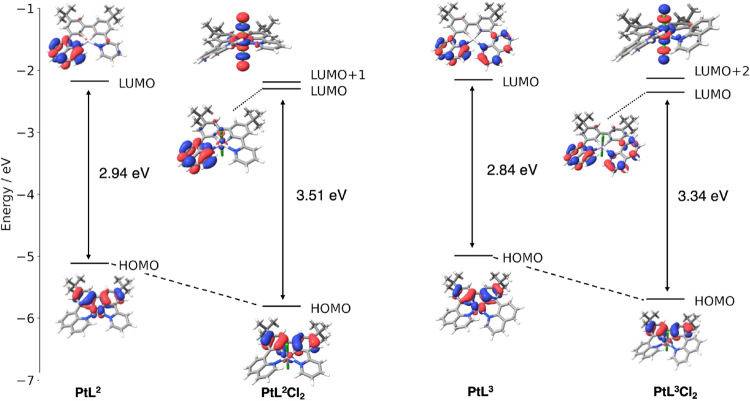 Figure 9
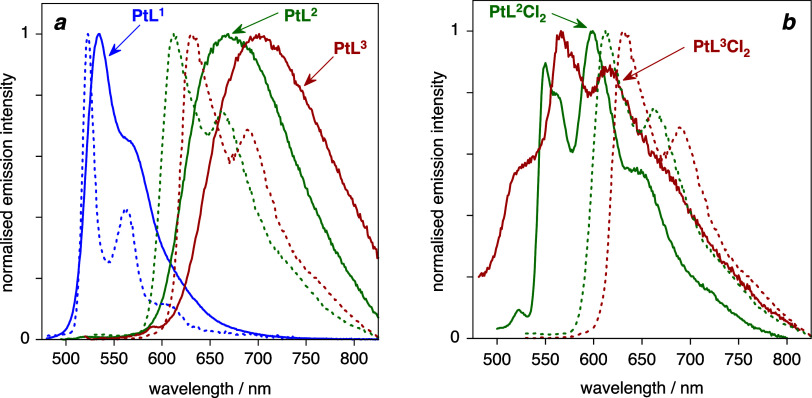 Figure 10
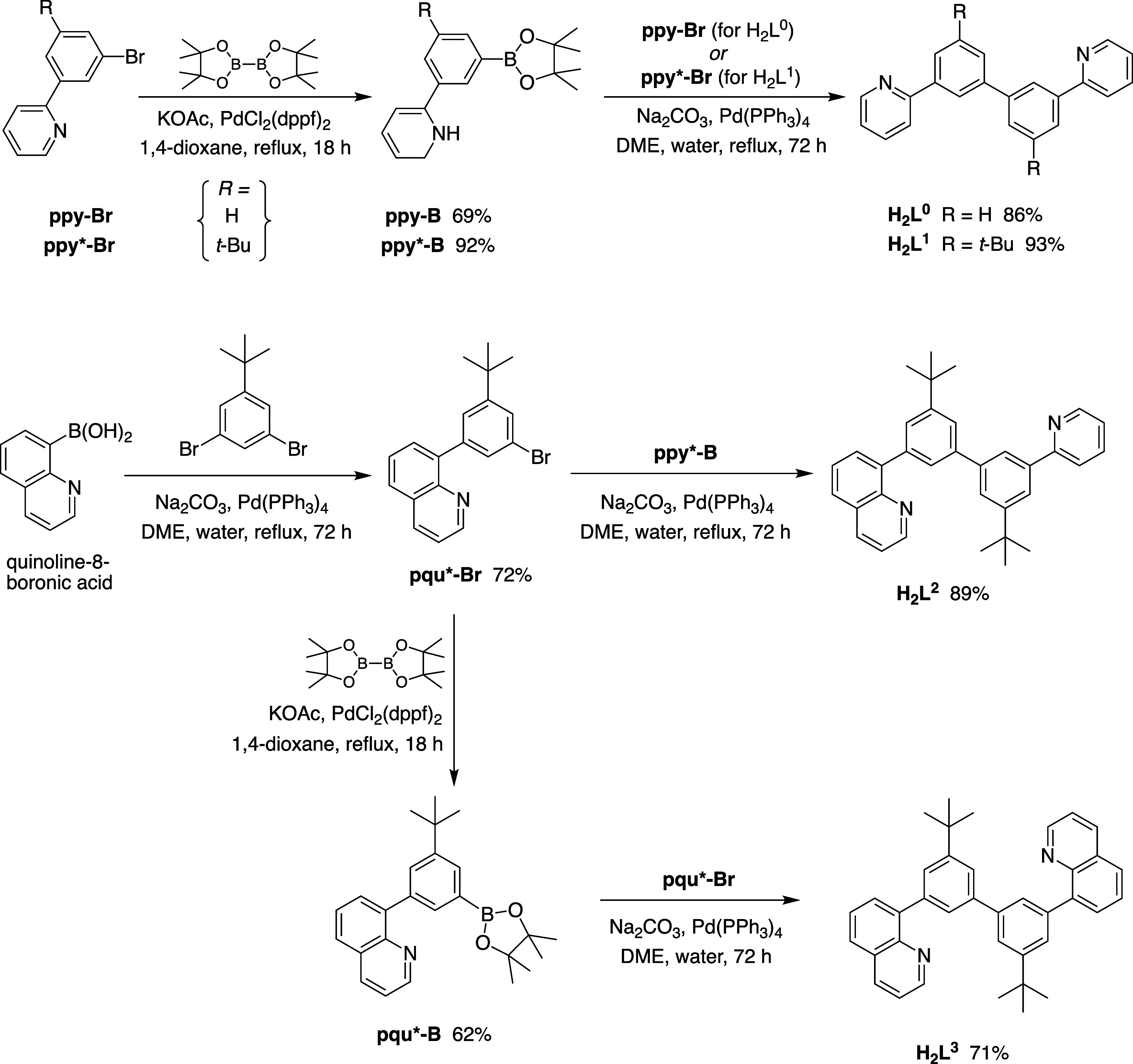 Figure 11
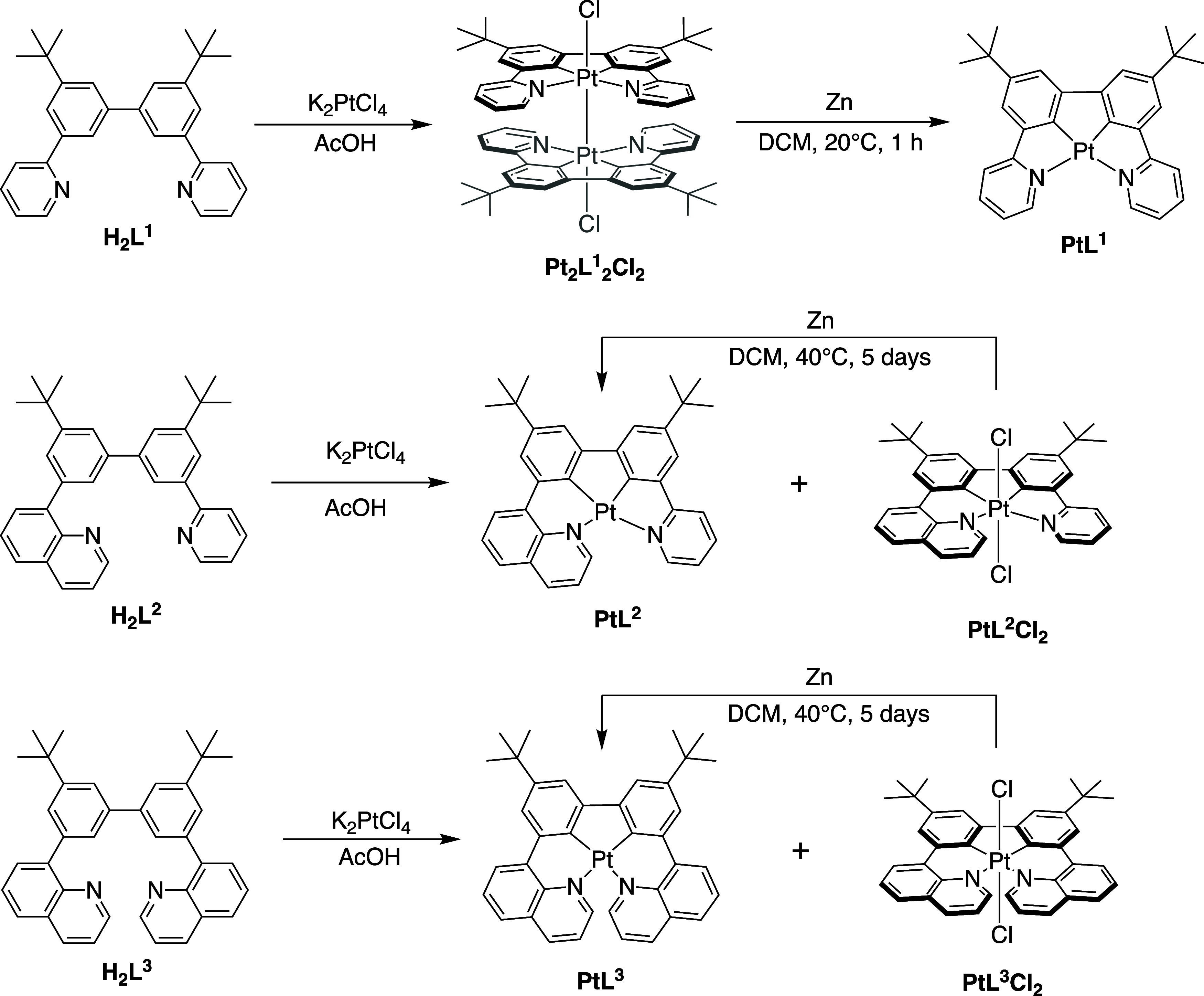 Figure 12
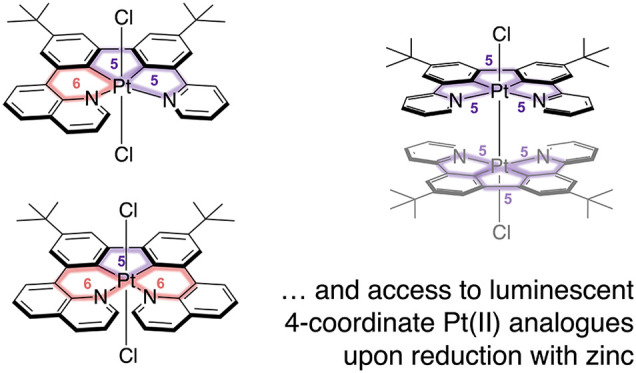 Figure 13
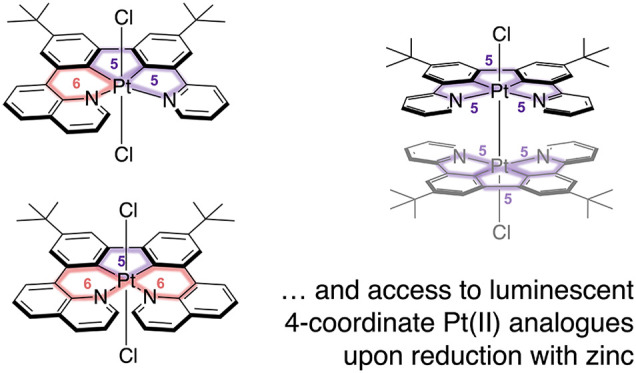 Figure 14
 Figure 15
Peer Reviews
No public reviews on file for this paper yet. If you reviewed it on a platform where reviews are public (OpenReview, ICLR, NeurIPS, ICML), you can paste yours below so the community can read it here.
Videos
No videos yet. Explain this paper in a talk, walkthrough, or lecture? Add one.
Taxonomy
TopicsOrganometallic Complex Synthesis and Catalysis · Organic Light-Emitting Diodes Research · N-Heterocyclic Carbenes in Organic and Inorganic Chemistry