Enhancing CO2 to Alcohol Conversion: Powerful Photocatalysts Based on TiO2–Cu(I)-Iodine-Pyridine One-Dimensional Coordination Polymers
Julian Avila-Duran, Jon Napal, Fernando Aguilar-Galindo, Oscar Castillo, Pilar Amo-Ochoa

TL;DR
Researchers developed new photocatalysts that efficiently convert CO2 into alcohol, with one variant showing high stability and selectivity for methanol production.
Contribution
A novel class of 1D Cu(I)-iodide-pyridine coordination polymers is introduced for enhanced CO2 photoreduction to alcohols.
Findings
TiO2@5%CP4 achieved methanol production at 894 μg·g_cat–1·h–1, outperforming TiO2@3%CuO.
TiO2@5%CP4 maintained stable performance for 10 hours without degradation.
Hydrogen bonding from amine substituents in CP4 improved CO2 interaction and stability.
Abstract
Coordination polymers (CPs) are promising materials for environmental applications, particularly in catalysis, due to their flexible structures, tunable electronic properties, and adaptable surface chemistry. This study reports the one-step, room-temperature synthesis of five 1D Cu(I)-iodide-pyridine based CPs with the general formula [CuI(L)] n , where L represents different pyridine derivatives: pyridine (CP1), 3-methylpyridine (CP2), 4-methylpyridine (CP3), 2-amino-4-methylpyridine (CP4), and 2-chloro-4-methylpyridine (CP5). All of the compounds exhibit band gap energies around 3 eV, making them suitable candidates for photocatalytic applications. Indeed, the study investigates the photoreduction of CO2 to alcohols using a heterogeneous photocatalytic system consisting of TiO2 and varying proportions of CPs. The reactor design enables the rapid removal of produced alcohols,…
Genes, proteins, chemicals, diseases, species, mutations and cell lines named across the full text — each resolved to its canonical identifier and authoritative record.
Click any figure to enlarge with its caption.
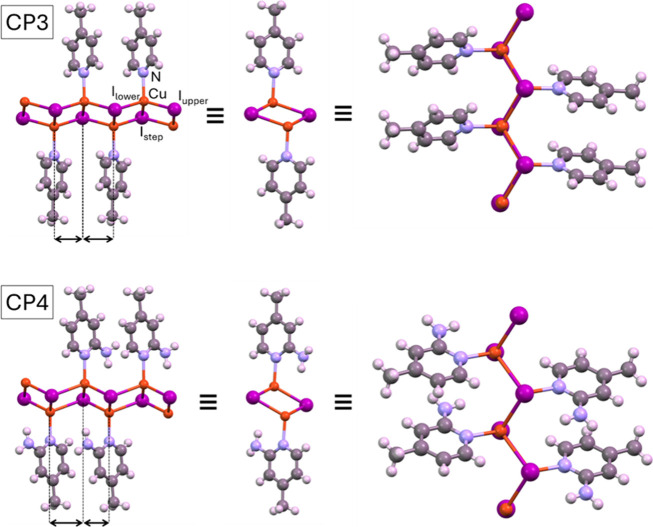 Figure 1
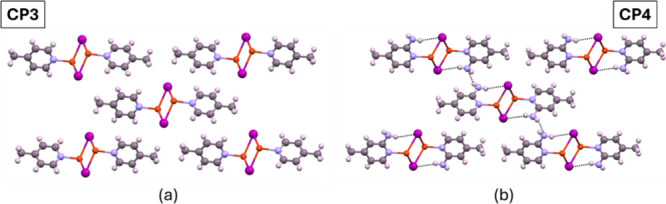 Figure 2
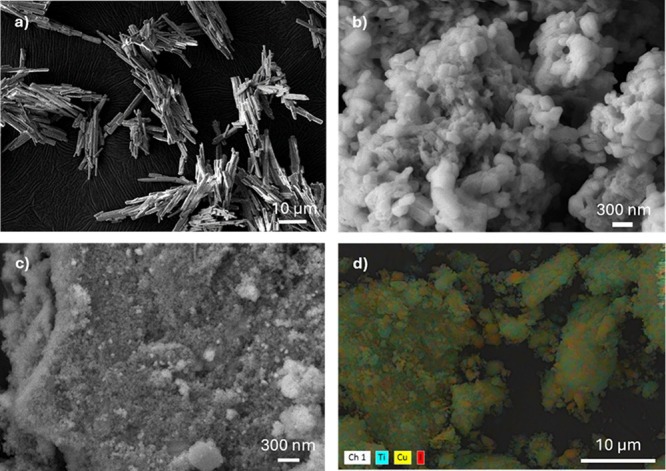 Figure 3
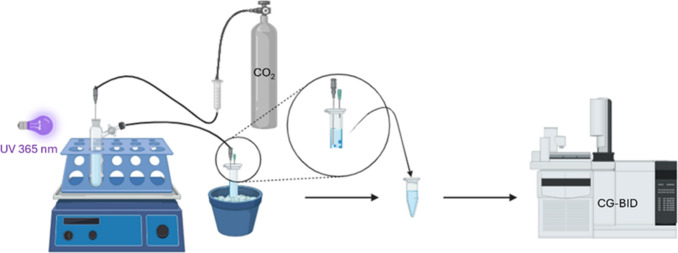 Figure 4
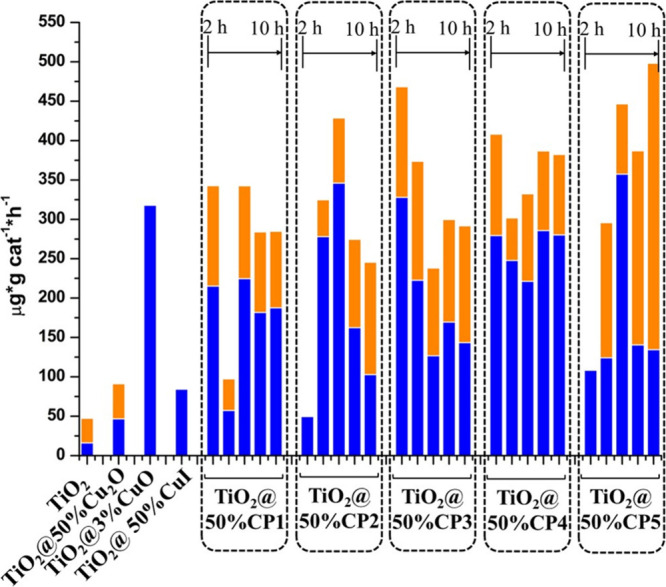 Figure 5
 Figure 6
 Figure 7
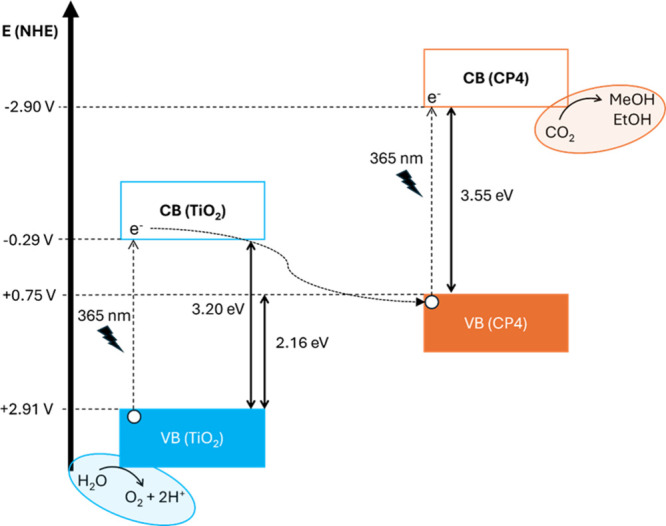 Figure 8
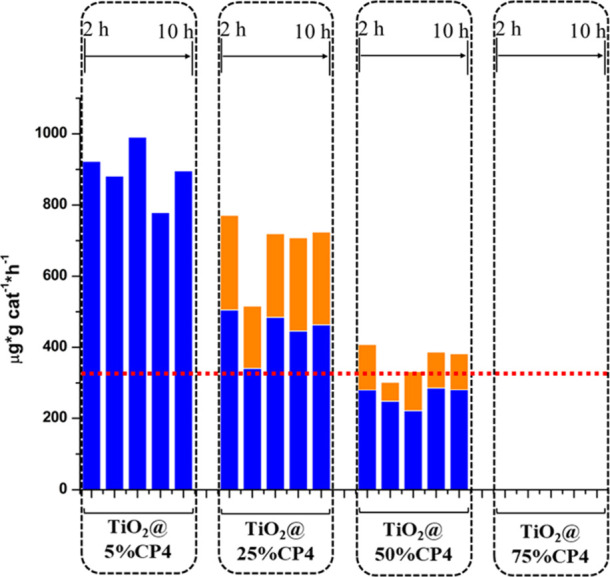 Figure 9
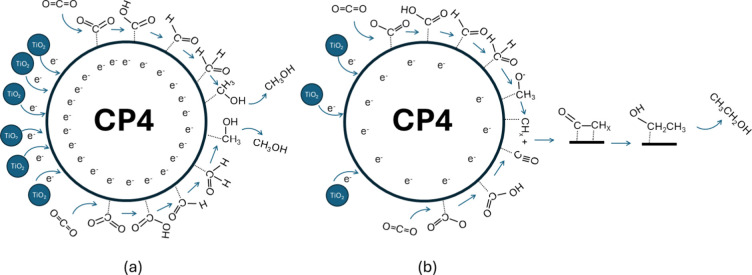 Figure 10
 Figure 11
 Figure 12
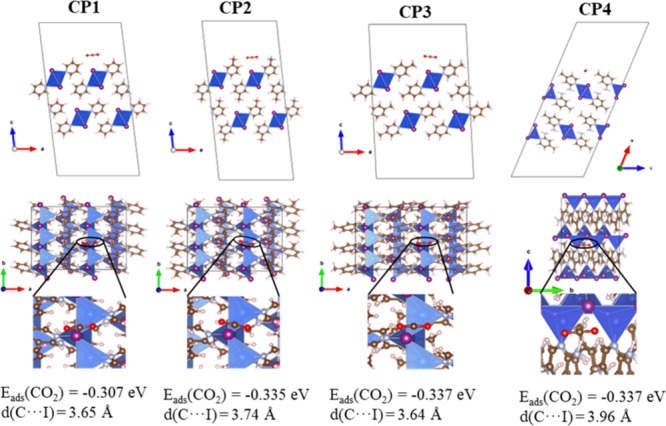 Figure 13
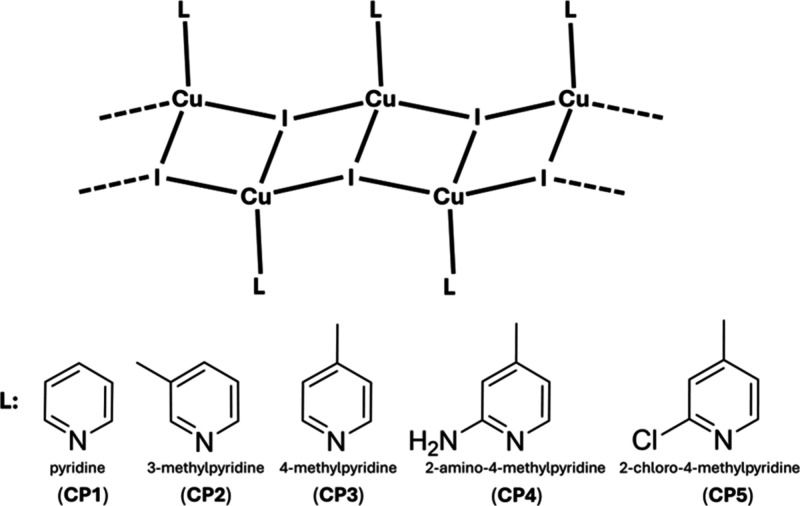 Figure 14
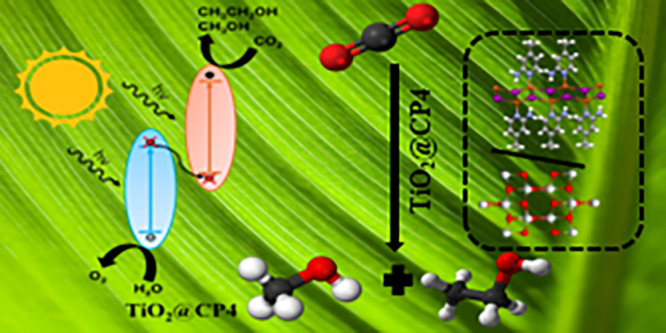 Figure 15
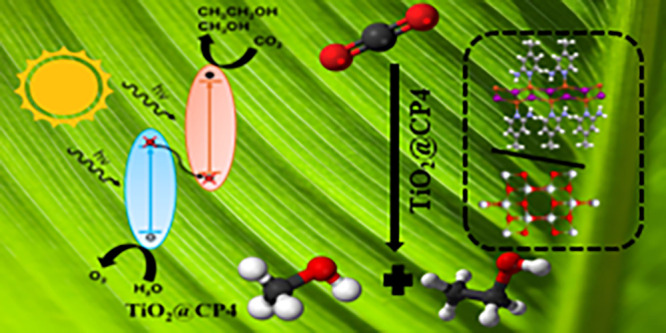 Figure 16
Peer Reviews
No public reviews on file for this paper yet. If you reviewed it on a platform where reviews are public (OpenReview, ICLR, NeurIPS, ICML), you can paste yours below so the community can read it here.
Videos
No videos yet. Explain this paper in a talk, walkthrough, or lecture? Add one.
Taxonomy
TopicsMetal-Organic Frameworks: Synthesis and Applications · Covalent Organic Framework Applications · CO2 Reduction Techniques and Catalysts