Pentagonal Bipyramidal First-Row Transition Metal Complexes with Macrocyclic Ligand Containing Two Pyridine‑N‑Oxide Pendant Arms: Structural, Magnetic, and Theoretical Studies
Bohuslav Drahoš, Ivan Šalitroš, Radovan Herchel

TL;DR
This paper describes the synthesis and study of transition metal complexes with a specific macrocyclic ligand, focusing on their structural and magnetic properties.
Contribution
The study introduces a new macrocyclic ligand with pyridine-N-oxide pendant arms and reveals its impact on magnetic anisotropy in transition metal complexes.
Findings
The complexes exhibit pentagonal bipyramidal geometry with magnetic anisotropy values of D = 4.47, 30.10, and −7.58 cm–1 for Fe(II), Co(II), and Ni(II) complexes.
The Co(II) complex shows field-induced single-molecule magnet behavior with specific relaxation processes.
Coordination ability of pendant arms significantly influences magnetic anisotropy, favoring π-acceptor groups.
Abstract
A heptadentate 15-membered pyridine-based macrocyclic ligand containing two pyridine-N-oxide pendant arms (L4 = 3,12-bis((pyridine-1-oxide-2-yl)methyl)-6,9-dioxa-3,12,18-triazabicyclo[12.3.1]octadeca-1(18),14,16-triene) was synthesized together with its first-row transition metal complexes with the general formula [M(L4)](ClO4)2·1DMF (MII = Mn (1), Fe (2), Co (3), and Ni (4); DMF = N,N’-dimethylformamide), which were thoroughly investigated. According to the obtained X-ray crystal structures, all complexes possess axially compressed pentagonal bipyramidal geometry with a coordination number of 7 for 1–3 or 5 + 2 for Ni(II) complex 4 with a large Jahn–Teller distortion. Fe(II), Co(II), and Ni(II) complexes 2, 3, and 4 show pronounced magnetic anisotropy (D = 4.47, 30.10, −7.58 cm–1, respectively). The magnetic properties of the studied complexes were supported by theoretical…
Genes, proteins, chemicals, diseases, species, mutations and cell lines named across the full text — each resolved to its canonical identifier and authoritative record.
Click any figure to enlarge with its caption.
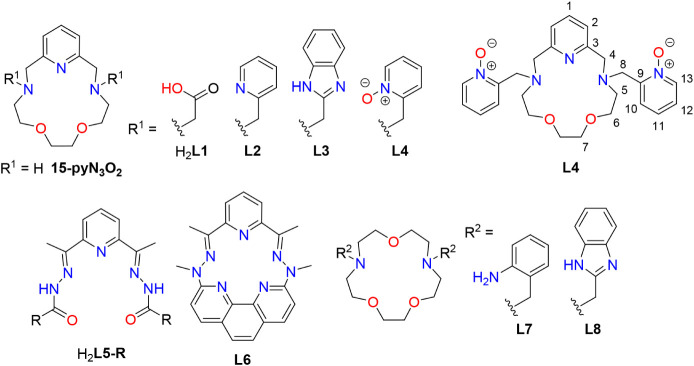 Figure 1
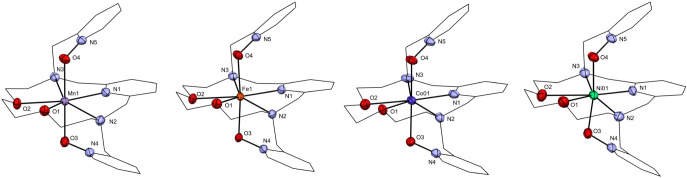 Figure 2
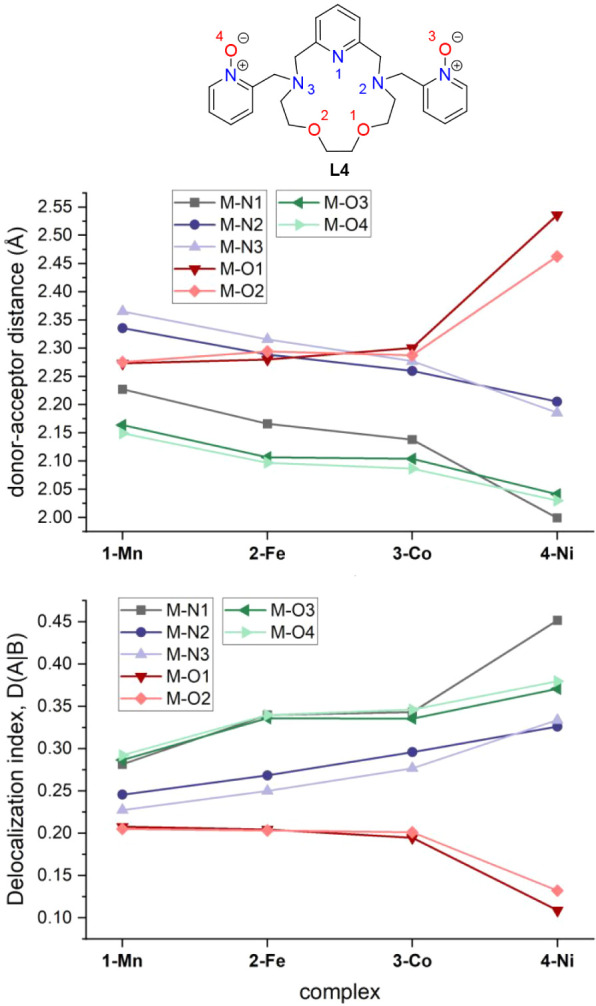 Figure 3
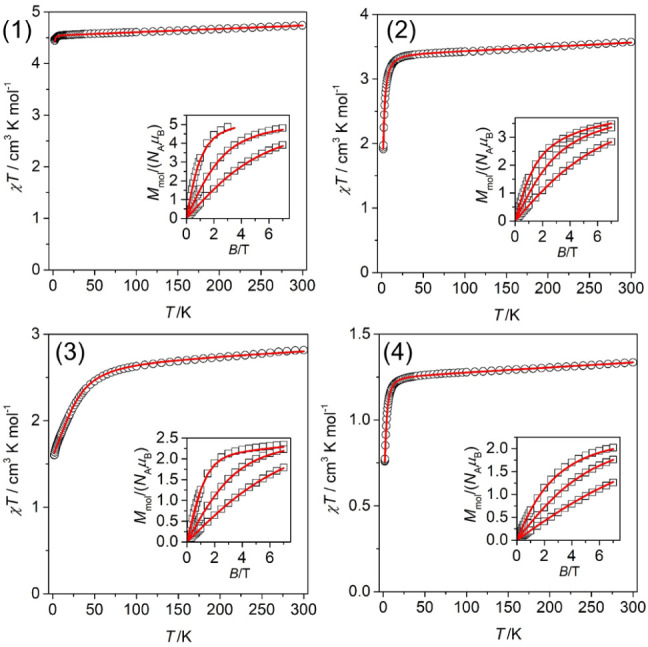 Figure 4
 Figure 5
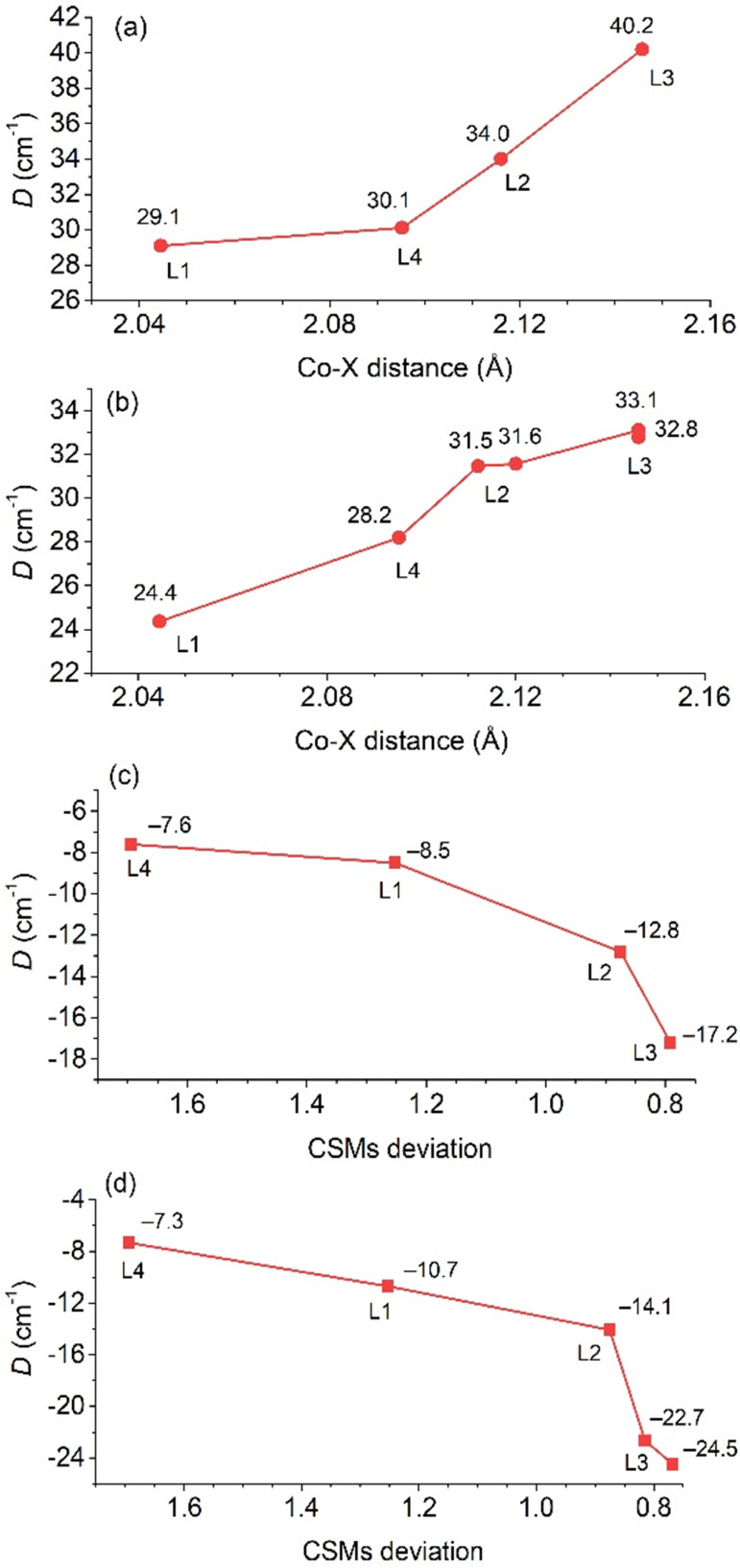 Figure 6
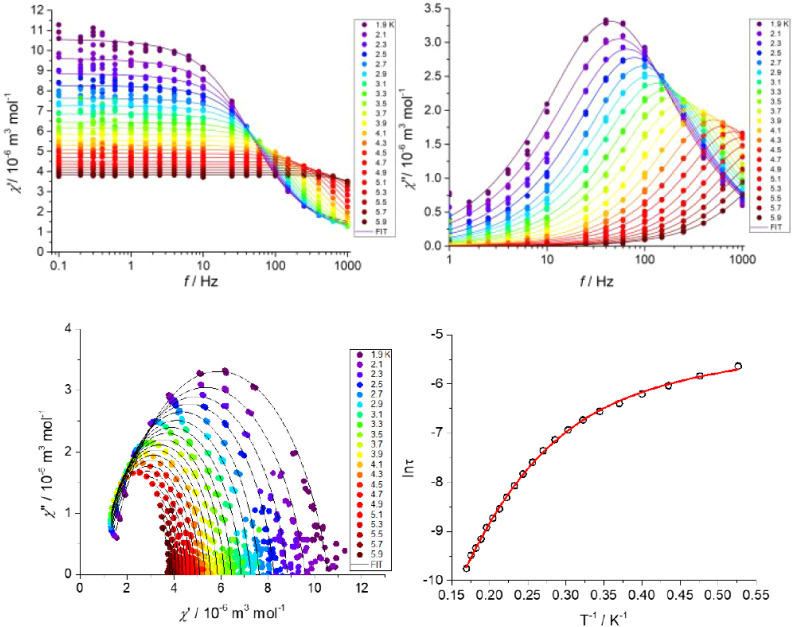 Figure 7
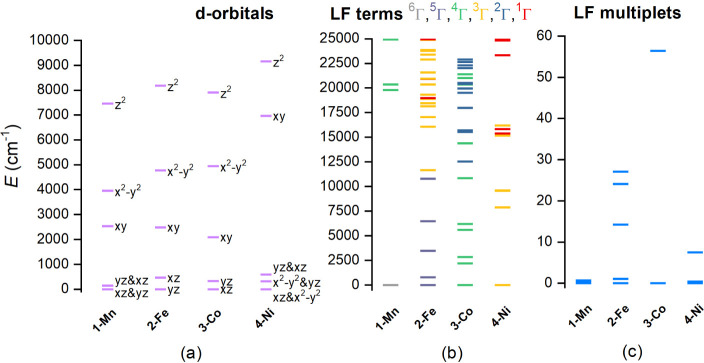 Figure 8
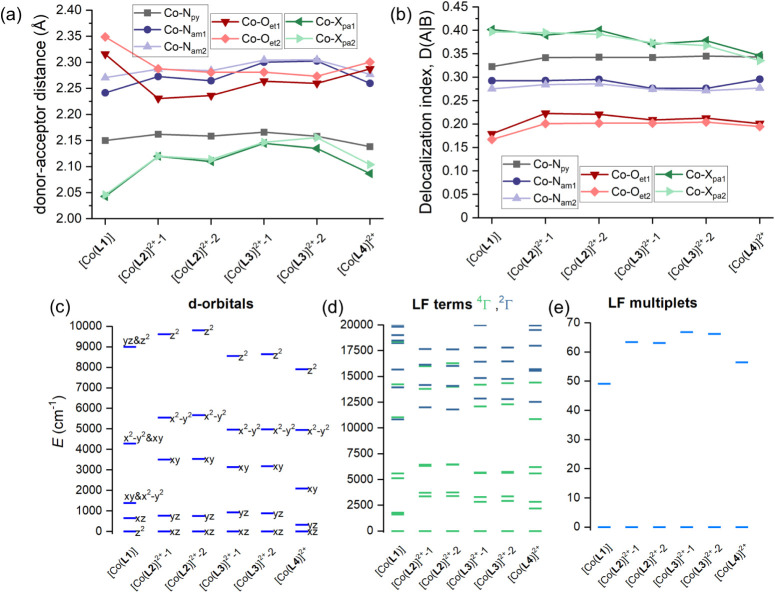 Figure 9
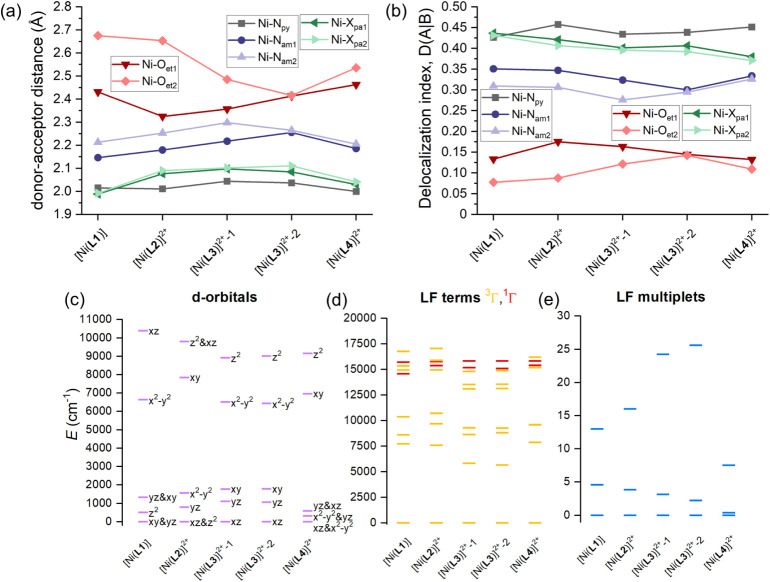 Figure 10
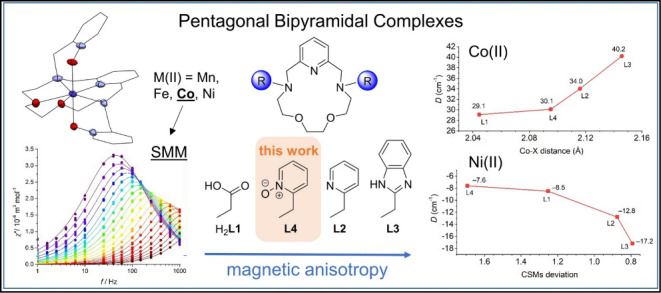 Figure 11
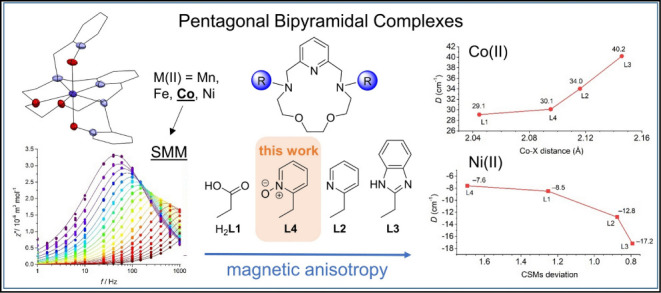 Figure 12
 Figure 13
 Figure 14
Peer Reviews
No public reviews on file for this paper yet. If you reviewed it on a platform where reviews are public (OpenReview, ICLR, NeurIPS, ICML), you can paste yours below so the community can read it here.
Videos
No videos yet. Explain this paper in a talk, walkthrough, or lecture? Add one.
Taxonomy
TopicsMagnetism in coordination complexes · Synthesis and Properties of Aromatic Compounds · Supramolecular Chemistry and Complexes