A Twist of Fate: The Helix–Turn–Helix Motif in Pseudomonas aeruginosa ExsA Can Allosterically Stabilize the Ligand-Binding Domain
Prasanthi Medarametla, Jack Calum Greenhalgh, Ina Pöhner, Martin Welch, Antti Poso, Thales Kronenberger, Taufiq Rahman

TL;DR
The study explores how a specific protein structure in Pseudomonas aeruginosa could be targeted to reduce its harmful effects.
Contribution
The paper identifies novel druggable pockets in ExsA using molecular dynamics simulations.
Findings
A helix–turn–helix motif stabilizes the ligand-binding domain of ExsA.
Two new potentially druggable pockets were identified at the NTD/CTD interface of ExsA.
Molecular dynamics simulations revealed how ExsA interacts with DNA.
Abstract
Pseudomonas aeruginosa is an opportunistic human pathogen. One of the most potent virulence factors in its arsenal is the type III secretion system (T3SS). This secretion apparatus injects effector toxins directly into host cells, thereby causing cytotoxicity. The expression of all components of T3SS is regulated by a master transcriptional regulator, ExsA. The inhibition of the latter should therefore lead to the suppression of P. aeruginosa virulence. However, to date, no drugs targeting ExsA have reached the market, and only static structural models of the protein have been generated, focusing on the C-terminal domain (CTD). Here, we used μs atomistic molecular dynamics (MD) simulations to investigate the conformational dynamics of full-length ExsA bound to DNA or DNA free, investigated as monomers or dimers. Our data show how the CTD and NTD of ExsA likely interact with one another…
Genes, proteins, chemicals, diseases, species, mutations and cell lines named across the full text — each resolved to its canonical identifier and authoritative record.
Click any figure to enlarge with its caption.
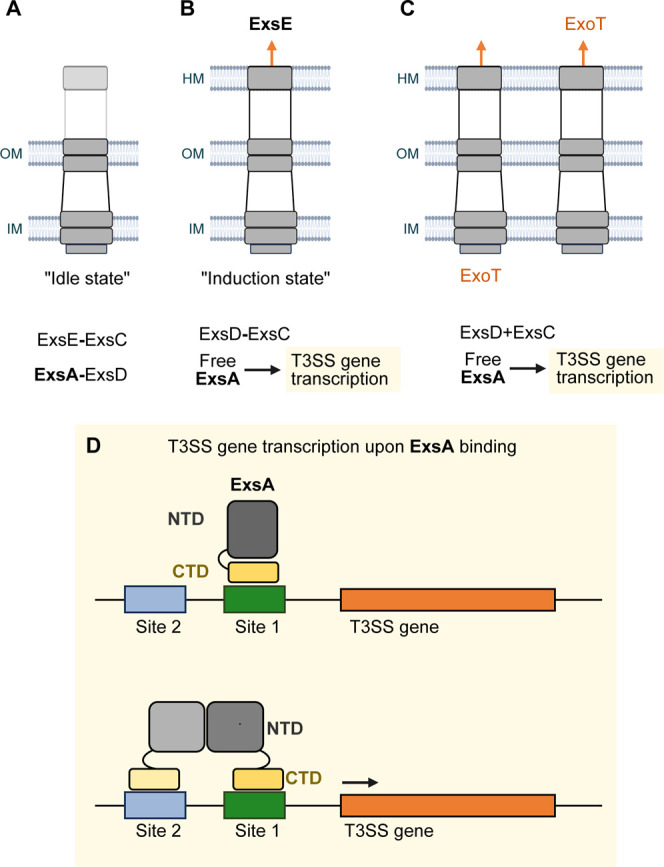 Figure 1
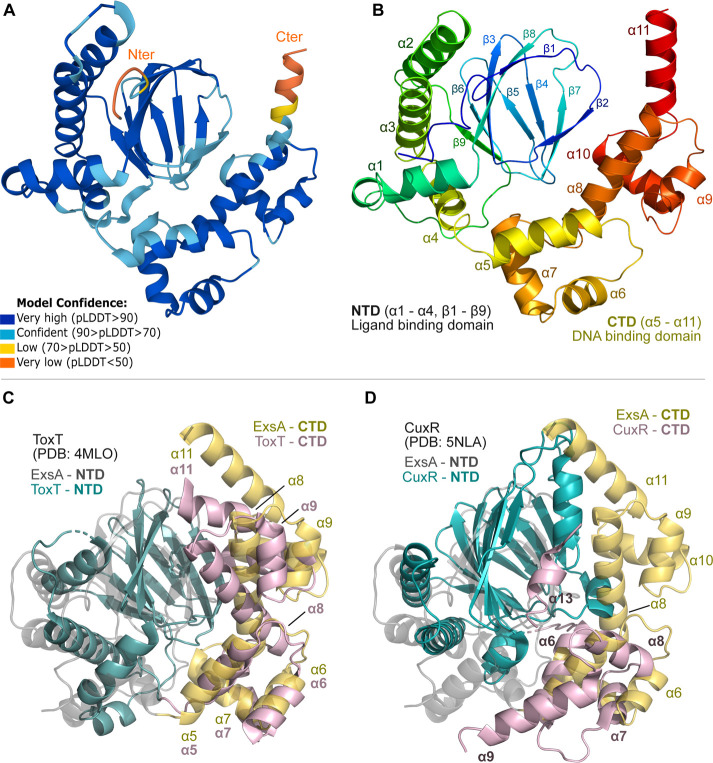 Figure 2
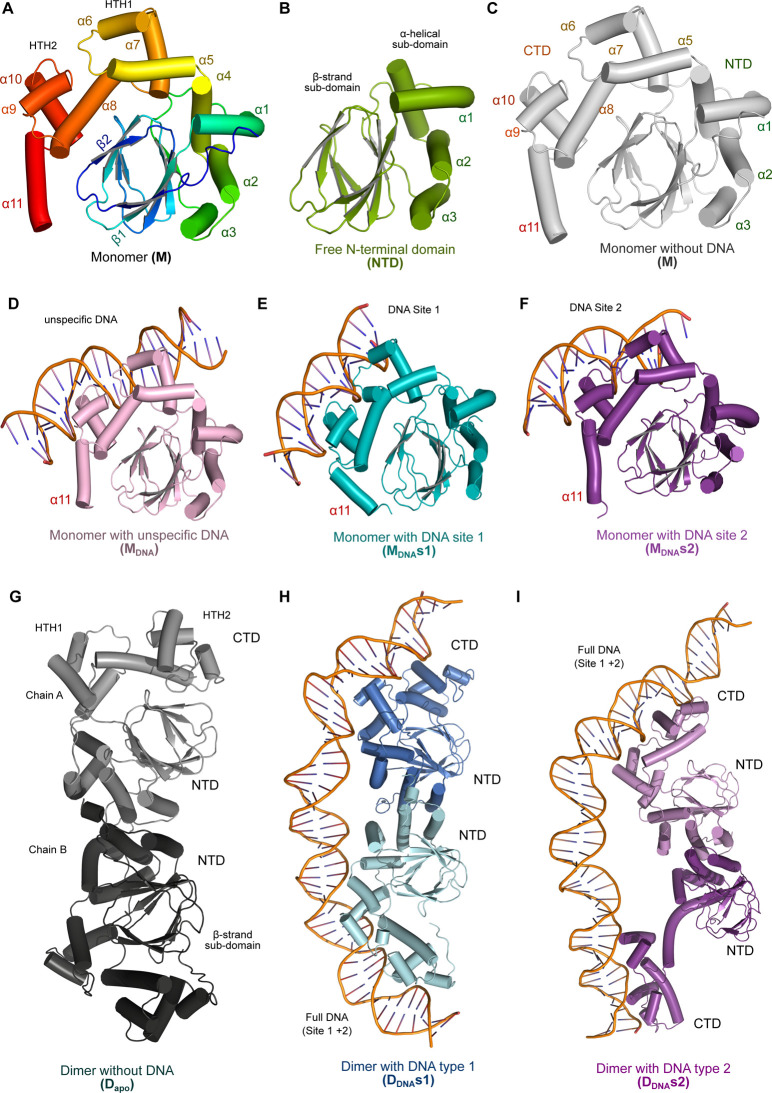 Figure 3
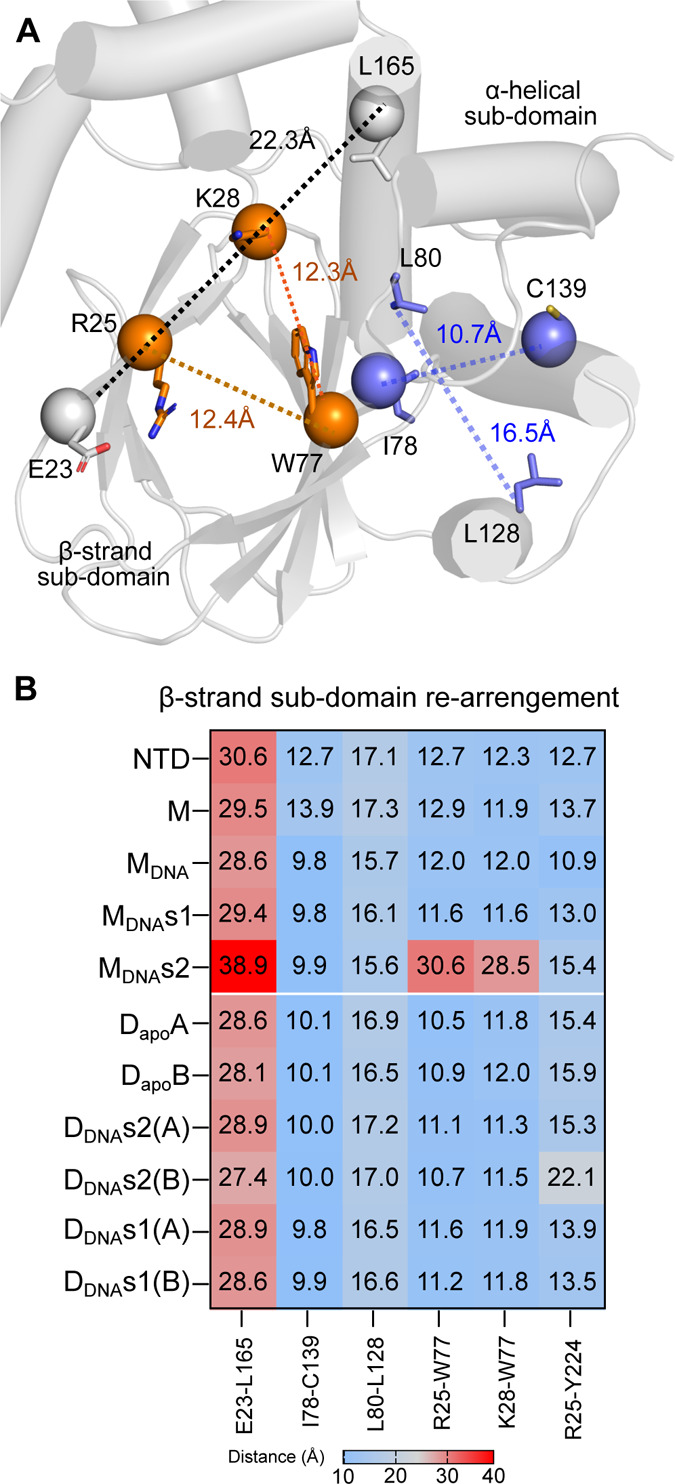 Figure 4
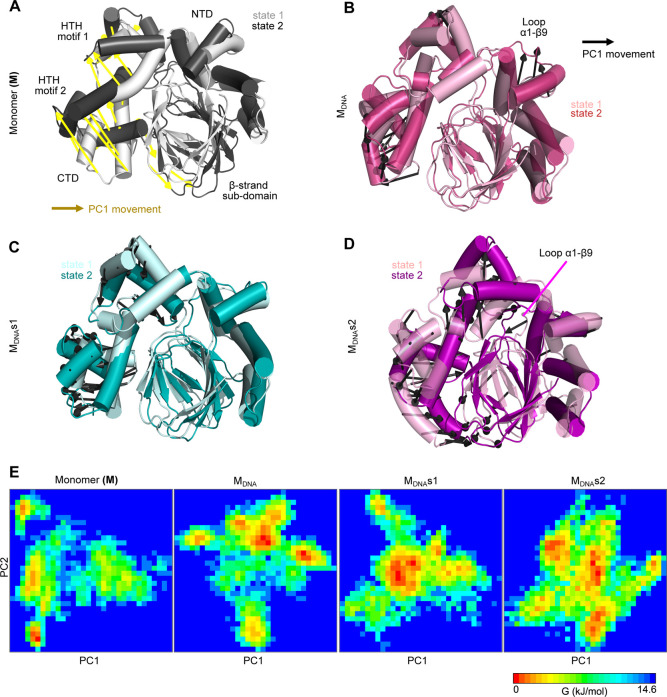 Figure 5
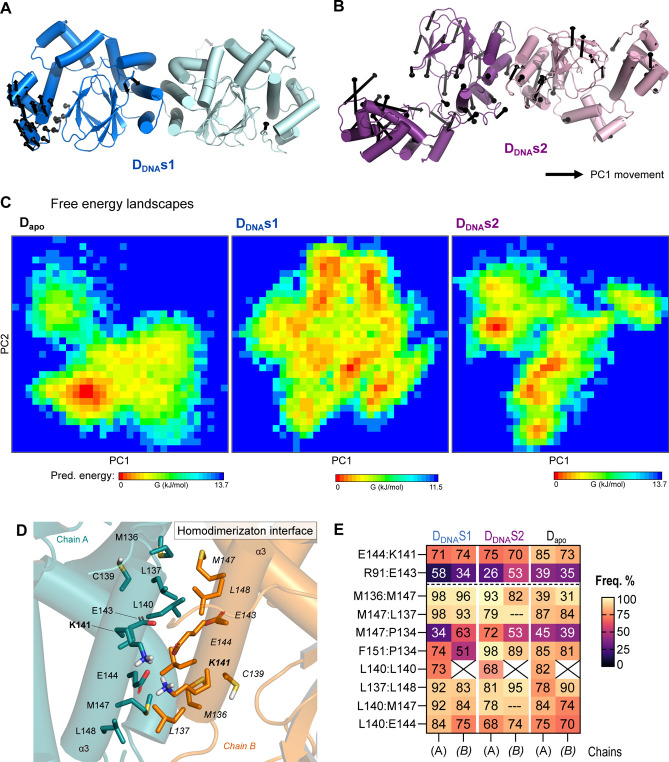 Figure 6
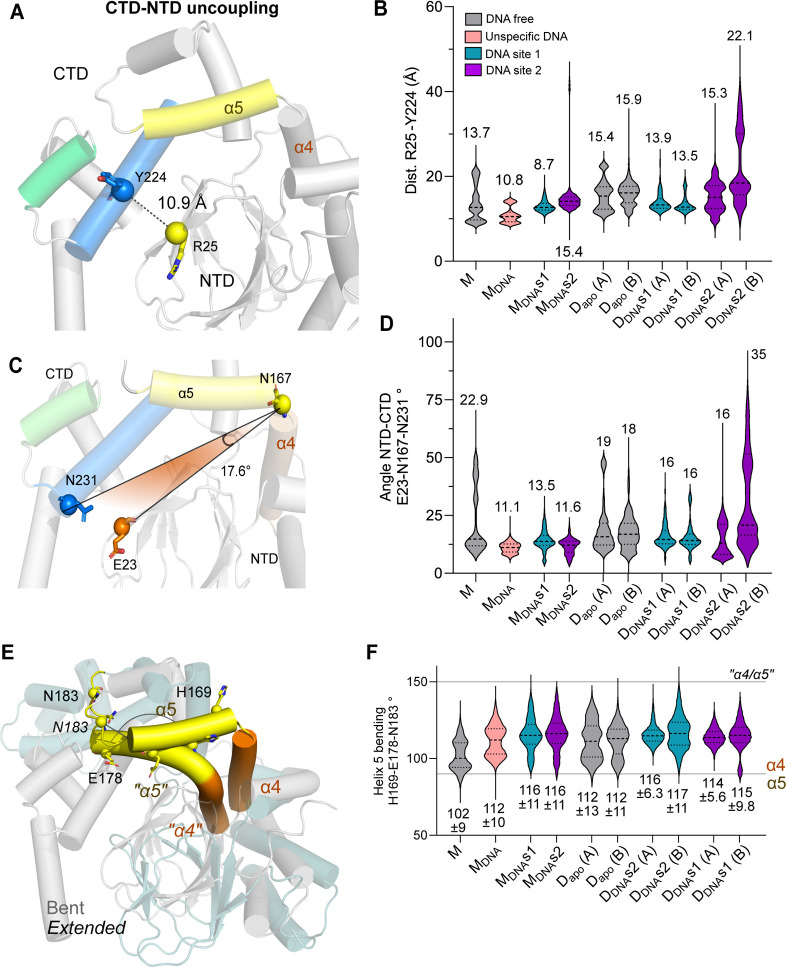 Figure 7
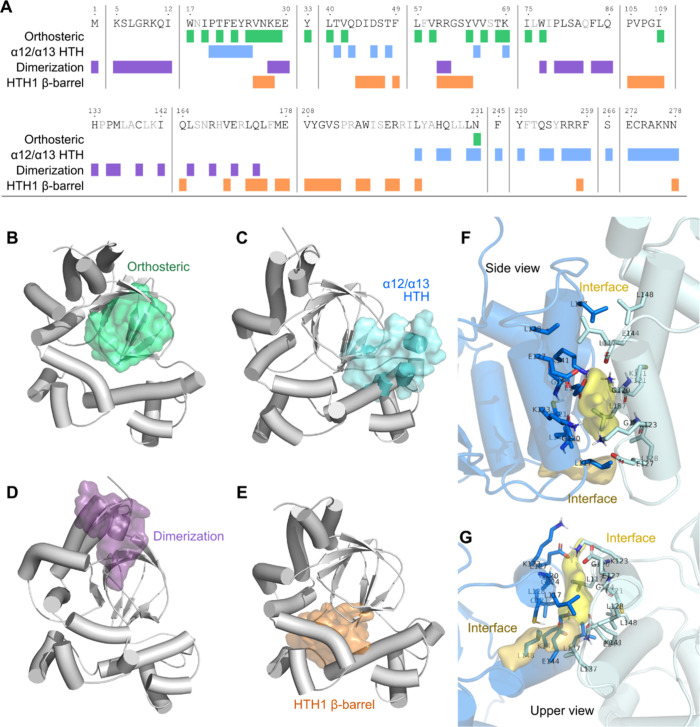 Figure 8
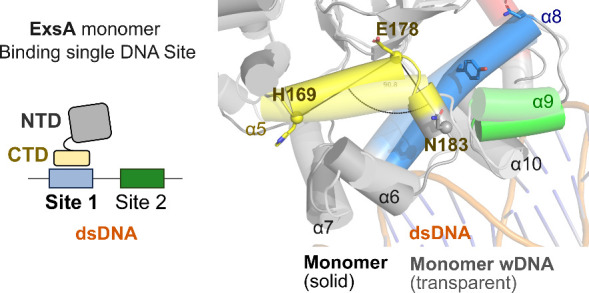 Figure 9
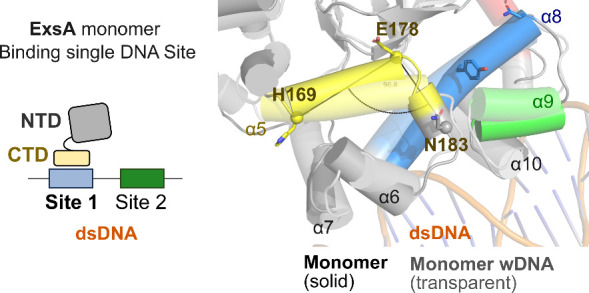 Figure 10
Peer Reviews
No public reviews on file for this paper yet. If you reviewed it on a platform where reviews are public (OpenReview, ICLR, NeurIPS, ICML), you can paste yours below so the community can read it here.
Videos
No videos yet. Explain this paper in a talk, walkthrough, or lecture? Add one.
Taxonomy
TopicsBacterial Genetics and Biotechnology · Bacterial biofilms and quorum sensing · Yersinia bacterium, plague, ectoparasites research