Accurate Simulations of Water and Aqueous Solutions through Fine-Tuned Dispersion-Corrected Density Functional Theory and Machine-Learning Interatomic Potentials
Alfonso Ferretti, Giacomo Melani, Luca Benedetti, Robert A. Sorodoc, Alessando Fortunelli, Giuseppe Brancato

TL;DR
This paper introduces a new method to improve the accuracy of simulations of water and aqueous solutions using advanced computational models and machine learning.
Contribution
A novel computational strategy is introduced to enhance DFT-D models and MLIPs for high-fidelity simulations of water and aqueous solutions.
Findings
The new MLIP accurately predicts various properties of water, including radial distribution functions and diffusion constants.
The method captures the anomalous behavior of water and improves agreement with experiments for MgCl2 hydration and water exchange dynamics.
Abstract
Dispersion-corrected density functional theory (DFT-D) is widely employed to model large molecular systems at an affordable computational cost and to develop machine-learning interatomic potentials (MLIPs), enabling reliable molecular dynamics (MD) simulations of condensed-phase systems. Yet, given a molecular system, the choice of a specific DFT-D model that can achieve the necessary accuracy over an extended range of physicochemical properties and conditions is generally not trivial. Here, we report an effective computational strategy for enhancing the accuracy of standard DFT-D models toward high-level quantum mechanical data and for developing MLIPs preserving the same high fidelity. Taking water as a paradigmatic example, we derive a novel MLIP and demonstrate that its use allows us to accurately predict a wide range of properties in diverse forms, from small clusters to bulk…
Genes, proteins, chemicals, diseases, species, mutations and cell lines named across the full text — each resolved to its canonical identifier and authoritative record.
Click any figure to enlarge with its caption.
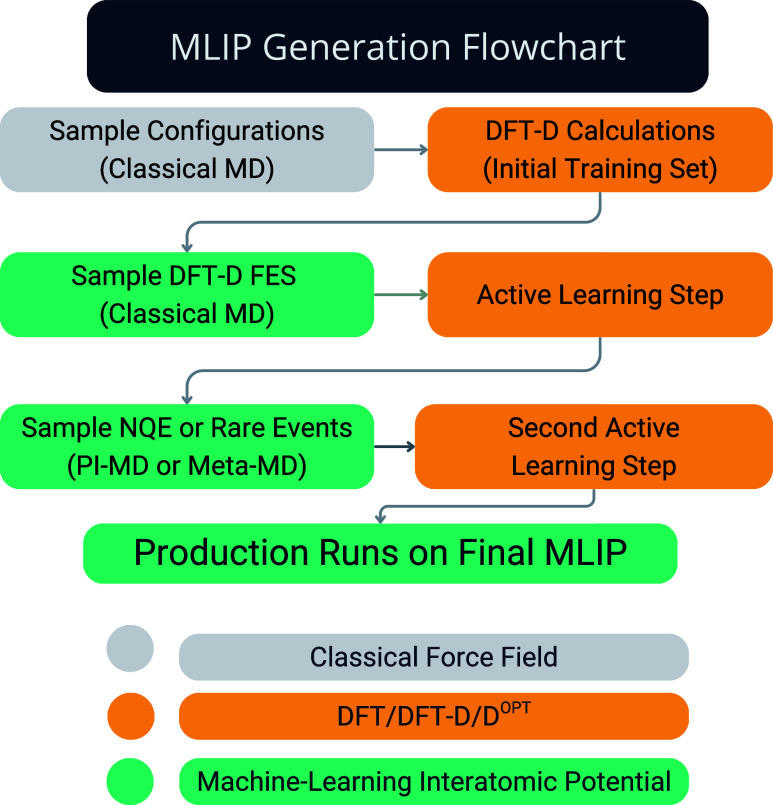 Figure 1
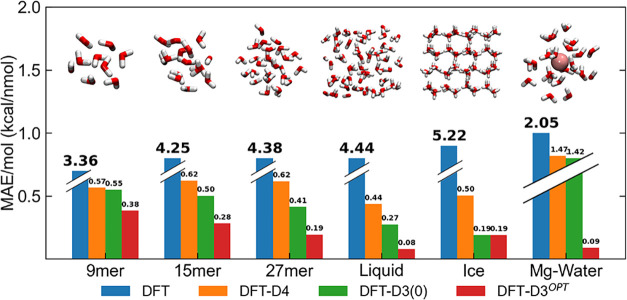 Figure 2
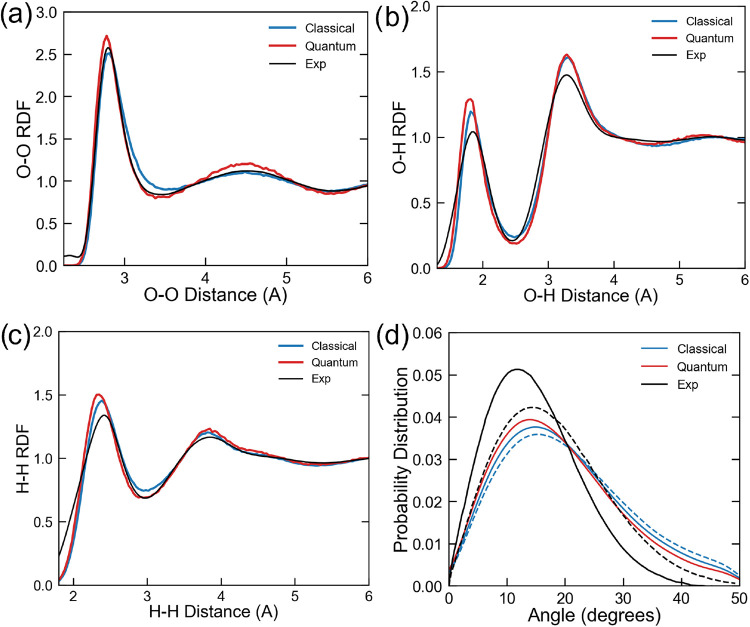 Figure 3
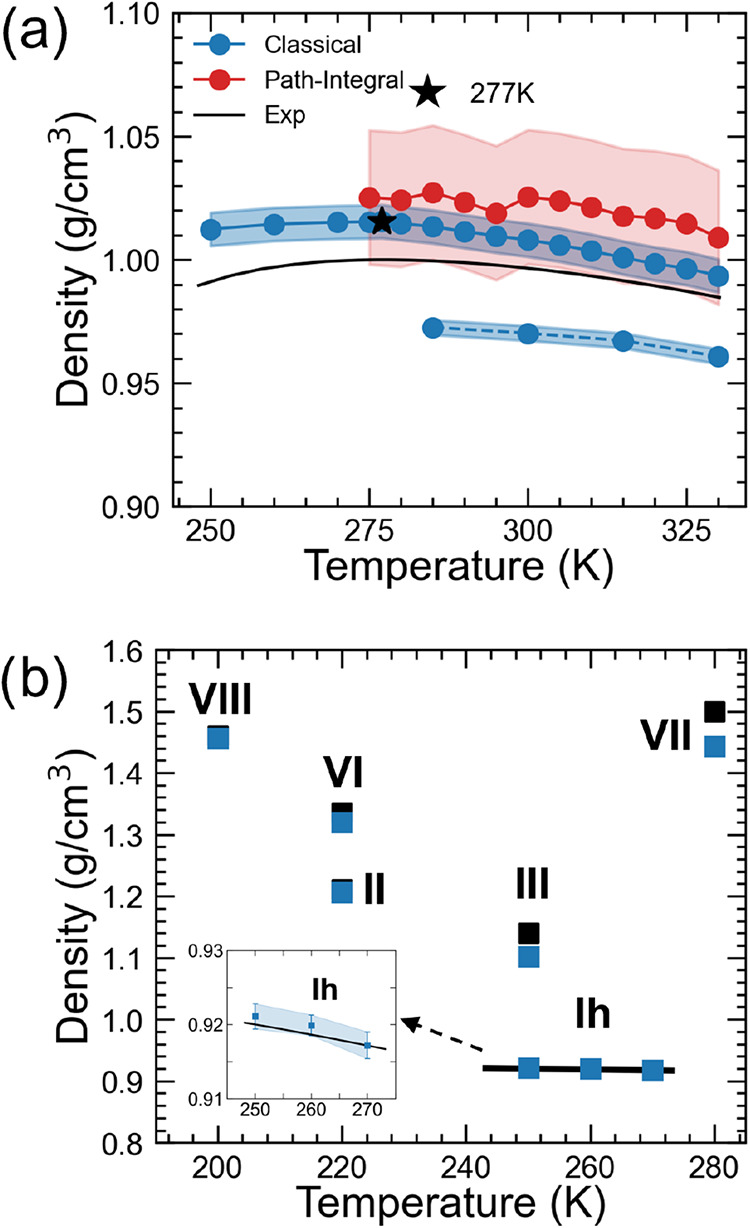 Figure 4
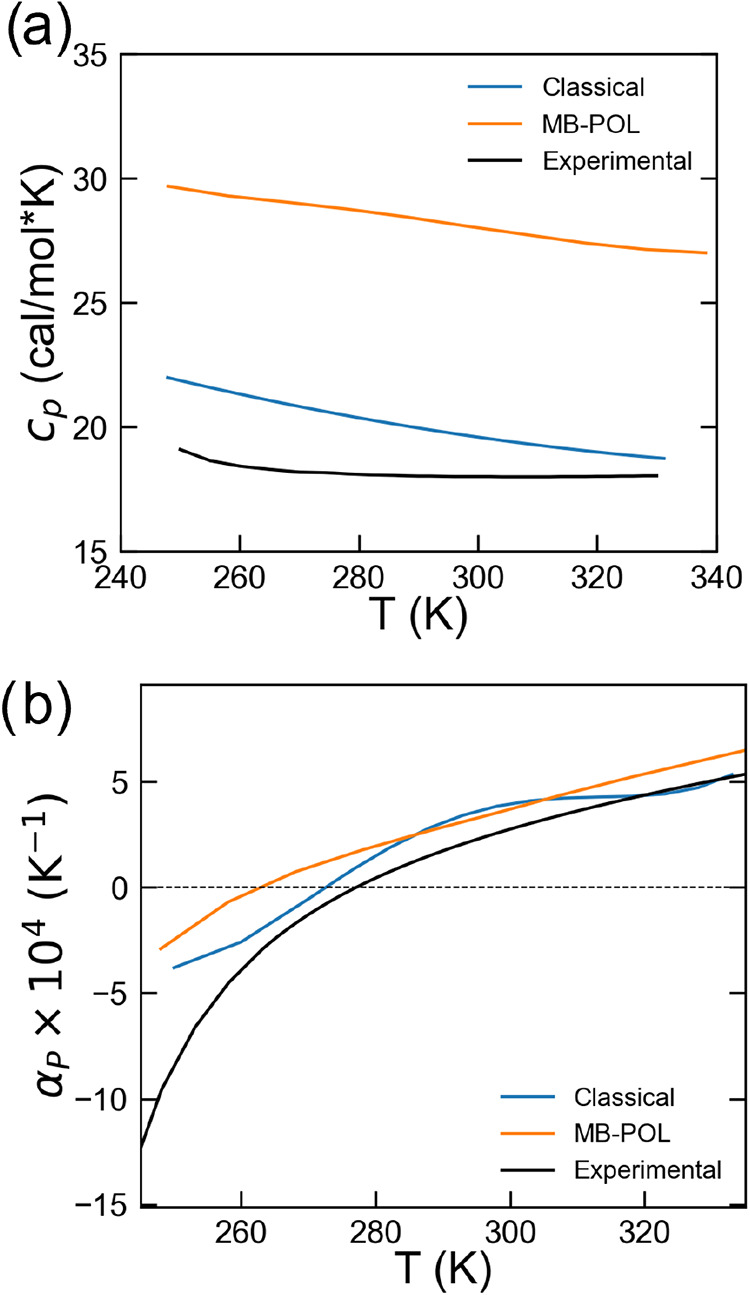 Figure 5
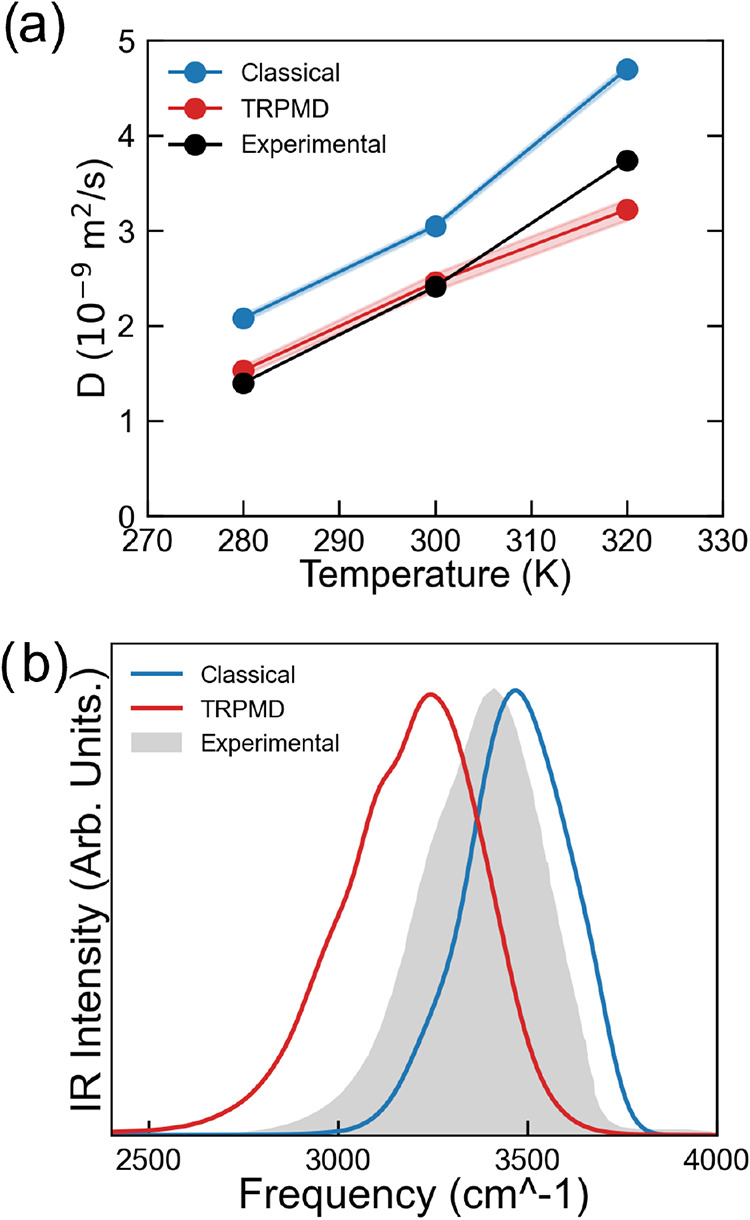 Figure 6
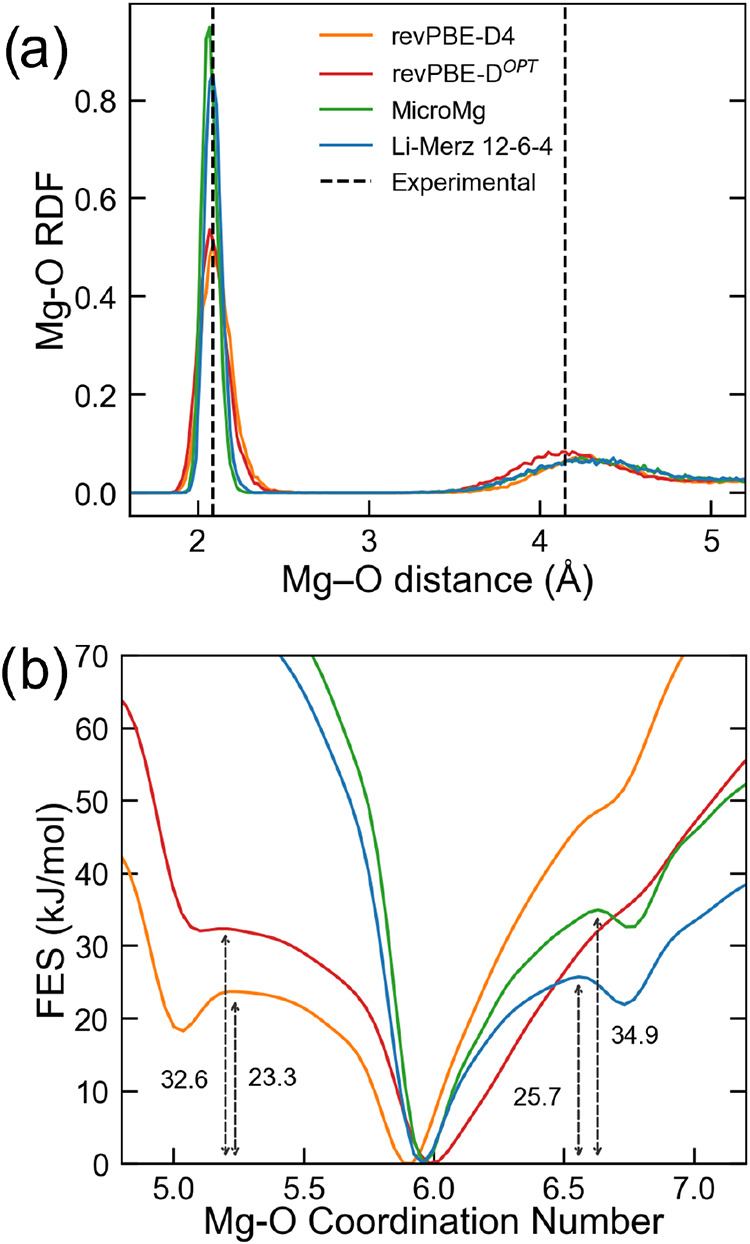 Figure 7
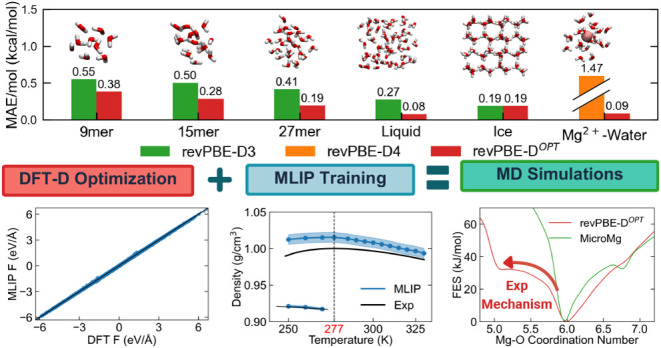 Figure 8
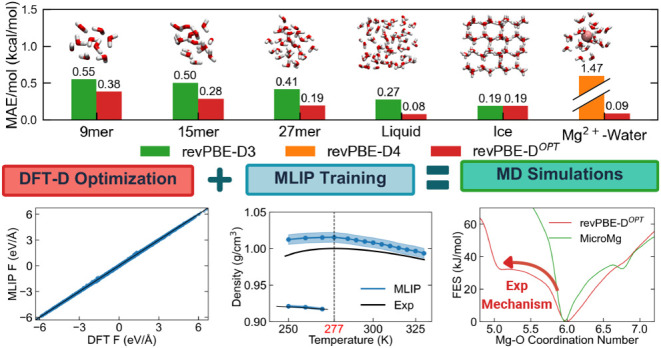 Figure 9
 Figure 10
 Figure 11
 Figure 12
 Figure 13
 Figure 14
 Figure 15
 Figure 16
 Figure 17
 Figure 18
 Figure 19
Peer Reviews
No public reviews on file for this paper yet. If you reviewed it on a platform where reviews are public (OpenReview, ICLR, NeurIPS, ICML), you can paste yours below so the community can read it here.
Videos
No videos yet. Explain this paper in a talk, walkthrough, or lecture? Add one.
Taxonomy
TopicsMachine Learning in Materials Science · Advanced Chemical Physics Studies · Spectroscopy and Quantum Chemical Studies