Sc(III) Complexes of 1,4,7-Triazacyclononane-1,4,7-triacetic Acid and Its Monoamides
Jan Kubinec, Filip Koucký, Adam Svítok, Jan Faltejsek, Jan Kotek, Vojtěch Kubíček, Petr Hermann

TL;DR
This paper studies scandium complexes with specific ligands, revealing their stability and structural features in different states.
Contribution
The study provides new insights into the coordination chemistry of Sc(III) with triazacyclononane derivatives and their monoamides.
Findings
Sc(III) complexes with H3nota and its monoamides show high stability in solution.
Ternary complexes with oxalate form isomers differing in oxalate position.
Sc(III) ions are octacoordinated with a specific coordination mode in all complexes.
Abstract
Scandium(III) complexes with H3nota and its N-ethyl (H2 L 1) and N,N-diethyl (H2 L 2) monoamides were studied in the solid state and solution. Potentiometric measurements showed high stabilities of the binary ScIII complexes with the ligands (log K [Sc(L)] = 19.50, 16.64, and 17.94 for H3nota, H2 L 1 and H2 L,2 respectively) and weak coordination of the second ligand molecule under the ligand excess. The chemical model was confirmed by 45Sc NMR. Multinuclear NMR spectroscopy was used to study the ternary ScIII-ligand-oxalate systems. The results showed the presence of species with 2:1 and 1:1 [Sc(L)]-to-oxalate stoichiometry. Ternary complexes with the nota-monoamides form two isomers differing in the position of oxalate versus amide pendant arm. In the solid state, the [Sc(L)] complexes form oligomers interconnected through ligand carboxylate groups. Crystallization from solutions…
Genes, proteins, chemicals, diseases, species, mutations and cell lines named across the full text — each resolved to its canonical identifier and authoritative record.
Click any figure to enlarge with its caption.
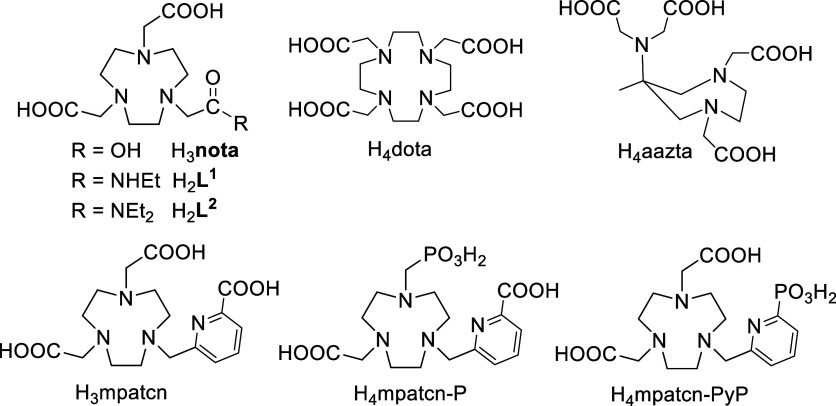 Figure 1
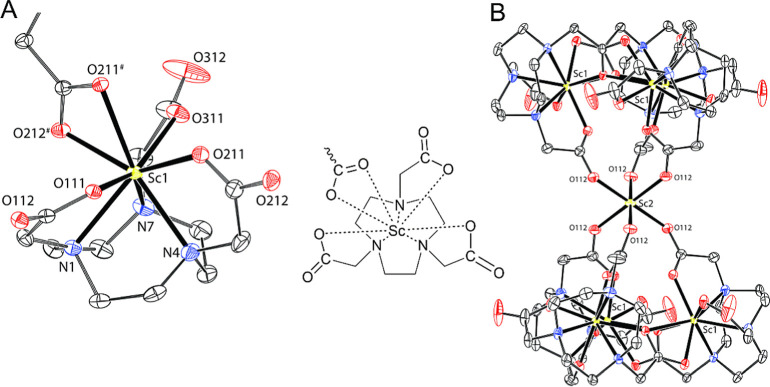 Figure 2
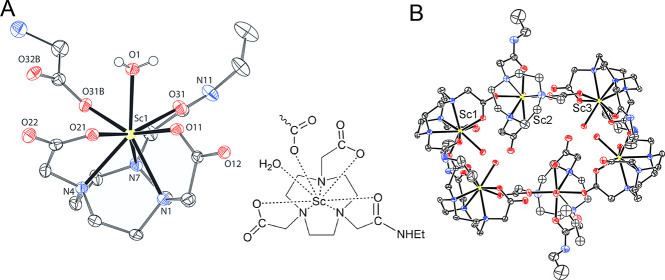 Figure 3
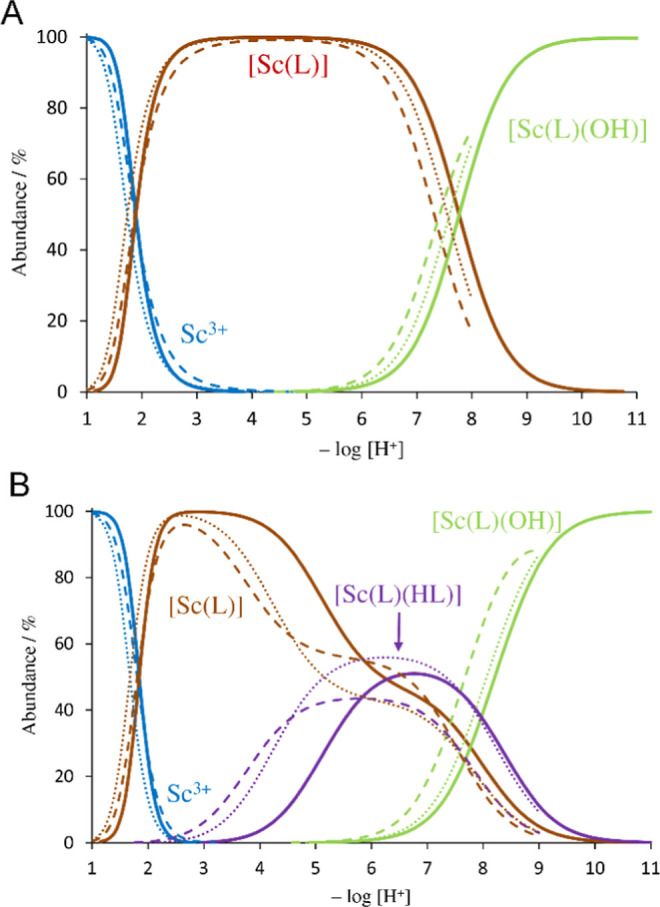 Figure 4
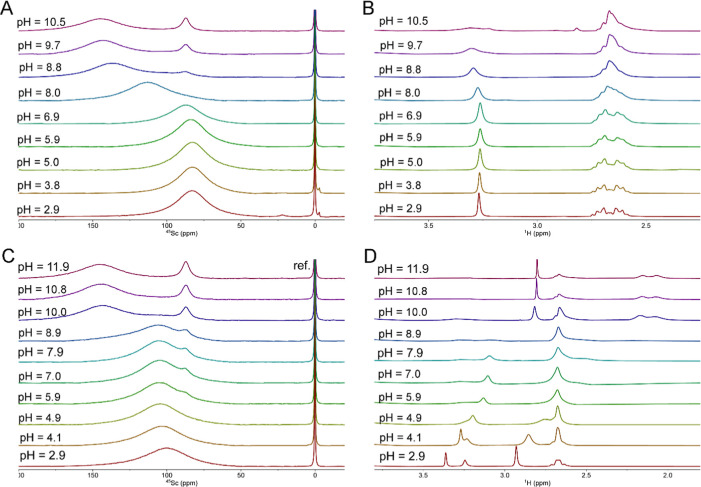 Figure 5
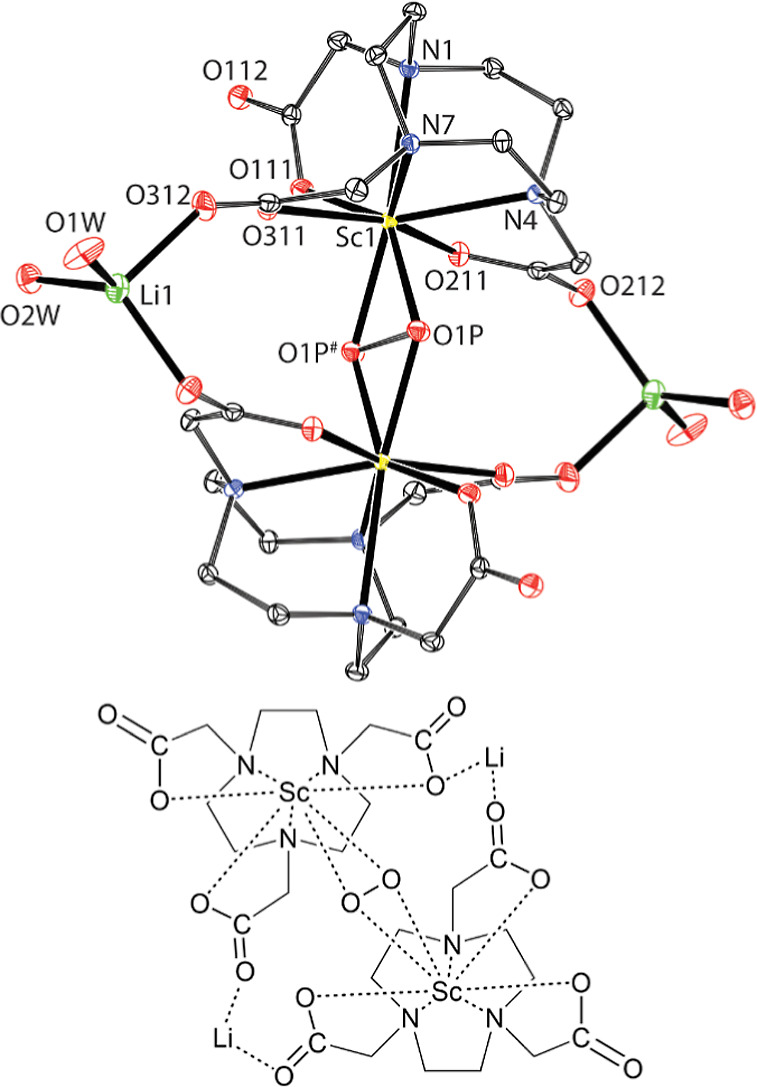 Figure 6
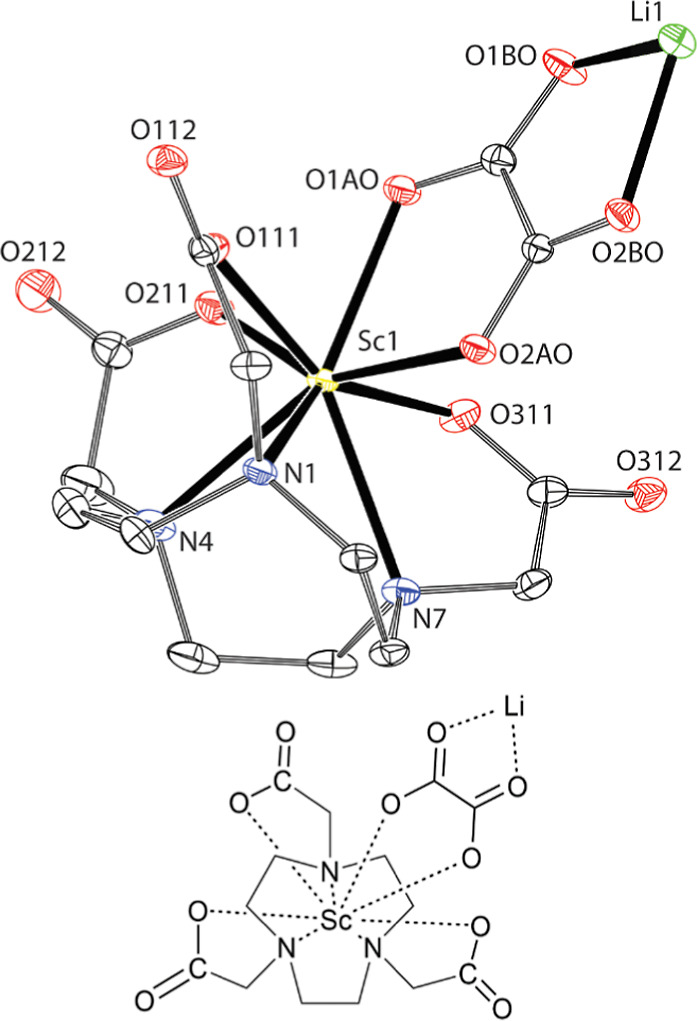 Figure 7
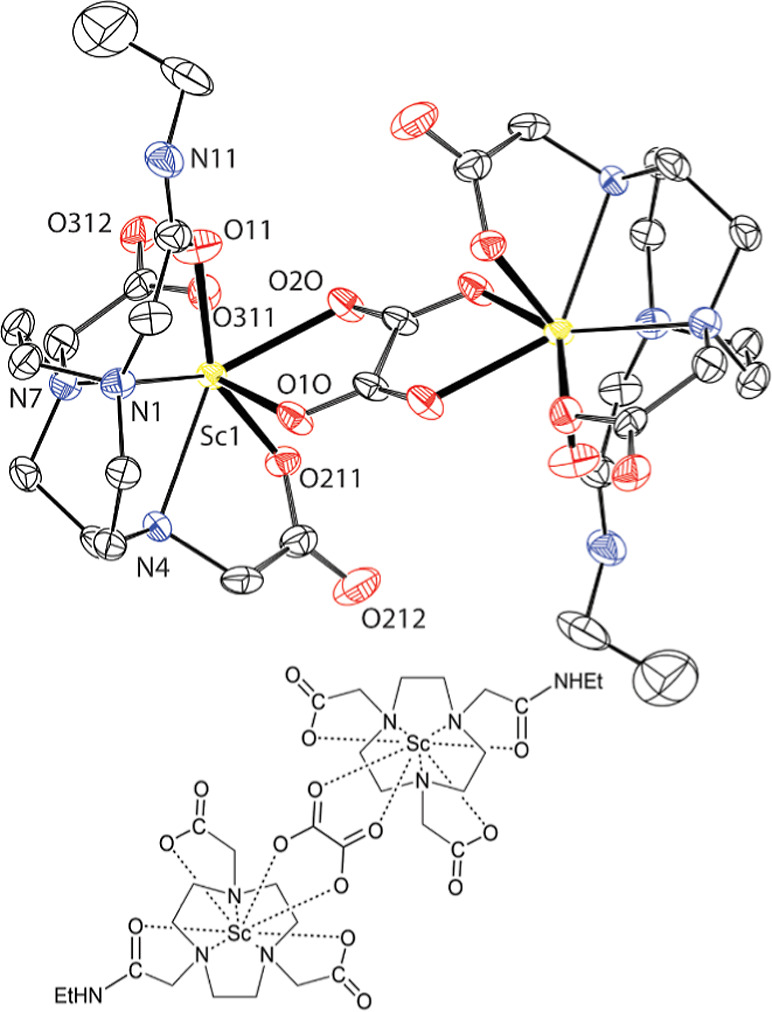 Figure 8
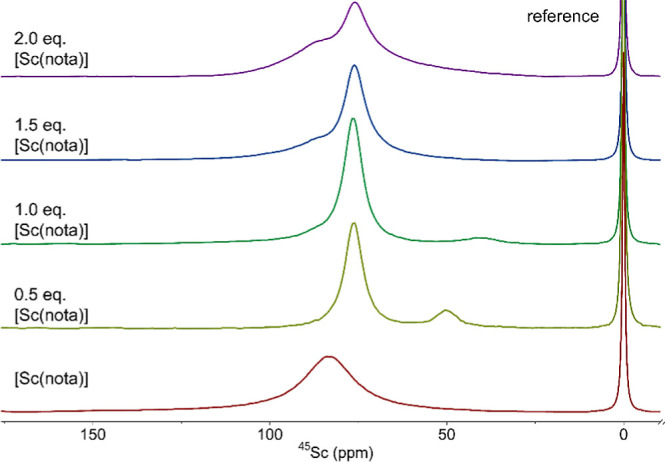 Figure 9
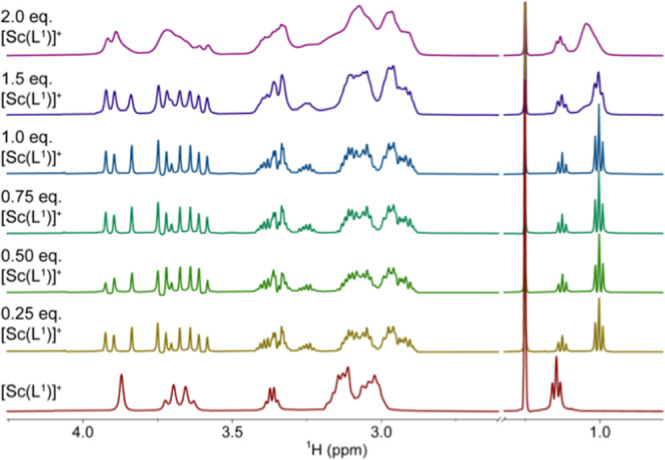 Figure 10
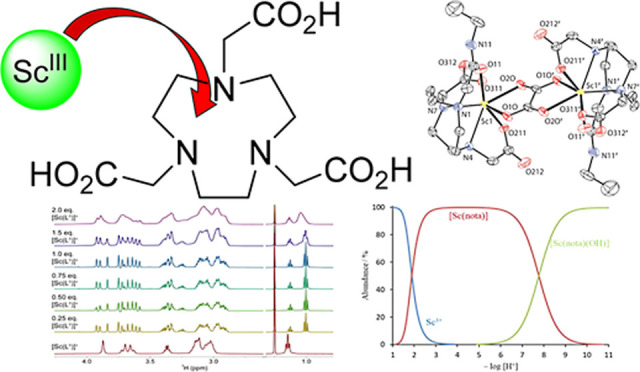 Figure 11
 Figure 12
Peer Reviews
No public reviews on file for this paper yet. If you reviewed it on a platform where reviews are public (OpenReview, ICLR, NeurIPS, ICML), you can paste yours below so the community can read it here.
Videos
No videos yet. Explain this paper in a talk, walkthrough, or lecture? Add one.
Taxonomy
TopicsLanthanide and Transition Metal Complexes · Organometallic Complex Synthesis and Catalysis · Synthesis and characterization of novel inorganic/organometallic compounds