Guest Binding Mechanism of Polycyclic Aromatic Hydrocarbons by Au(I) Metallo-Tweezers Revealed by Computation
Gantulga Norjmaa, Susana Ibáñez, Eduardo Peris, Jean-Didier Maréchal, Gregori Ujaque

TL;DR
This study uses computation to reveal how polycyclic aromatic hydrocarbons bind to gold-based molecular tweezers, uncovering a dynamic process involving cavity reshaping and guest molecule positioning.
Contribution
The study reveals a novel dynamic binding mechanism involving spontaneous rotations of the host's polyaromatic panels to accommodate guest molecules.
Findings
Calculated binding Gibbs energies align well with experimental results, validating computational approaches.
The host's polyaromatic panels undergo spontaneous rotations to modulate cavity shape for guest binding.
A complete rotation around carbon-Au bonds positions the guest molecule in the cavity core.
Abstract
Revealing the mechanisms of supramolecular host–guest binding holds crucial elements for exploring the full potential of supramolecular structures and can lead to further designs and optimizations. Here, we present a computational study of how polycyclic aromatic hydrocarbons (PAHs) bind to a tweezer-shaped molecular receptor (Au(I) metallo-tweezers) in organic solvents. First, the structure and dynamics of the gold tweezers in solution are characterized with and without the guest molecule bound in the cavity. Second, the guest-binding process is investigated by means of metadynamics simulations. We found that the calculated binding Gibbs energies are in very good agreement with the experimental results, showing the viability of these approaches in the field. Importantly, the study reveals an unanticipated dynamic process that involves spontaneous rotations of the polyaromatic panels…
Genes, proteins, chemicals, diseases, species, mutations and cell lines named across the full text — each resolved to its canonical identifier and authoritative record.
Click any figure to enlarge with its caption.
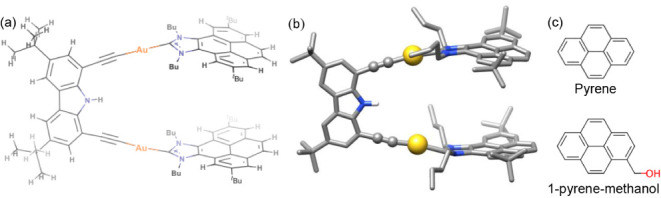 Figure 1
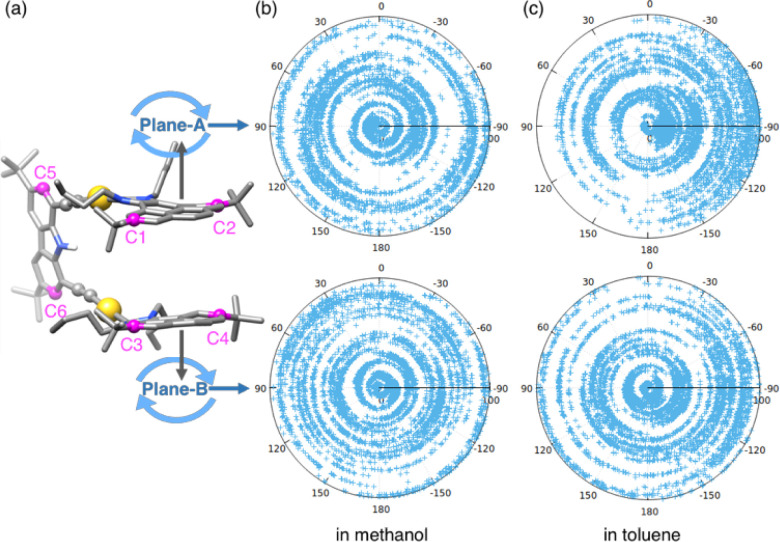 Figure 2
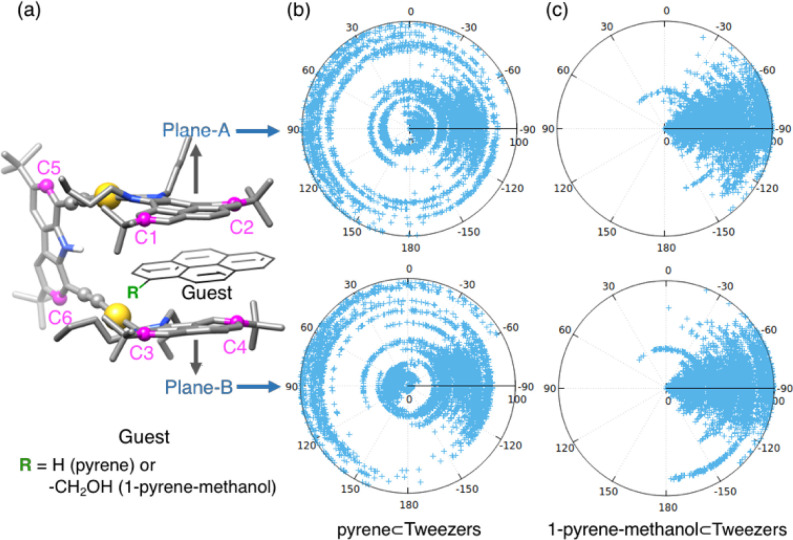 Figure 3
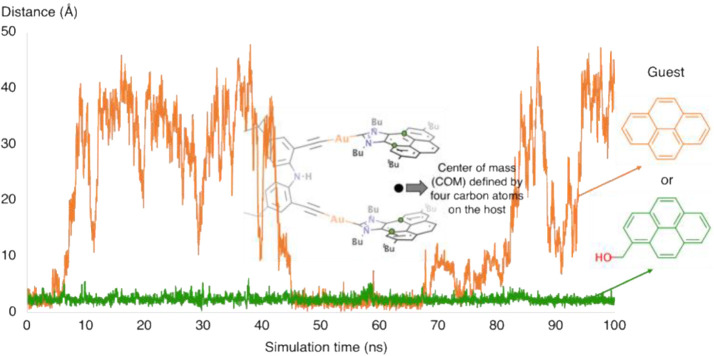 Figure 4
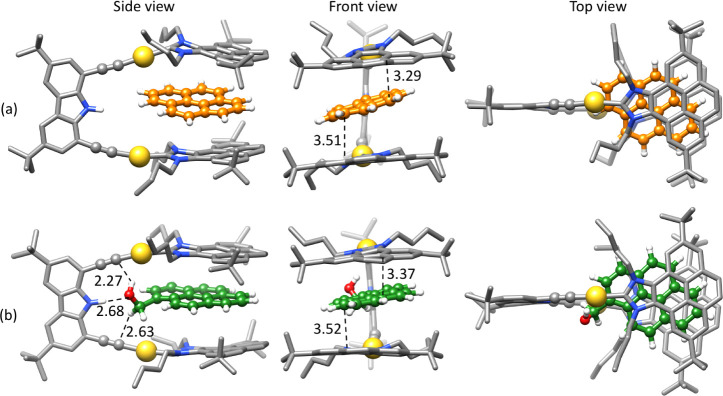 Figure 5
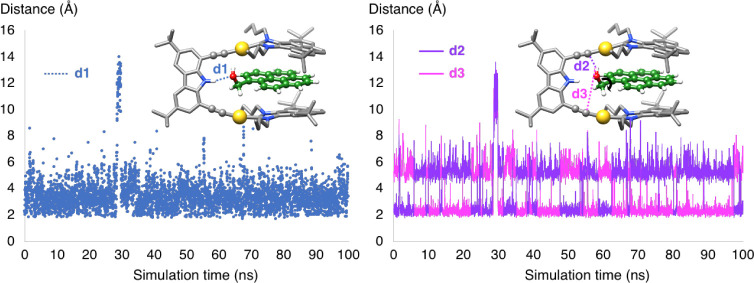 Figure 6
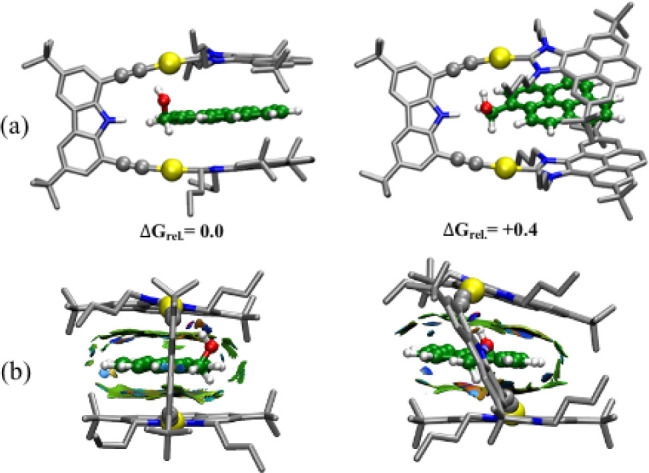 Figure 7
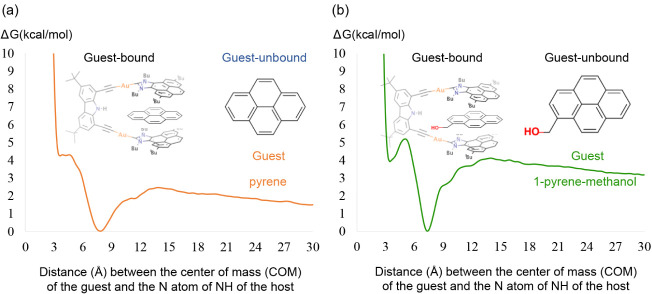 Figure 8
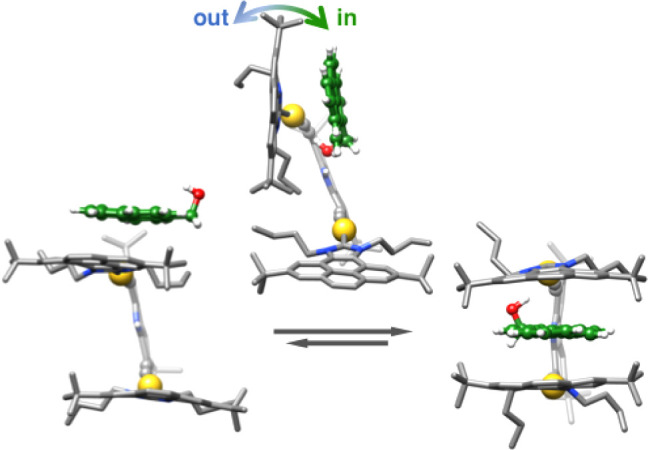 Figure 9
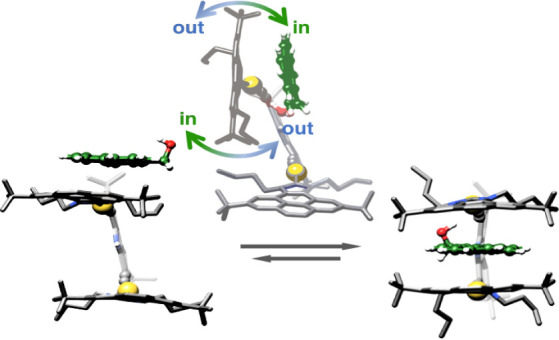 Figure 10
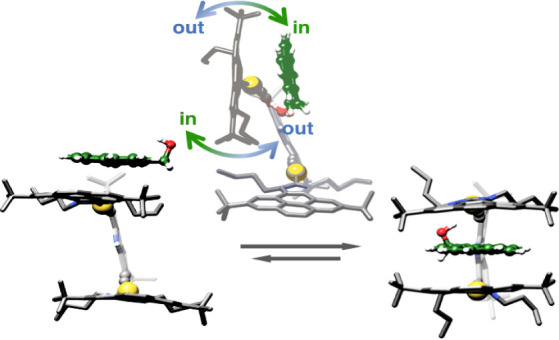 Figure 11
 Figure 12
 Figure 13
Peer Reviews
No public reviews on file for this paper yet. If you reviewed it on a platform where reviews are public (OpenReview, ICLR, NeurIPS, ICML), you can paste yours below so the community can read it here.
Videos
No videos yet. Explain this paper in a talk, walkthrough, or lecture? Add one.
Taxonomy
TopicsSupramolecular Chemistry and Complexes · Surface Chemistry and Catalysis · Molecular Junctions and Nanostructures