Meta-Analysis and Topological Perturbation in Interactomic Network for Antiopioid Addiction Drug Repurposing
Chunhuan Zhang, Sean Cottrell, Benjamin Jones, Yueying Zhu, Huahai Qiu, Bengong Zhang, Tianshou Zhou, Jian Jiang

TL;DR
This study uses gene expression data and network analysis to find existing drugs that could treat opioid addiction, offering a new approach for drug repurposing.
Contribution
The novel multiscale topological differentiation method identifies key genes in PPI networks for drug repurposing.
Findings
A meta-analysis of seven transcriptomic datasets identified 1,865 high-confidence targets for opioid addiction.
Drug repurposing candidates were prioritized using molecular docking and ADMET profiling for safety and druggability.
The approach is generalizable for drug repurposing in other complex diseases.
Abstract
The ongoing opioid crisis highlights the urgent need for novel therapeutic strategies that can be rapidly deployed. This study presents a novel approach to identify potential repurposable drugs for the treatment of opioid addiction, aiming to bridge the gap between transcriptomic data analysis and drug discovery. Specifically, we perform a meta-analysis of seven transcriptomic data sets related to opioid addiction by differential gene expression (DGE) analysis and propose a novel multiscale topological differentiation to identify key genes from a protein–protein interaction (PPI) network derived from DEGs. This method uses persistent Laplacians to accurately single out important nodes within the PPI network through a multiscale manner to ensure high reliability. Subsequent functional validation by pathway enrichment and rigorous data curation yields 1,865 high-confidence targets…
Genes, proteins, chemicals, diseases, species, mutations and cell lines named across the full text — each resolved to its canonical identifier and authoritative record.
Click any figure to enlarge with its caption.
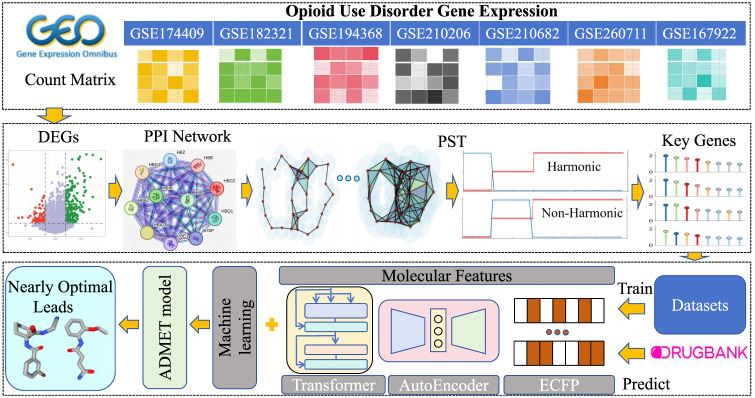 Figure 1
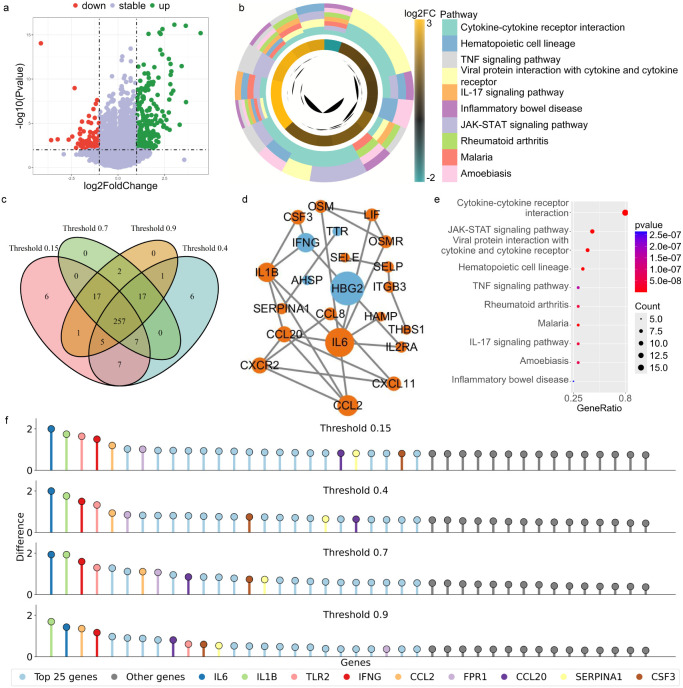 Figure 2
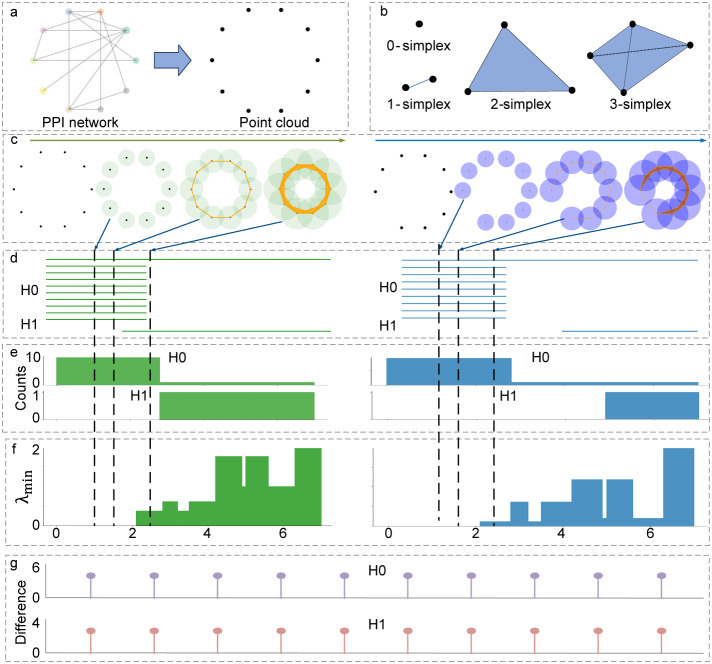 Figure 3
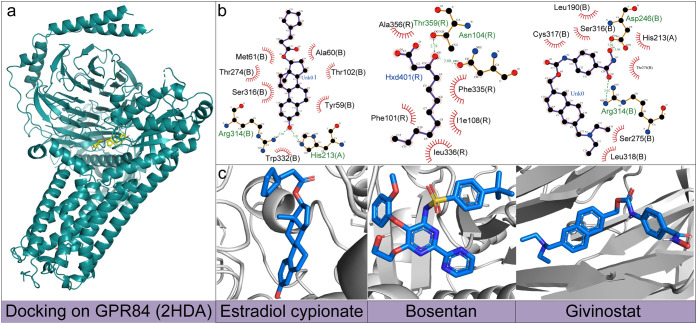 Figure 4
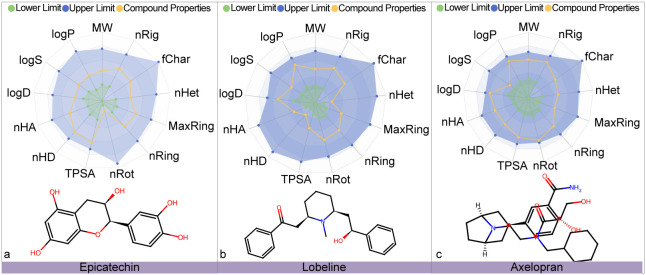 Figure 5
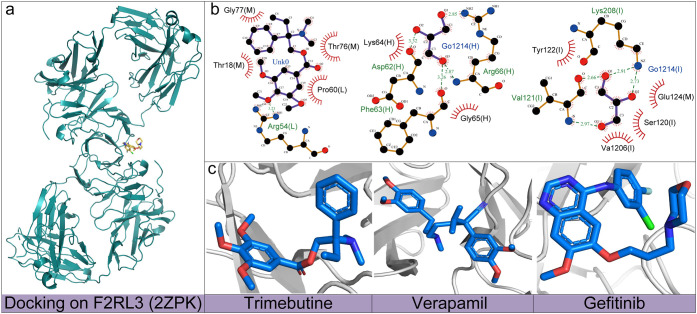 Figure 6
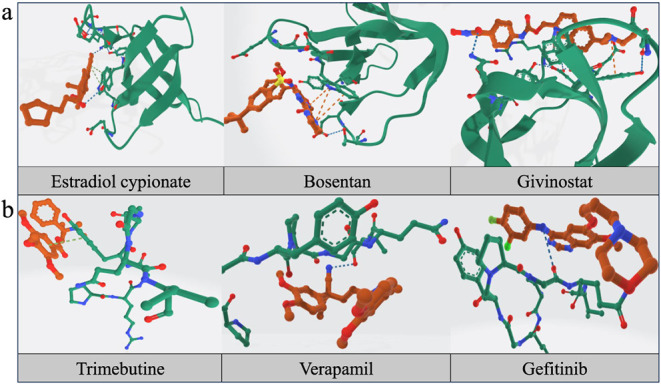 Figure 7
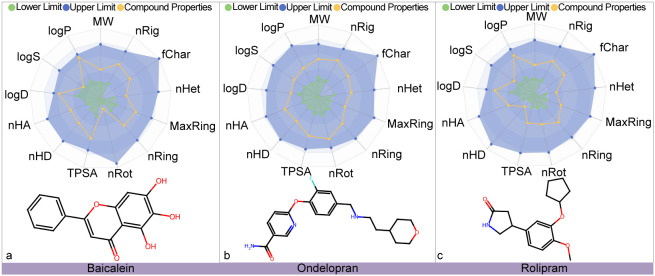 Figure 8
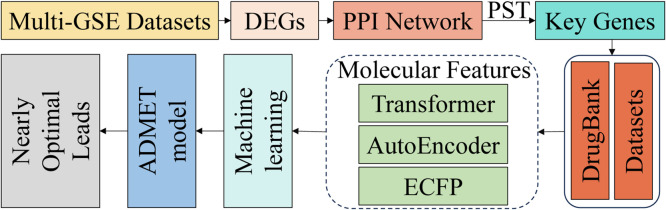 Figure 9
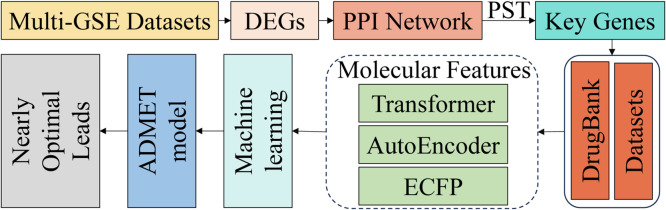 Figure 10
 Figure 11
 Figure 12
 Figure 13
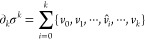 Figure 14
 Figure 15
 Figure 16
 Figure 17
 Figure 18
 Figure 19
 Figure 20
 Figure 21
 Figure 22
 Figure 23
 Figure 24
 Figure 25
 Figure 26
 Figure 27
 Figure 28
 Figure 29
 Figure 30
 Figure 31
 Figure 32
 Figure 33
 Figure 34
 Figure 35
 Figure 36
 Figure 37
 Figure 38
 Figure 39
 Figure 40
 Figure 41
 Figure 42
 Figure 43
 Figure 44
 Figure 45
 Figure 46
 Figure 47
 Figure 48
 Figure 49
 Figure 50
Peer Reviews
No public reviews on file for this paper yet. If you reviewed it on a platform where reviews are public (OpenReview, ICLR, NeurIPS, ICML), you can paste yours below so the community can read it here.
Videos
No videos yet. Explain this paper in a talk, walkthrough, or lecture? Add one.
Taxonomy
TopicsBioinformatics and Genomic Networks · Computational Drug Discovery Methods · Receptor Mechanisms and Signaling