Single-Electron Bond in Ir–Ir Dimer Stabilized under Pressure
Cheng Peng, Mingyu Xu, Jie Li, Weiwei Xie

TL;DR
A new material with a single-electron bond between iridium atoms is discovered, showing unique magnetic properties under high pressure.
Contribution
The discovery of a single-electron bond in an Ir–Ir dimer and its stabilization under pressure in a new iridate compound.
Findings
The Ir–Ir dimer in Ba3NbIr2O9 contains an unpaired electron, leading to electronic instability.
Magnetic susceptibility and specific heat measurements show no long-range magnetic order down to 1.8 K.
Electronic structure calculations suggest a homogeneous Ir3.5+–Ir3.5+ configuration in the dimer.
Abstract
Odd-electron bonds, often considered ephemerally stable in chemical systems, can give rise to exotic physical phenomena in quantum materials. In this study, we present the design and discovery of a new iridate, Ba3NbIr2O9, which hosts a single-electron bond within an Ir–Ir dimer. Ba3NbIr2O9 was synthesized under high-pressure and high-temperature conditions and crystallizes in a hexagonal structure (space group P63/mmc). The Ir–Ir (III, IV) dimer contains an unpaired electron, leading to an electronically unstable state with potentially frustrated magnetic interactions. Magnetic susceptibility measurements reveal a paramagnetic ground state with no long-range magnetic order down to 1.8 K, despite a Curie–Weiss temperature of −26.9 K. A sign of short-range magnetic ordering is observed below 5 K. The specific heat measurements down to 1.8 K confirm that no long-range ordering is observed…
Genes, proteins, chemicals, diseases, species, mutations and cell lines named across the full text — each resolved to its canonical identifier and authoritative record.
Click any figure to enlarge with its caption.
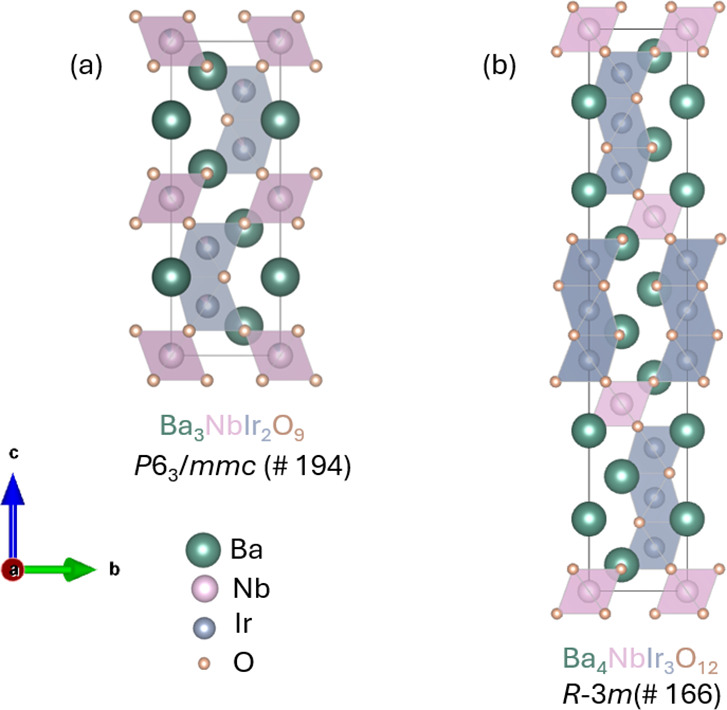 Figure 1
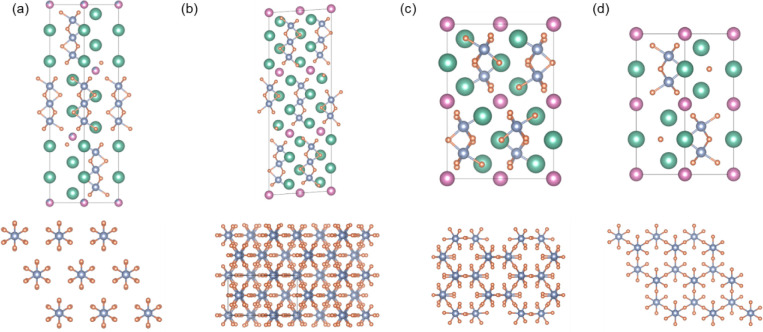 Figure 2
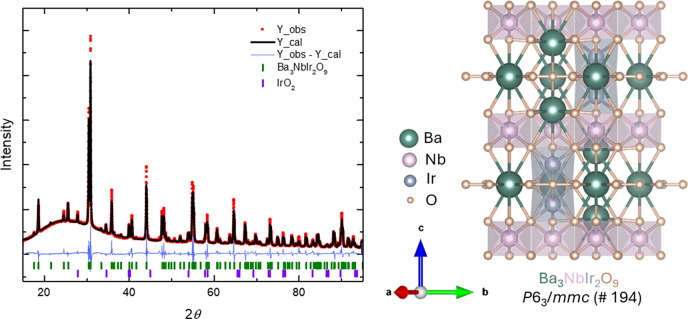 Figure 3
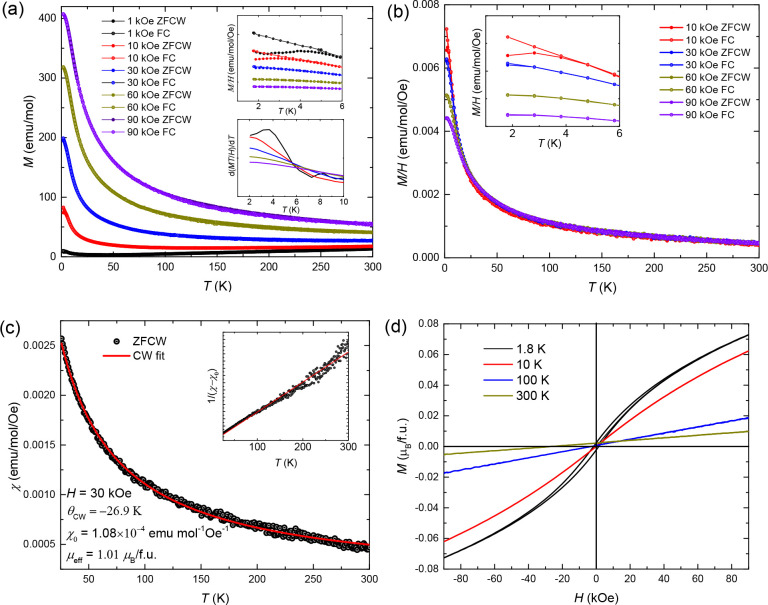 Figure 4
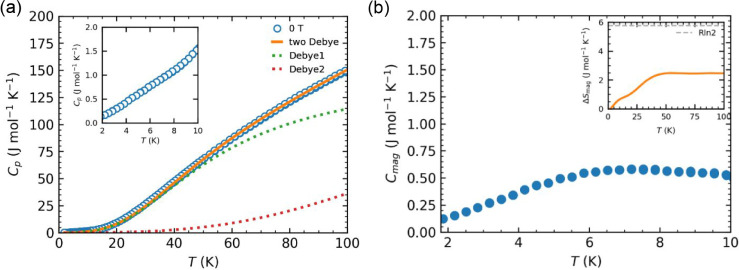 Figure 5
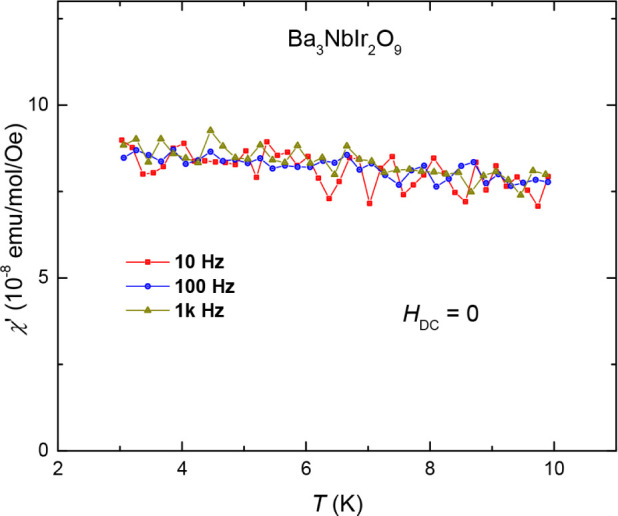 Figure 6
 Figure 7
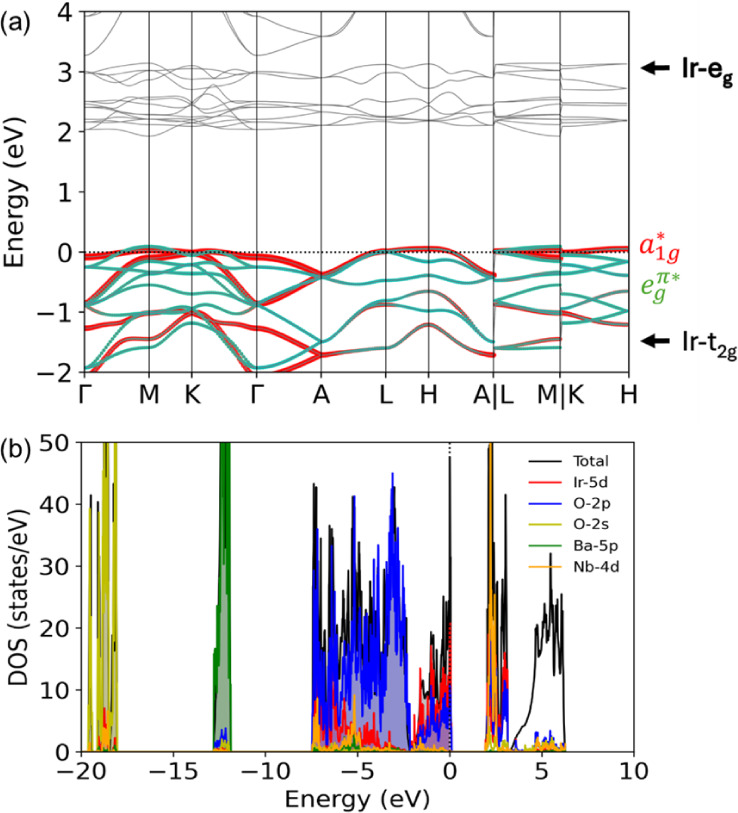 Figure 8
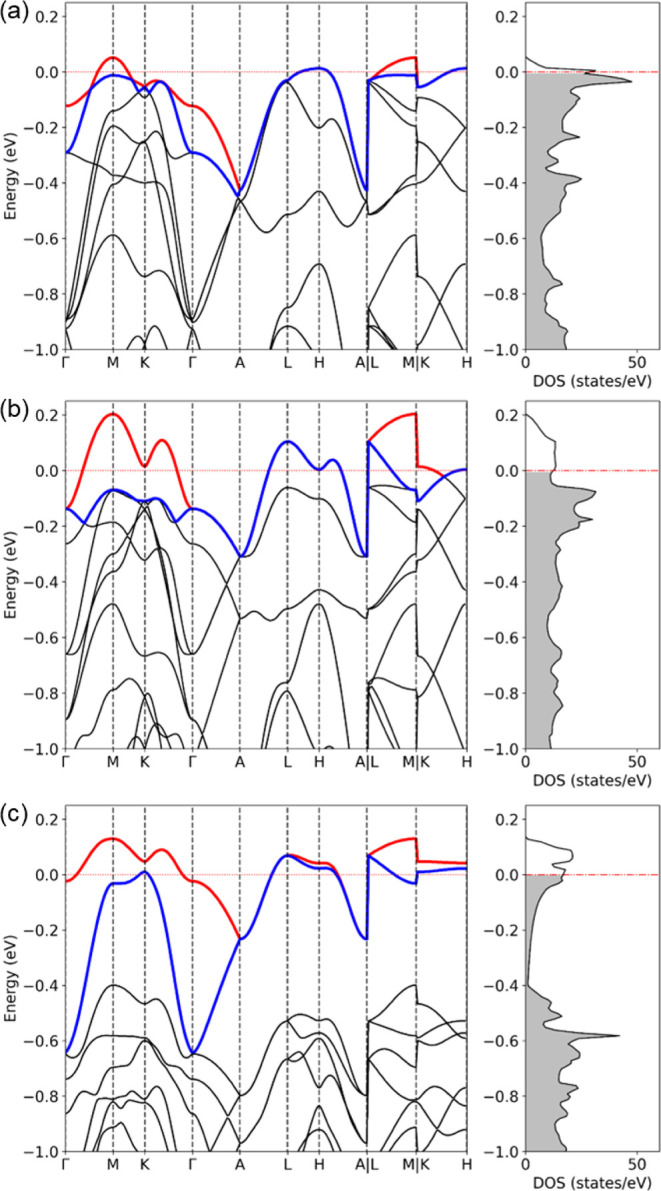 Figure 9
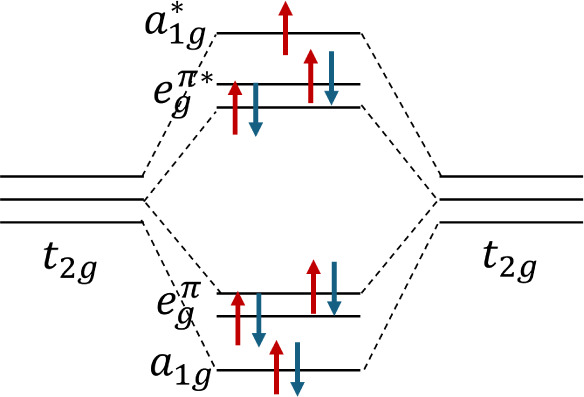 Figure 10
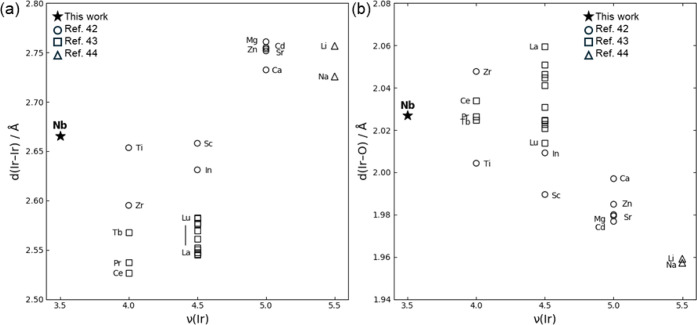 Figure 11
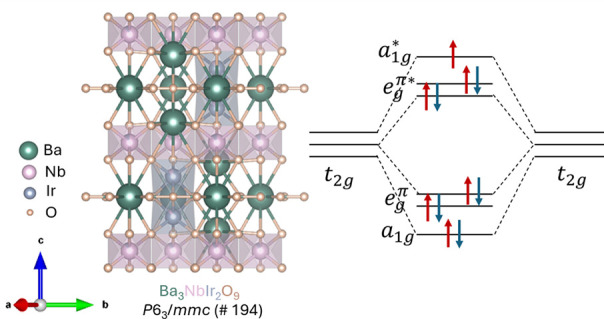 Figure 12
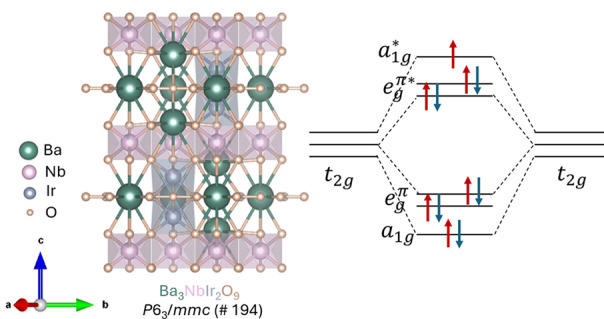 Figure 13
 Figure 14
 Figure 15
 Figure 16
 Figure 17
 Figure 18
 Figure 19
 Figure 20
Peer Reviews
No public reviews on file for this paper yet. If you reviewed it on a platform where reviews are public (OpenReview, ICLR, NeurIPS, ICML), you can paste yours below so the community can read it here.
Videos
No videos yet. Explain this paper in a talk, walkthrough, or lecture? Add one.
Taxonomy
TopicsAdvanced Condensed Matter Physics · Physics of Superconductivity and Magnetism · Organic and Molecular Conductors Research