A Dysprosium Complex with Two Quasi-Degenerate Easy Axes
Carlo Andrea Mattei, Niki Mavragani, Alexandros A. Kitos, Matteo Briganti, Diogo A. Gálico, Muralee Murugesu, Mauro Perfetti

TL;DR
This paper explores a dysprosium complex with two nearly identical magnetic easy axes, revealing new possibilities for molecular materials.
Contribution
The discovery of two quasi-degenerate easy axes in a DyIII complex through targeted molecular modifications.
Findings
Two low-lying states with strong easy axis anisotropy were found, tilted by ∼90°.
The magnetic anisotropy was rationalized using ab initio calculations and experimental techniques.
Molecular modifications validated the findings and expanded their applicability.
Abstract
The synergistic use of synthesis, single crystal X-ray Diffraction, torque and SQUID magnetometry, luminescence, and ab initio calculations is presented here to unambiguously unfold the magnetic anisotropy of an apparently ordinary low-symmetry eight-coordinated DyIII complex. Surprisingly, we found two low-lying states extremely close in energy, both displaying a strong easy axis anisotropy, tilted by ∼90°. Such a result has been rationalized, and its validity was extended upon targeted molecular modifications. These findings open new possibilities for the exploitation of such a kind of magnetic anisotropy in molecular materials.
Genes, proteins, chemicals, diseases, species, mutations and cell lines named across the full text — each resolved to its canonical identifier and authoritative record.
Click any figure to enlarge with its caption.
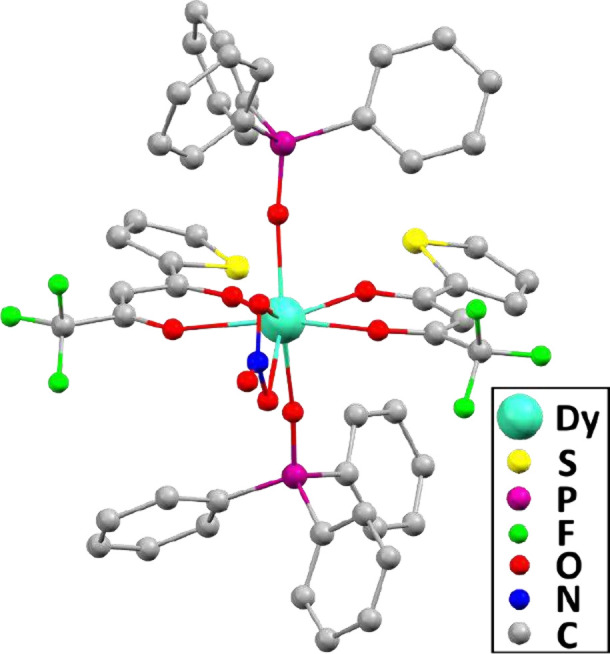 Figure 1
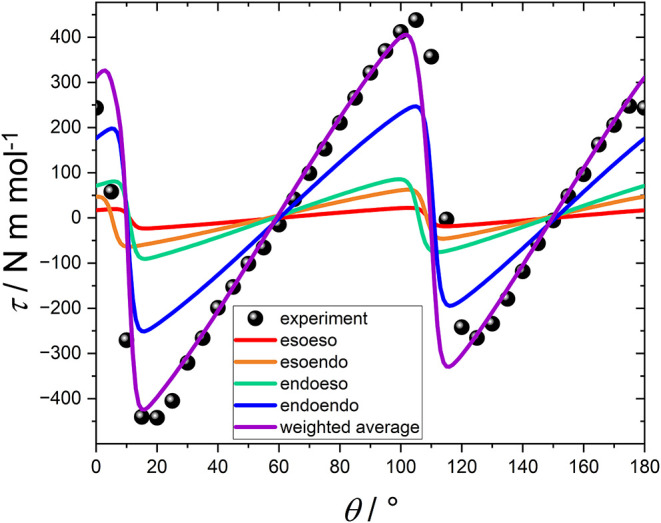 Figure 2
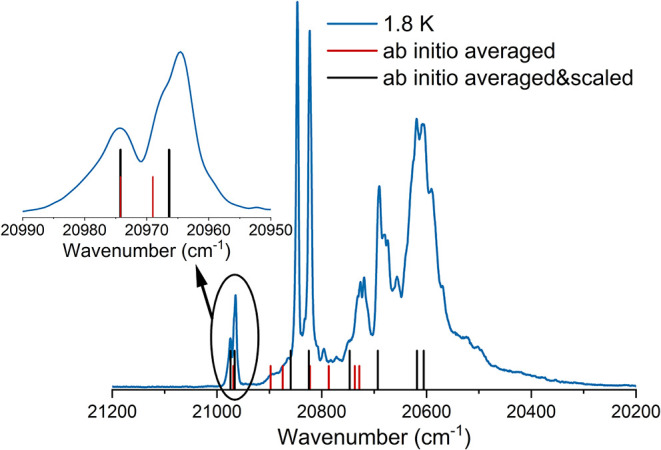 Figure 3
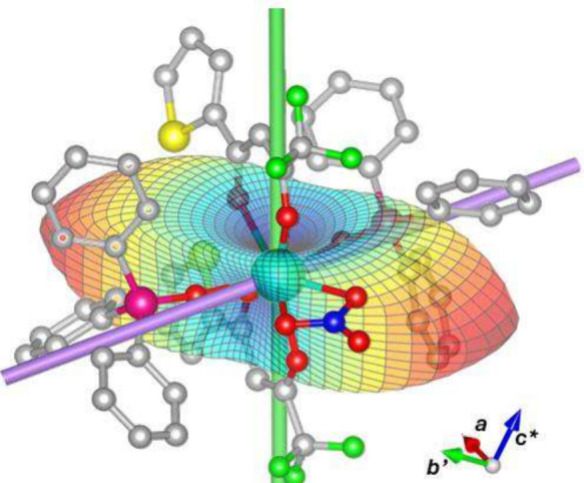 Figure 4
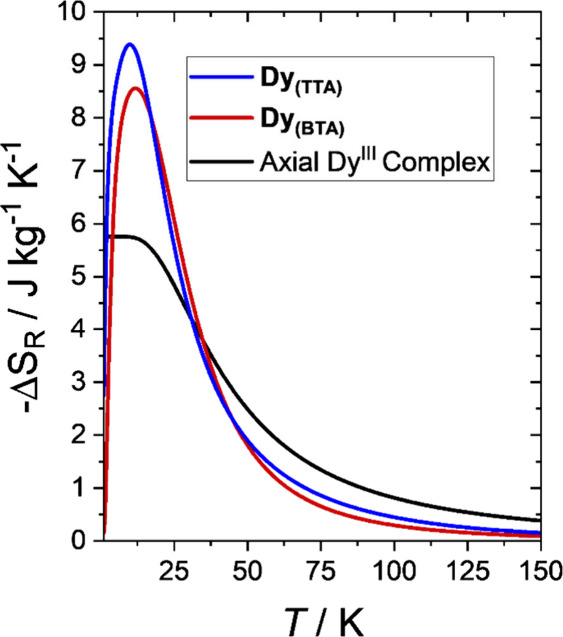 Figure 5
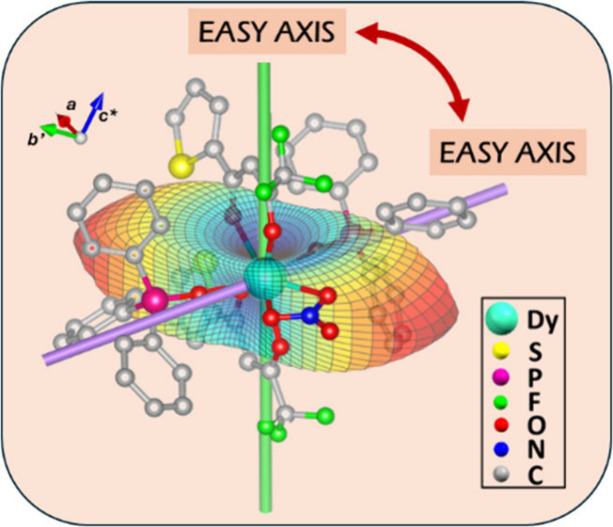 Figure 6
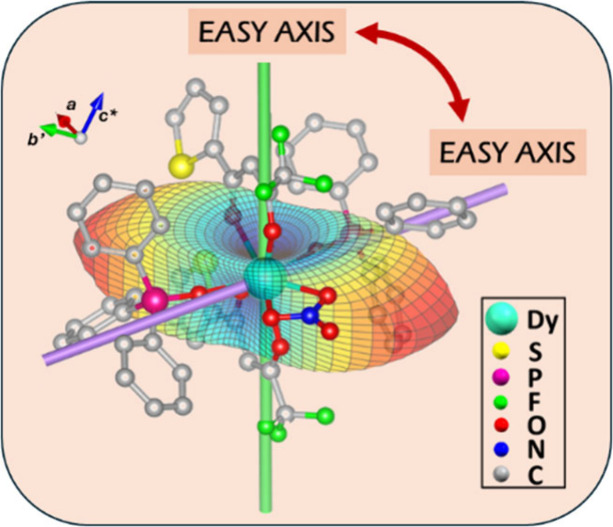 Figure 7
Peer Reviews
No public reviews on file for this paper yet. If you reviewed it on a platform where reviews are public (OpenReview, ICLR, NeurIPS, ICML), you can paste yours below so the community can read it here.
Videos
No videos yet. Explain this paper in a talk, walkthrough, or lecture? Add one.
Taxonomy
TopicsMagnetism in coordination complexes · Organic and Molecular Conductors Research · Synthesis and Properties of Aromatic Compounds