Morphological and Morphometric Analysis of the Occipital Condyles and Their Clinical Significance
Mehmet C Tatar, Ahmet S Aygündüz, Ekrem Solmaz, Zeliha Fazliogullari

TL;DR
This study analyzes the shape and size of occipital condyles in human skulls to improve surgical safety and understanding of craniovertebral anatomy.
Contribution
The study identifies a new morphological type of occipital condyle and provides detailed morphometric data relevant to surgical planning.
Findings
The foramen magnum had a mean sagittal diameter of 35.1 mm and transverse diameter of 29.5 mm.
Nine morphological types of occipital condyles were identified, including a new 'sausage type' configuration.
Bilateral condylar canals were present in 16 out of 32 skulls examined.
Abstract
Background The occipital bone, located in the human neurocranium, forms the craniovertebral junction and plays a critical role in both structural support and neural protection. The occipital condyle is particularly significant in traumatic events, especially in high-impact injuries such as motorcycle accidents. In this study, we evaluated the anatomy of the occipital condyles, pharyngeal tubercle, and foramen magnum within this trauma-prone region. The goal was to contribute to medical education, improve surgical safety, and provide reference data for clinical applications. Methodology A total of 32 dry skulls from a modern Anatolian population were examined in the anatomy laboratory. Linear measurements were taken using a high-precision digital caliper. Parameters measured included the length and maximum and minimum widths of the occipital condyles, the sagittal and transverse…
Genes, proteins, chemicals, diseases, species, mutations and cell lines named across the full text — each resolved to its canonical identifier and authoritative record.
Click any figure to enlarge with its caption.
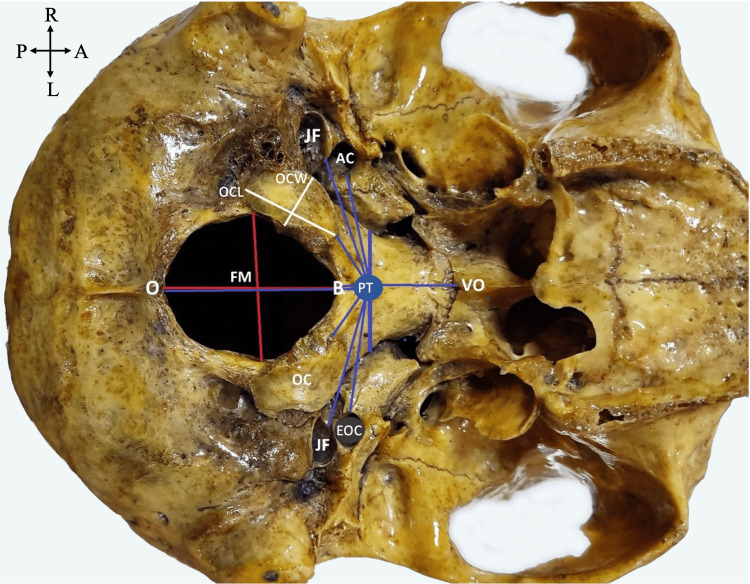 Figure 1
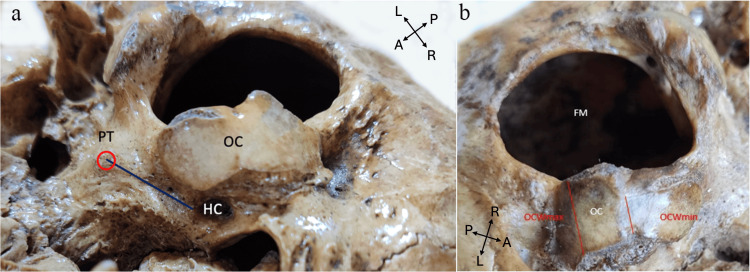 Figure 2
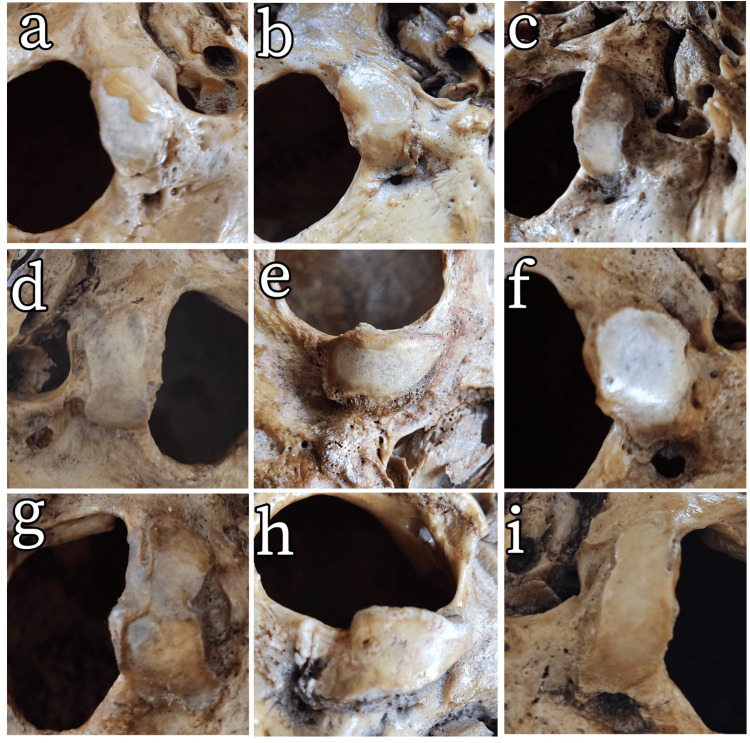 Figure 3
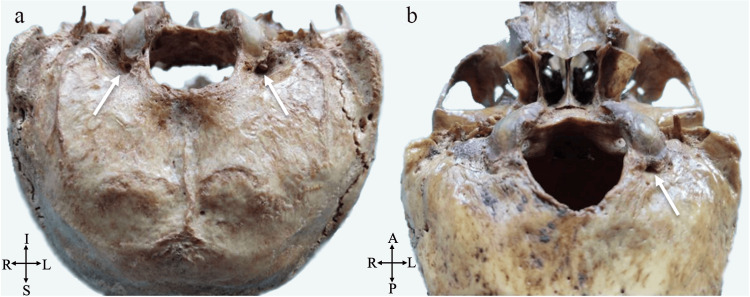 Figure 4
Peer Reviews
No public reviews on file for this paper yet. If you reviewed it on a platform where reviews are public (OpenReview, ICLR, NeurIPS, ICML), you can paste yours below so the community can read it here.
Videos
No videos yet. Explain this paper in a talk, walkthrough, or lecture? Add one.
Taxonomy
TopicsMedical Imaging and Analysis · Ophthalmology and Eye Disorders · Traumatic Brain Injury and Neurovascular Disturbances