Structural and functional characterization of a metagenomically derived γ‐type carbonic anhydrase and its engineering into a hyperthermostable esterase
Charoutioun S. Bodourian, Mohsin Imran, Nikolaos D. Georgakis, Anastassios C. Papageorgiou, Nikolaos E. Labrou

TL;DR
A γ-type carbonic anhydrase from a geothermal spring was characterized and engineered into a thermostable esterase through structural insights and rational design.
Contribution
A novel γ-type carbonic anhydrase was engineered into a hyperthermostable esterase using structure-based rational design.
Findings
γ-CaCA showed high thermal stability with a melting temperature of 65–75°C.
γ-CaCAmut was engineered to become a catalytically active esterase with increased thermostability.
X-ray crystallography revealed the structural basis for the engineered enzyme's function and stability.
Abstract
The 16S microbial community profiling of a metagenomics library from geothermal spring at Lisvori (Lesvos island, Greece) enabled the identification of a putative sequence exhibiting 95% identity to the γ‐type carbonic anhydrase (γ‐CA) from Caloramator australicus (γ‐CaCA). The sequence of γ‐CaCA was amplified by PCR, cloned, and expressed in E. coli. Activity assays showed that γ‐CaCA possesses very low, but detectable, anhydrase activity, while exhibiting no measurable esterase activity. Differential scanning fluorimetry (DSF) revealed that the enzyme shows high thermal stability with a melting temperature (T m ) approximately 65–75°C in the pH range between 5.5 and 9.0. The structure of γ‐CaCA was determined by X‐ray crystallography at 1.11 Å resolution, the highest resolution reported so far for a γ‐CA. The enzyme was crystallized as a trimer in the crystallographic asymmetric unit…
Genes, proteins, chemicals, diseases, species, mutations and cell lines named across the full text — each resolved to its canonical identifier and authoritative record.
Click any figure to enlarge with its caption.
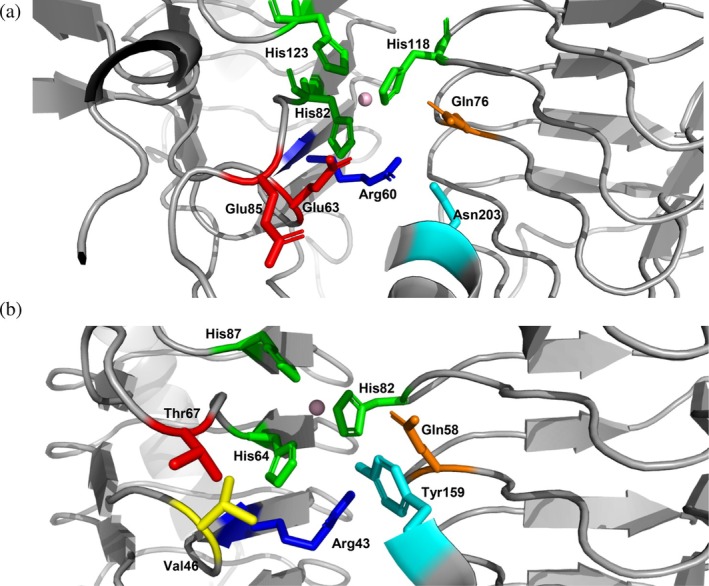 Figure 1
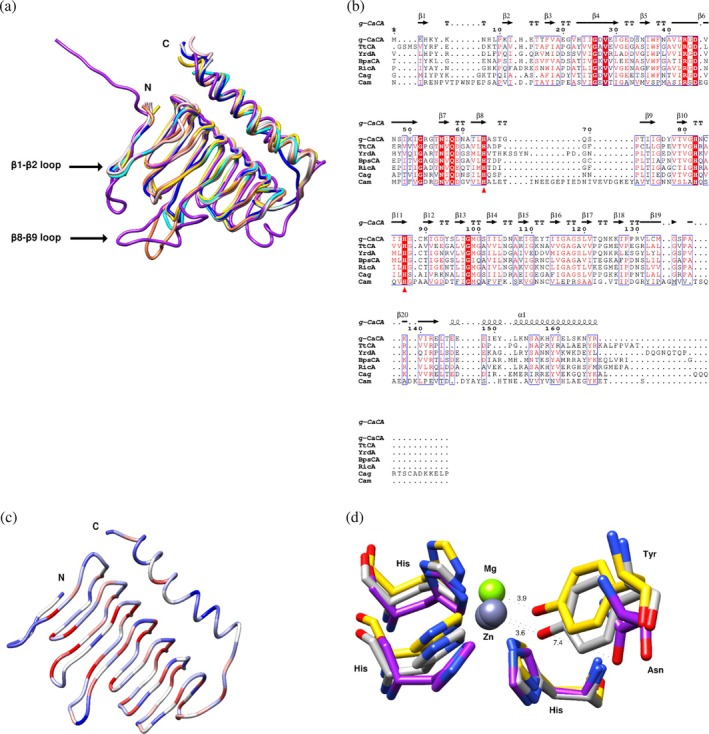 Figure 2
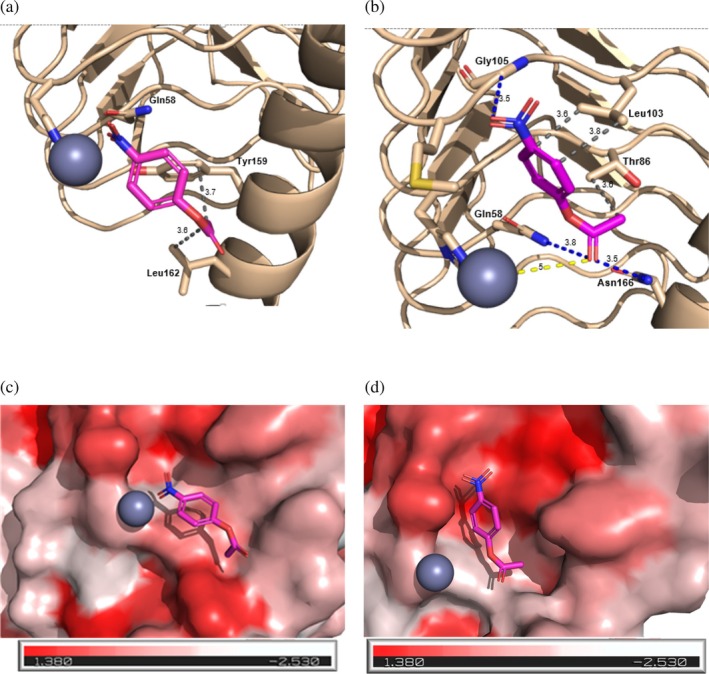 Figure 3
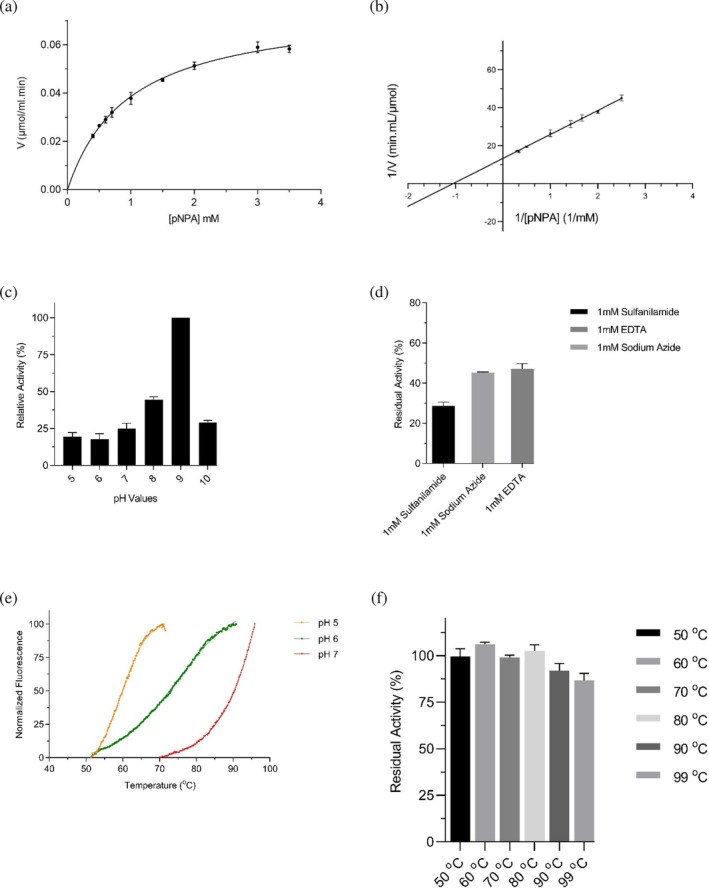 Figure 4
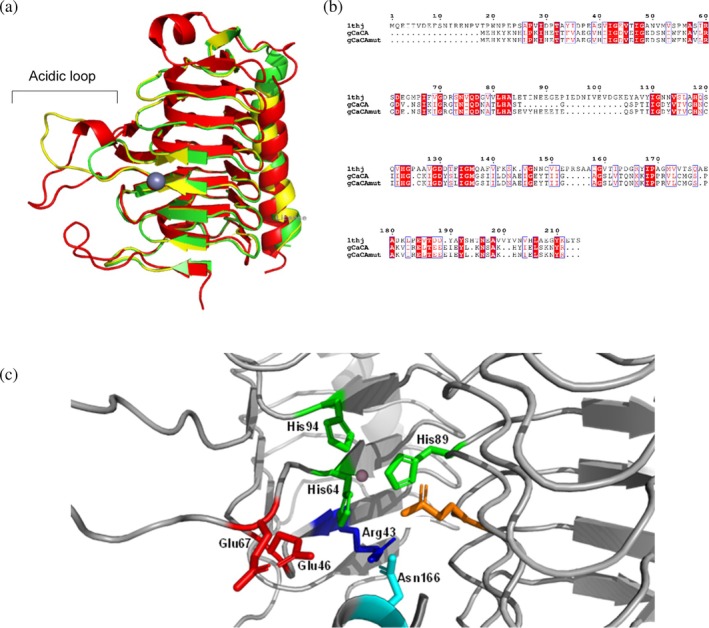 Figure 5
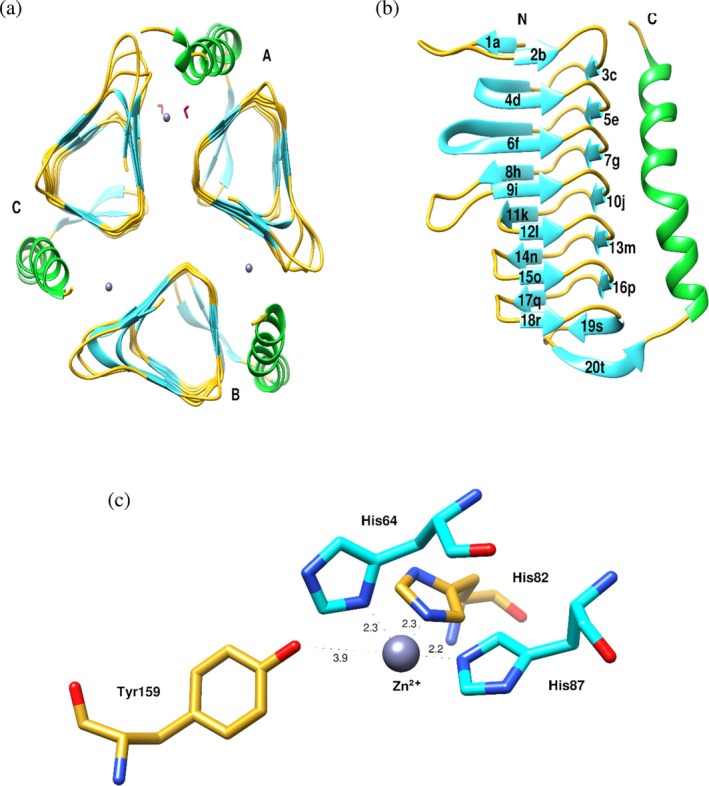 Figure 6
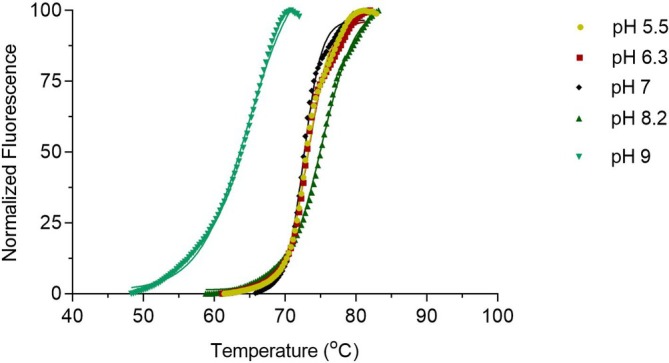 Figure 7
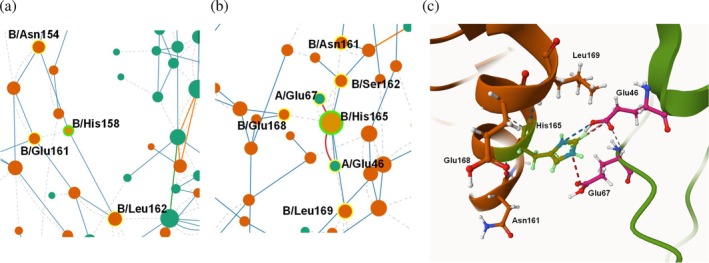 Figure 8
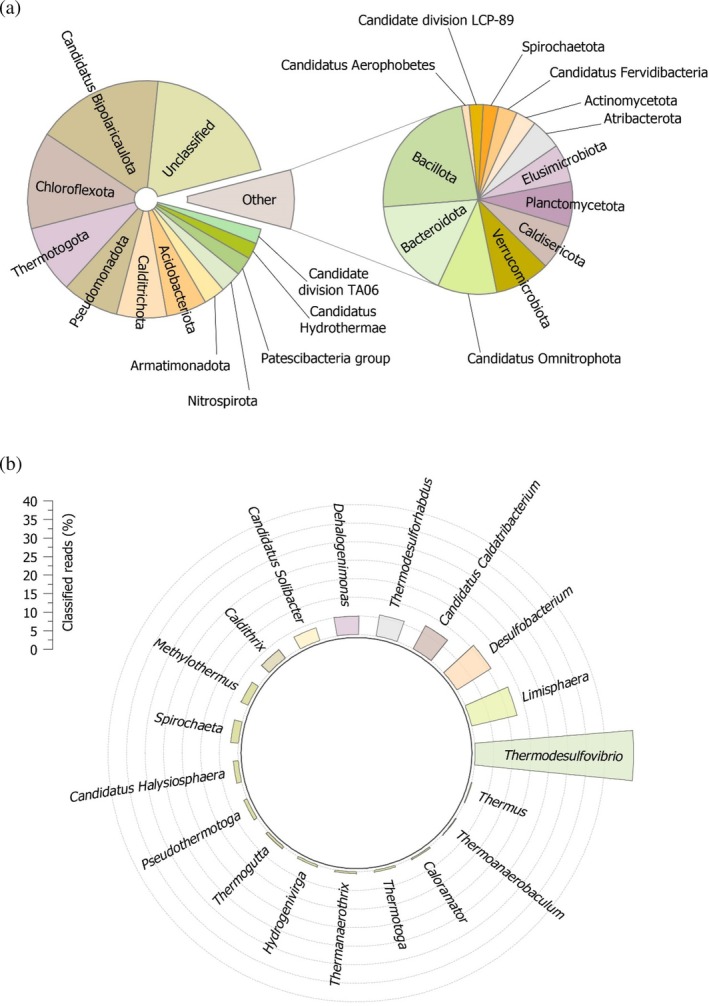 Figure 9
Peer Reviews
No public reviews on file for this paper yet. If you reviewed it on a platform where reviews are public (OpenReview, ICLR, NeurIPS, ICML), you can paste yours below so the community can read it here.
Videos
No videos yet. Explain this paper in a talk, walkthrough, or lecture? Add one.
Taxonomy
TopicsEnzyme function and inhibition · Polyamine Metabolism and Applications · Aldose Reductase and Taurine