Beta-cyclodextrin inclusion complexes of citral and linalool inhibit Escherichia coli on cooked chicken: Focus on their synergistic antibacterial effects
Wanying Zhu, Yuhe Dong, Tong Wu, Haohan Jing, Zikai Li, Xi Yu, Ying Xiao, Tian Zhong

TL;DR
This study shows that combining citral and linalool in beta-cyclodextrin complexes improves their ability to kill E. coli on cooked chicken, enhancing food safety and shelf life.
Contribution
This is the first study to investigate the synergistic antibacterial effects of citral and linalool against E. coli using beta-cyclodextrin inclusion complexes.
Findings
The combination of citral and linalool damages bacterial cell membranes and inhibits biofilm formation.
Beta-cyclodextrin complexes of citral and linalool reduced total viable counts in cooked chicken to 3.31 Log CFU/g after 3 days.
The complexes also reduced TVB-N accumulation and prevented pH increase, improving food quality.
Abstract
Citral and linalool are two well-studied antibacterial essential oil compounds. However, their synergistic antibacterial effects have not been fully elucidated. This study explored their synergistic mechanism against Escherichia coli and the potential of their β-cyclodextrin (β-CD) inclusion complexes in food preservation. The combination of citral and linalool demonstrated enhanced efficiency in damaging bacterial cell membranes, inducing protein leakage, causing structural collapse, and inhibiting biofilm formation, reducing extracellular polymeric substance (EPS), and impairing bacterial motility compared to the individual use of either compound. Furthermore, the β-CD inclusion complexes of these two compounds exhibited synergistic effects in cooked chicken by inhibiting total viable counts (TVC) to 3.31 Log CFU/g after 3 days of storage, which is lower than the single-use groups…
Genes, proteins, chemicals, diseases, species, mutations and cell lines named across the full text — each resolved to its canonical identifier and authoritative record.
Click any figure to enlarge with its caption.
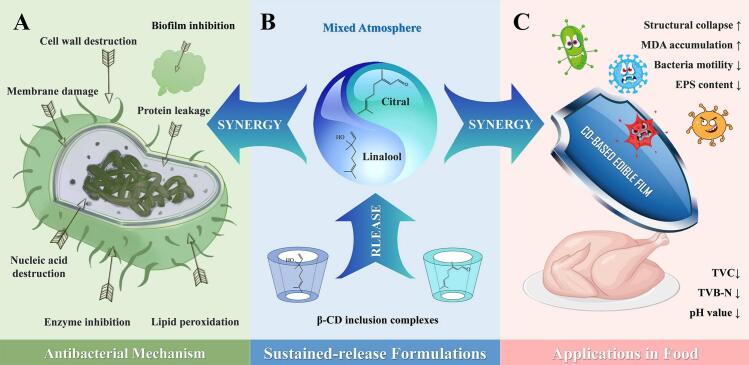 Figure 1
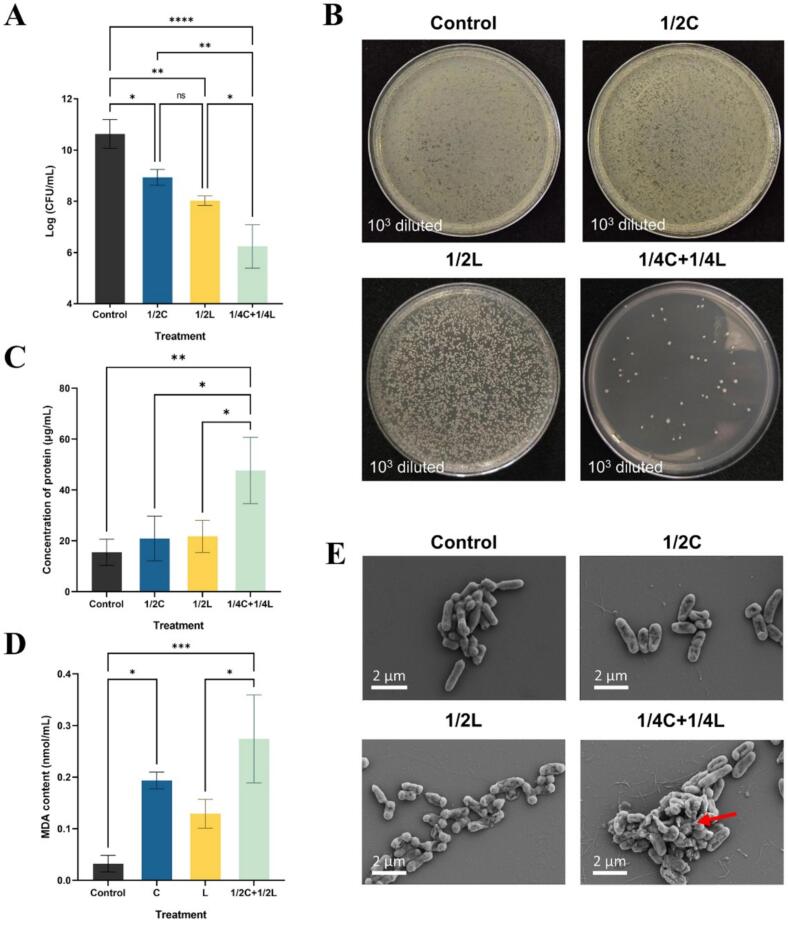 Figure 2
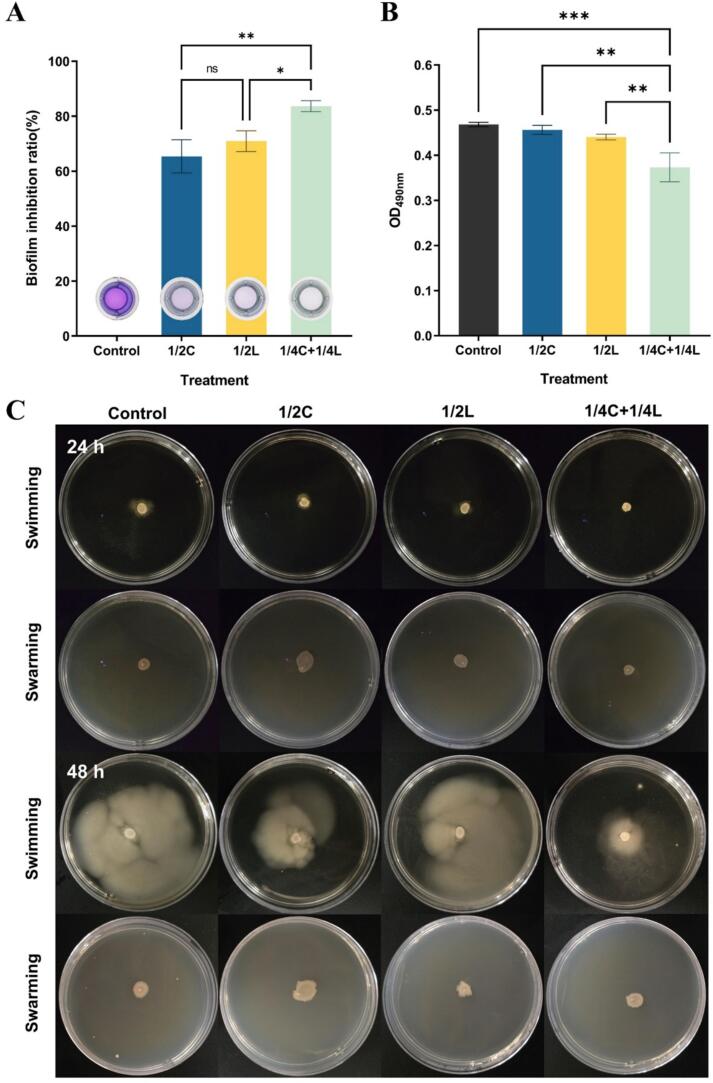 Figure 3
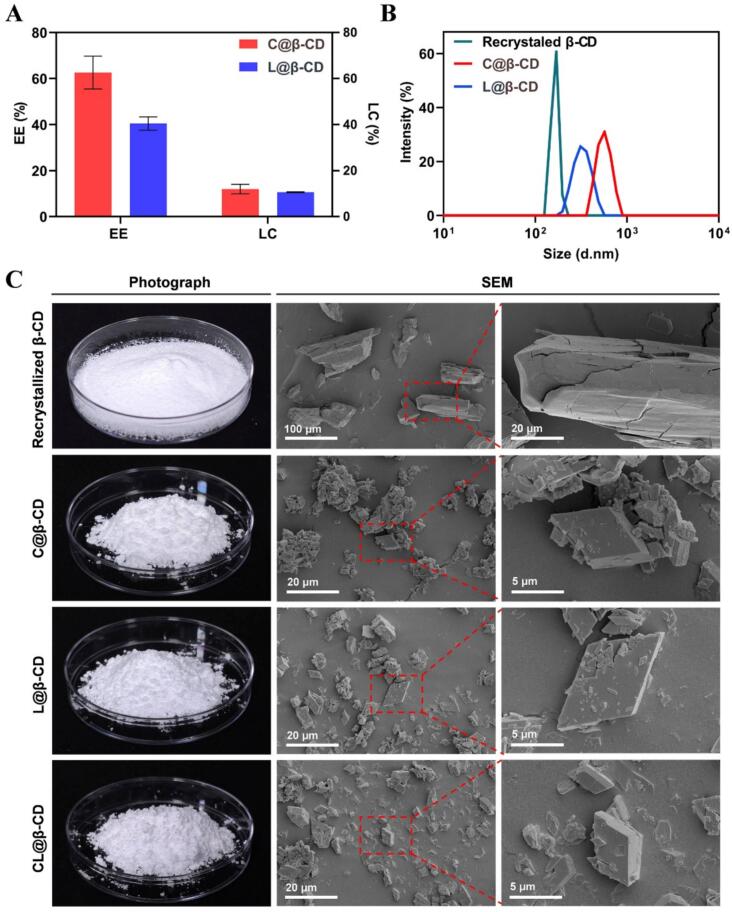 Figure 4
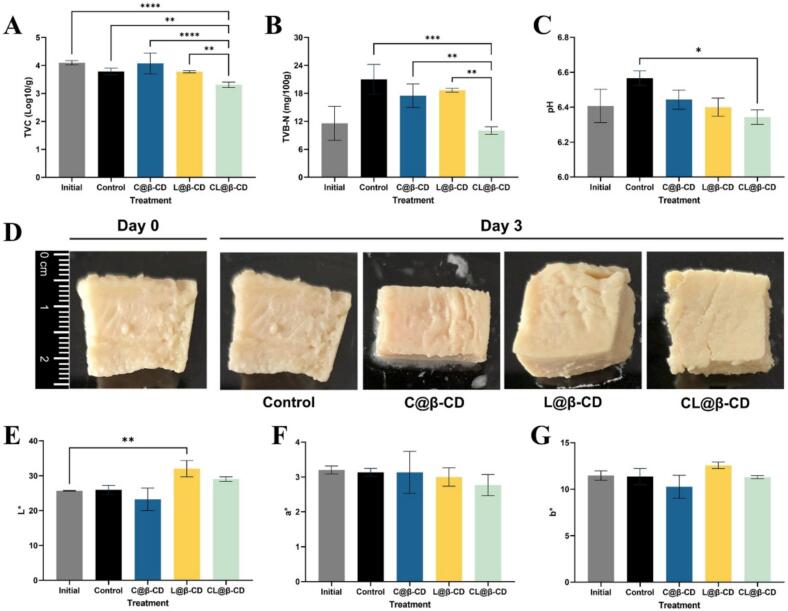 Figure 5
Peer Reviews
No public reviews on file for this paper yet. If you reviewed it on a platform where reviews are public (OpenReview, ICLR, NeurIPS, ICML), you can paste yours below so the community can read it here.
Videos
No videos yet. Explain this paper in a talk, walkthrough, or lecture? Add one.
Taxonomy
TopicsEssential Oils and Antimicrobial Activity · Probiotics and Fermented Foods · Microencapsulation and Drying Processes