Rare case of “bullet” thrombus in the inferior vena cava
Jiri Molacek, Jan Baxa, Karel Houdek, Jan Wirth

TL;DR
This paper reports a rare case of a calcified thrombus in the inferior vena cava of an adult woman and discusses the diagnostic and treatment challenges it posed.
Contribution
The novelty lies in describing a rare adult case of bullet thrombus and highlighting the lack of established treatment guidelines for this condition.
Findings
A 44-year-old female was diagnosed with a bullet thrombus in the inferior vena cava.
The condition was managed through surgical intervention due to diagnostic and therapeutic challenges.
The rarity of the condition means there are no established clinical guidelines for treatment.
Abstract
A bullet thrombus, characterized as an isolated calcified thrombus predominantly localized at the confluence of the renal veins in the inferior vena cava, is a rare clinical finding more commonly seen in pediatric patients than adults. The aetiology of bullet thrombi remains unclear. This report describes a 44-year-old female diagnosed with a bullet thrombus in the inferior vena cava, detailing the challenges encountered and the surgical intervention. The presence of a calcified thrombus in this region is typically an incidental discovery and complicates therapeutic decision-making, as there are currently no established guidelines due to the condition’s rarity.
Genes, proteins, chemicals, diseases, species, mutations and cell lines named across the full text — each resolved to its canonical identifier and authoritative record.
Click any figure to enlarge with its caption.
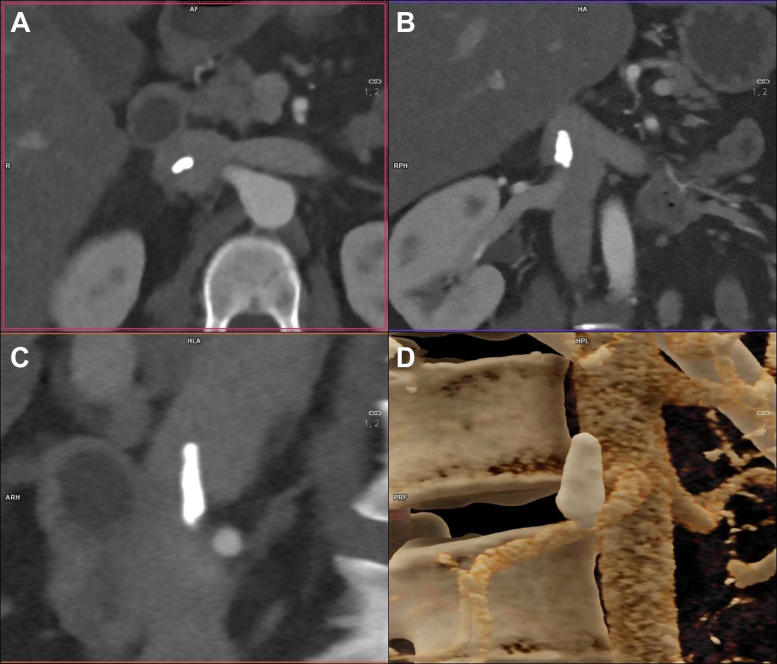 Figure 1
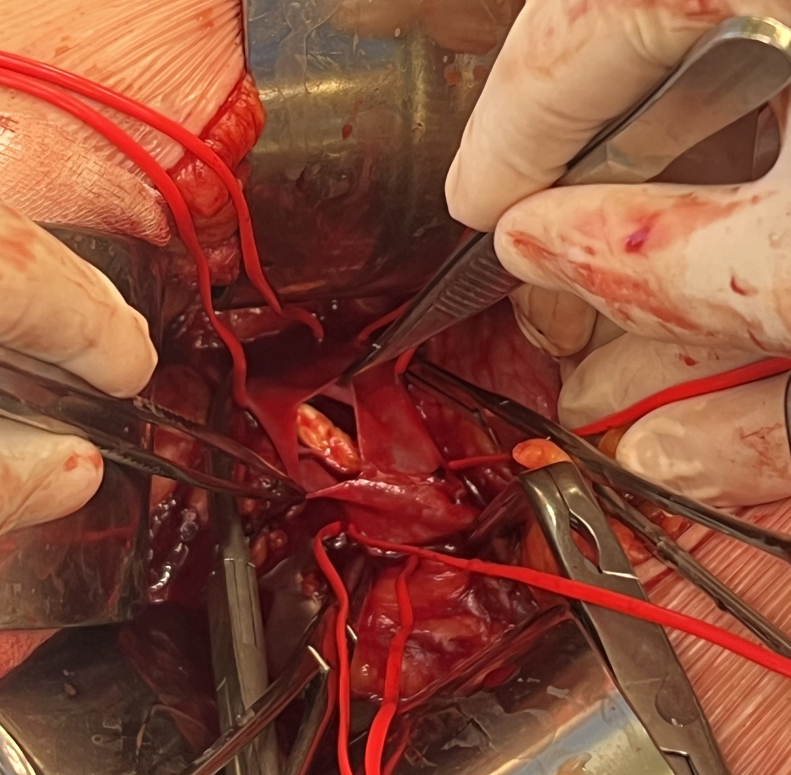 Figure 2
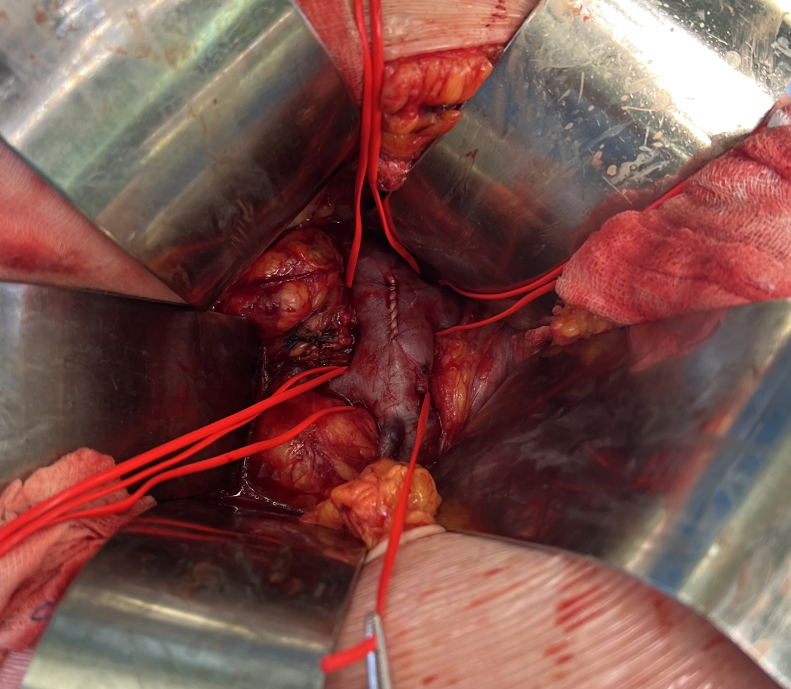 Figure 3
Peer Reviews
No public reviews on file for this paper yet. If you reviewed it on a platform where reviews are public (OpenReview, ICLR, NeurIPS, ICML), you can paste yours below so the community can read it here.
Videos
No videos yet. Explain this paper in a talk, walkthrough, or lecture? Add one.
Taxonomy
TopicsVenous Thromboembolism Diagnosis and Management · Case Reports on Hematomas · Ultrasound in Clinical Applications