Electrocatalytic and Magnetic Properties of Porous Iron Phosphide Nanorods
Shubham Sharma, Sharad Puri, Resham Shrestha, David N. McIlroy, Julius de Rojas, Ali Kaan Kalkan, Yolanda Vasquez

TL;DR
Researchers developed a new, low-temperature method to make pure iron phosphide nanorods with useful magnetic and electrocatalytic properties.
Contribution
A low-temperature, solution-based method to synthesize phase-pure FeP nanoparticles using cost-effective precursors.
Findings
The synthesized FeP nanorods show paramagnetic behavior, unlike bulk FeP which is antiferromagnetic.
The nanorods achieved an overpotential of 267 mV for hydrogen evolution in acidic media.
The electrocatalytic activity remained stable for 12 hours at high current density.
Abstract
Nanoscale transition metal phosphide systems hold significant technological potential due to their distinctive optoelectronic properties, high catalytic activity, superparamagnetism, and high diffusion coefficient of Na/Li ions. However, attempts to synthesize phase-pure FeP, a promising electrocatalyst, have utilized expensive and/or highly reactive phosphide precursors such as tri-n-octylphosphine (TOP), white phosphorus (P4), tris(trimethylsilyl)phosphine (P(TMS)3), and tri-n-butylphosphine. These methods often require high temperatures and/or multistep reaction processes. Here, to address these limitations, we present a solution-based synthesis method to produce phase-pure FeP nanoparticles. In this synthesis, we react iron oxyhydroxide (β-FeOOH) as a cost-effective, environmentally friendly, and air-stable source of iron with tris-diethylaminophosphine P(NEt2)3 as a phosphorus…
Genes, proteins, chemicals, diseases, species, mutations and cell lines named across the full text — each resolved to its canonical identifier and authoritative record.
Click any figure to enlarge with its caption.
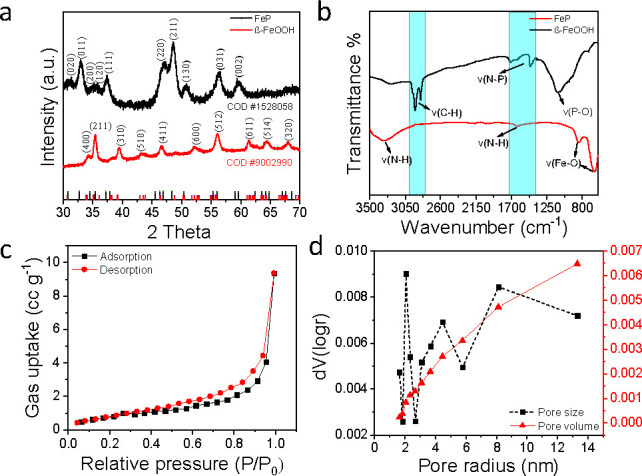 Figure 1
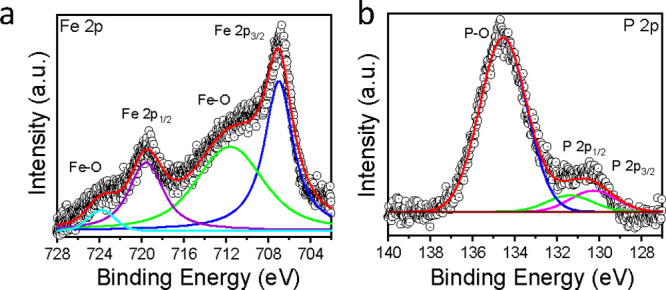 Figure 2
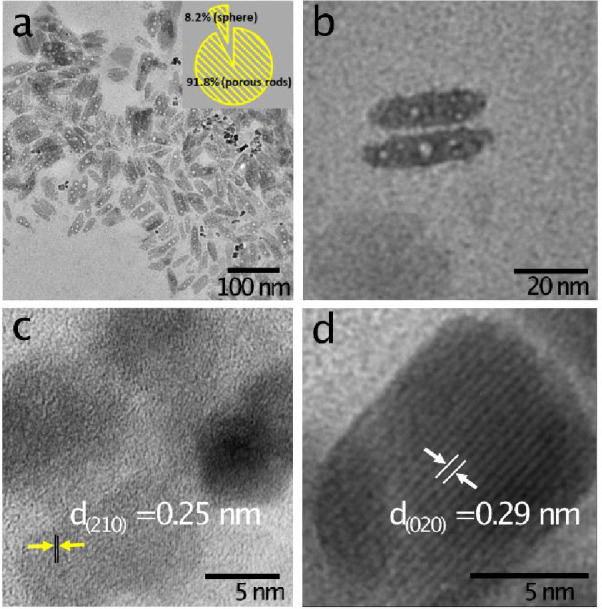 Figure 3
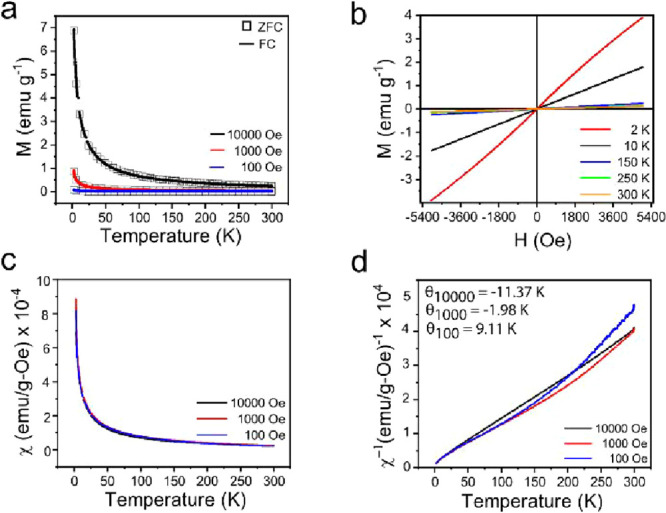 Figure 4
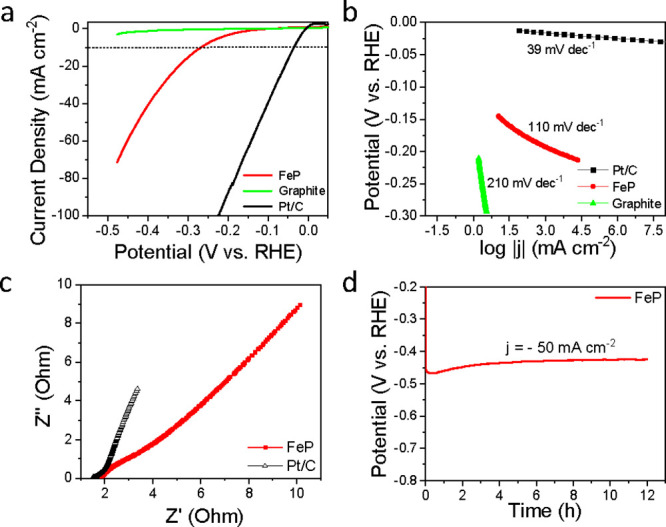 Figure 5
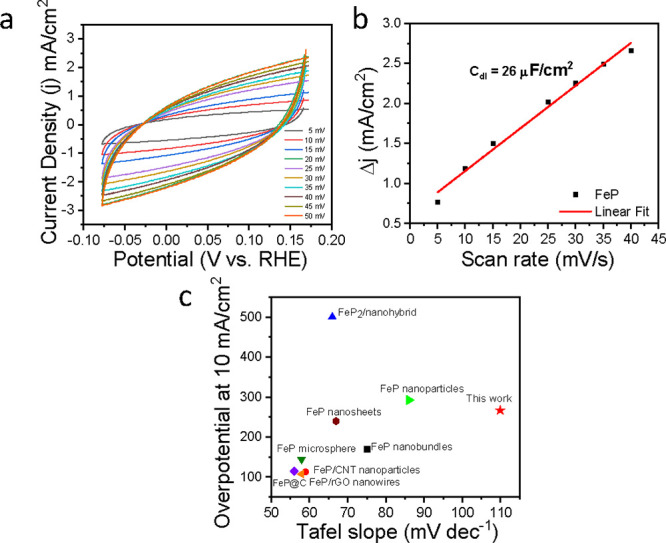 Figure 6
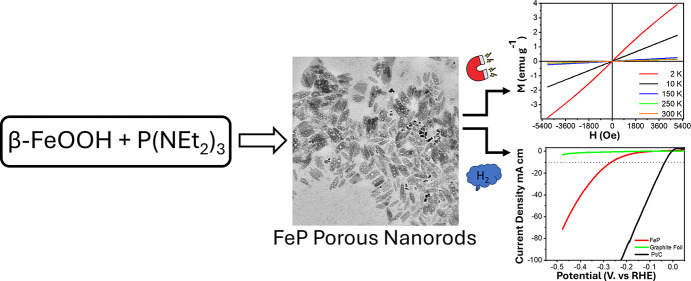 Figure 7
 Figure 8
Peer Reviews
No public reviews on file for this paper yet. If you reviewed it on a platform where reviews are public (OpenReview, ICLR, NeurIPS, ICML), you can paste yours below so the community can read it here.
Videos
No videos yet. Explain this paper in a talk, walkthrough, or lecture? Add one.
Taxonomy
TopicsCatalysis for Biomass Conversion · Catalysis and Hydrodesulfurization Studies · Electrocatalysts for Energy Conversion