Understanding the Role of Transition Metal Oxides as Hole-Selective Contacts for Enhanced Efficiency in Selenium Solar Cells
Oriol Segura-Blanch, Arnau Torrens, Ivan Caño Prades, Alex Jimenez-Arguijo, Laura Garcia-Carreras, Lorenzo Calvo-Barrio, José Miguel Asensi, Joaquim Puigdollers, Marcel Placidi, Edgardo Saucedo

TL;DR
This paper explores how transition metal oxides improve the efficiency of selenium solar cells, especially under indoor lighting.
Contribution
The study introduces optimized inorganic transition metal oxides as hole-selective contacts in selenium solar cells.
Findings
Optimized TMO layers improve fill factor and power conversion efficiencies in selenium solar cells.
A 20 nm MoOx HTL achieves a 5.5% outdoor power conversion efficiency.
A 10 nm V2Ox HTL enables over 10% indoor efficiency across various light conditions.
Abstract
Selenium solar cells (SeSCs) are gaining renewed interest as wide band gap photovoltaic absorbers suitable for indoor energy harvesting and tandem applications. While significant progress has been made through extensive optimization of electron transport layers (ETLs), the role of hole transport layers (HTLs) has been comparatively less explored. In this work, we investigate the integration of inorganic transition metal oxides (TMOs), namely molybdenum oxide (MoO x ), tungsten oxide (WO x ), and vanadium oxide (V2O x ), as hole-selective contacts in SeSCs. We systematically optimize the TMO thicknesses and assess their effect on device performance under both standard AM1.5G and indoor illumination conditions. Our results demonstrate that incorporating optimized TMO layers substantially improves the fill factor (FF) and parasitic resistances of the device, leading to enhanced power…
Genes, proteins, chemicals, diseases, species, mutations and cell lines named across the full text — each resolved to its canonical identifier and authoritative record.
Click any figure to enlarge with its caption.
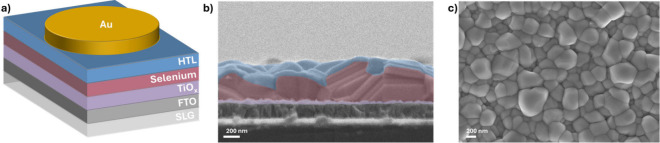 Figure 1
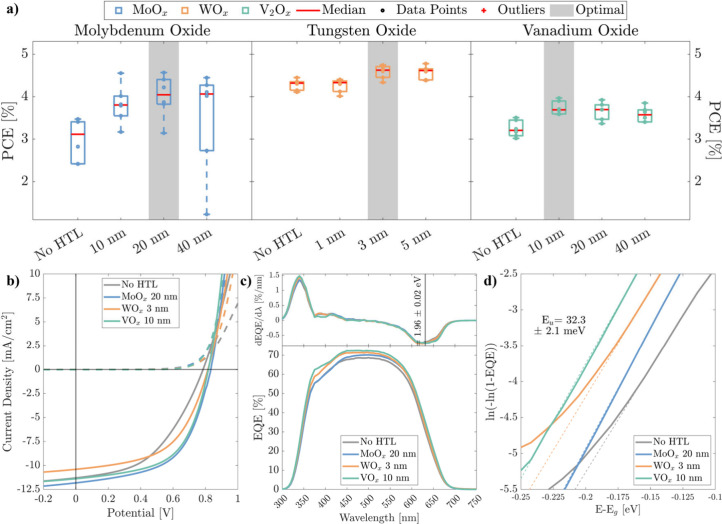 Figure 2
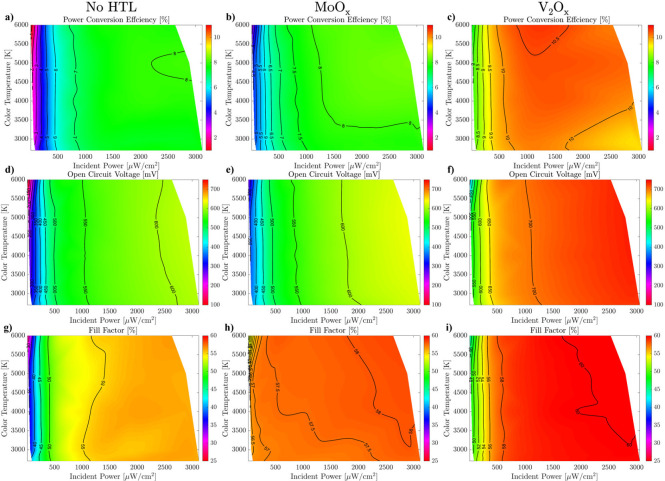 Figure 3
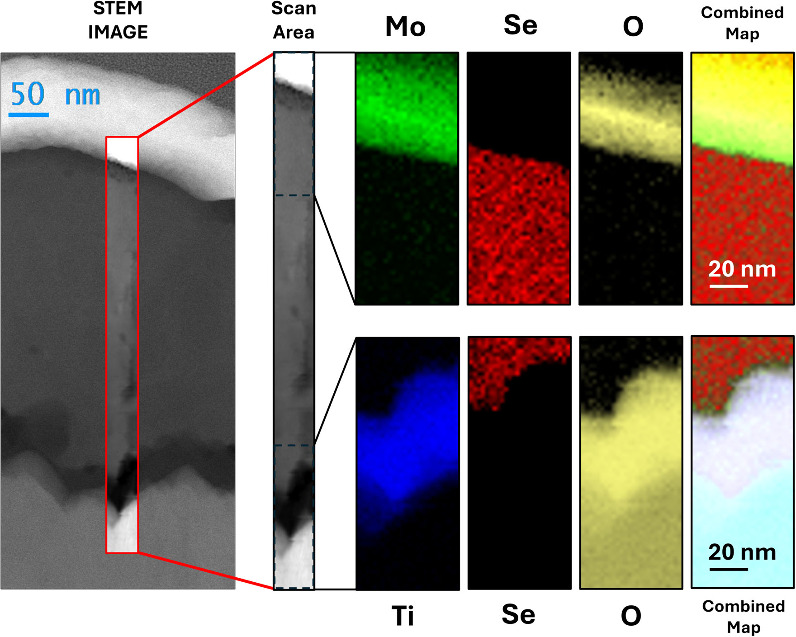 Figure 4
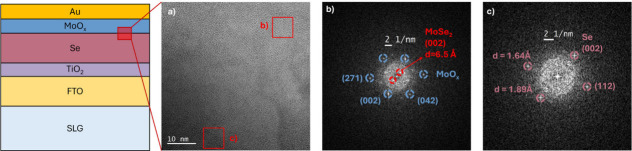 Figure 5
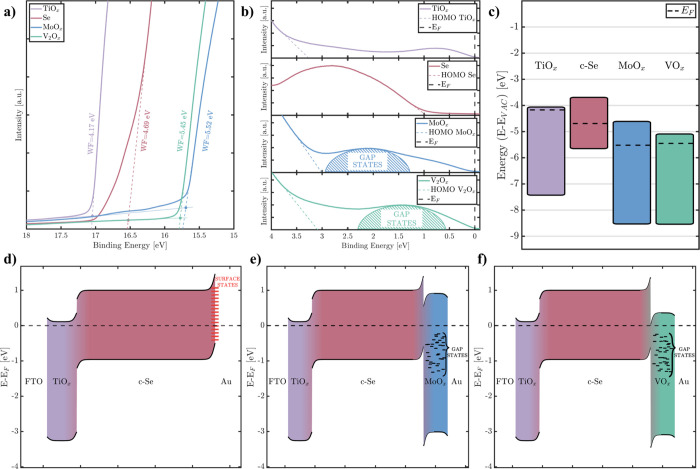 Figure 6
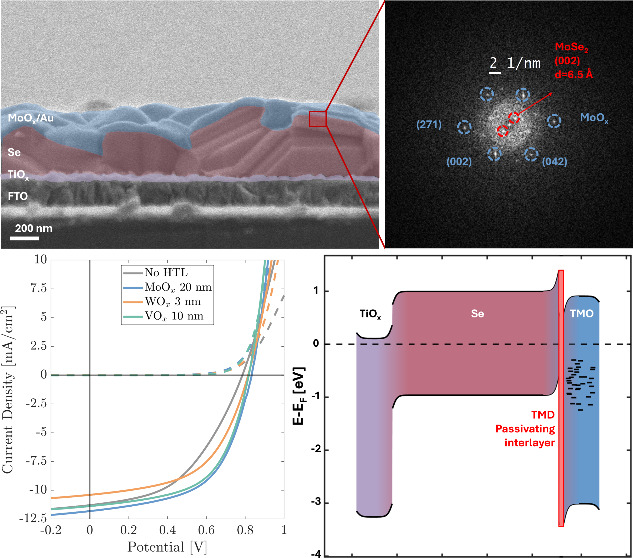 Figure 7
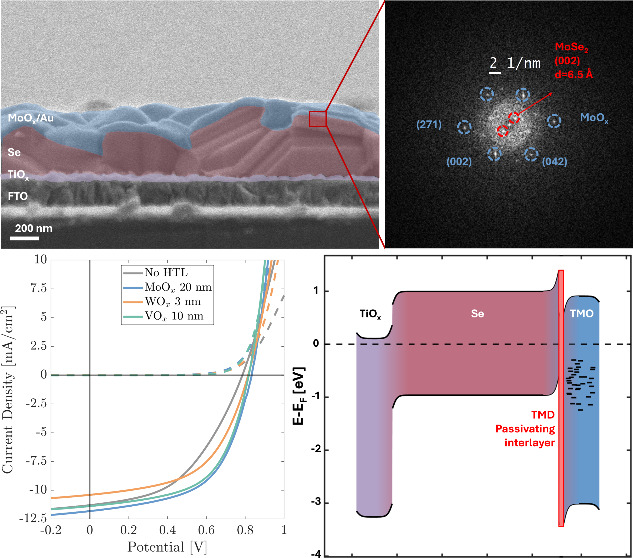 Figure 8
Peer Reviews
No public reviews on file for this paper yet. If you reviewed it on a platform where reviews are public (OpenReview, ICLR, NeurIPS, ICML), you can paste yours below so the community can read it here.
Videos
No videos yet. Explain this paper in a talk, walkthrough, or lecture? Add one.
Taxonomy
TopicsChalcogenide Semiconductor Thin Films · solar cell performance optimization · Silicon and Solar Cell Technologies