Steric Restraints in Redox‐Active Guanidine Ligands and Their Impact on Coordination Chemistry
Eliane Engels, Hanna Koepcke, Marko Lörsch, Patrick David Römgens, Anna Katharina Helm, Simone Leingang, Elisabeth Kaifer, Hans‐Jörg Himmel

TL;DR
Researchers synthesized new benzene ligands with guanidino groups and found that slight structural changes affect their ability to coordinate with metals.
Contribution
The first synthesis of cyclic diguanidino-benzene ligands and the discovery of structural parameters affecting coordination ability.
Findings
An ethylene bridge prevents coordination while maintaining basicity, similar to Huenig's base.
A propylene bridge restores coordination ability without losing nucleophilic properties.
Macrocyclic tetraguanidines were formed and analyzed for structural restraints.
Abstract
The introduction of redox‐active ligands into coordination compounds is attractive for a number of applications; intramolecular electron transfer between a redox‐active ligand and a metal is the basis for applications in switchable devices and advanced redox catalysis for multielectron substrate activations. A fine‐tuning of the properties of redox‐active ligands focusses on the redox potential and frontier orbital energies, as well as the steric demand and coordination mode. In this work, we report the first synthesis of new o‐diguanidino‐benzene ligands in which the two guanidino groups are connected through an alkyl chain of different length. The introduction of an ethylene bridge between the two guanidino groups turns a strongly coordinating ligand into a noncoordinating molecule, while keeping its strong Brønsted basicity. These features qualify the ethylene‐bridged compound as a…
Genes, proteins, chemicals, diseases, species, mutations and cell lines named across the full text — each resolved to its canonical identifier and authoritative record.
Click any figure to enlarge with its caption.
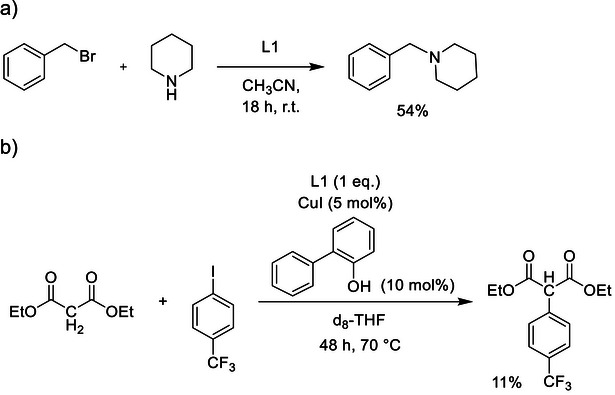 Figure 1
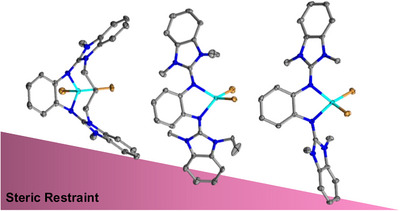 Figure 2
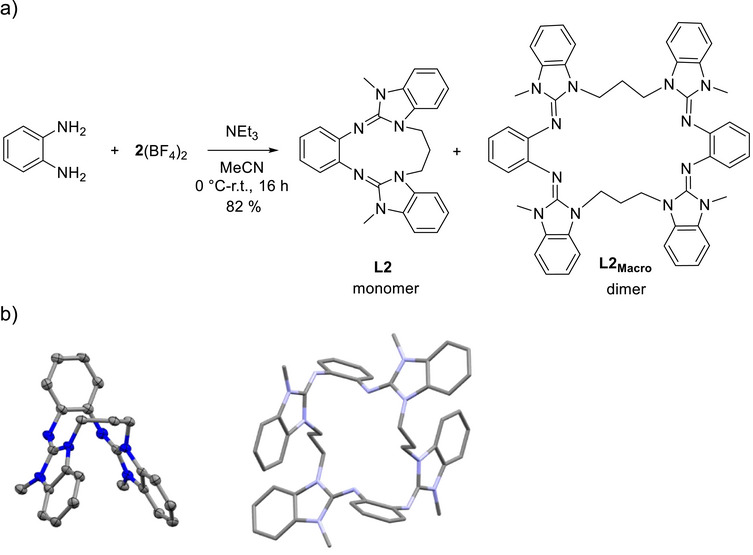 Figure 3
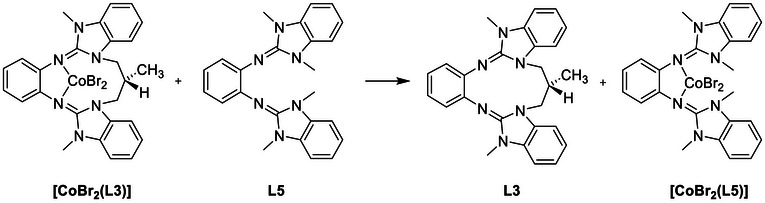 Figure 4
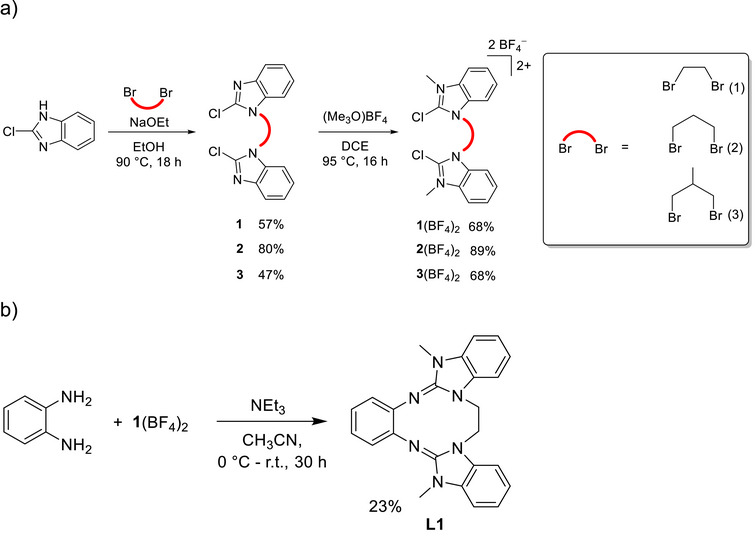 Figure 5
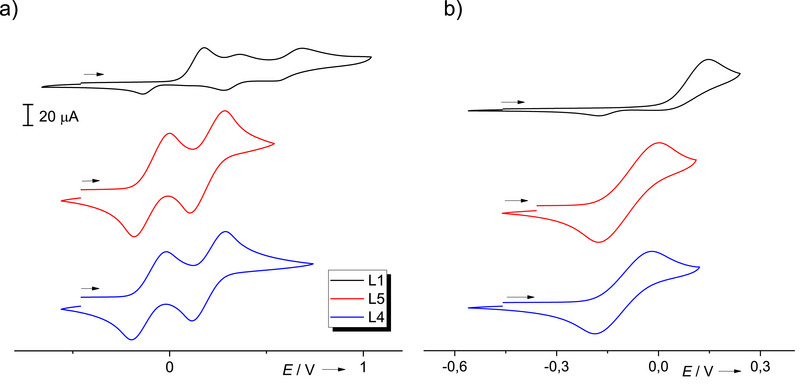 Figure 6
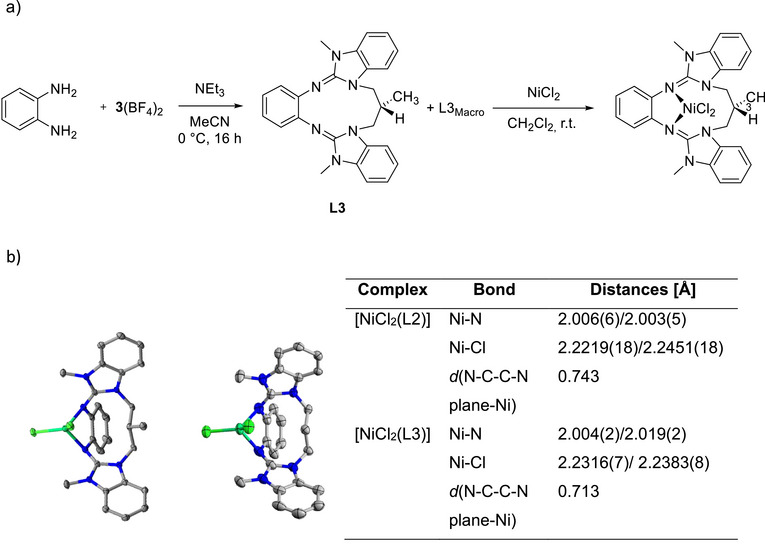 Figure 7
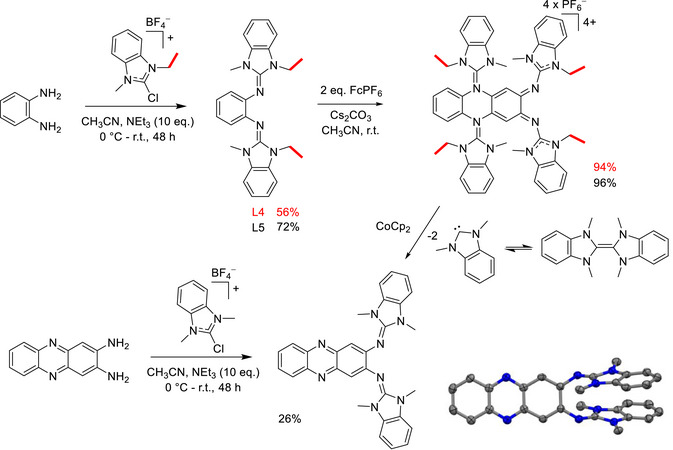 Figure 8
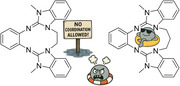 Figure 9
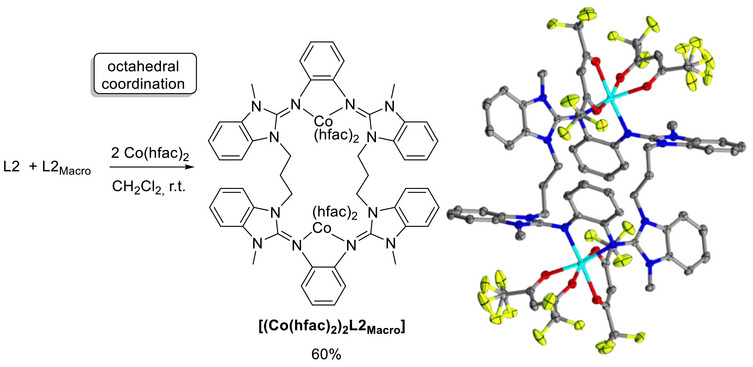 Figure 10
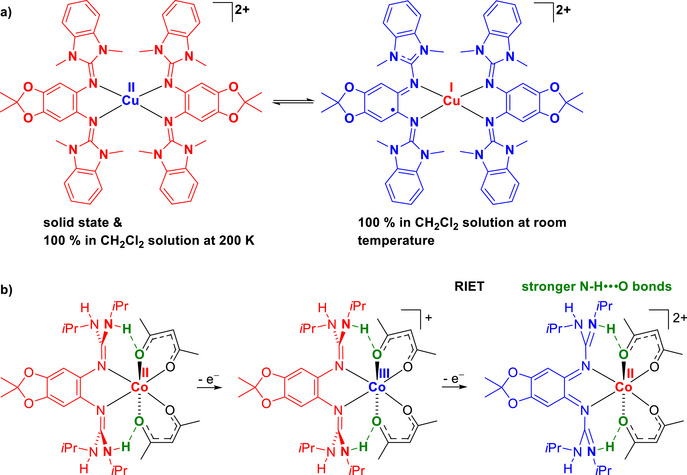 Figure 11
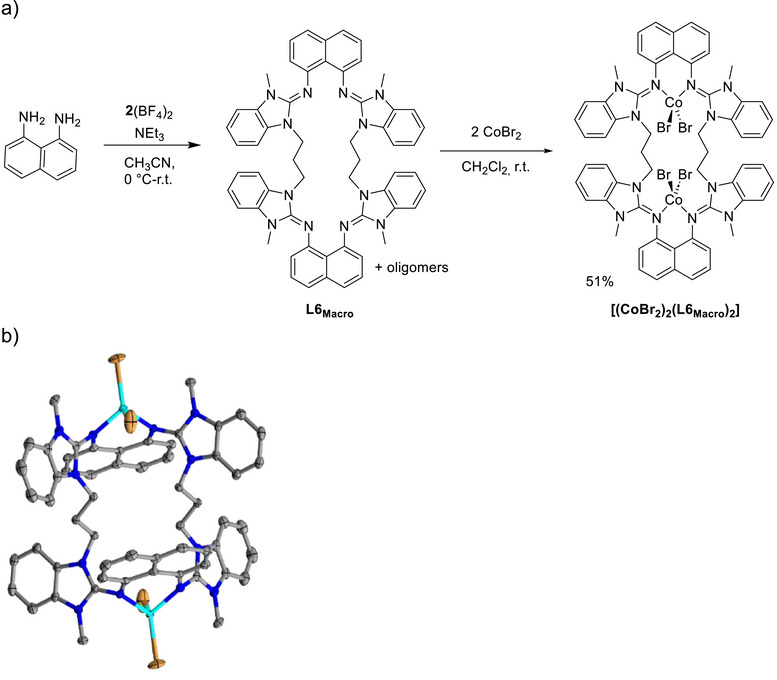 Figure 12
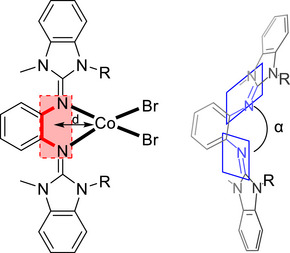 Figure 13
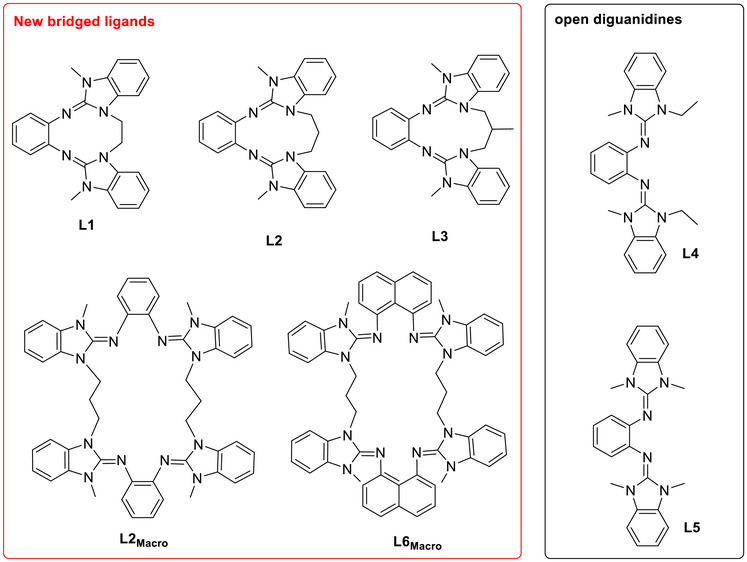 Figure 14
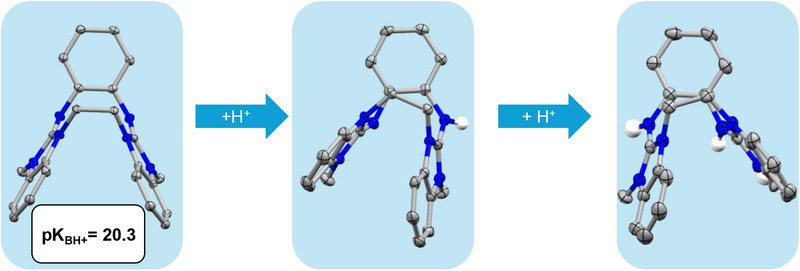 Figure 15
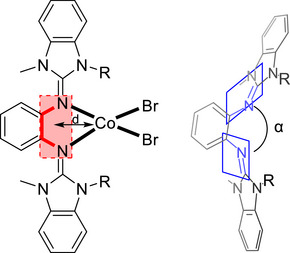 Figure 16
Peer Reviews
No public reviews on file for this paper yet. If you reviewed it on a platform where reviews are public (OpenReview, ICLR, NeurIPS, ICML), you can paste yours below so the community can read it here.
Videos
No videos yet. Explain this paper in a talk, walkthrough, or lecture? Add one.
Taxonomy
TopicsMetal-Organic Frameworks: Synthesis and Applications · Metal complexes synthesis and properties · N-Heterocyclic Carbenes in Organic and Inorganic Chemistry