Modifications of NU-9, a potent protein aggregation inhibitor. Properties and activity in a cellular model of amyotrophic lateral sclerosis
Mohamed F. Elmansy, Pedro Soares, Jose Ricardo D. dos Remedios, Raghad Nowar, Susan G. Fox, Anan Yu, William L. Klein, Richard I. Morimoto, Richard B. Silverman

TL;DR
This paper explores modifications of a compound called NU-9 to improve its ability to prevent protein aggregation in a model of amyotrophic lateral sclerosis (ALS).
Contribution
The study introduces a new series of NU-9 derivatives with improved in vitro properties and potential for better in vivo performance.
Findings
Compound 20 showed anti-aggregation potency comparable to NU-9 in a PC12 cellular model of ALS.
Compound 20 exhibited better blood-brain barrier permeability and microsomal stability than NU-9.
Compound 20 had a more favorable toxicity profile, suggesting higher in vivo efficacy potential.
Abstract
Amyotrophic lateral sclerosis (ALS) is a fast-progressing disease characterized by the loss of voluntary movements and death due to respiratory failure. The presence of protein aggregates is a major hallmark of the disease. Hence, targeting the pathological protein aggregation may provide more efficient therapeutics for ALS. Recently, we reported a cyclohexane-1,3-dione (NU-9) with in vitro anti-aggregation capacity and promising in vivo efficacy in ALS animal models, which validated our approach toward the development of novel and potentially more effective ALS therapeutics. Herein, we report the design and synthesis of a new series of small-molecule derivatives of NU-9 and the evaluation of their in vitro anti-aggregation activity in a PC12 cellular model containing an SOD1G85R familial ALS mutation. The most promising compound (20) presented an in vitro anti-aggregation potency…
Genes, proteins, chemicals, diseases, species, mutations and cell lines named across the full text — each resolved to its canonical identifier and authoritative record.
Click any figure to enlarge with its caption.
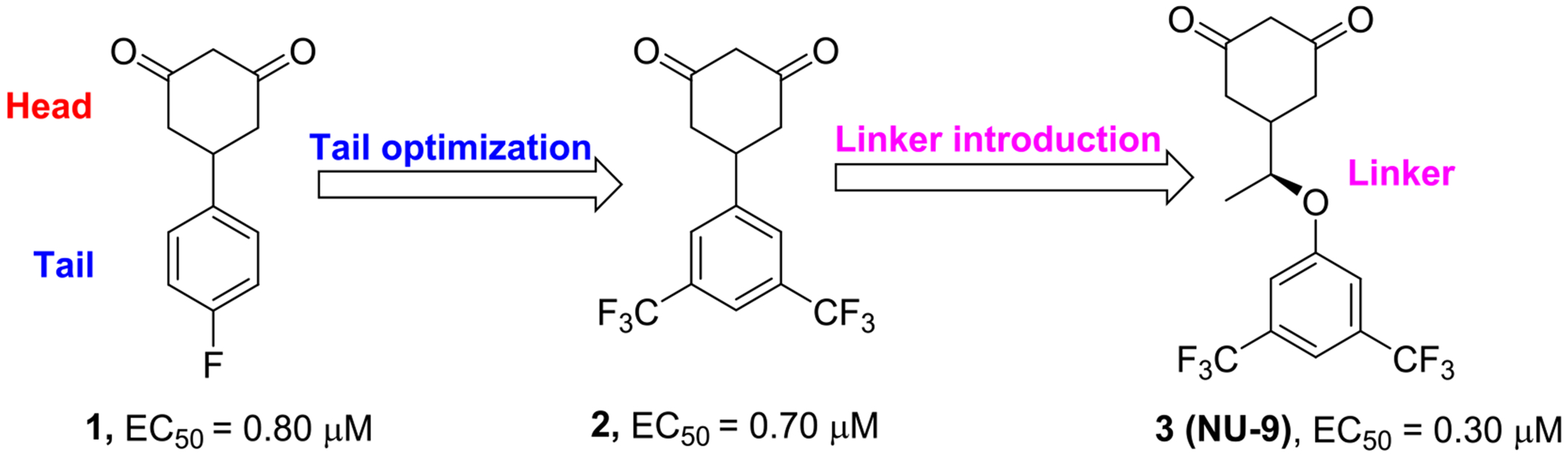 Figure 1
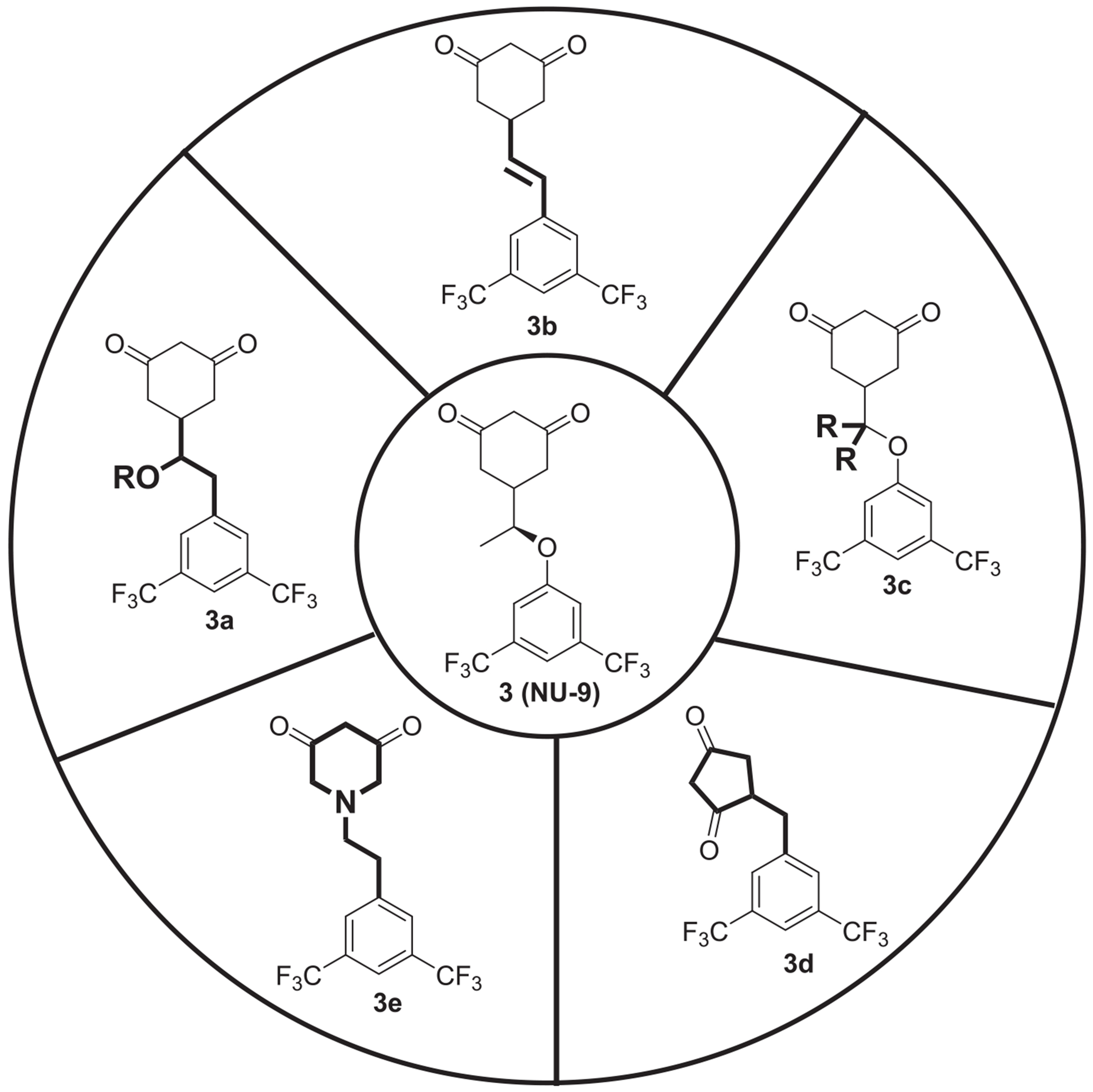 Figure 2
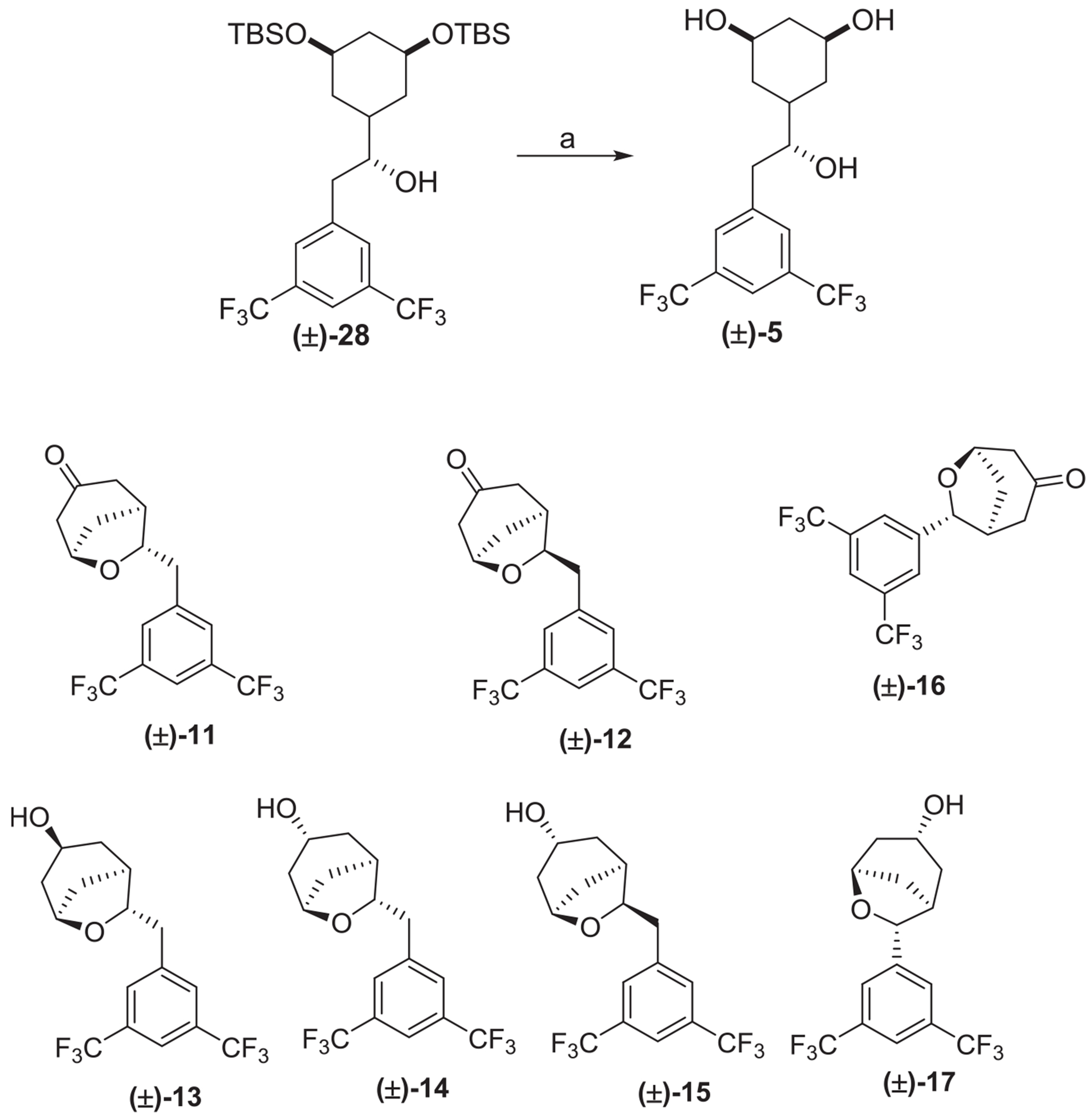 Figure 3
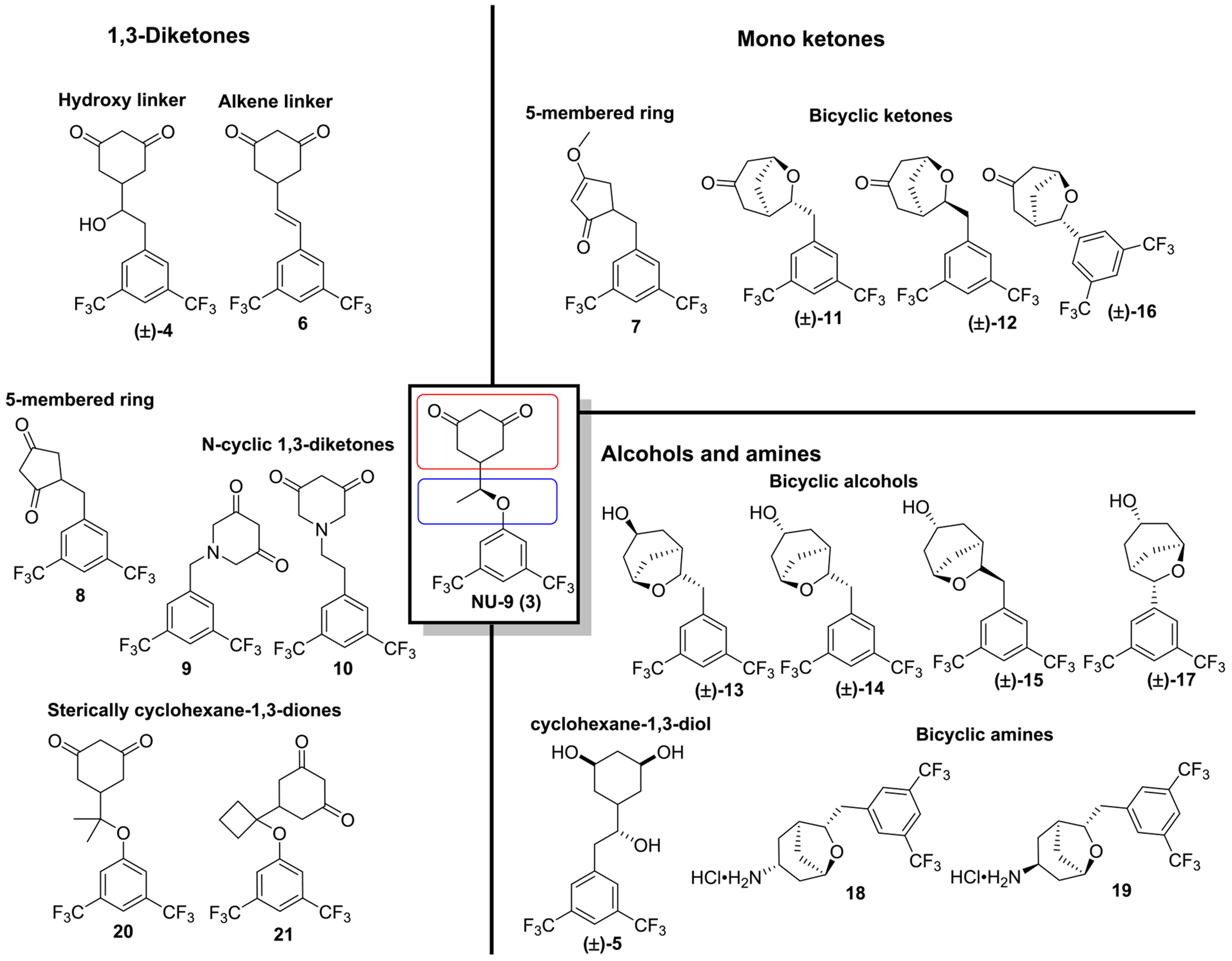 Figure 4
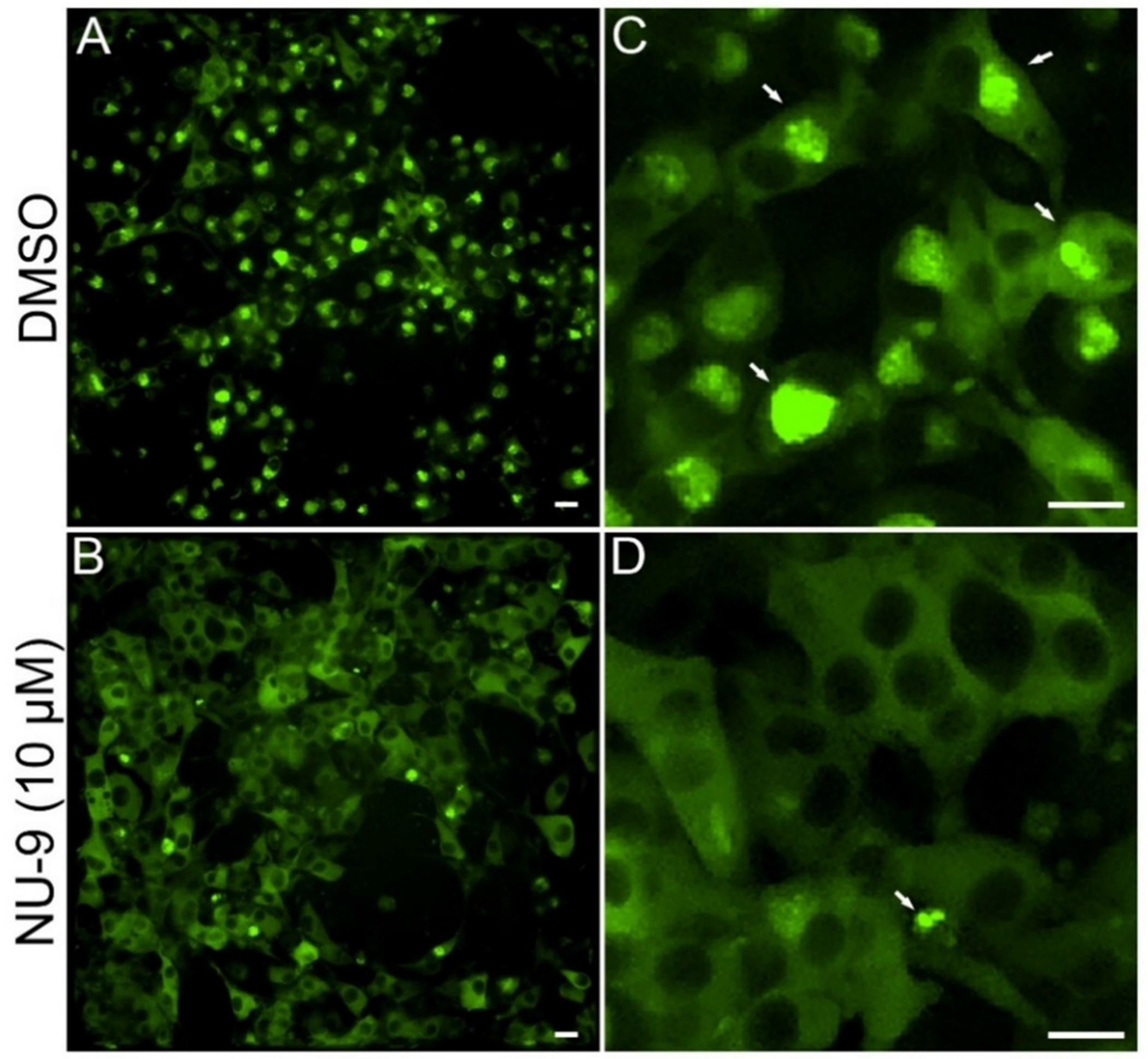 Figure 5
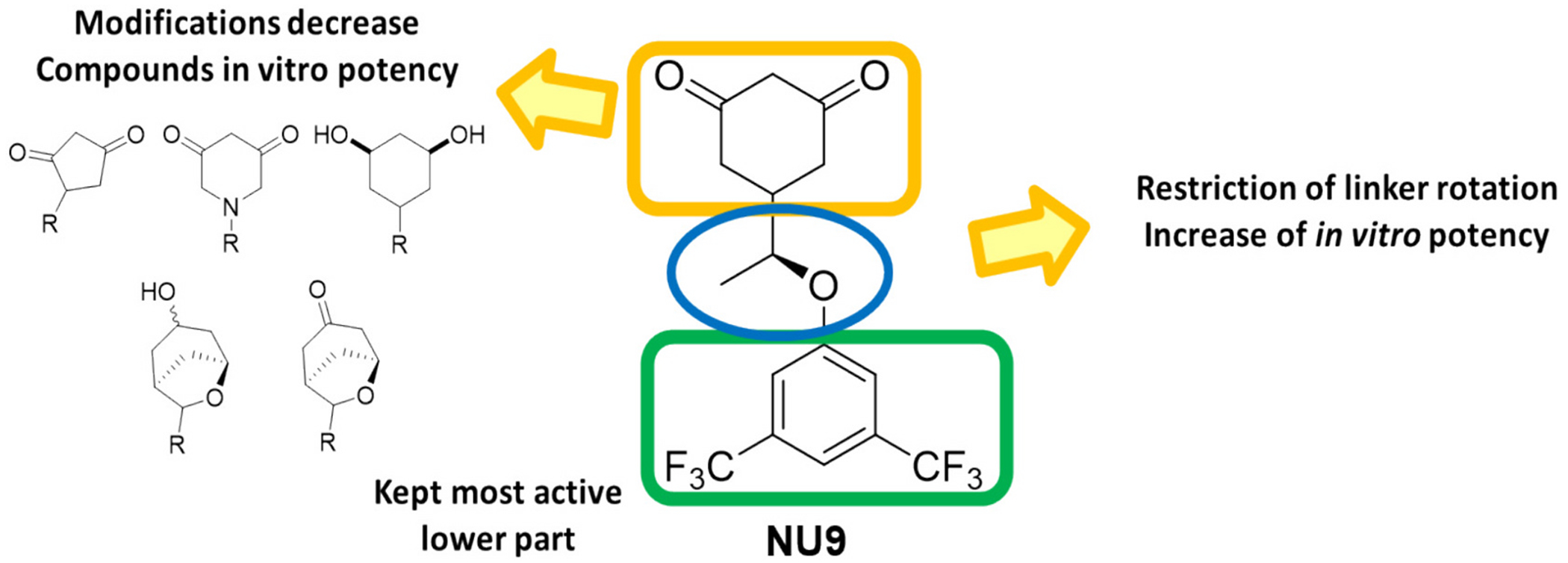 Figure 6
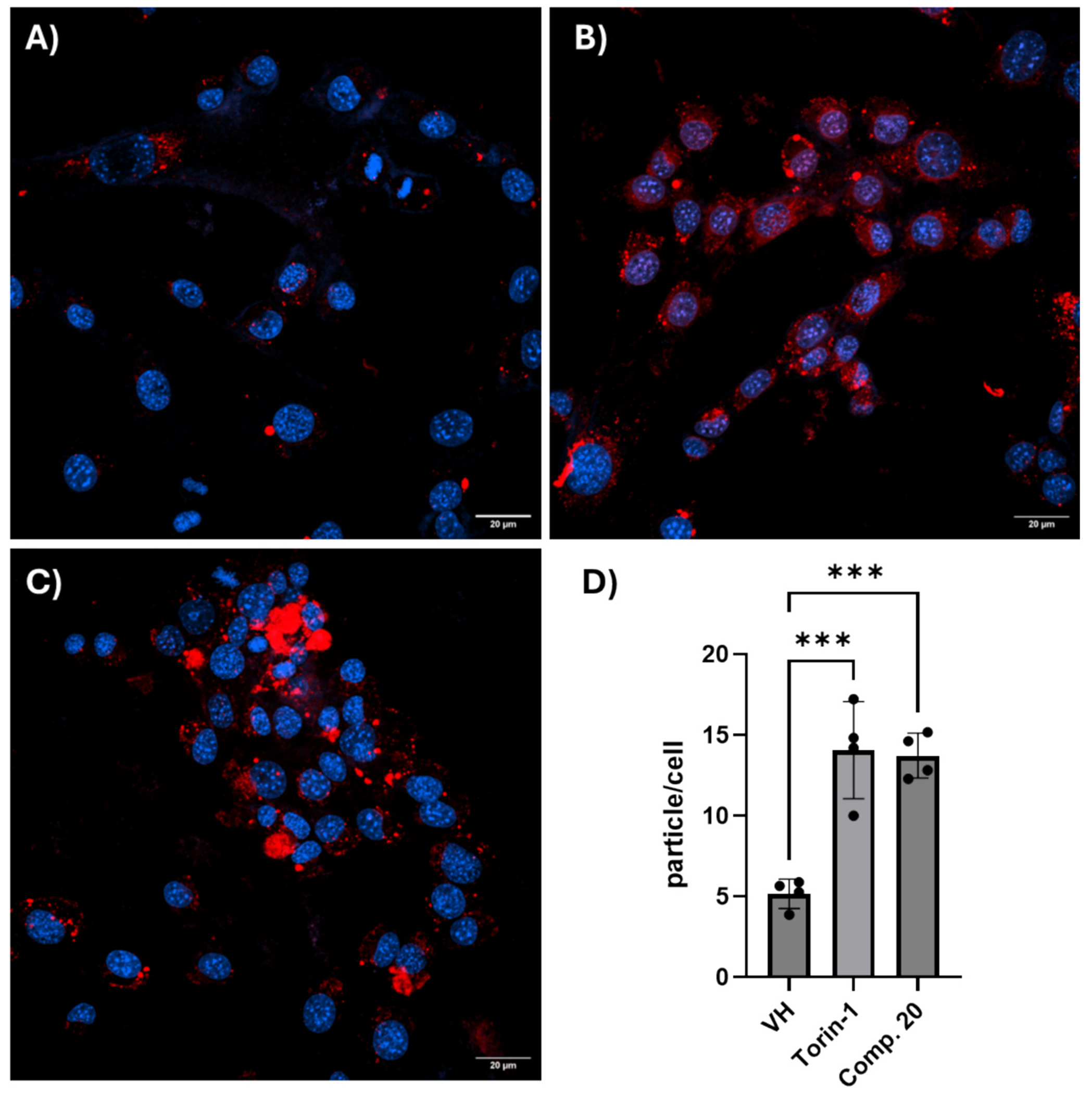 Figure 7
 Figure 8
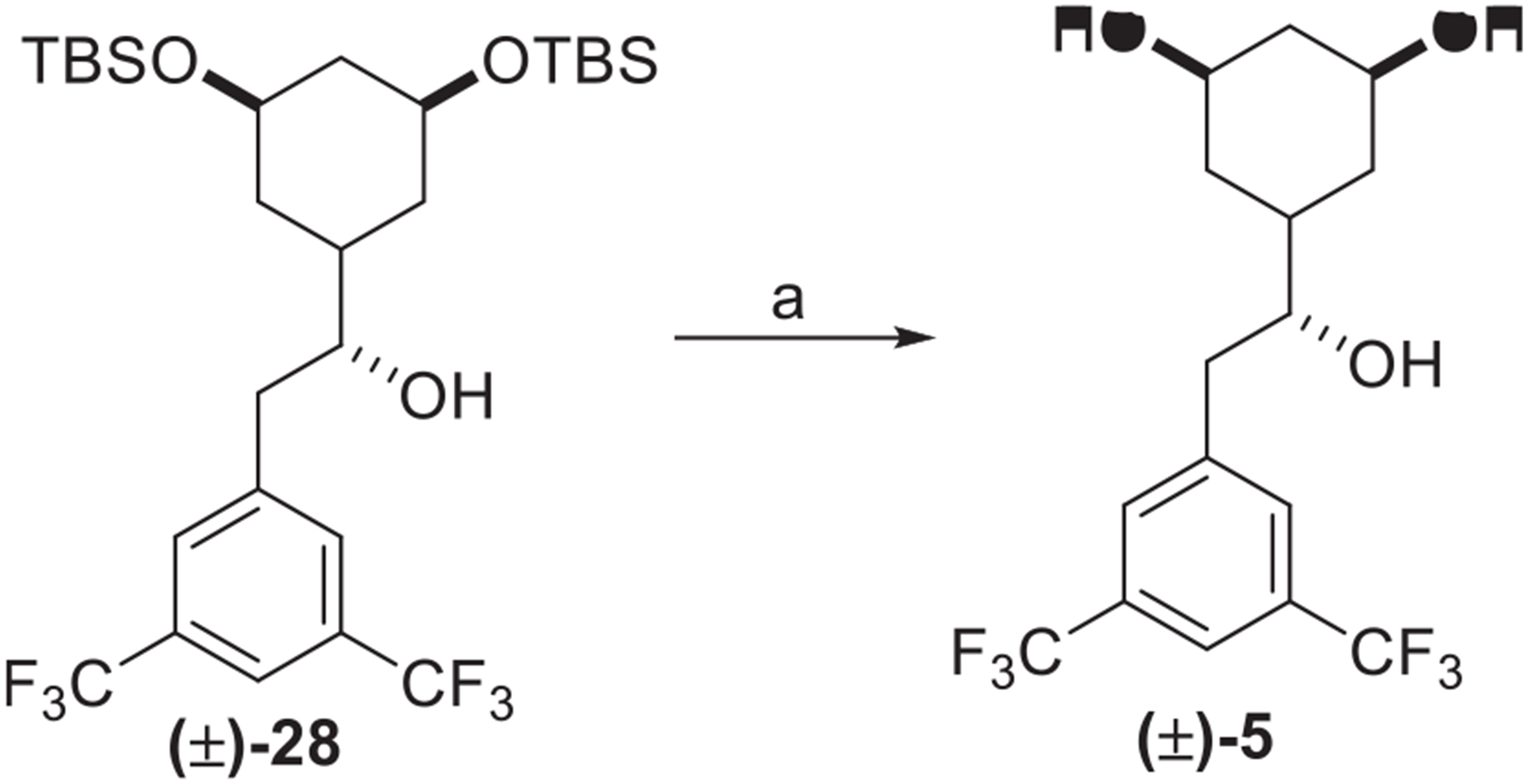 Figure 9
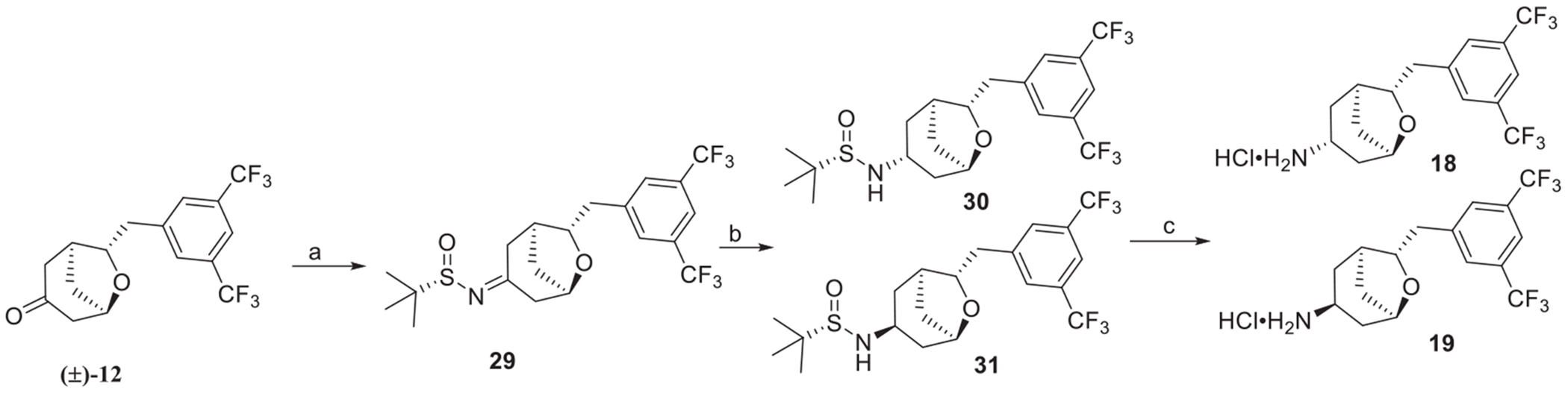 Figure 10
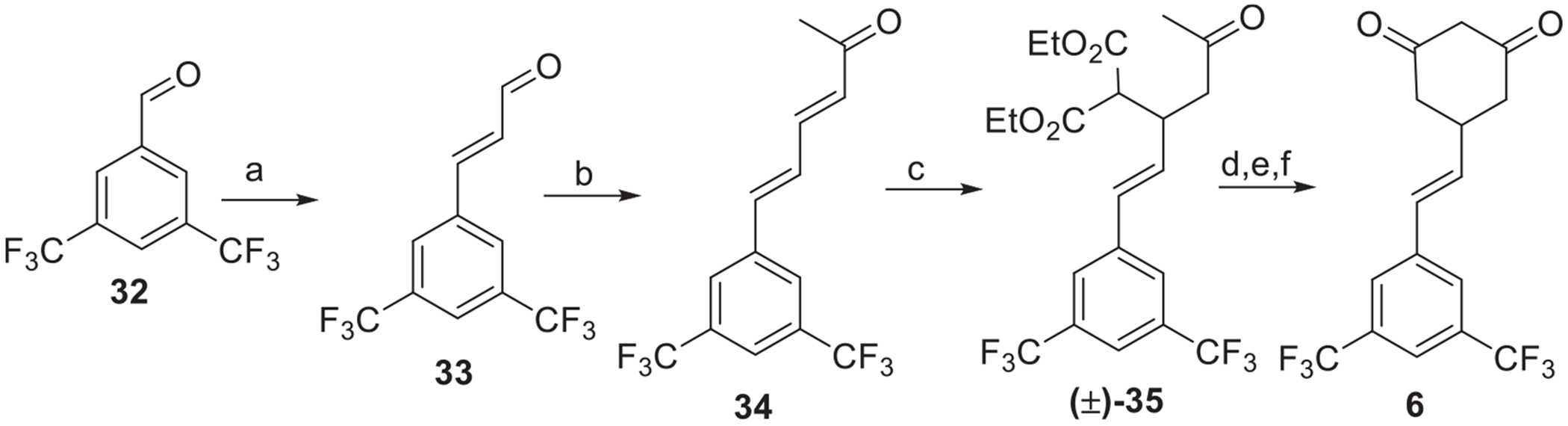 Figure 11
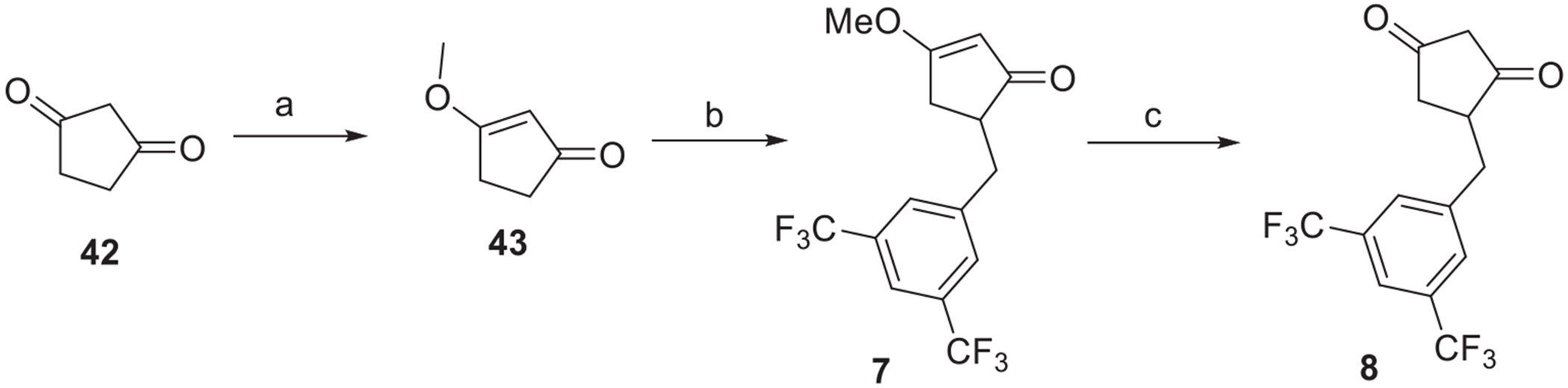 Figure 12
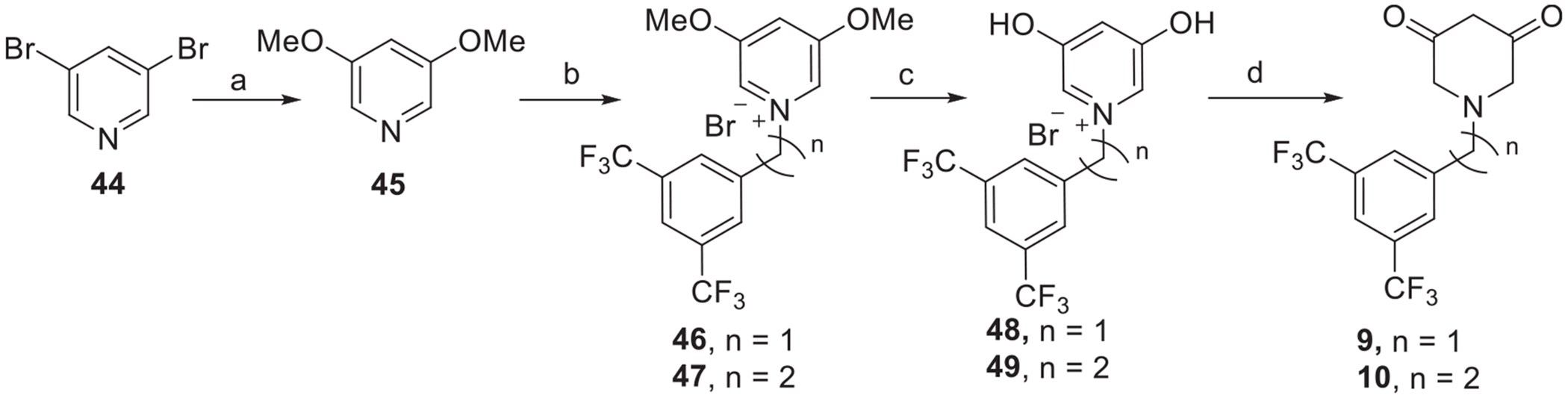 Figure 13
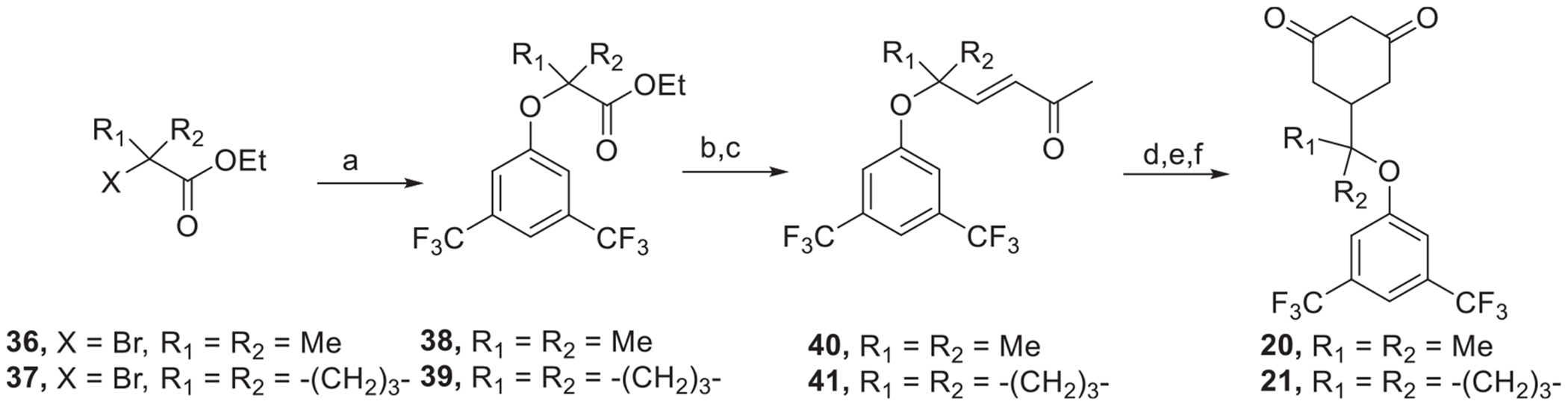 Figure 14
Peer Reviews
No public reviews on file for this paper yet. If you reviewed it on a platform where reviews are public (OpenReview, ICLR, NeurIPS, ICML), you can paste yours below so the community can read it here.
Videos
No videos yet. Explain this paper in a talk, walkthrough, or lecture? Add one.
Taxonomy
TopicsAmyotrophic Lateral Sclerosis Research · Genetic Neurodegenerative Diseases · Neurogenetic and Muscular Disorders Research