Distance of bipolar re-referencing imparts nonlinear frequency-specific influences on intracranial recording signal measurements
David J Caldwell, Devon Krish, Edward F Chang, Jonathan K Kleen

TL;DR
This study shows that the distance between electrodes in bipolar re-referencing affects signal power in specific frequency ranges, with an 8 mm threshold influencing low and high frequencies differently.
Contribution
The paper identifies a consistent 8 mm distance threshold for frequency-specific signal changes in bipolar re-referencing across various electrode types and brain regions.
Findings
An 8 mm distance threshold reverses the effect of bipolar re-referencing on low (<30 Hz) and high (>30 Hz) frequency signal power.
Larger electrode distances increased broadband signal power (2–200 Hz) consistently across brain regions.
Task-related high-frequency (50–200 Hz) activity in the superior temporal gyrus was enhanced across 4–40 mm distances.
Abstract
Obective. Bipolar re-referencing (BPRR), in which one electrode’s signal is subtracted from a neighboring electrode to produce a differential signal, can improve signal readability and refine localization for intracranial electroencephalography. There is wide variation in manufactured electrode array spacing, yet how BPRR affects specific frequencies at precise inter-electrode distances has not been systematically evaluated. Approach. Intracranial recordings with uniquely large numbers of electrodes were obtained for sixteen patients with drug-resistant epilepsy. We evaluated combinations of high-density subdural grid, depth, and strip electrodes (n = 3,664, 742, and 336) with manufactured linear inter-electrode distances of 4, 5, and 10 mm, respectively. BPRR was performed using all possible electrode pairs (n = 445 305 grid, 16 004 depth, 3278 strip) spanning distances from 2–60 mm.…
Genes, proteins, chemicals, diseases, species, mutations and cell lines named across the full text — each resolved to its canonical identifier and authoritative record.
Click any figure to enlarge with its caption.
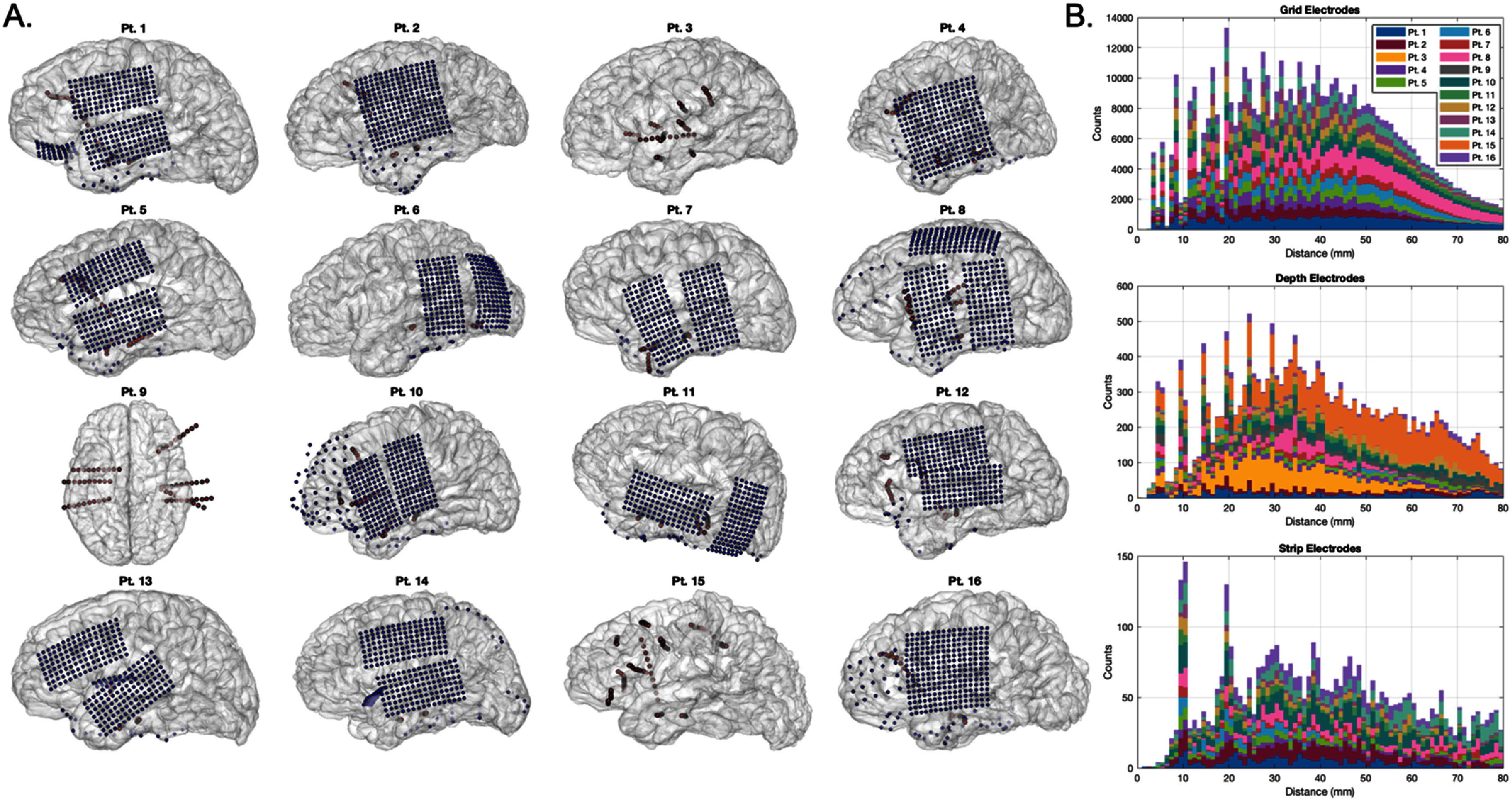 Figure 1
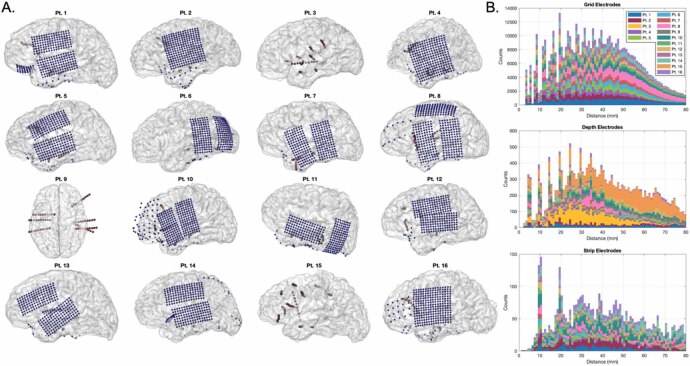 Figure 2
 Figure 3
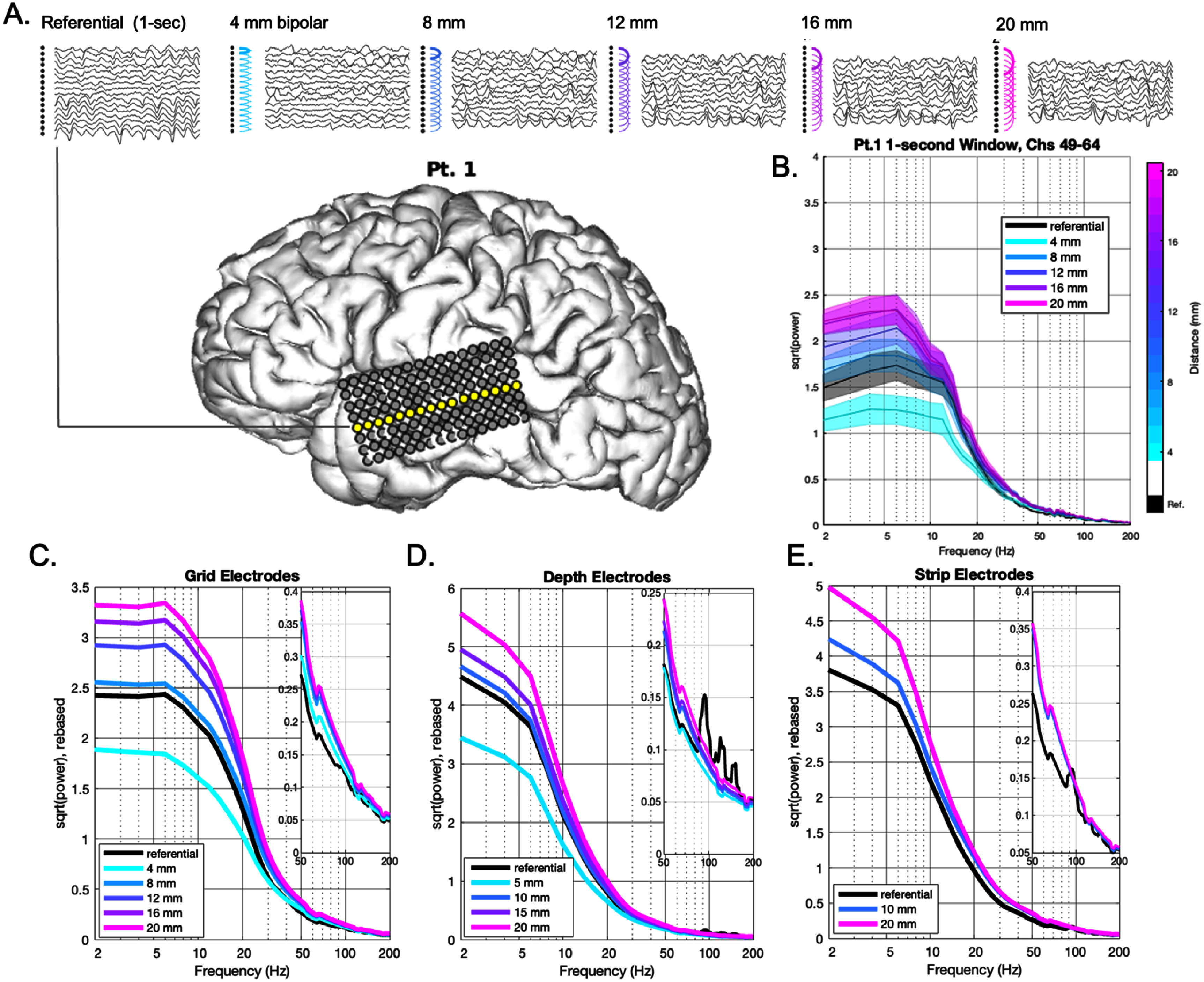 Figure 4
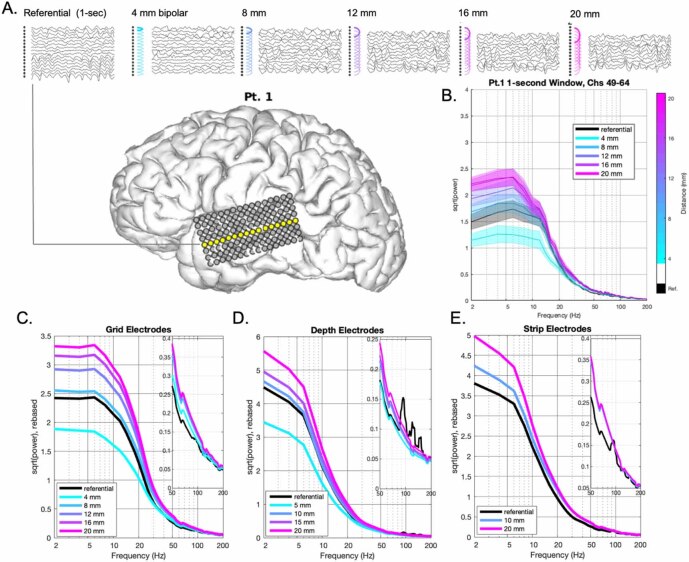 Figure 5
 Figure 6
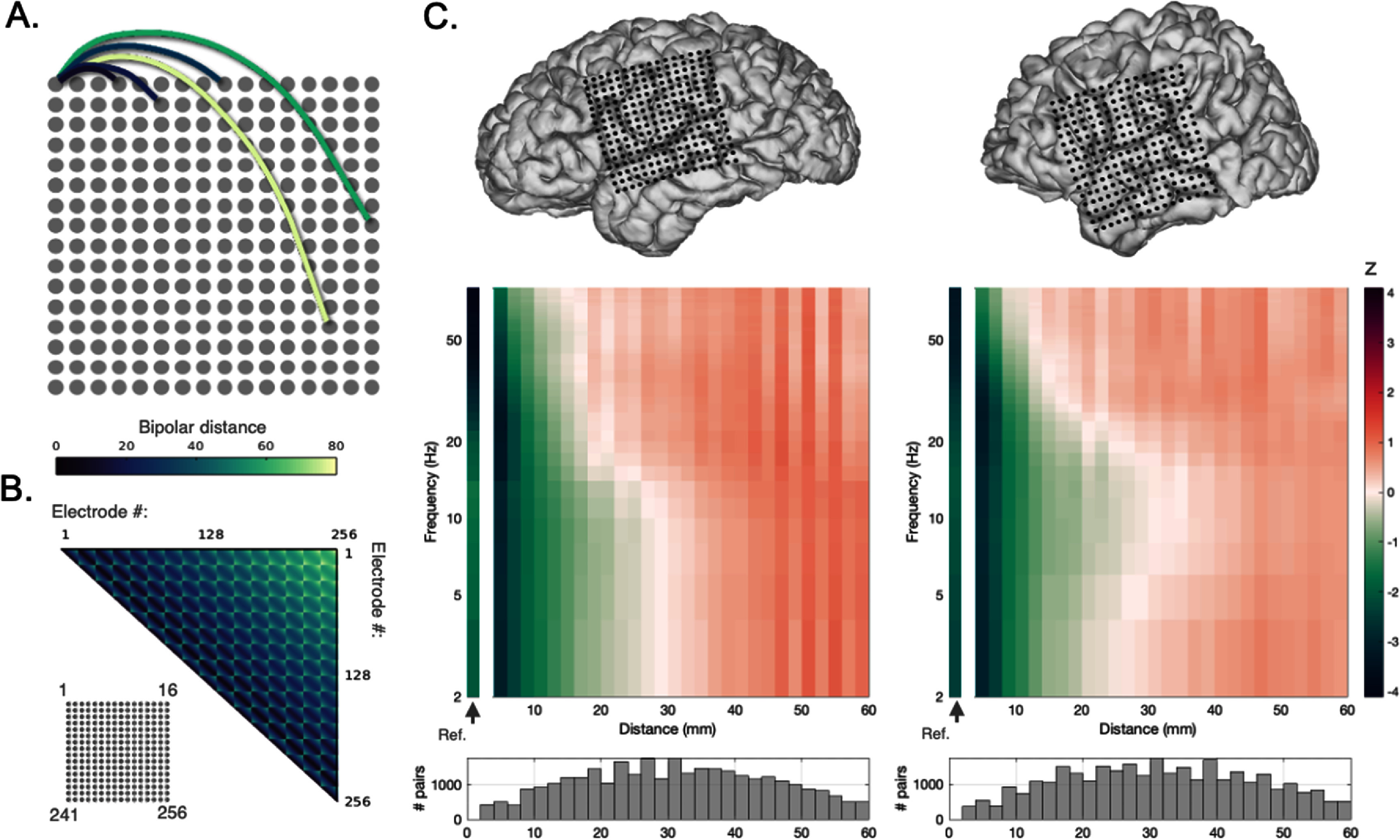 Figure 7
 Figure 8
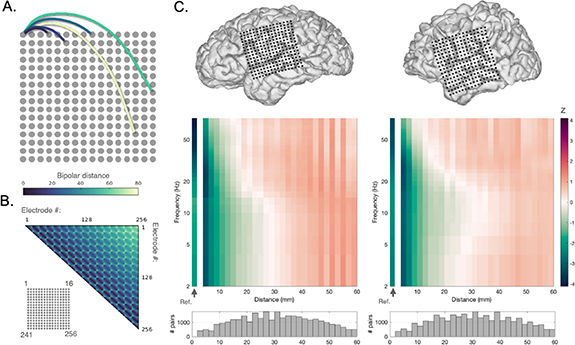 Figure 9
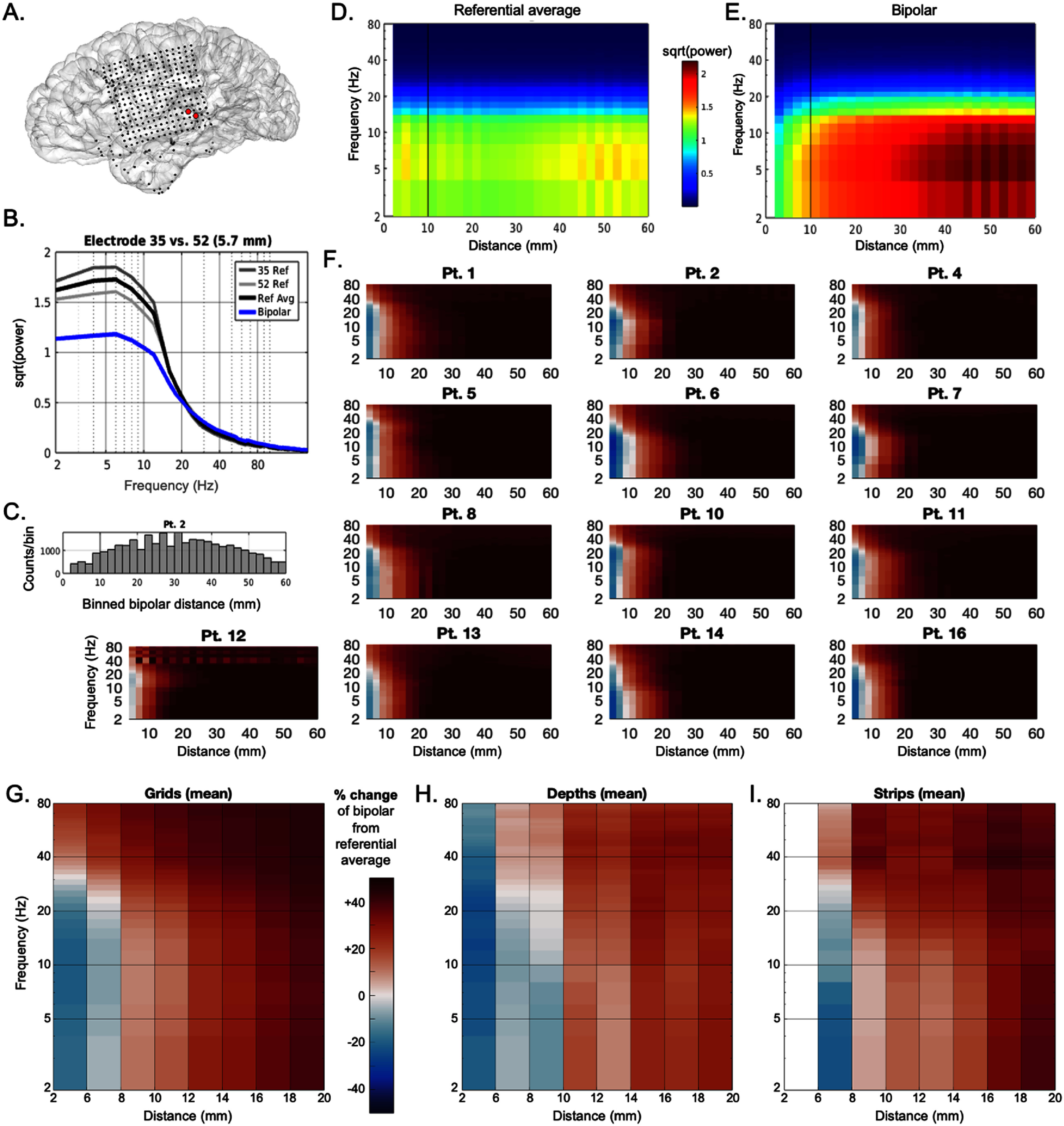 Figure 10
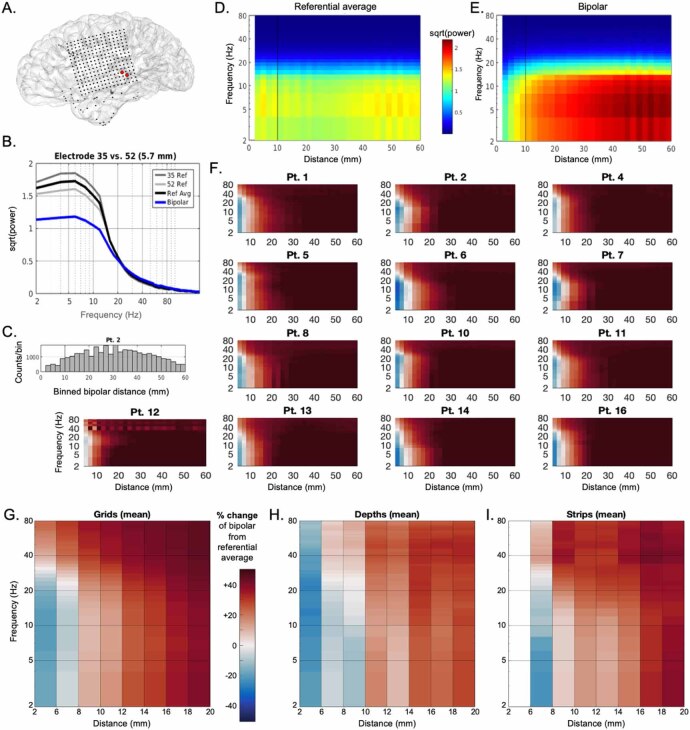 Figure 11
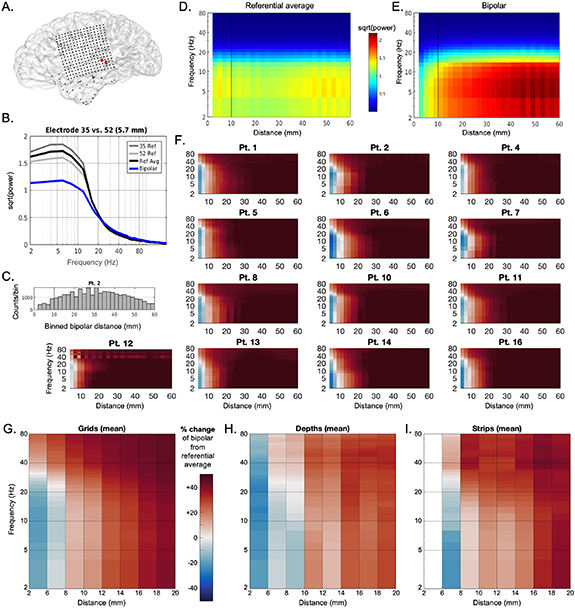 Figure 12
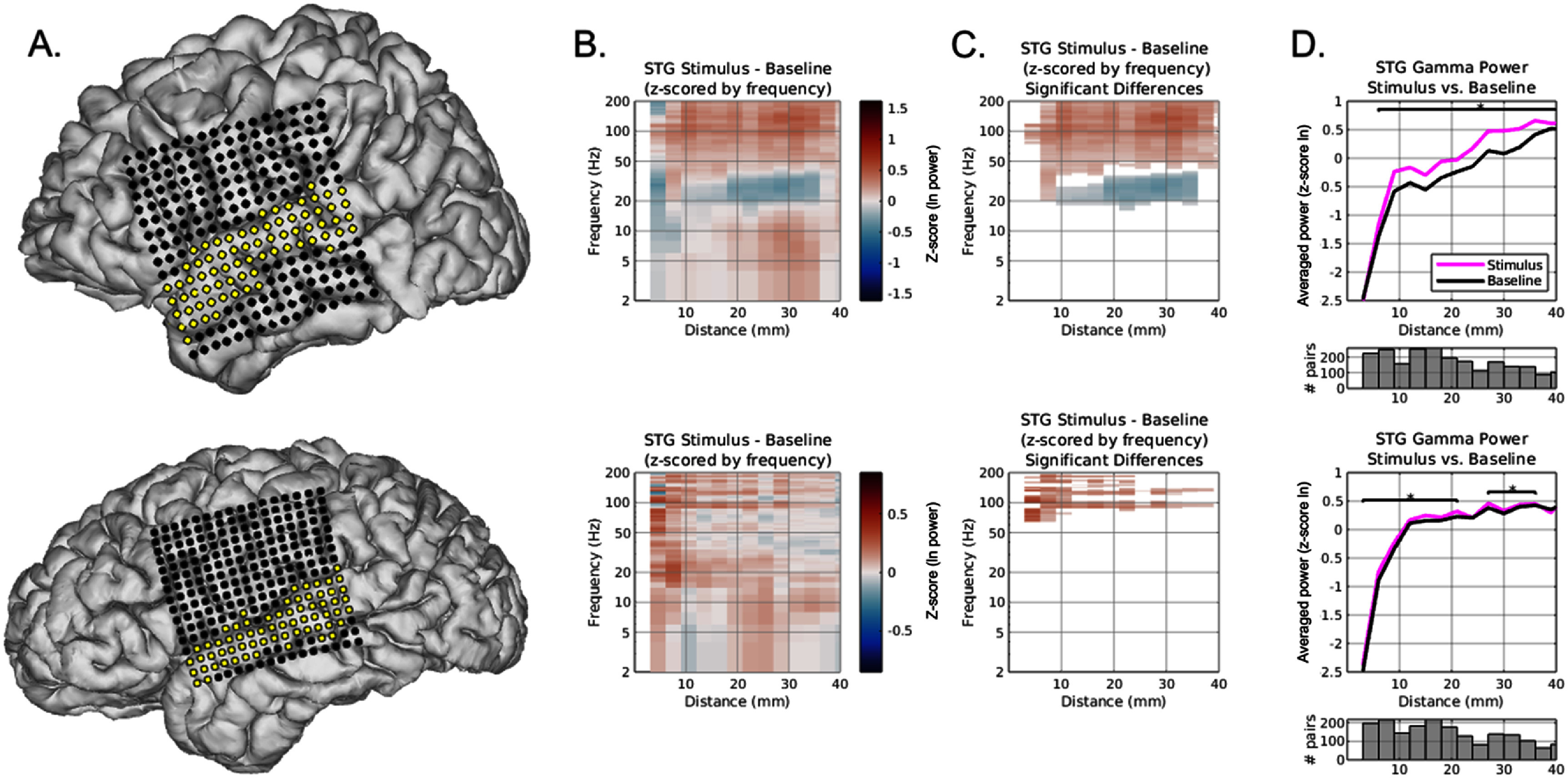 Figure 13
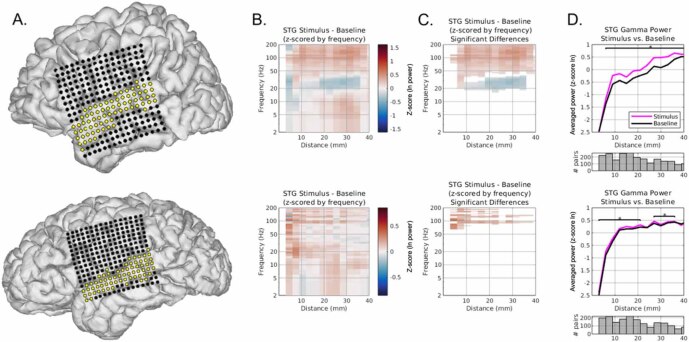 Figure 14
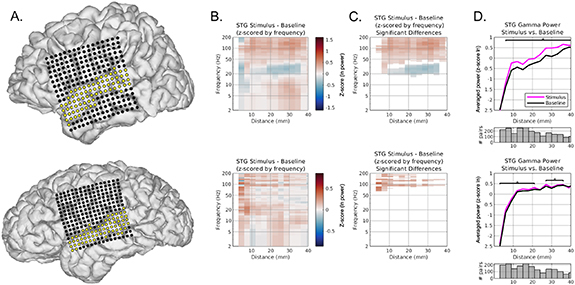 Figure 15
 Figure 16
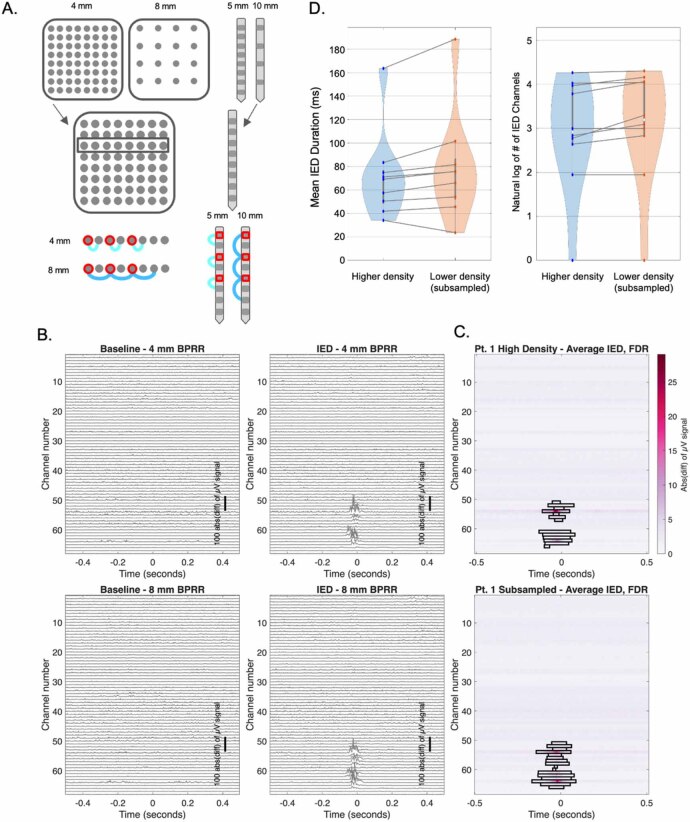 Figure 17
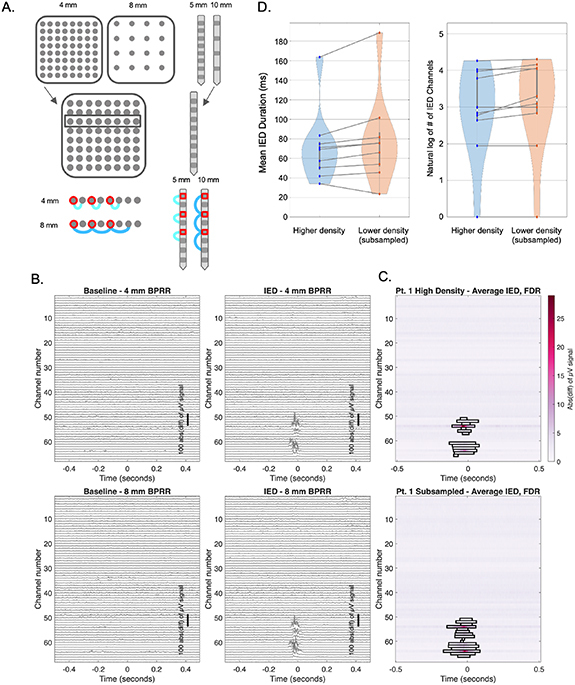 Figure 18
Peer Reviews
No public reviews on file for this paper yet. If you reviewed it on a platform where reviews are public (OpenReview, ICLR, NeurIPS, ICML), you can paste yours below so the community can read it here.
Videos
No videos yet. Explain this paper in a talk, walkthrough, or lecture? Add one.
Taxonomy
TopicsEEG and Brain-Computer Interfaces · Epilepsy research and treatment · Functional Brain Connectivity Studies