Commonality of Mechanism in Glycoside Hydrolases, Nucleoside Hydrolases, and Phosphorylases: Importance of Side-Chain Conformation Preorganization
Po-Sen Tseng, Jonathan C. K. Quirke, W. Jonathan Lin, David Crich

TL;DR
This paper explores how enzymes stabilize chemical reactions by preorganizing their active sites to favor specific molecular conformations.
Contribution
It identifies a common mechanism across diverse enzymes based on side-chain conformation preferences.
Findings
Arabinofuranosidases favor the gauche,gauche conformation for electrostatic stabilization.
Fructofuranosidases and related enzymes use the gauche,trans conformation when sterically hindered.
The findings align with Warshel’s theory on electrostatic preorganization in enzyme catalysis.
Abstract
A survey of the Protein Data Bank reveals that the arabinofuranosidase class of enzymes broadly restrict their substrate side chains to the gauche,gauche (gg) conformation that provides maximum electrostatic stabilization to oxocarbenium ion-like transition states and so employ the strategy reported previously for the majority of glycoside hydrolases, transglycosidases, and glycosyltransferases acting on pyranosyl substrates. The fructofuranosidases, ribonucleosidases, ribonucleoside phosphorylases, and nucleoside 2′-deoxyribosyltransferases, whose gg conformation is sterically hindered, restrict their substrate side chains to the next most positive charge-stabilizing gauche,trans (gt) conformation. These conclusions are supported by extensive literature studies on the mechanisms of C–N bond cleavage by members of the nucleosidase and nucleoside phosphorylase families and are discussed…
Genes, proteins, chemicals, diseases, species, mutations and cell lines named across the full text — each resolved to its canonical identifier and authoritative record.
Click any figure to enlarge with its caption.
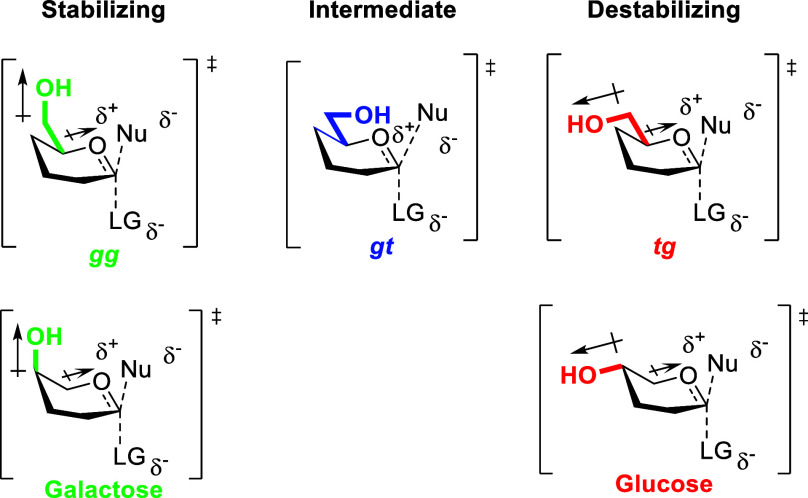 Figure 1
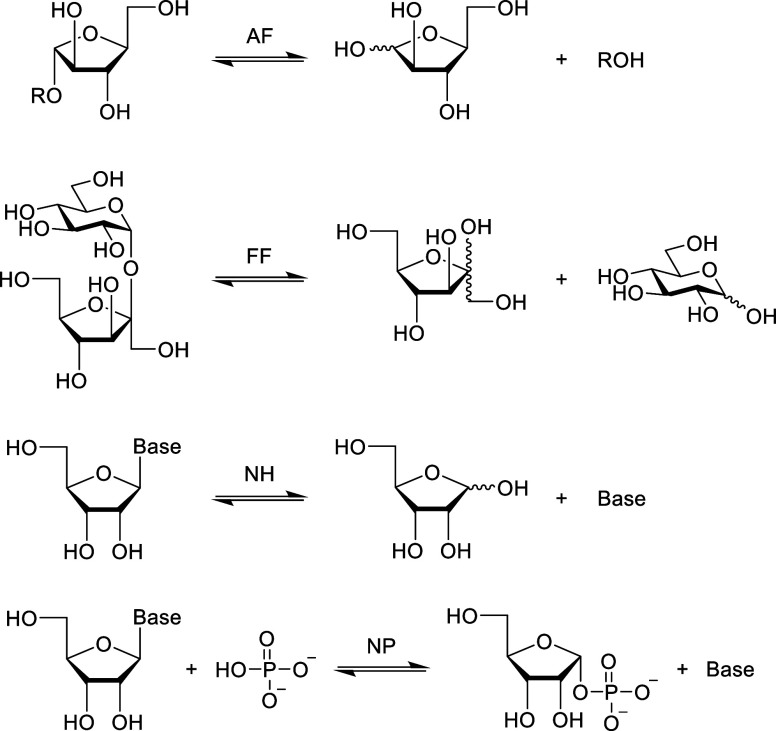 Figure 2
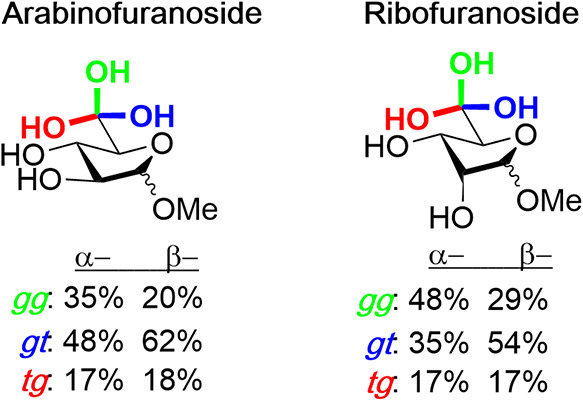 Figure 3
 Figure 4
 Figure 5
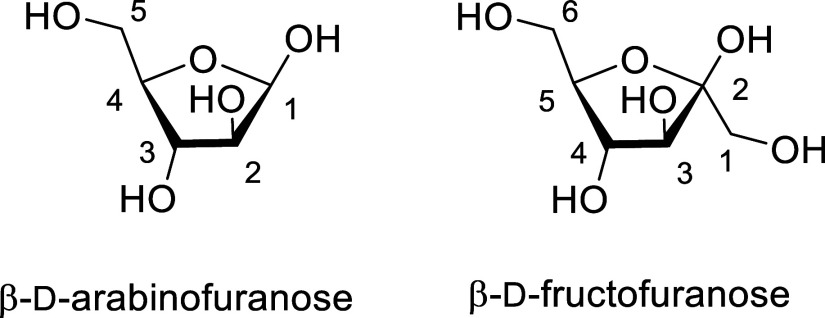 Figure 6
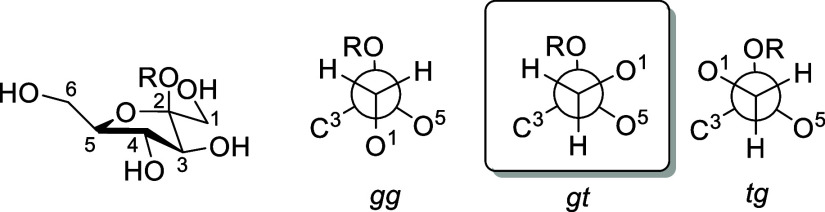 Figure 7
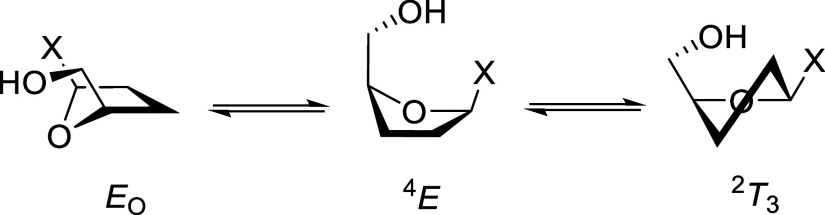 Figure 8
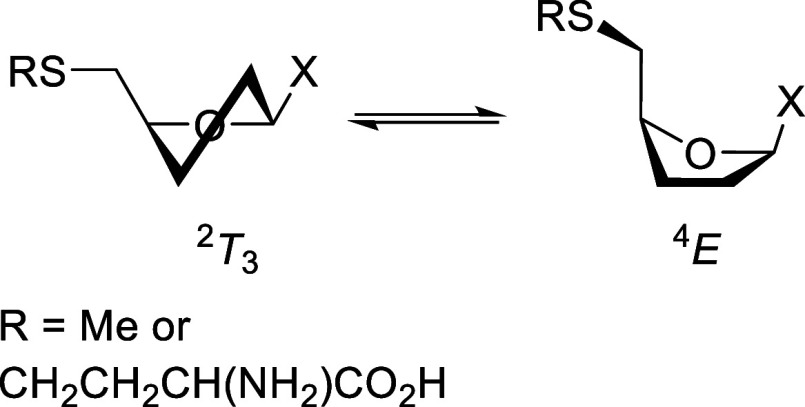 Figure 9
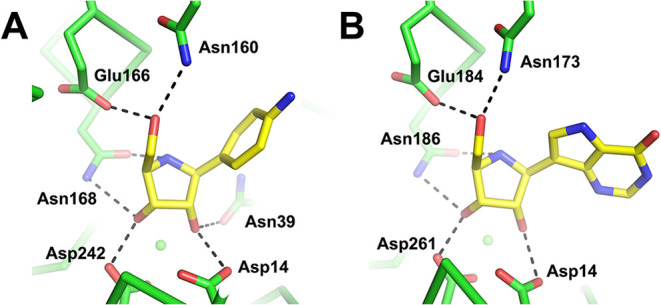 Figure 10
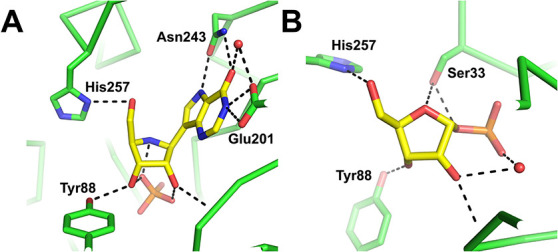 Figure 11
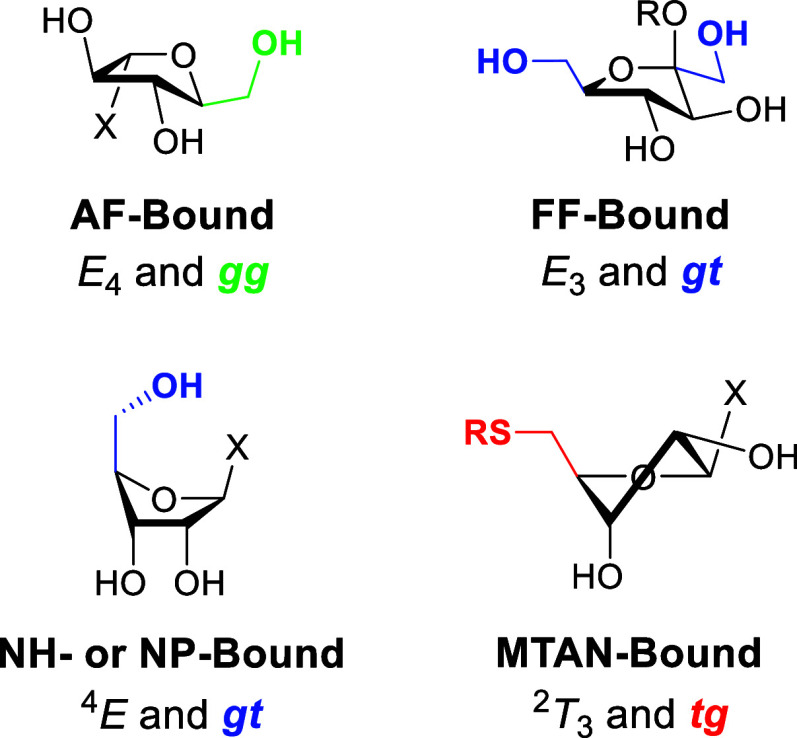 Figure 12
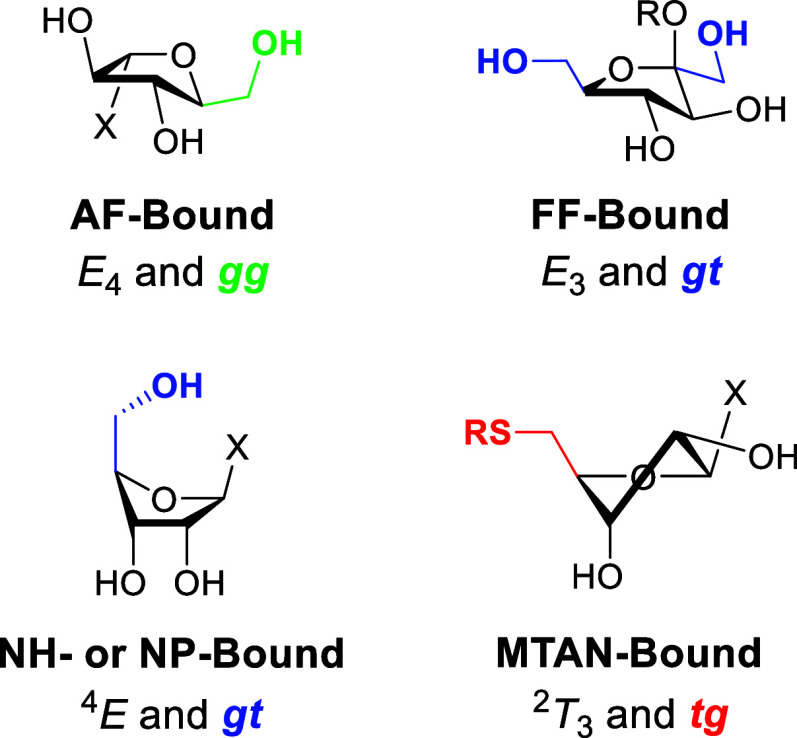 Figure 13
Peer Reviews
No public reviews on file for this paper yet. If you reviewed it on a platform where reviews are public (OpenReview, ICLR, NeurIPS, ICML), you can paste yours below so the community can read it here.
Videos
No videos yet. Explain this paper in a talk, walkthrough, or lecture? Add one.
Taxonomy
TopicsBiochemical and Molecular Research · Enzyme Structure and Function · Enzyme Production and Characterization