Quinovic Acid Enhances the Cytotoxicity of KHYG‐1 Cells by Modulating the Ras/MAPK Signalling Pathway and Interferon‐Gamma Expression
Ming‐Ju Hsieh, Jen‐Tsun Lin, Yi‐Ching Chuang, Hsin‐Yu Ho, Yu‐Sheng Lo, Chia‐Chieh Lin, Mu‐Kuan Chen

TL;DR
Quinovic acid boosts natural killer cell activity against cancer cells by enhancing cytotoxic molecules and inducing apoptosis.
Contribution
Quinovic acid is shown to enhance NK cell cytotoxicity via modulation of Ras/MAPK and DNA repair pathways.
Findings
Quinovic acid increases perforin, granzymes, and Fas ligand expression in KHYG-1 cells.
Quinovic acid induces apoptosis in K562 and other cancer cells by promoting caspase and PARP activation.
Quinovic acid enhances interferon-gamma secretion through activation of Ras/MAPK and PI3K/AKT/mTOR pathways.
Abstract
Quinovic acid is a key constituent of cat's claw (Uncaria tomentosa) extract and exhibits antioxidant and anti‐inflammatory activities. In this study, we investigated the potential of quinovic acid to enhance natural killer (NK) cell activity by using the KHYG‐1 cell line. Our data indicated that quinovic acid increased the expression levels of cytolytic molecules, including perforin, granzymes A and B, Fas ligand, and granulysin, and induced the phosphorylation of the transcription factors CREB and STAT4, thereby enhancing cytotoxic activity against K562 cells. Furthermore, when KHYG‐1 cells were cocultured with K562 cells in the presence of quinovic acid, we observed an increase in the expression of t‐Bid, cleaved caspases 3, 8, and 9, and PARP, promoting apoptosis in K562 cells. Quinovic acid also reduced the expression of SET, Ape1, and HMGB2, effectively inhibiting the DNA repair…
Genes, proteins, chemicals, diseases, species, mutations and cell lines named across the full text — each resolved to its canonical identifier and authoritative record.
Click any figure to enlarge with its caption.
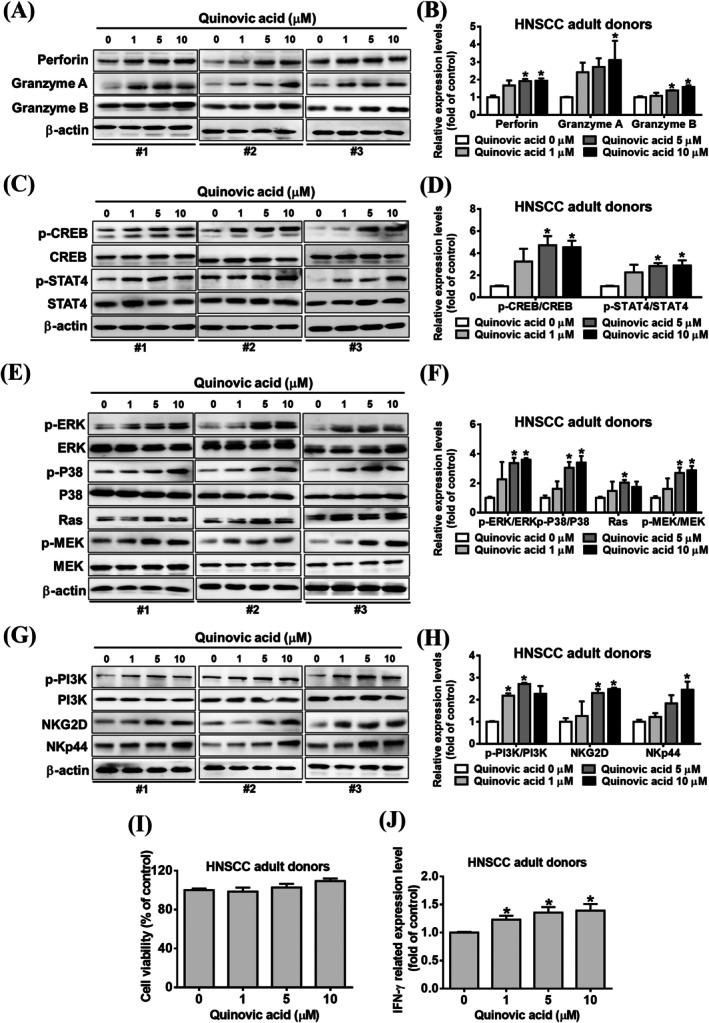 Figure 1
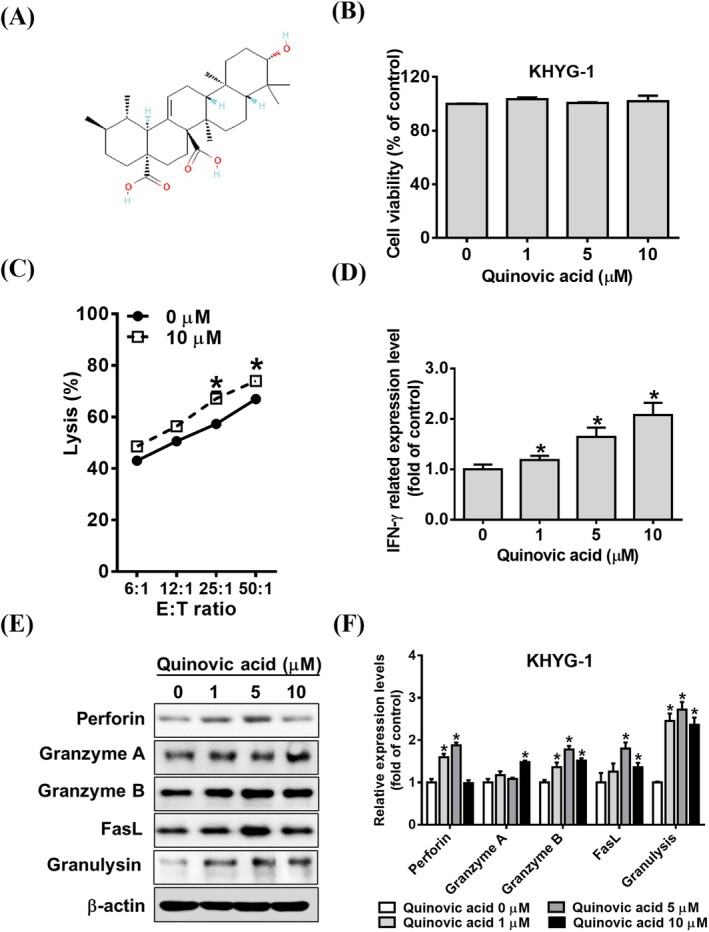 Figure 2
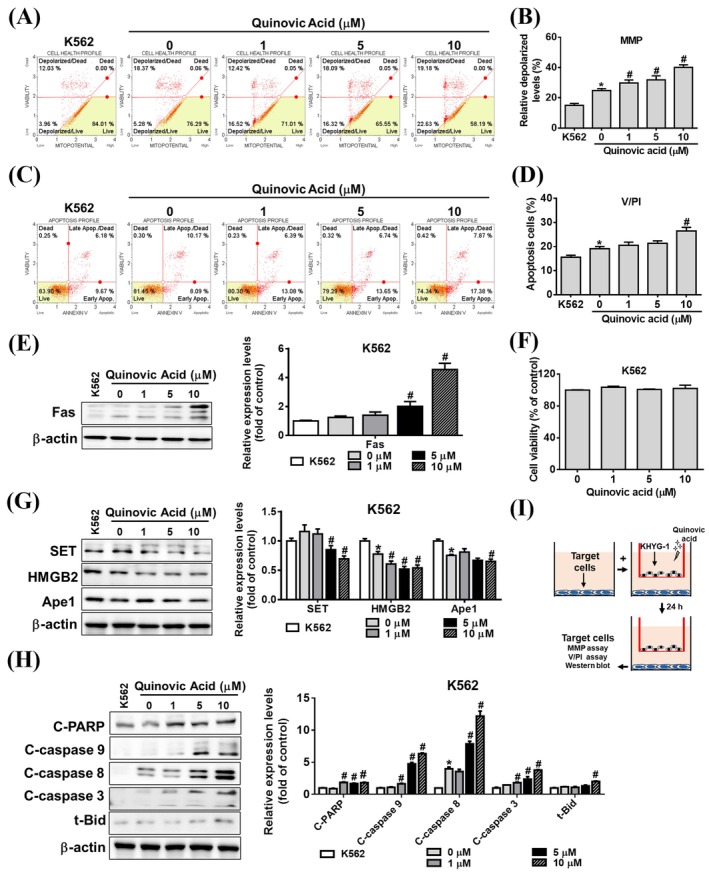 Figure 3
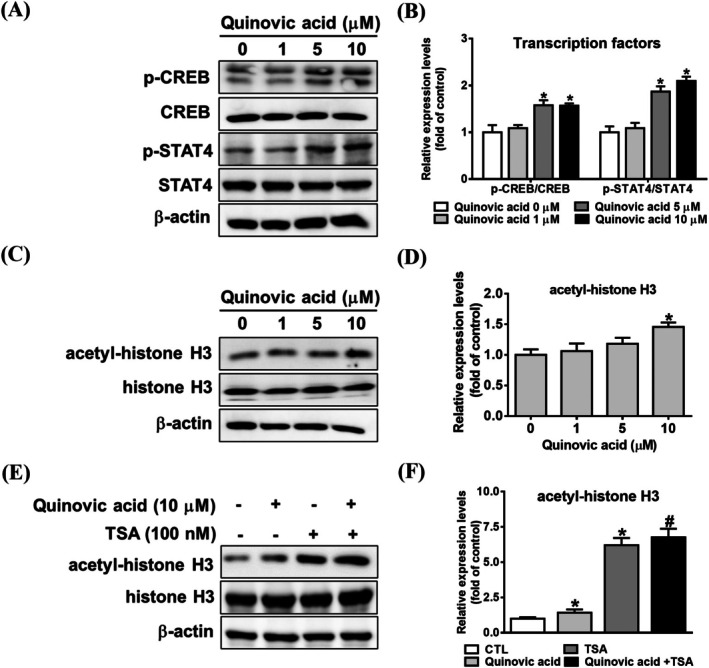 Figure 4
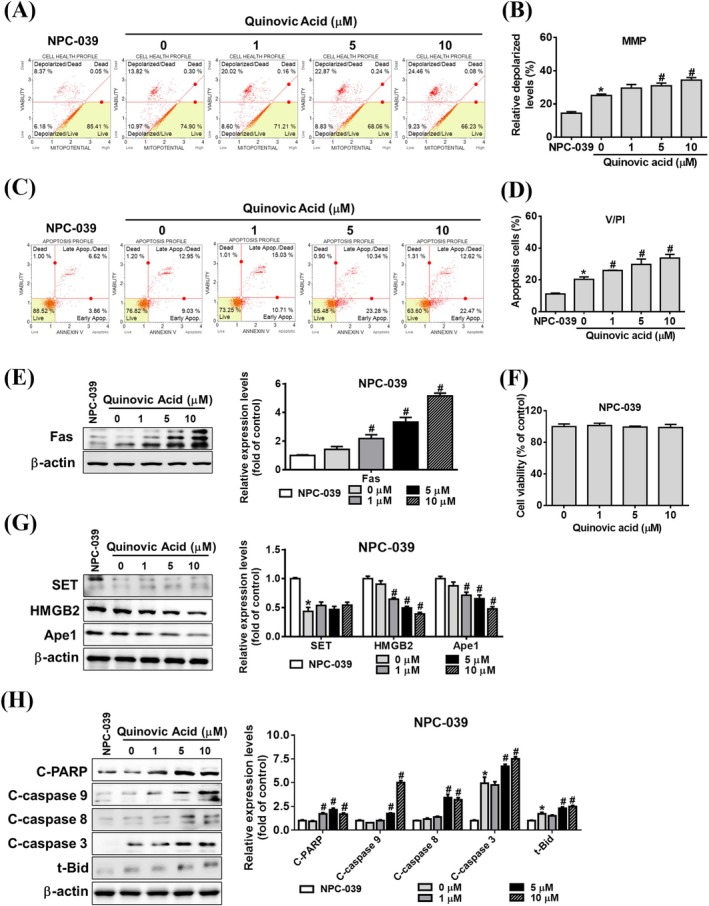 Figure 5
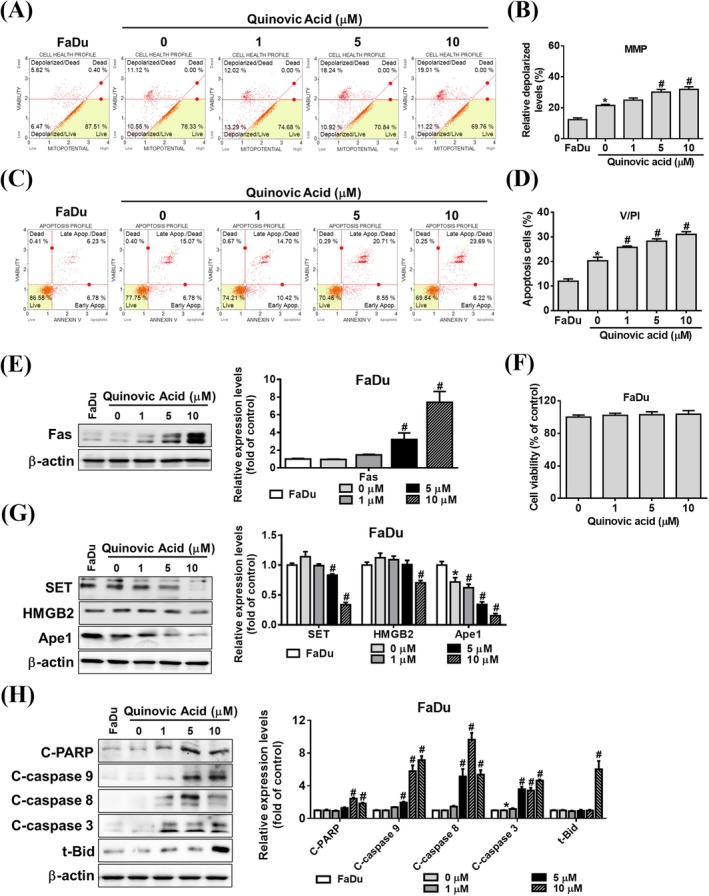 Figure 6
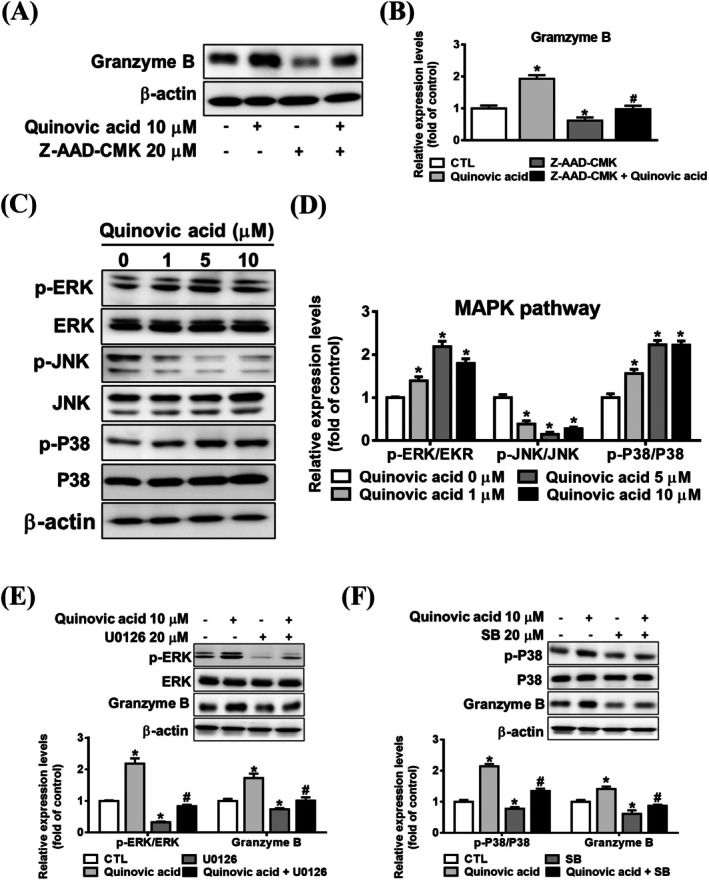 Figure 7
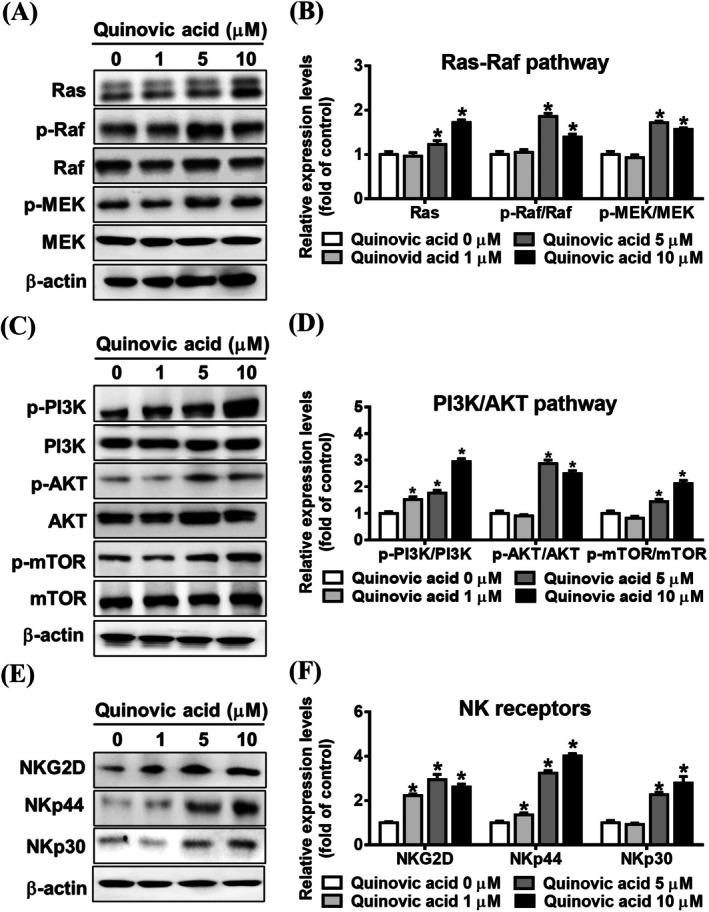 Figure 8
Peer Reviews
No public reviews on file for this paper yet. If you reviewed it on a platform where reviews are public (OpenReview, ICLR, NeurIPS, ICML), you can paste yours below so the community can read it here.
Videos
No videos yet. Explain this paper in a talk, walkthrough, or lecture? Add one.
Taxonomy
TopicsAlkaloids: synthesis and pharmacology · Neuropeptides and Animal Physiology · Immune Cell Function and Interaction