Multiscale Simulation of Primary Charge Separation Mechanisms in an LH1-RC Complex
Sayan Maity, Ulrich Kleinekathöfer

TL;DR
This study reveals how charge separation in bacterial photosynthesis occurs in the LH1-RC complex, challenging traditional models by highlighting the role of the protein environment.
Contribution
The first comprehensive analysis of the entire LH1-RC complex, identifying the protein scaffold's critical role in charge separation.
Findings
Charge separation originates from the P/B BChl pair on the active branch, not the 'special pair' (P).
The protein environment is pivotal in facilitating efficient charge separation.
A low-lying charge-transfer state on the inactive branch is inefficient due to inconsistent directionality.
Abstract
The light-harvesting complex II (LH2) of purple bacteria captures solar energy using bacteriochlorophyll (BChl) pigments. This energy is then transferred to the LH1 complex and subsequently to the embedded reaction center (RC). The initial separation of charges instigates a series of subsequent processes, ultimately culminating in the synthesis of adenosine triphosphate (ATP). While the excitation transfer process within the LH2 complex has been thoroughly characterized, the atomistic mechanism of charge separation in the RC remains unresolved. In this study, we employed a combination of classical molecular dynamics (MD), ab initio quantum mechanics/molecular mechanics (QM/MM) MD, and time-dependent density functional theory (TD-DFT) to delineate the excitation funnel within the LH1 ring of Thermochromatium tepidum, which is instrumental in facilitating charge separation in the RC. The…
Genes, proteins, chemicals, diseases, species, mutations and cell lines named across the full text — each resolved to its canonical identifier and authoritative record.
Click any figure to enlarge with its caption.
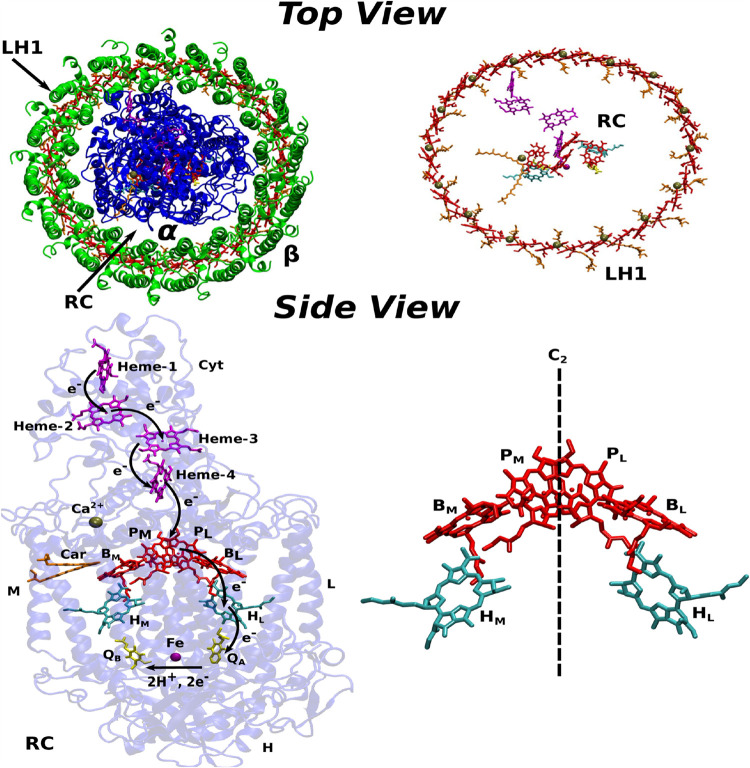 Figure 1
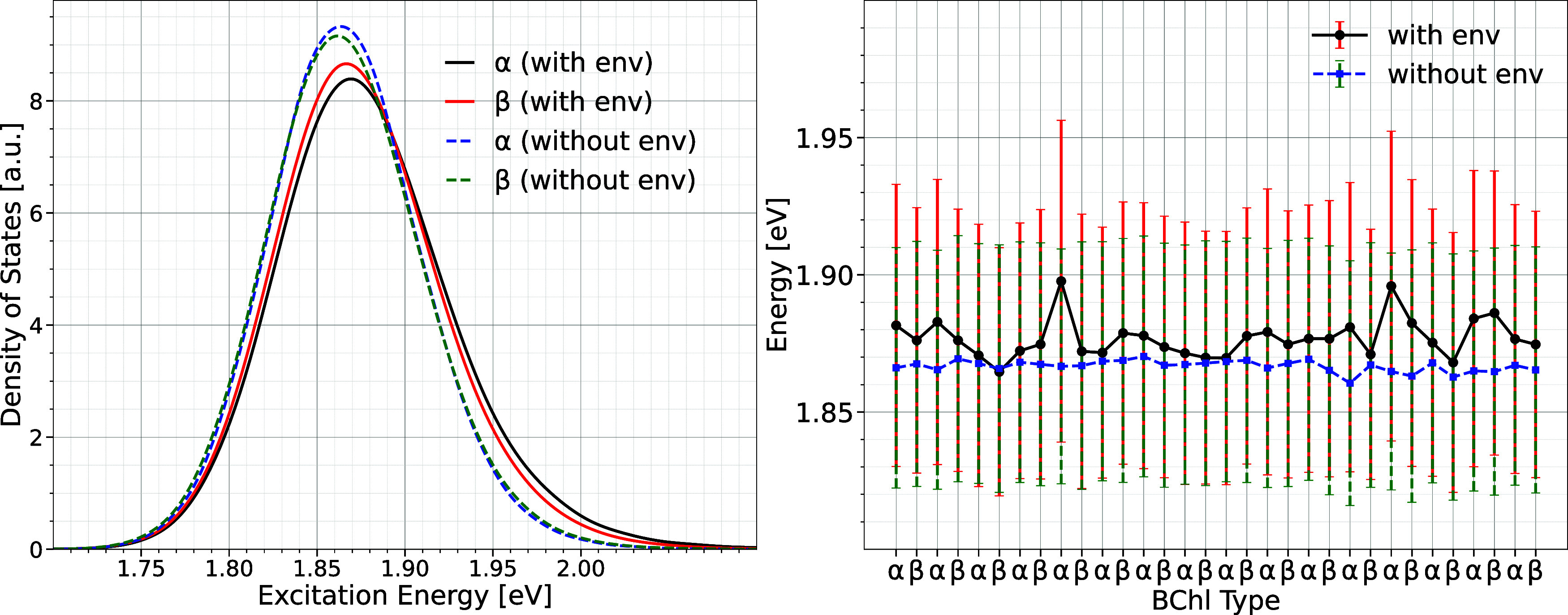 Figure 2
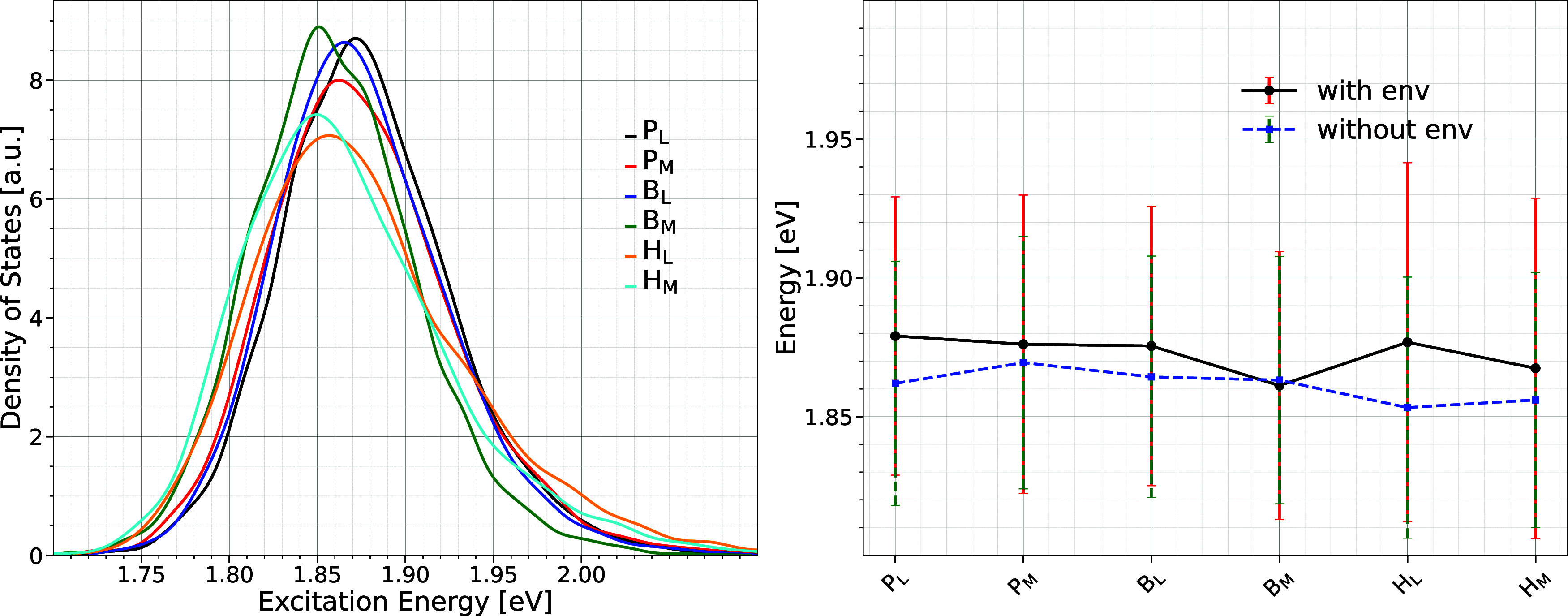 Figure 3
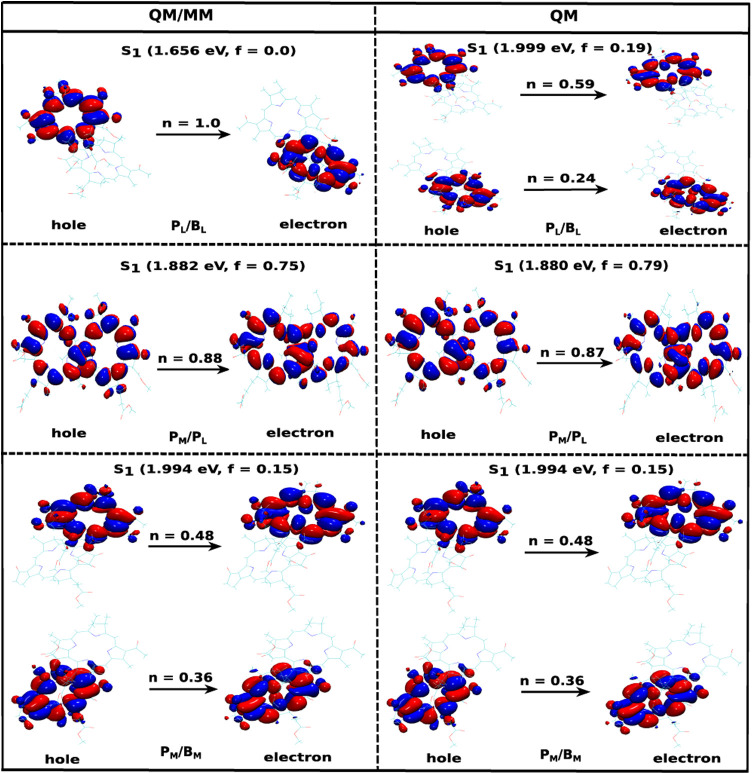 Figure 4
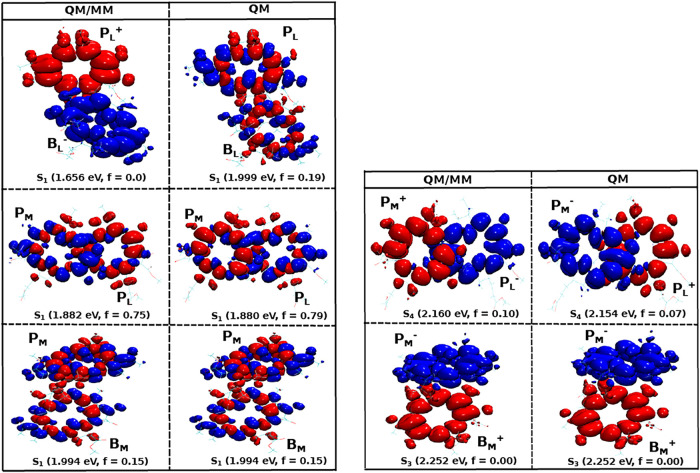 Figure 5
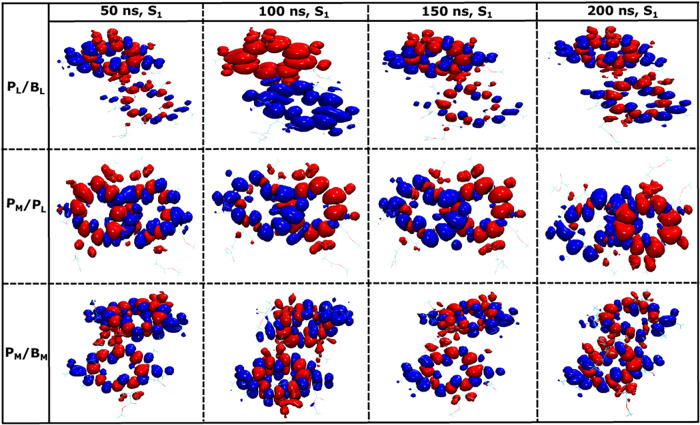 Figure 6
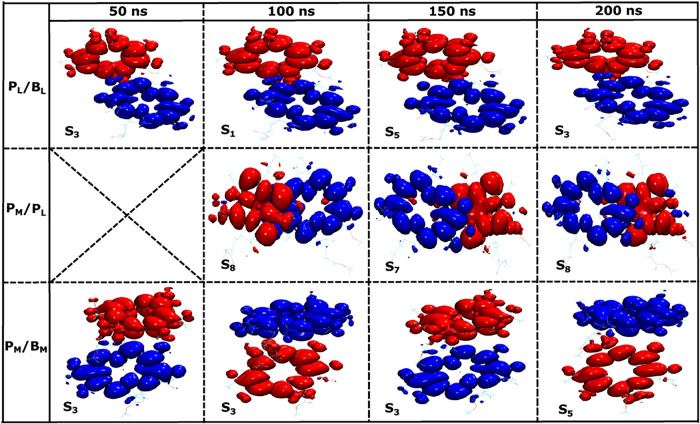 Figure 7
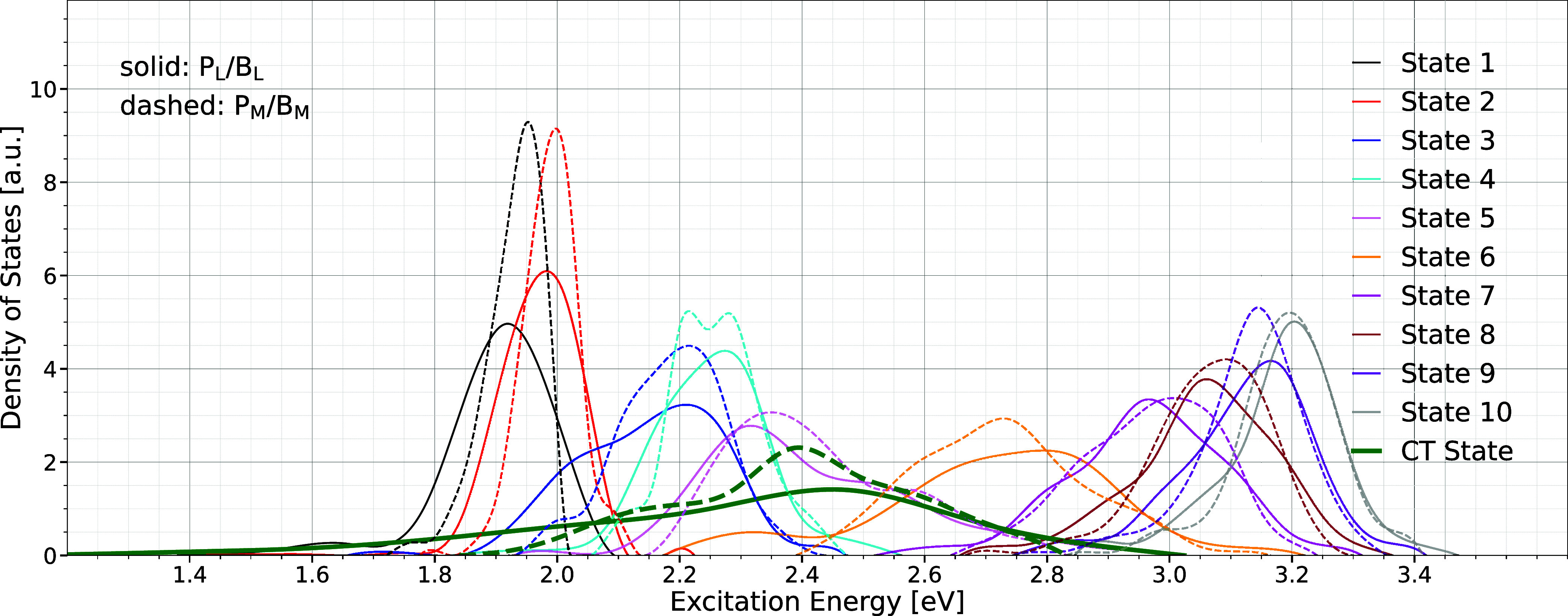 Figure 8
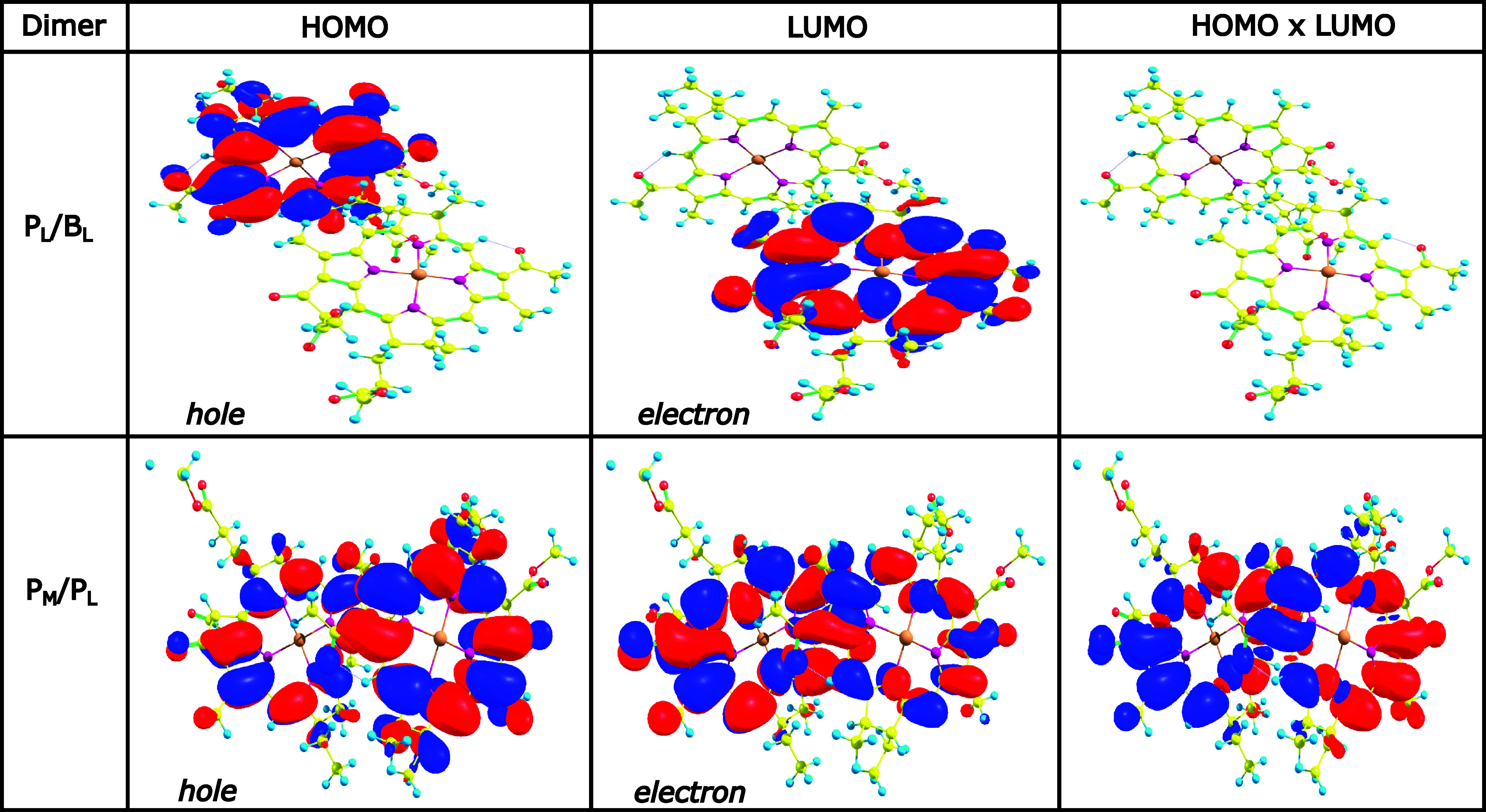 Figure 9
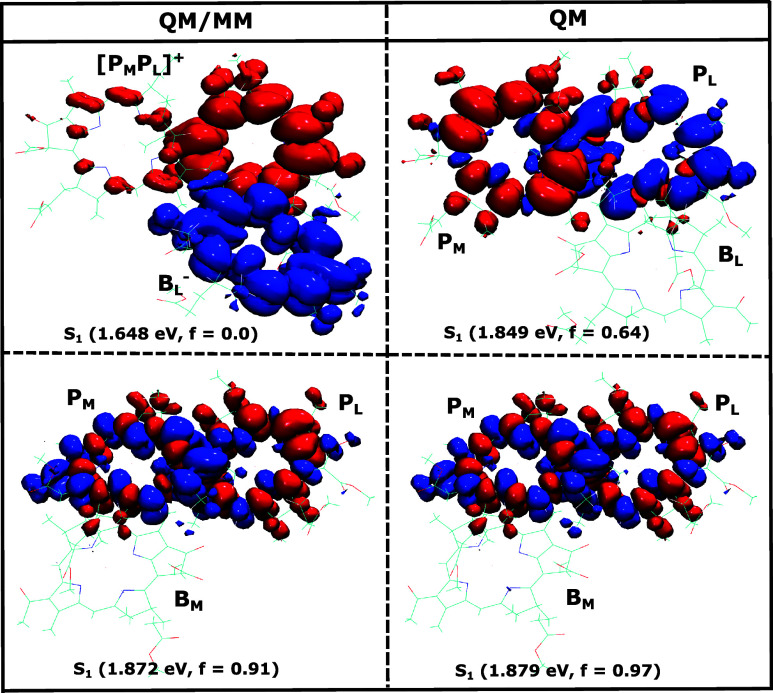 Figure 10
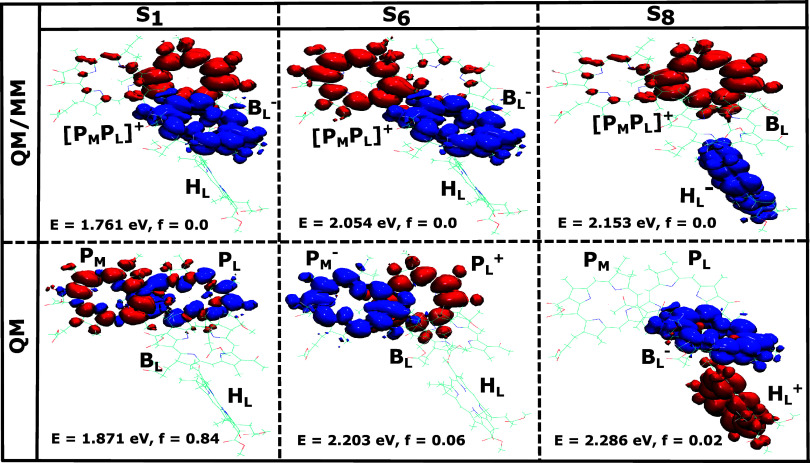 Figure 11
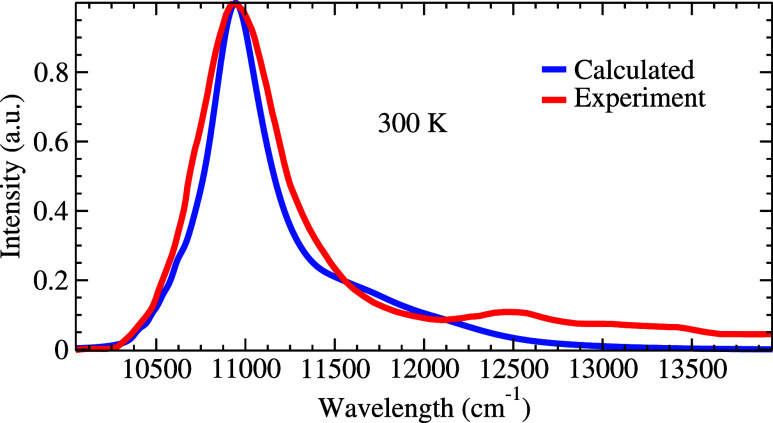 Figure 12
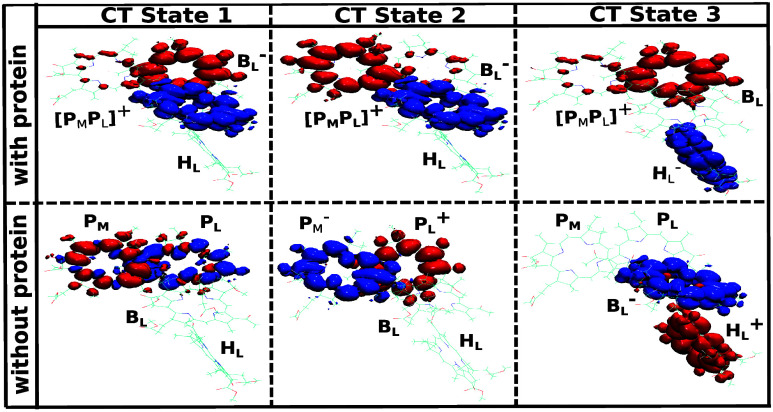 Figure 13
 Figure 14
 Figure 15
 Figure 16
 Figure 17
 Figure 18
Peer Reviews
No public reviews on file for this paper yet. If you reviewed it on a platform where reviews are public (OpenReview, ICLR, NeurIPS, ICML), you can paste yours below so the community can read it here.
Videos
No videos yet. Explain this paper in a talk, walkthrough, or lecture? Add one.
Taxonomy
TopicsAdvanced NMR Techniques and Applications · Protein Structure and Dynamics · Enzyme Structure and Function