Liposome‐Encapsulated Melatonin Mitigates Amoxicillin‐Induced Neurotoxicity in a Zebrafish
Ranjith Balakrishnan, Rajasekaran Subbarayan, Rupendra Shrestha, Dhasarathdev Srinivasan, Reena Shrestha, Ankush Chauhan, Dinesh Murugan Girija

TL;DR
Liposome-encapsulated melatonin reduces neurotoxic effects of amoxicillin in zebrafish by lowering inflammation and improving brain function.
Contribution
Liposome-encapsulated melatonin shows neuroprotective effects against amoxicillin-induced toxicity in zebrafish.
Findings
Liposome-encapsulated melatonin reduced reactive oxygen species and proinflammatory cytokines in zebrafish brain tissue.
Liposome-encapsulated melatonin improved swimming performance and immobility time in zebrafish with amoxicillin-induced neuroinflammation.
Liposome-encapsulated melatonin increased BDNF, CREBBP, and GABA-A R γ2 levels, indicating neuroprotective effects.
Abstract
Amoxicillin (Amx), a β‐Lactam antibiotic frequently used to treat bacterial infections, has been linked to neurological effects, including anxiety, hyperactivity, ambiguity, seizures, and behavioural changes. We examined the neurotoxic effects of Amx in zebrafish and investigated the potential of liposome‐encapsulated melatonin (L‐Mel) as a therapeutic intervention. Computational studies have indicated that Amx and Mel interact with GABA receptors, suggesting the potential of L‐Mel in mitigating Amx‐induced neurological changes. Our findings demonstrated that the nanoformulated L‐Mel showed reduced toxicity in zebrafish larvae. Administration of L‐Mel to Amx‐affected zebrafish brain tissue significantly lowered the levels of reactive oxygen species, antioxidants (catalase, superoxide dismutase, and nitric oxide), and proinflammatory cytokines (TNF‐α, IL‐1β, and NF‐kB), based on the…
Genes, proteins, chemicals, diseases, species, mutations and cell lines named across the full text — each resolved to its canonical identifier and authoritative record.
Click any figure to enlarge with its caption.
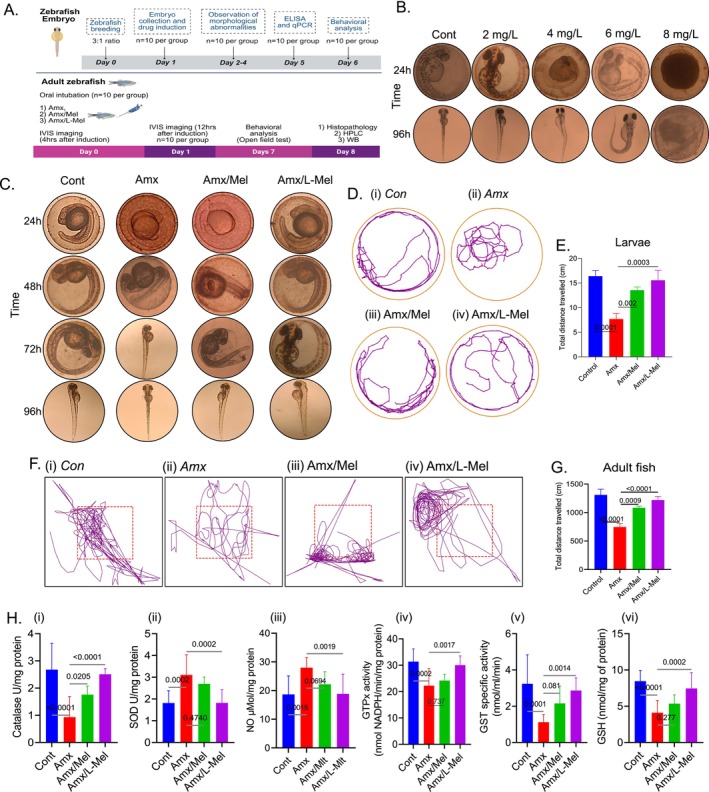 Figure 1
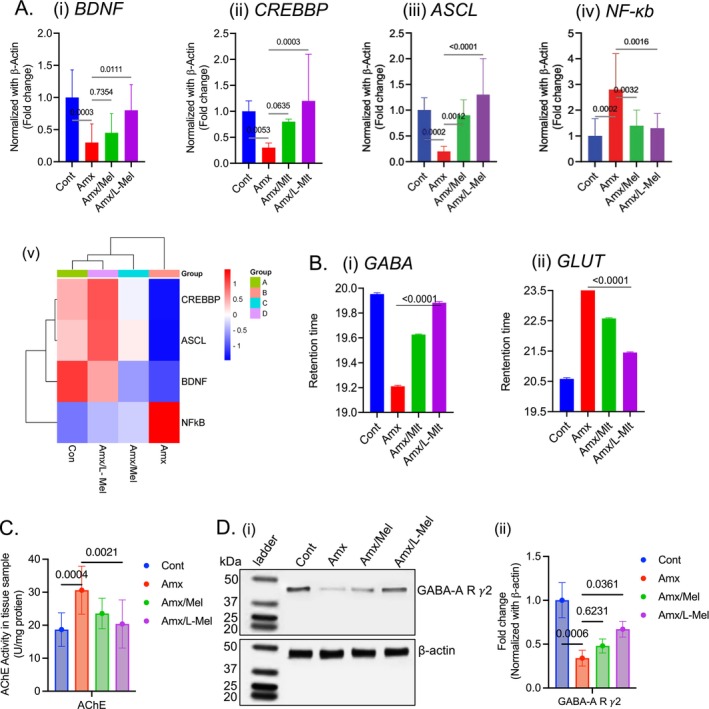 Figure 2
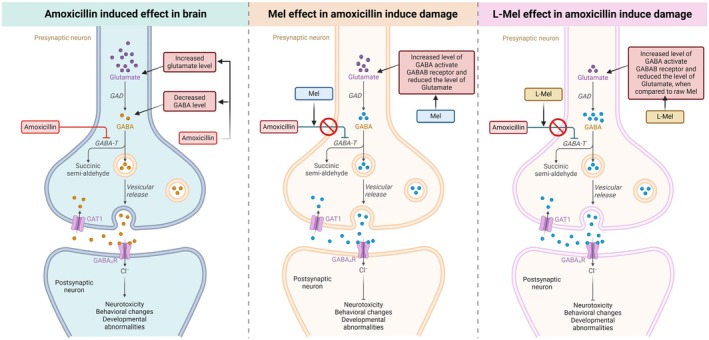 Figure 3
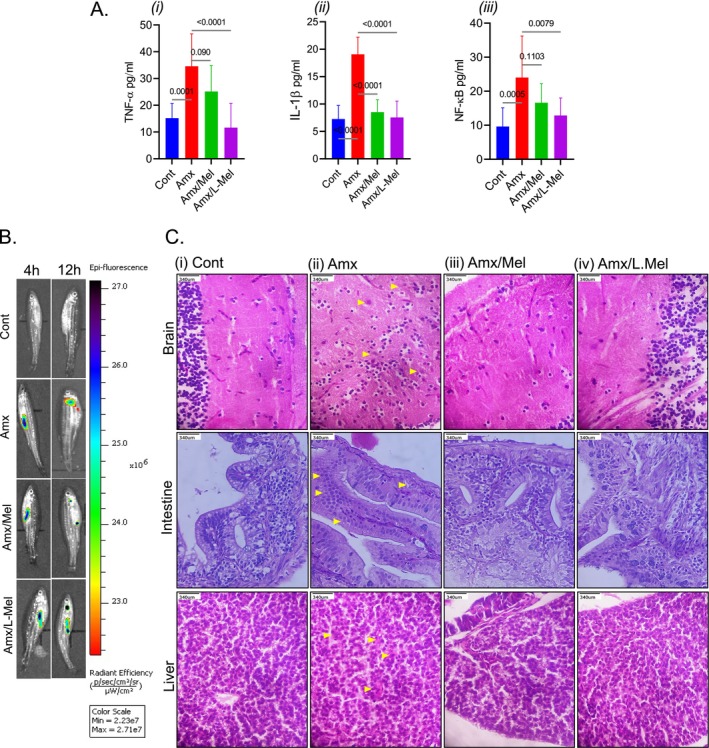 Figure 4
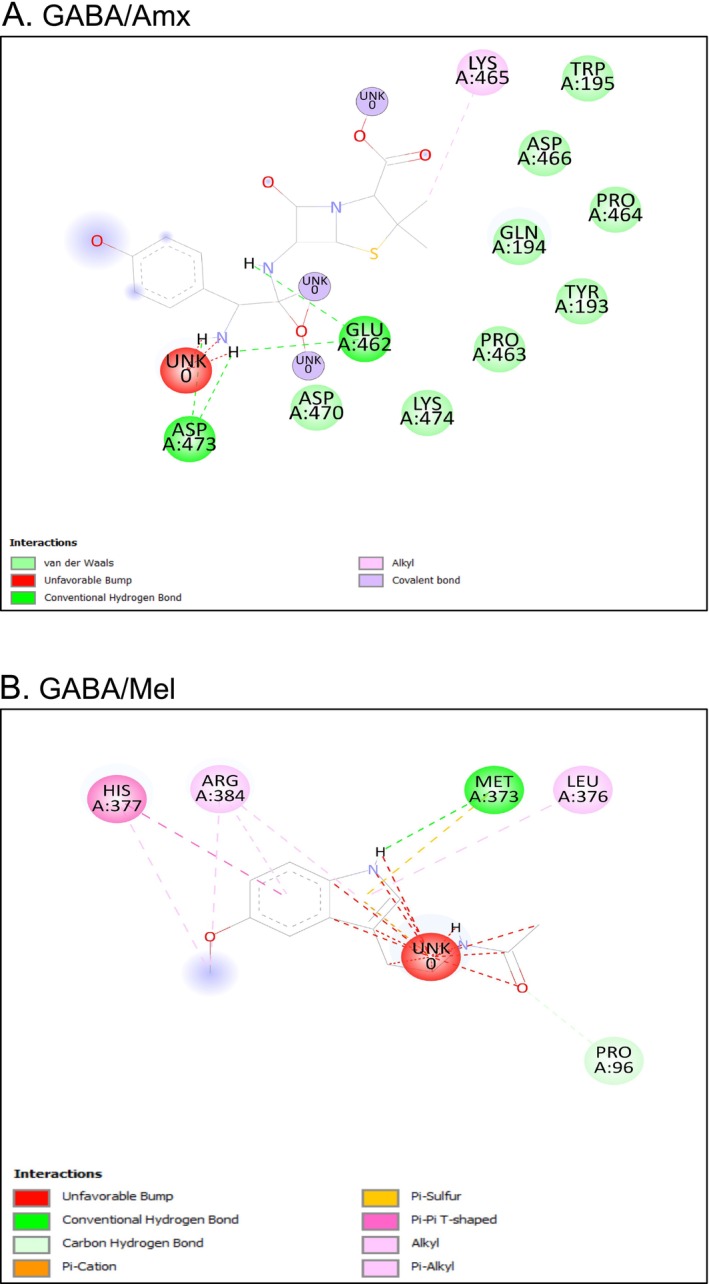 Figure 5
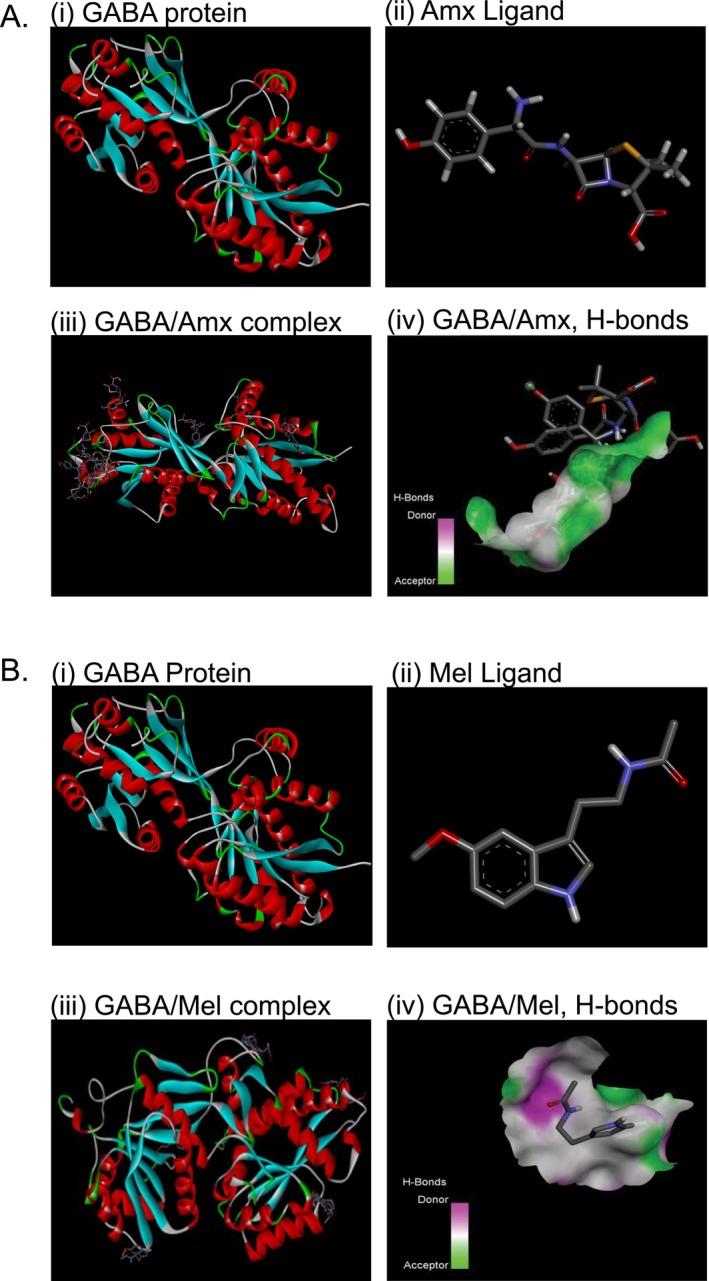 Figure 6
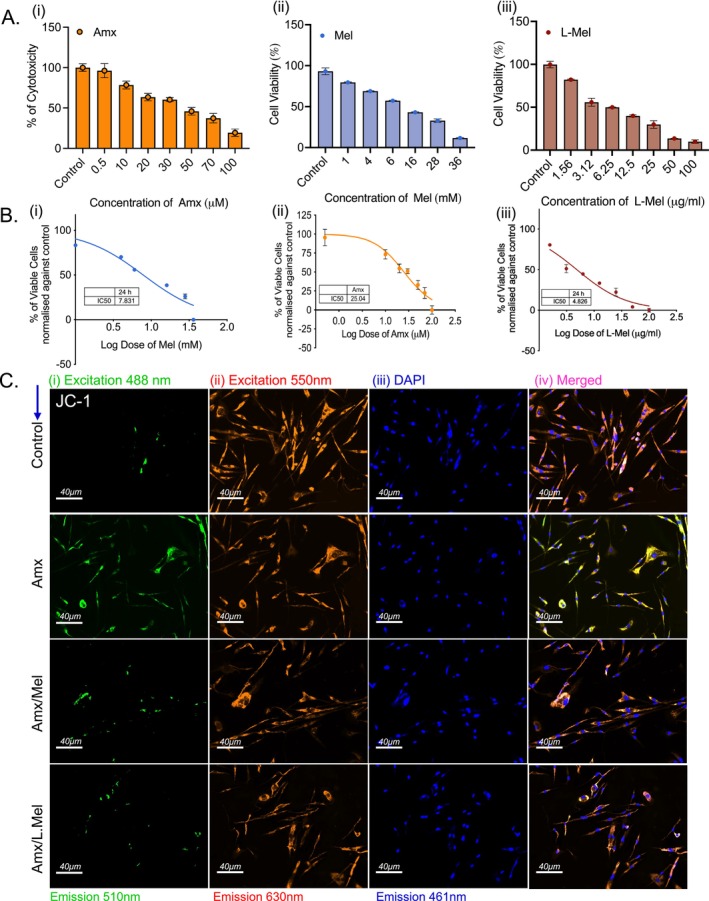 Figure 7
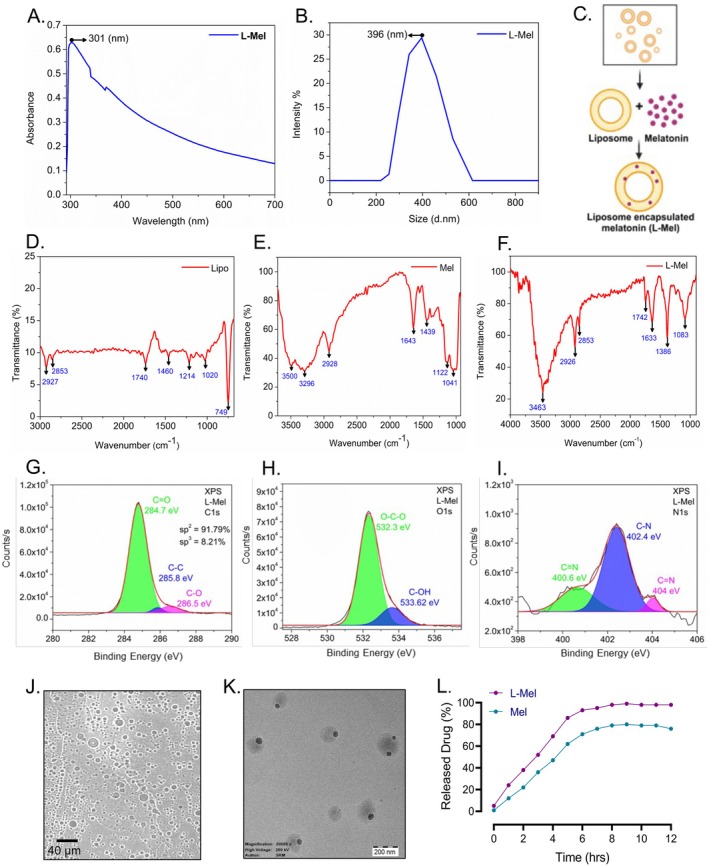 Figure 8
Peer Reviews
No public reviews on file for this paper yet. If you reviewed it on a platform where reviews are public (OpenReview, ICLR, NeurIPS, ICML), you can paste yours below so the community can read it here.
Videos
No videos yet. Explain this paper in a talk, walkthrough, or lecture? Add one.
Taxonomy
TopicsZebrafish Biomedical Research Applications · Tryptophan and brain disorders · Circadian rhythm and melatonin